Overland Track Day 2 – Waterfall Valley to Windermere Lake

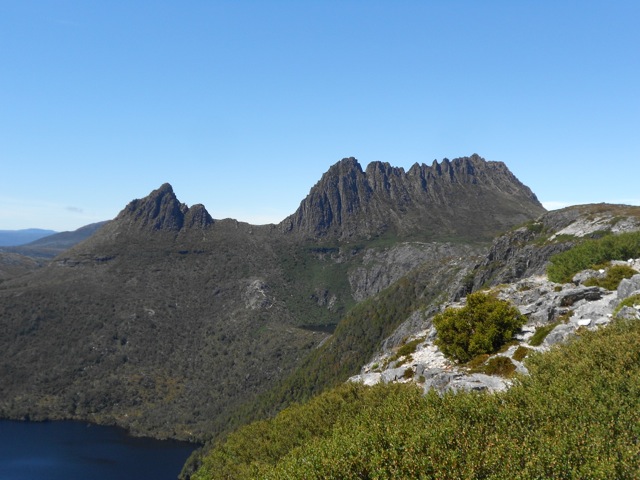
Day 2 of The Overland Track is the shortest at only 7.8km. For this reason, many people merge the next two days together and walk all the way to Pelion Hut, 25km away, but this isn’t my plan. While you cook breakfast in the Waterfall Valley Hut, you can see the stark rocky face of ‘The Barn’ high atop the ridge. I wasn’t originally going to climb it, but I discovered a group – The Brits – were I decided to tag along.

The side trip to The Barn is actually longer than the official day’s walk but is done with only a day pack. I’ve heard different tales about climbing the Bluff, some say it’s easier than Cradle Mountain, while some say it’s harder. I’ll have to decide for myself.
wpid-dscn1078-2013-01-7-13-42.jpg

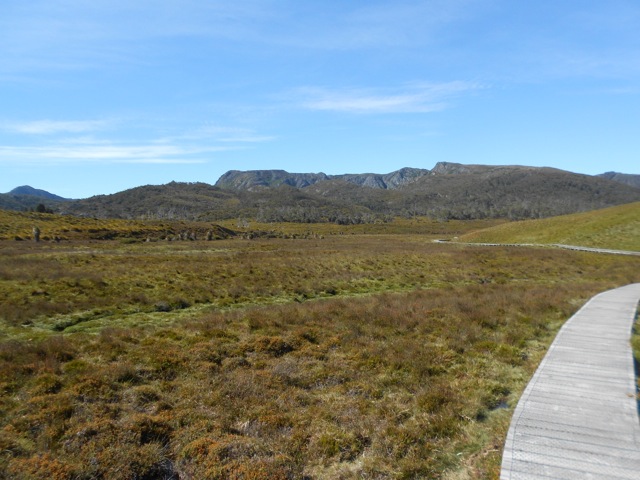
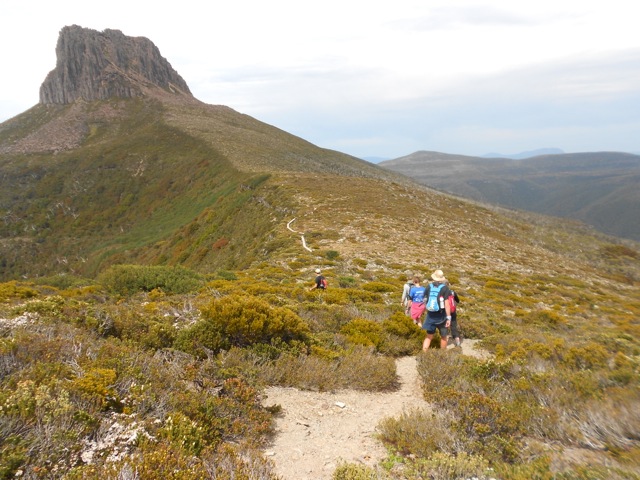
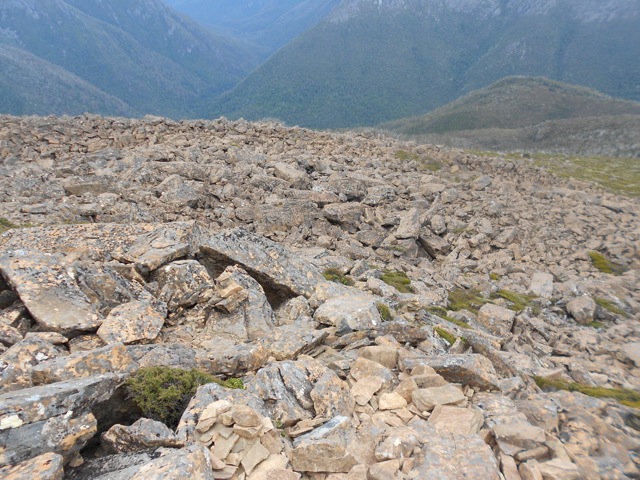
The start of the walk backtracked back up the zig zag hill to where the trail had split the day before and walked towards the bluff. Much of the walk was along wooden planks and steps and doesn’t really feel like hiking. Thankfully and unlike Cradle Mountain, there aren’t any day walkers getting in the way. We climbed a knoll before heading up a steep trail to where the real climbing begins. We picked our way across a large field of boulders from a rock fall some time ago.
wpid-dscn1083-2013-01-7-13-42.jpg

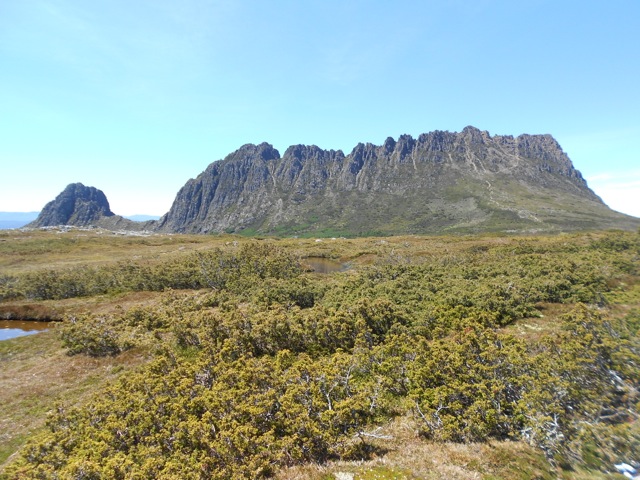
The climb looks rather menacing from a distance, but the closer you get the easier it looks. Through the boulder field the climb gets steeper as we make our way up the rocky face of the bluff following well placed cairns.

wpid-dscn1082-2013-01-7-13-42.jpg

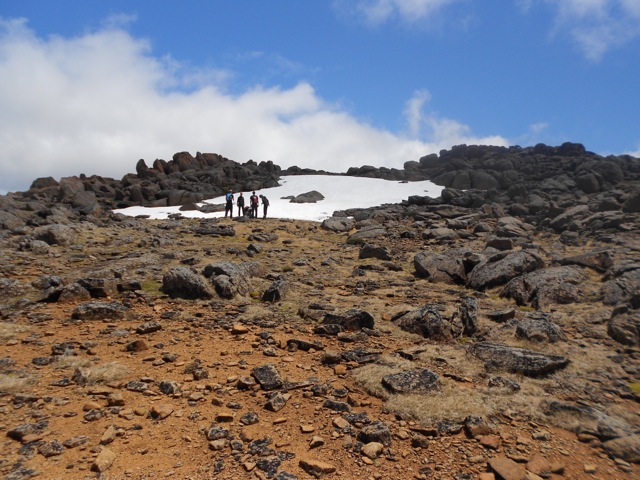
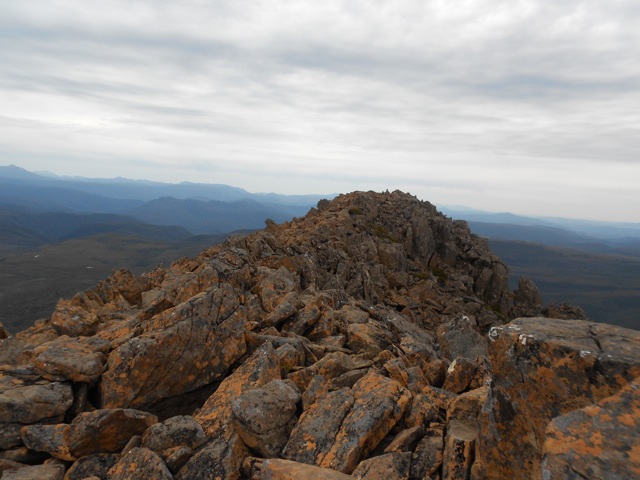
The trail works it way up the side with some scrambling up large boulders and short dirt paths. There are some difficult parts, although I wouldn’t call it any more difficult than Cradle Mountain, only different. We eventually made it to the top and climbed across the large boulders to the summit point where we sat for a snack.
wpid-dscn1087-2013-01-7-13-42.jpg

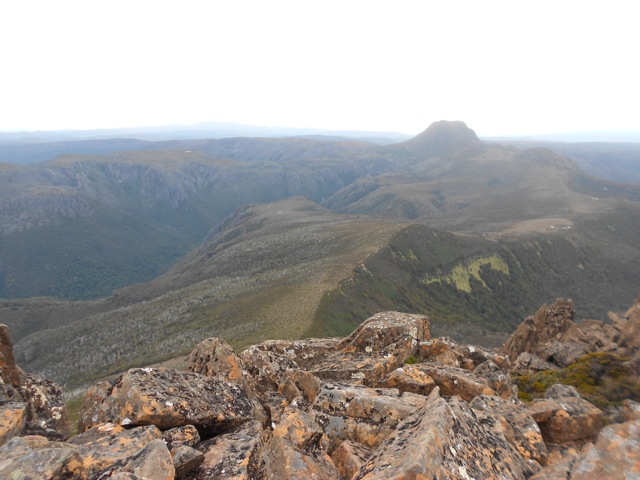
With 360 degree views…

wpid-dscn1084-2013-01-7-13-42.jpg

Looking south down on Lake Will.

wpid-dscn1085-2013-01-7-13-42.jpg

The wind soon whipped up and we decided to head down again. The climb down was easier and the walk back along the track relaxing until we arrived back at the hut. We stopped for lunch before I donned my pack and headed off alone towards along the trail.

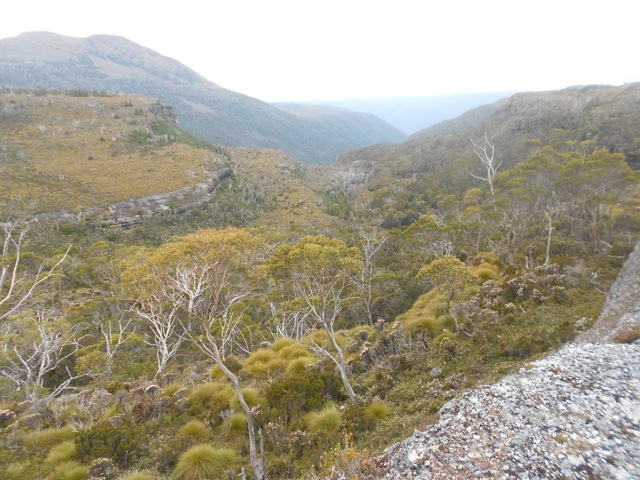
The day was overcast and as I walked, rain threatened, but didn’t eventuate. The trail climbed gently through bluegrass plains and across a ridge…
wpid-dscn1089-2013-01-7-13-42.jpg

…and through a small forest before levelling out when it came to a junction to Lake Will. I originally had planned to walk this side trip, but after climbing The Barn and getting a great view of the lake from height, I decided not to and headed on.

The trail descended briefly and as I walked along the boardwalk, I heard a rustle in the brush to the side, and watched as a Wombat wandered towards me. Unfortunately when it saw me it fled before I could get a photo.

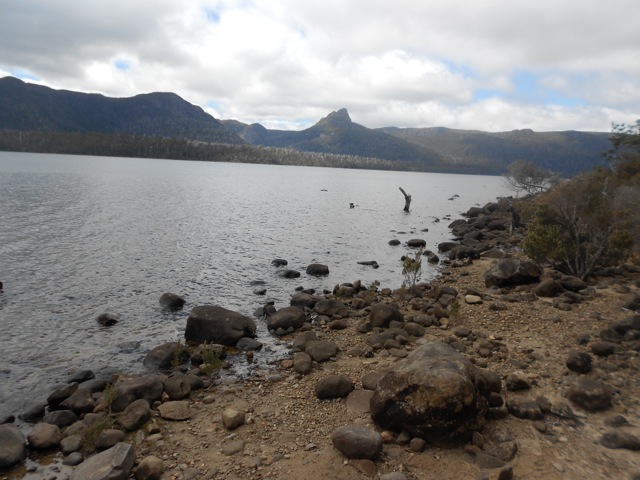
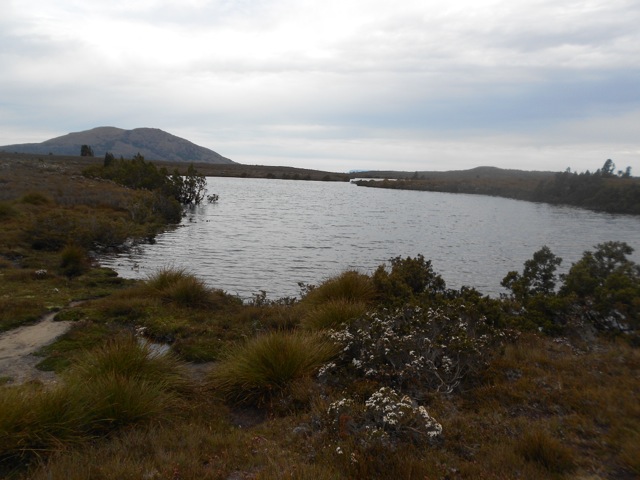
The rest of the walk passed quickly through plains and I headed downhill past the lake where a couple of people swam.
wpid-dscn1091-2013-01-7-13-42.jpg

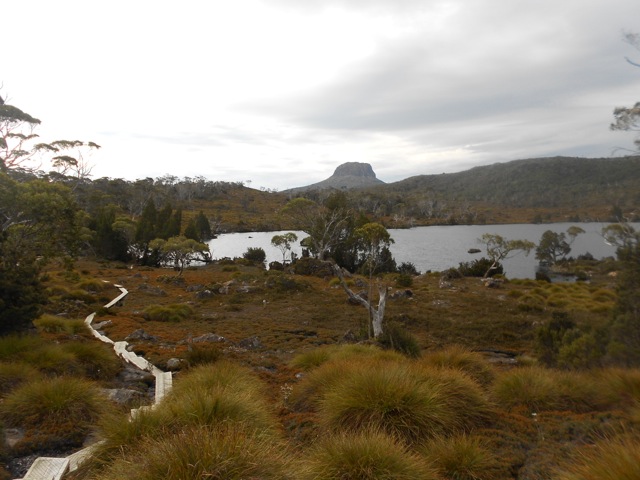
Arriving at the hut, I set up for the evening, and when The Brits arrived, we headed down to the lake.
wpid-dscn1095-2013-01-7-13-42.jpg

We stripped down to our smalls and leapt into the icy waters. Once you go numb, you don’t feel the cold anymore! Getting out was warmer and we sat around in the warmer breeze drying off before heading back to the hut.

The Lone Trail Wanderer
Overland Track Day 1 – Cradle Valley to Waterfall Valley

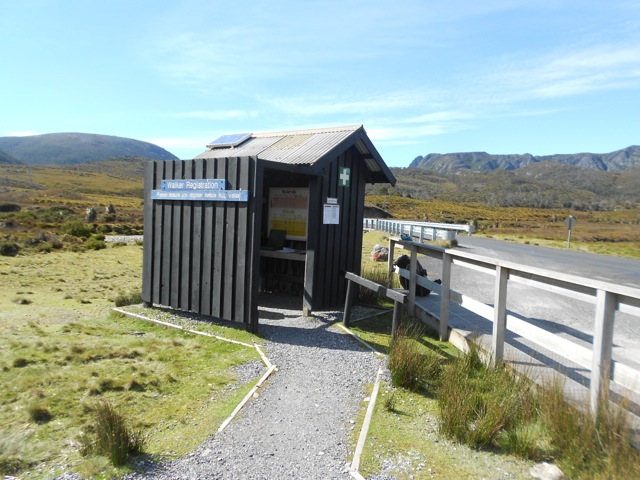
After a cold night in my tent, Tasmania put on a brilliant day for this the first day of my hike. I headed over to the information centre to wait for the bus to Ronny Creek, having sorted out my hiking passes last night.

wpid-dscn1018-2013-01-7-17-12.jpg

Ronny Creek is the official start point of the trail although there is an alternative – Dove Lake – which is a little shorter. I signed the book and headed out across the plains via a walking platform.

wpid-dscn1023-2013-01-7-17-12.jpg

To protect parts of the national park, there are board walks and platforms to walk along in many places. This helps with regrowth and stops deterioration, but does take away the true sense of hiking.

Day one of the hike is said to be the hardest. After the initial plains, the trail climbed into the hills. There are steps to aid walkers. The trail climbs through the forest until it reaches Crater Falls – a short series of waterfalls flowing down from Crater Lake.
wpid-dscn1032-2013-01-7-17-12.jpg

I continued to climb and once over a crest, I came to an old wooden shed. As I went past, Crater Lake came into view surrounded on most sides by rocky walls. It looks amazing. Crater Lake is not actually in the crater of a volcano, it just looks like it. It’s actually formed by glacial movements, like most of the park.

wpid-dscn1035-2013-01-7-17-12.jpg

The trail skirts the eastern side of the lake, climbing to what is deemed the hardest climb of the trail – not including the side trails – up to Marion’s Lookout. There are even chains to help walkers climb the rocky ground to the top, while I don’t personally think they are needed, there are numerous day walkers climbing here that likely would.

As you climb to the lookout, the rocky fingers of Cradle Mountain protrude from the plateau a couple of kilometres to the south.

wpid-dscn1054-2013-01-7-17-12.jpg

The Lookout gives good views of Crater Lake, Dove Lake and the plains to the north. I stopped for a snack before heading on.

wpid-dscn1039-2013-01-7-17-12.jpg

A couple of kilometres later I arrived at Kitchen Hut, a two story hut with outer doors on both levels, the 2nd level door for when deep snow surrounds it.

I left my pack here and with my day pack I set out to climb Cradle Mountain. At a junction I see a number of other packs left out on the open. Walkers are warned about leaving packs in the open without covers on. The Currawong – a large black bird similar to the crow but with yellow eyes and a white tipped tail – are known to open zips in search of food. The packs I later found out belonged to the Brits from Sydney and on their return from the mountain, they found zips open and their contents littered around them.

I met a girl at the base of the mountain, and we climbed together. The first part of the climb followed the trail steeply to a rocky portion, then it was bouldering – climbing over large boulders – following the trail around and up to what we thought was the summit. When we got there we could see that the trail continued down a saddle and then up the other side to the true summit. Climbing down to climb up is a confusing concept. So, we climbed the first spire and sat having lunch.

Finally, we persuaded ourselves to climb to the summit and it was well worth it. The views were amazing.

After lunch I left my companion and headed down. At the bottom I donned my pack and continued along the track. After the climb, my pack seemed suddenly heavier. I walked on along a thin track cut through a tree covered hillside towards Barn Bluff, a tall rocky bluff that just begged to be climbed.

The trail split about halfway to the bluff and headed downhill before zig zagging down a steeper section to eventually come out at Waterfall Valley Hut.

The main hut is about 100m from the tent areas and most people decided to camp leaving only 5 of us in the hut that sleeps 24.

Tomorrow I’ll tackle ‘The Barn’ before heading further along the trail…

The Lone Trail Wanderer
The Overland Track – 7 days in the Tasmanian wilderness

The Overland Track is perhaps the most famous multi-day hike in Australia. It’s walked by more than 8000 people every year and runs approximately 80km through the Cradle Mountain Lake Saint Clair National Park in mid-west Tasmania.

wpid-dscn1021-2013-01-7-17-09.jpg

The Overland Track is set up as a 5-7 day hike, but has plentiful options and can be walked quicker or slower as you please. 34 people are allowed to start the hike every day from the Cradle Mountain Information Centre to balance out the numbers each night at the hut and camping areas.

wpid-dscn1022-2013-01-7-17-09.jpg

Each day on the track is different, and each ends in a hut with surrounding camping sites. The huts can sleep 24 although New Pelion Hut can sleep up to 60. Untreated water and toilets at each hut (bring your own toilet paper).

wpid-dscn1049-2013-01-7-17-09.jpg

The Overland Track itself is a fairly easy hike and is a perfect introductory multi-day hike for those interested in getting into the sport. Day one is considered the hardest, but for seasoned hikers it’s not that challenging.

What adds challenges each day are the side tracks, which you can choose to do or skip. Many of the side trips will have you climbing one of the many iconic mountains in the park. Most days on the trail have you walking approximately 10km not including side trips, so you’re not actually walking a lot.

wpid-dscn1141-2013-01-7-17-09.jpg

But while the hiking and the views are awesome, there’s more to the Overland Track experience. Because the track is booked out most days in summer, and you move from camp to camp, if you’re the sociable type most afternoons/evenings will be spent with the same groups of people. Groups can change when they skips a hut, but it evens itself out when a group that started after you skips your previous hut and spends the next days hiking to the same places as you. As I said, this was part of the experience and it truly added to mine. So, I’d like to thank the Brits, Greg and Kim and the Asian group from Sydney, the Victorian students, Annie from NT, the North Queenslanders, the Swiss couple, the Americans and everyone else who made this hike an experience for me.

wpid-dscn1202-2013-01-7-17-09.jpg

The next few posts then will describe my day to day journey across the Overland Track…

Mole Creek Adventure Caving – Tasmania

About 100km from Cradle Mountain is a place called Mole Creek. It’s known by many as Australia’s best Adventure caving region, and while I can’t dispute that, I’m happy just to go do some Spelunking.

I’d prearranged to do a full day adventure caving session, which takes us through only 2 of there many different cave systems. The group I organised through is Wild Cave Tours and can be found at: www.wildcavetours.com

wpid-dscn0915-2013-01-7-12-29.jpg

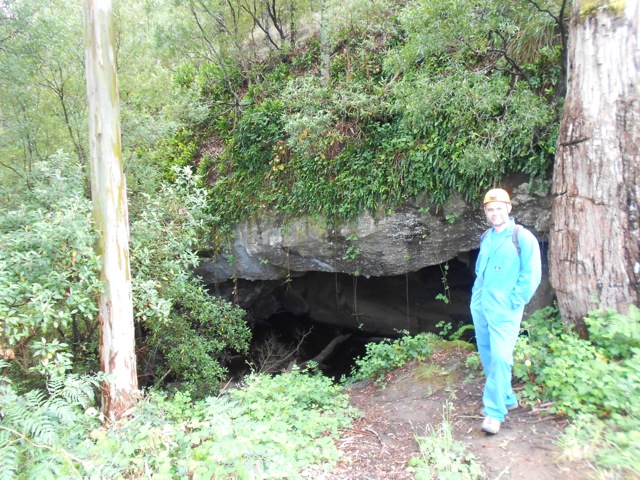
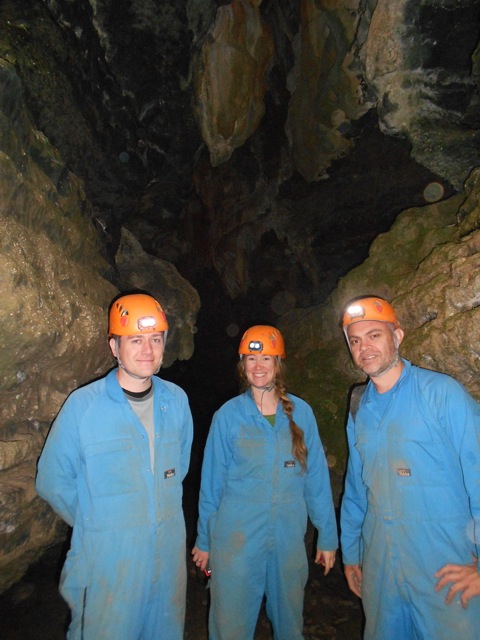
The difference between Show Caving and Adventure Caving is how the caves have been set up for tours. In Show Caves, tourists wander through pre lit caves, often with steps carved into the floor and just have to walk or perhaps stoop a little. In Adventure Caving you don the overalls, clip on a helmet with a head torch and crawl, scramble, wiggle and slide around the caves. It can be dirty but fun…

wpid-dscn0962-2013-01-7-12-29.jpg

As it was raining and cold outside the three of us Spelunkers chose Honeycomb Cave and Sassafras Cave. If the weather had been better we’d have likely chosen caves that were more challenging, but rain makes cave entrances slippery and river caves very cold.

Honeycomb Cave
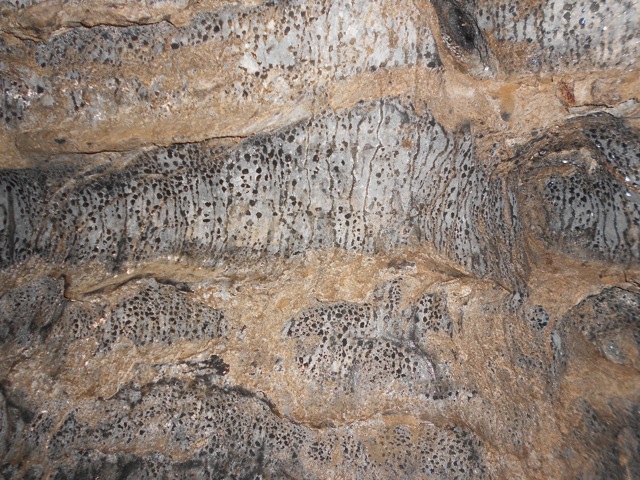
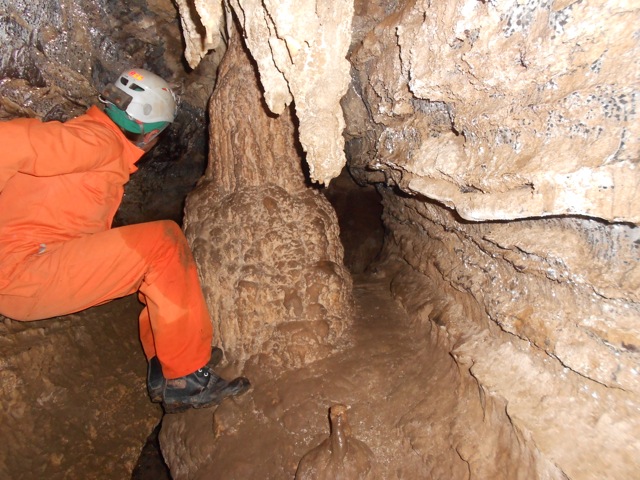
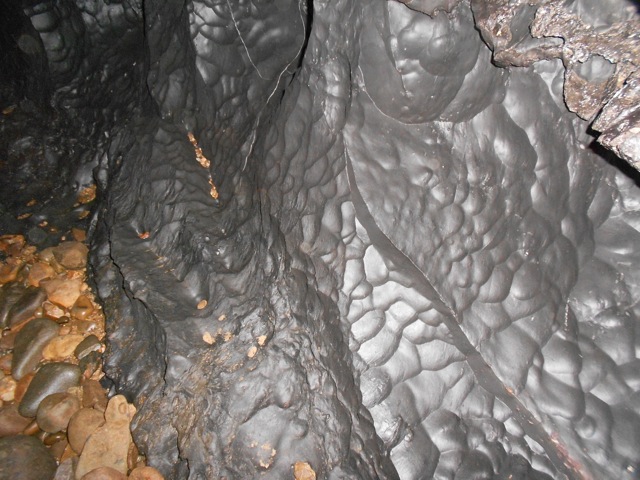
As the name would suggest, there is a honeycomb of tunnels on multiple levels with various different limestone formations…

wpid-dscn0931-2013-01-7-12-29.jpg

…some that needed to be squeezed through…

wpid-dscn0933-2013-01-7-12-29.jpg

…some with interesting coloration…

wpid-dscn0934-2013-01-7-12-29.jpg

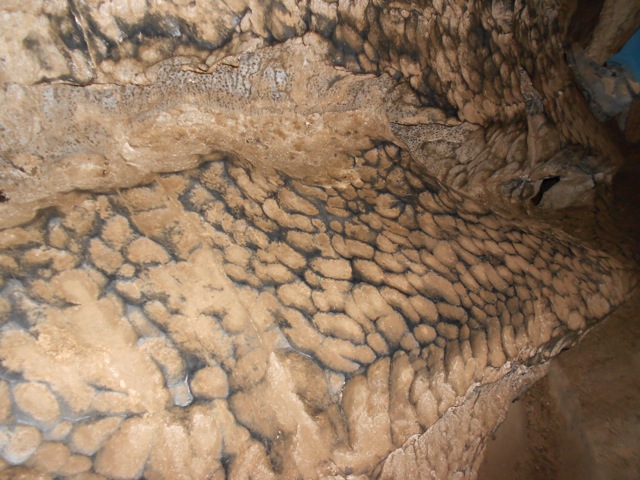
… scolloping…

wpid-dscn0937-2013-01-7-12-29.jpg

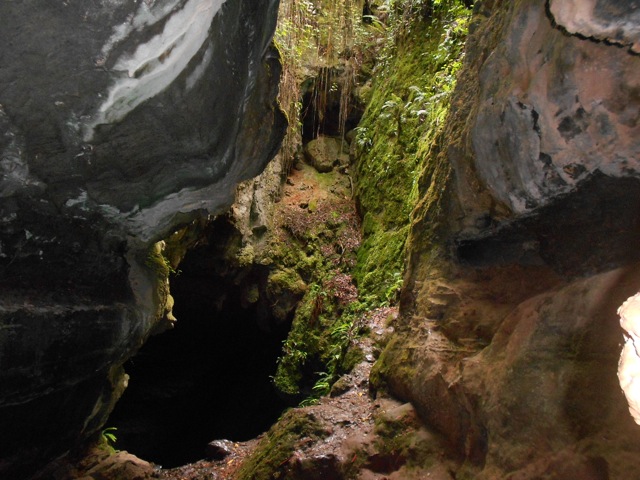
and the occasional daylight holes contain relict rain forests.

wpid-dscn0929-2013-01-7-12-29.jpg

Sassafras Cave
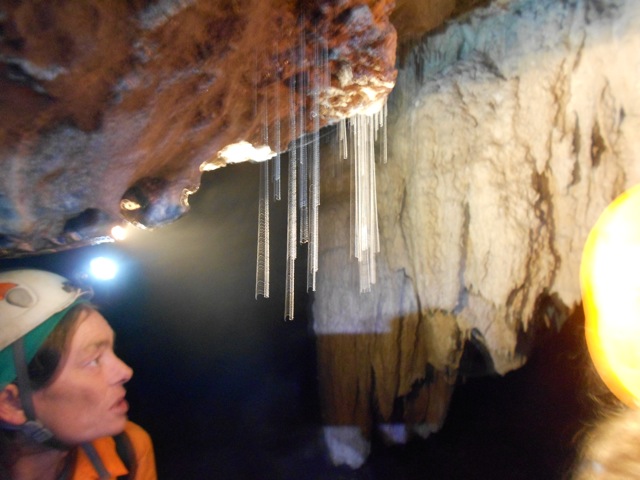
This was a different style of cave than the honeycomb. It was a long and low ceilinged with many glow worms along its length, most of them with their tell tail hanging strings.

wpid-dscn0969-2013-01-7-12-29.jpg

At one stage, in a grand cathedral cave, we turned off our lights for quite some time, and sat in the dark as our cave leader played the flute. Not only are the acoustics great, but glow worms seems to respond to the sound. Very meditative.

The tour comes with morning and afternoon tea and a great lunch. Well worth the money if you’re in the area and not too claustrophobic.

Next I’m off to do Australia’s most famous hike…The Overland Track.

The Cave Wanderer