Tag Archives: Nature

Bachan Caves – Snowy River National Park

As a planned rest stop after Wilsons Promontory I stopped off at Bachan to check out the caves. I hadn’t organised adventure caving, so was going to just do a standard tour.

There are two cave tours at Buchan. They were discovered in the late 1800s when looking for cave systems to match the tourism of New South Wales.

Both tours had a full compliment of 25 on them, so were rather busy and noisy.

The Fairy Cave

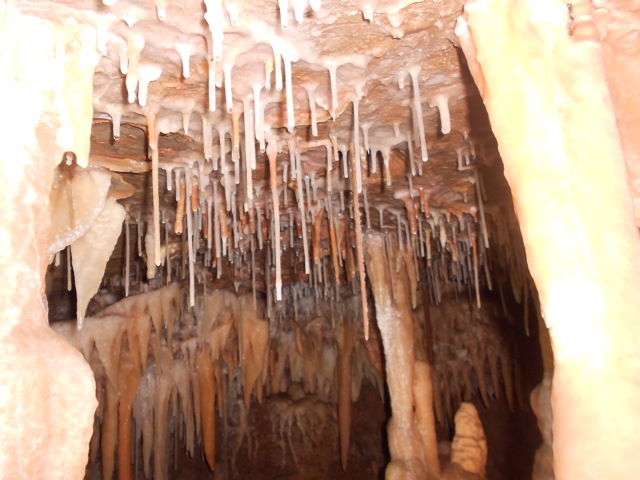
Roof formations:
wpid-dscn1272-2013-01-12-14-09.jpg

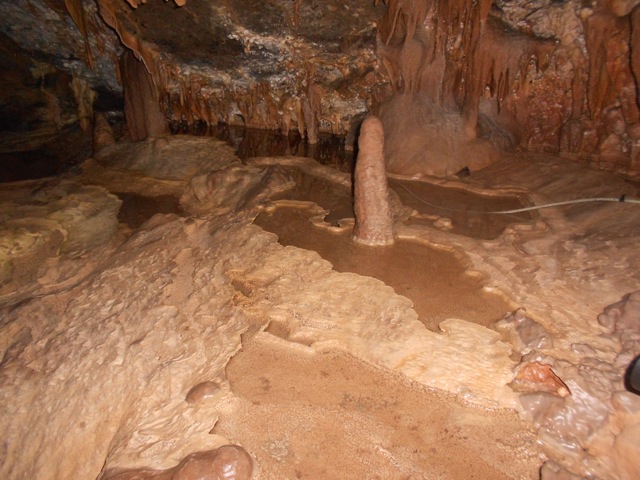
Columns forming:
wpid-dscn1286-2013-01-12-14-09.jpg

Stalactite garden:
wpid-dscn1290-2013-01-12-14-09.jpg

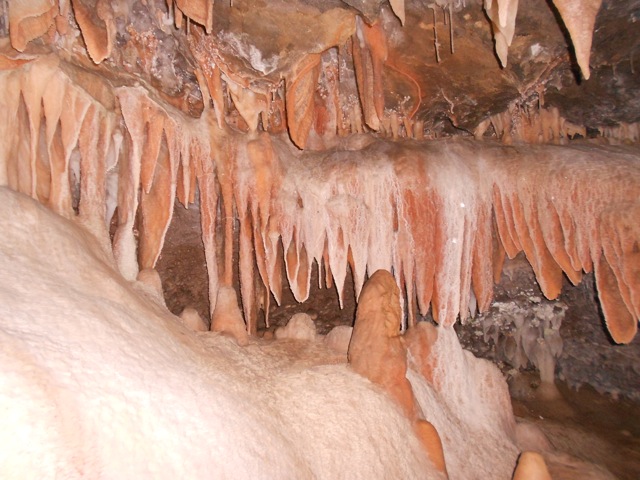
Stone ribbons… With a light on the other side they can be seen through. Also called bacon strips.
wpid-dscn1303-2013-01-12-14-09.jpg

A frisky floor:
wpid-dscn1305-2013-01-12-14-09.jpg

The Royal Cave

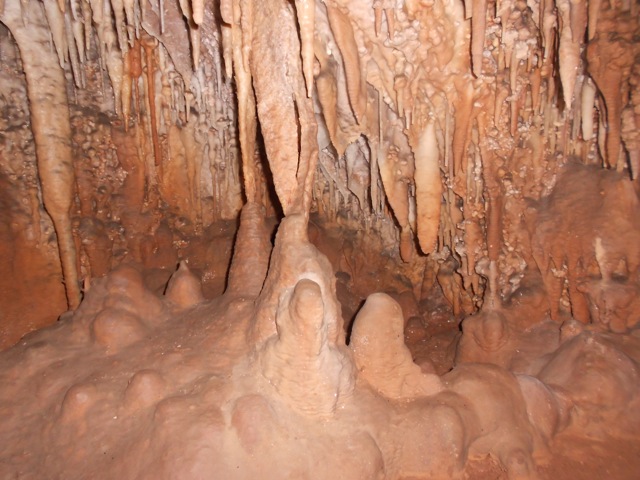
Rock ears:
wpid-dscn1332-2013-01-12-14-09.jpg

Rock straws forming:
wpid-dscn1341-2013-01-12-14-09.jpg

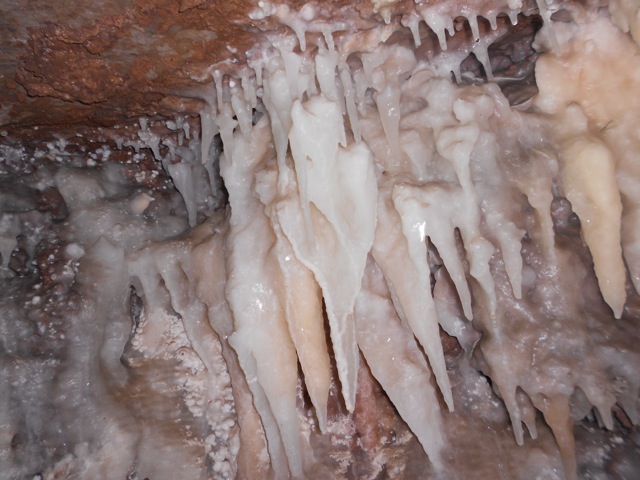
Pure calcium carbonate – ancient fossils – form the wax coloured formations:
wpid-dscn1342-2013-01-12-14-09.jpg

Crystal structures:
wpid-dscn1356-2013-01-12-14-09.jpg

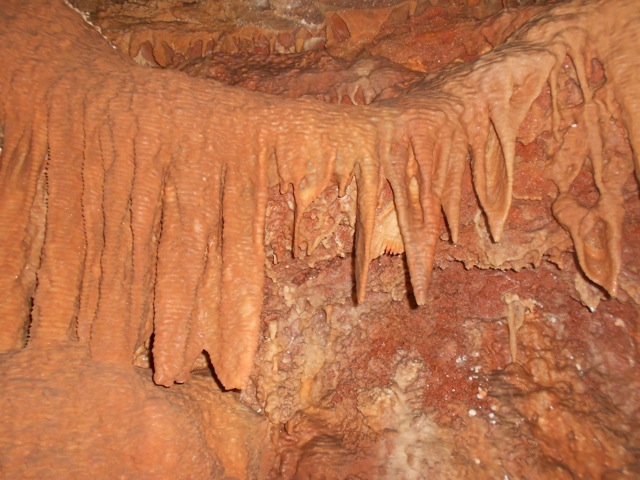
Redness means iron deposits:
wpid-dscn1374-2013-01-12-14-09.jpg

Next, I’m off to Mt Beauty for a couple of days of rest before climbing Mt Bogong – tallest mountain in Victoria – on the Bogong high plains.

The Cave Wanderer

Wilsons Promontory – Victoria

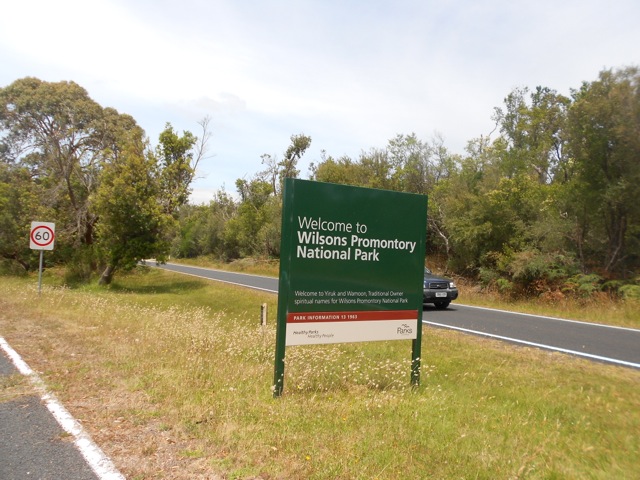
Wilsons Promontory is the southern most tip of mainland Australia and is also known as the South-East Cape. Located about 200km south east of Melbourne, it’s a common holiday destination. In fact, it’s so popular, each year there’s a ballot for the many camping spots at Tidal River, the township on The Prom.
wpid-dscn1209-2013-01-12-12-50.jpg

There are several walking tracks around The Prom on both the north and south sides. I’ll be walking the south side, merging two 2-day hikes into a 3-day one.

Day 1 – Telegraph Saddle to Little Waterloo Bay
I parked The Pointy Brick in the Overnight Hiker’s car park just outside Tidal River and prepared for the walk. A shuttle bus leaves Tidal River via the car park every 15 minutes, so when I was ready, I waited and was transported up the hill to Oberon car park at Telegraph Saddle.

Originally, I was going to walk across The Prom to Sealer’s Cove and around the bay working my way to Little Waterloo Bay, but since the floods of May 2011 – 19 months ago – the track has been closed. I discovered this during the week before and planned accordingly although this meant my first day was shorter and easier.

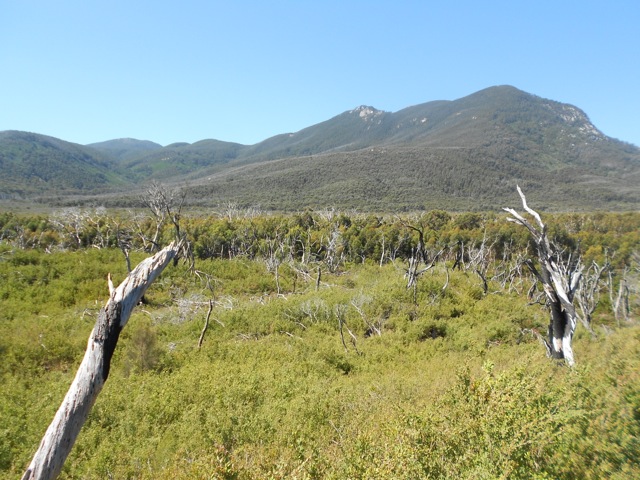
I headed down the centre of the southern end of The Prom via a gravel road. The road continues all the way to the Lighthouse, which is tomorrow’s lunch destination. I walked along the road gently downhill for about 6km through the mountains.
wpid-dscn1213-2013-01-12-12-50.jpg

The mountains here are different to those of Tasmania, they’re mainly tree covered and those that aren’t are large smooth boulder covered mounds. In fact, one of the mountains is called Boulder Mountain.

The turn off to Waterloo Bay is a sandy track that meanders gently through a gap in the mountains and past a tree covered rocky outcrop called The Mussolini Rocks, but I don’t see the likeness.
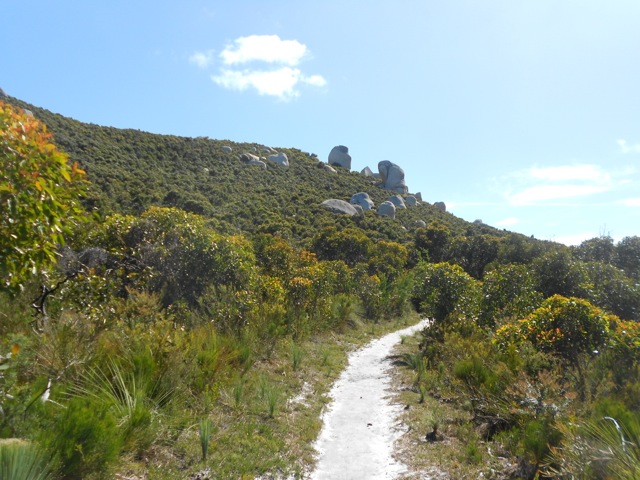
wpid-dscn1216-2013-01-12-12-50.jpg

Eventually the track arrived at Waterloo Bay – a beach of pristine white sands and azure blue water.

wpid-dscn1219-2013-01-12-12-50.jpg

Little Waterloo Bay is a kilometre away on the other side of a jutting rocky outcrop. When I arrived, I discovered many people were already here. I found a spot, set up my tent and went to the beach where I sat reading on a set of boulders.

wpid-dscn1226-2013-01-12-12-50.jpg

Day 2 – Little Waterloo Bay to Roaring Meg
Many people had departed before me this morning, most heading around the coast towards Sealer’s Cove (the cove isn’t closed, only the trail to it from Telegraph Saddle).

I walked back to the junction and then along the beach for a kilometre. Sand is perhaps one of the hardest surfaces to walk on and it’s slow going. At the end of the beach the trail headed up the mountain on a sandy path. The constant climbing was a change from none at all yesterday. There were a couple of good vantage points as I walked.
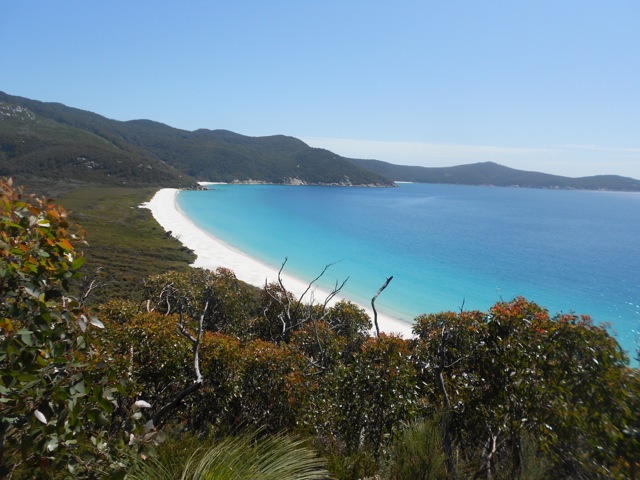
wpid-dscn1227-2013-01-12-12-50.jpg

At the top of the mountain the trail flattened out giving some good views out to the south and the small rocky islands in the distance.
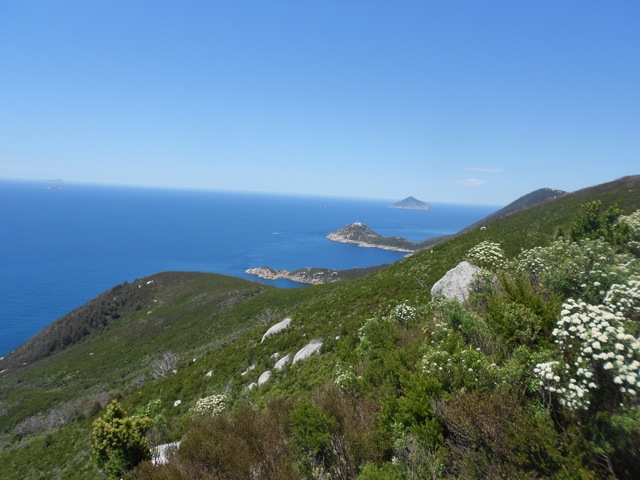
wpid-dscn1232-2013-01-12-12-50.jpg

I rested on a large smooth boulder before heading off again, with my aim to be at the lighthouse by lunchtime. The trail began slowly downhill before climbing again around the sides of two other mountains. It cut through the forest and along a steep cliff line before arriving at the junction to the lighthouse.

I hid my pack and with day pack I made my way downhill towards a set of Remarkable Rocks similar to those I’d seen on Kangaroo Island.
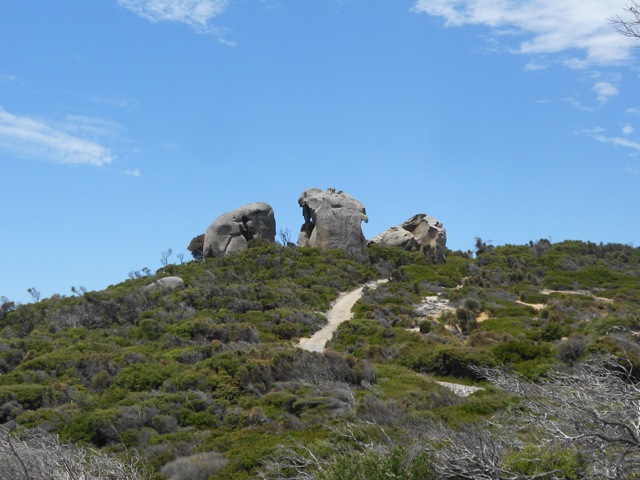
wpid-dscn1237-2013-01-12-12-50.jpg

To get to the lighthouse, there’s a very steep concrete road which was used to transport supplies from the beach below. You can book to stay at the lighthouse, but I hadn’t so was just visiting. While I was there, I ran into the ranger who offered me a jug of ice water! Real treated water and ice, it’s almost like having a pub on the trail, just without beer.
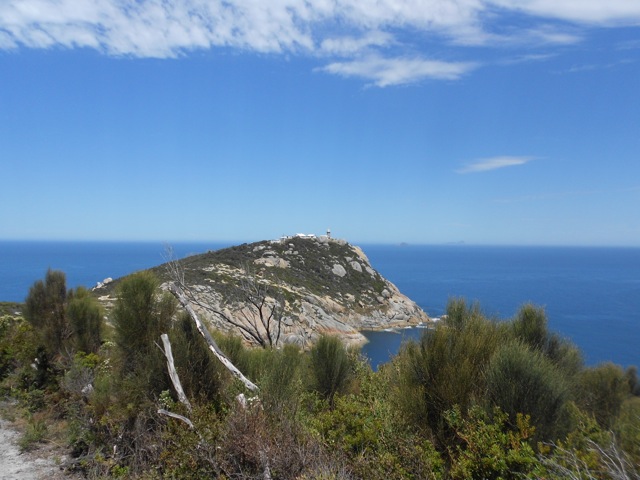
wpid-dscn1250-2013-01-12-12-50.jpg

After lunch, I returned to my pack and continued on. For the first hour, I climbed around the mountains at the southern edge of The Prom working my way up to the plateau. After a couple of flat kilometres, there was a series of steep ups and downs before finally crossing a stream via a wooden bridge and into Roaring Meg, a two level camping area.

I set up my tent at the bottom near the stream before being invited for a mug of tea with a couple of older gents who were already camping.

Day 3 – Roaring Meg to Tidal River
Today was forecast to be a hot one, so I was glad my route took me via Oberon Bay beach. The trail headed me briefly uphill before it met the road and then wound its way back to the junction I’d left to get to Waterloo Bay.

On the way down from the mountains, I came across a foot long grass snake in the middle of the road. I stopped for a brief chat as it slithered across.
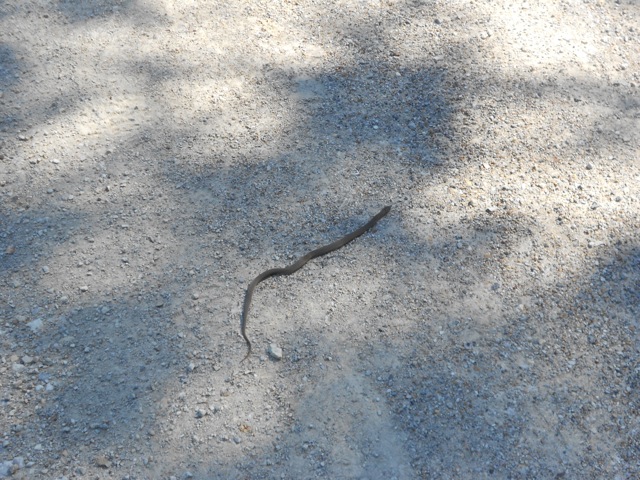
wpid-dscn1256-2013-01-12-12-50.jpg

The heat was already in the air as I arrived at Halfway Hut and decided to stop for morning tea. I was sitting on a log at the side of an empty campsite when I looked up to see a metre long Tiger Snake slithering not a metre away. I, of course, followed it but it went into the brush before I could get a photo. Snakes aren’t scary and they generally only bite as a defensive measure, usually when you stand on them. There’s a trick to snakes, don’t stand on them.
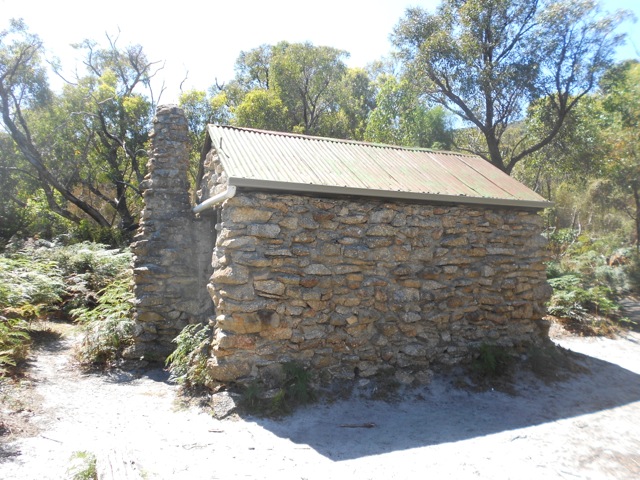
wpid-dscn1259-2013-01-12-12-50.jpg

Twenty minutes later I came to the turn off and headed west towards Oberon Bay. The road turned to sand and became hard going. Thankfully there were plentiful tree covered areas for me to stop in the 5km to the beach as it was starting to become very hot.
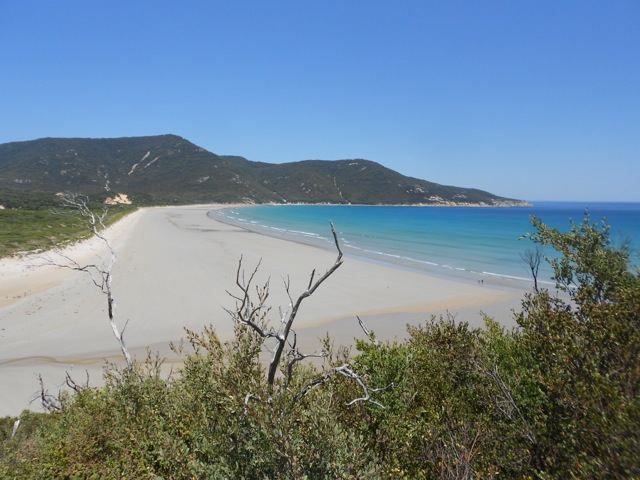
wpid-dscn1264-2013-01-12-12-50.jpg

At the end of the trail was the beach, not as picturesque as Waterloo Bay, but it was water. I walked 500m to the end before stripping off and getting in. The water was beautiful but by the time I got back to my clothes and dressed I was sweating again. I ate a quick lunch before setting off on the final 7km around the bays to town.

By now, the heat was draining as I reached Little Oberon Bay and crossed it. On the far end, there’s a dune to climb to get back to the trail. The effort took it from me and I had to rest at the end, almost throwing up from the over exertion in the heat. It was only 4km to go and I discovered my water was hot. I sat in some shade at the top of the dune for about 30 minutes trying to dry off and recover. When I was ready, I headed on again. There was more climbing to be done before the end and I dragged myself 500m at a time before having to stop for a rest and cool off.

wpid-dscn1267-2013-01-12-12-50.jpg

I came around the point and could see Norman Beach in front of Tidal River which gave me hope, so I staggered on. I stopped once before the beach, once at the beach and once on the way to the car park. I was relieved when I finally got to the Pointy Brick. After changing, I headed to Tidal River for a cold drink, and ice block and then a swim in the sea.

It turned out to be 44 degrees that day. I decided to take a few days off before my next hike – Mt Bogong and Big River in the Central Victorian Highlands.

The Lone Trail Wanderer.
Overland Track Day 7 – Pine Valley to Cynthia Bay

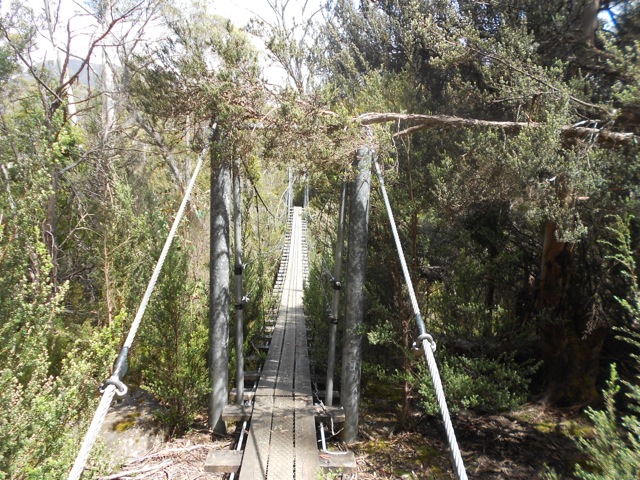
I’d planned to climb the Acropolis this morning – one of the last climbable mountain on the trail – but rain had fallen all night. My plans also had me staying on the trail one more day, but with the rain, I decided to walk out. So, packing the wet tent, I headed off across the pair of suspension bridges to the junction, then across a river…

wpid-dscn1199-2013-01-8-17-27.jpg

It did not take long to get to Narsassus Hut, where I’d planned to stay the night. I stopped for a bite of lunch then pushed on.

wpid-dscn1201-2013-01-8-17-27.jpg

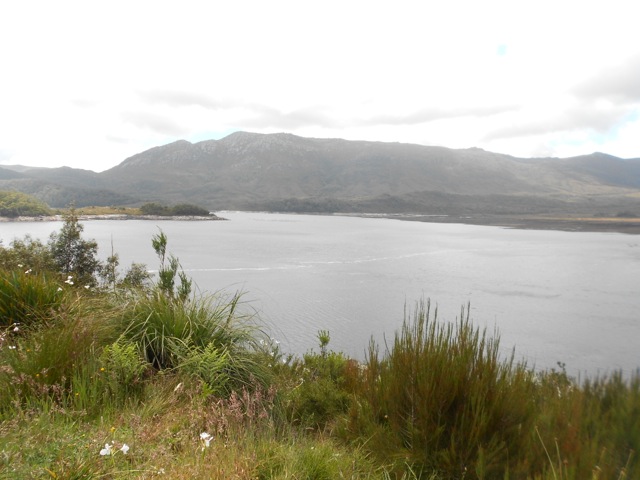
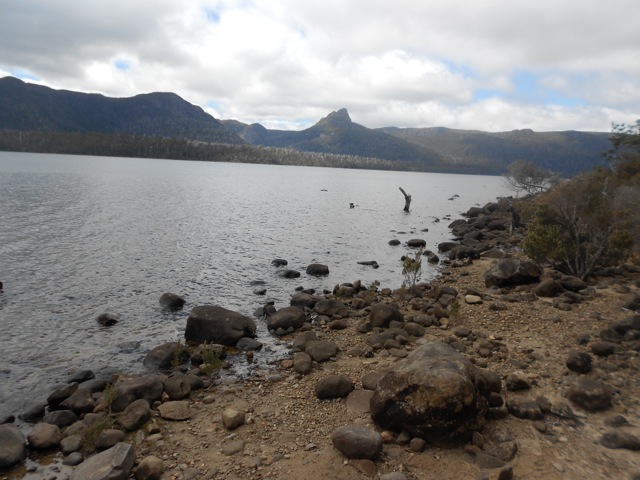
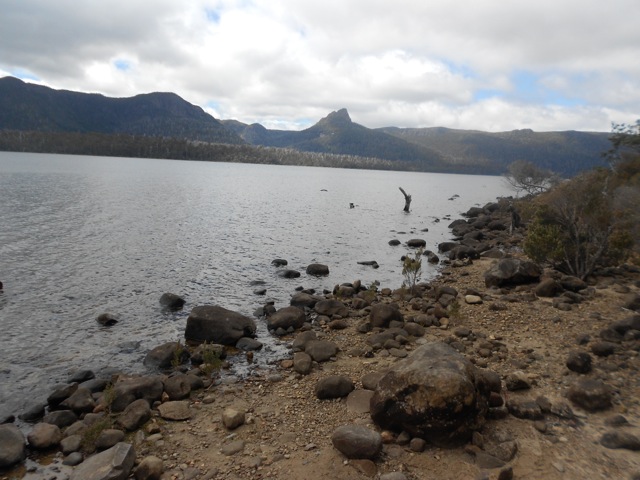
The lake quickly came into view as I walked through the forest along its side, walking around large muddy patches as I went.

wpid-dscn1202-2013-01-8-17-27.jpg

Two hours on from Narsassus hut I came to Echo Point Hut, and called for the ferry. Half an hour later I stood on the wharf at the end of the Overland Track.

wpid-dscn1203-2013-01-8-17-27.jpg

It wasn’t how I’d intended to finish, but with the changeable nature of Tasmanian weather, it was for the best.

Afterwards, I enjoyed a hot shower and a steak dinner with the Brits as we chatted about our experiences.

Overall, I enjoyed the hike in all of its different parts, and while I’d have preferred more open spaces and less forests, I’d still recommend this hike to anyone wanting to get into the sport. It has something for everyone, beginners and experienced walkers, allowing you to chose the difficulty of most days as you go.

Next, I drive back across Tasmania, catch the ferry back to Melbourne and head to Wilsons Promontory, also know as the South-east Cape, the southernmost tip of Mainland Australia. There I’m back into my boots and hitting a three day trail.

The Lone Trail Wanderer.
Overland Track Day 6 – Windy Ridge to Pine Valley

Pine Valley isn’t officially part of the Overland Track but most people on the trail choose to walk there. It’s also a popular destination for one night visits, as it’s close to Cynthia Bay at the end of trail.

The walk to the junction was fairly flat and encased in forest. I walked with a british couple – Greg and Kim – to start with but after the junction that headed off the main trail, I went on alone making better time to the hut, and crossing a pair of suspension bridges on the way.

wpid-dscn1176-2013-01-8-17-12.jpg

On arrival I found the hut was very busy so, for the first time on the hike, I decided to pitch my tent. It was a nice day…why not. Once set up, I stopped for lunch as Annie from NT arrived. She pitched her tent next to mine and together, we decided to climb to a plateau known as the Labyrinth.

wpid-dscn1178-2013-01-8-17-12.jpg

The pair of us followed a vague trail through the tall gloomy rainforest until we came to the hill and began slowly climbing. We climbed up a steep and sometimes slippery rocky stream and across to the other side. The markers then ceased and we climbed through a thin but fairly obvious section of trail that seemed to climb forever. It’s easy to lose your sense of scale on a climb when you’re shrouded in trees. It’s far easier when you can see the top as you go.
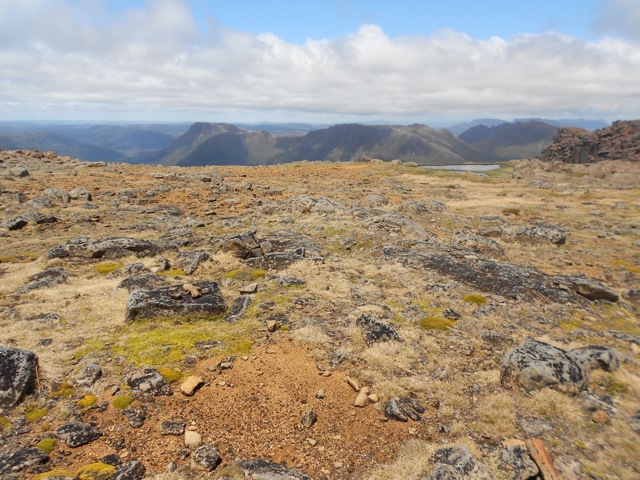
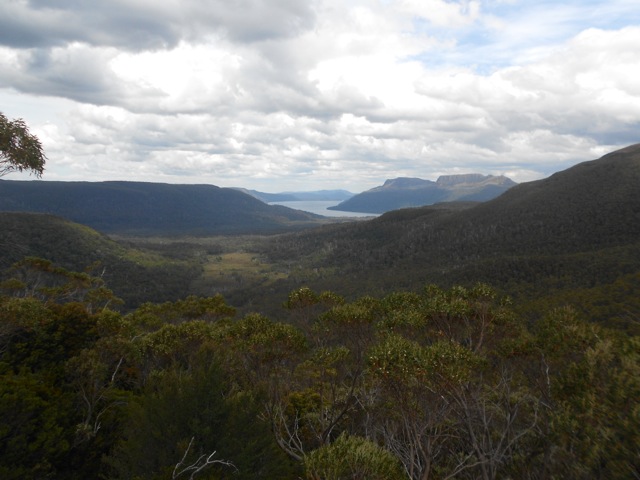
We eventually arrive at the plateau and stopped for a break. Behind us, our first views of Lake Saint Clair, the end point of the adventure.

wpid-dscn1184-2013-01-8-17-12.jpg

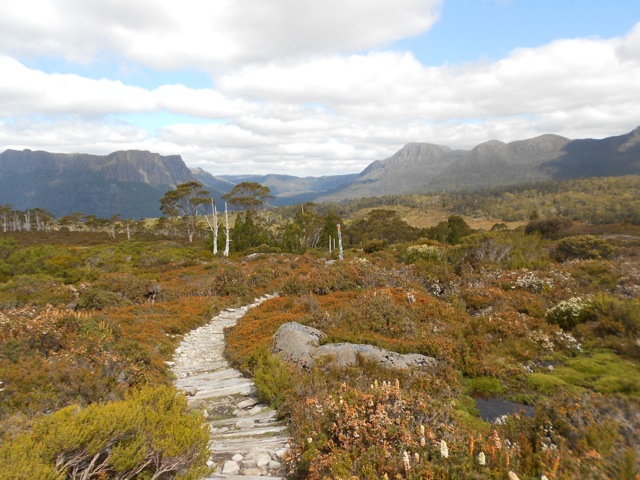
Fifteen minutes later it began to rain. Yup, the first time I pitch a tent it decides to rain. We donned our rain jackets – which also serve as wind breakers – and continue on across the plateau following the plentiful cairns. The cairns led us deeper into the plateau where there are tales of a lady having gone missing some years earlier. They found her tent and pack, but no sign of her body. The cairns walked us past tarns…
wpid-dscn1185-2013-01-8-17-12.jpg

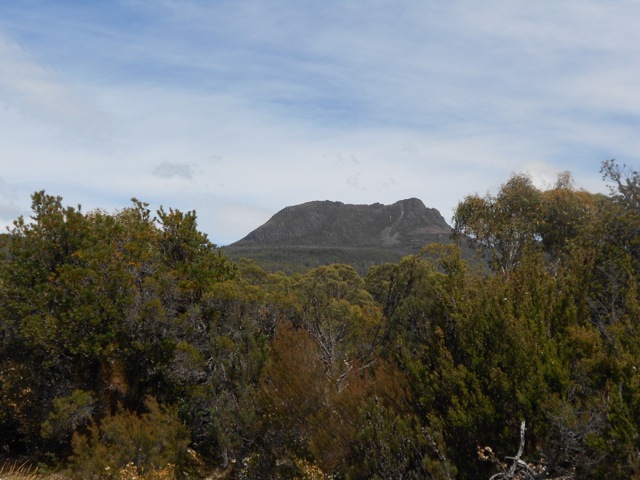
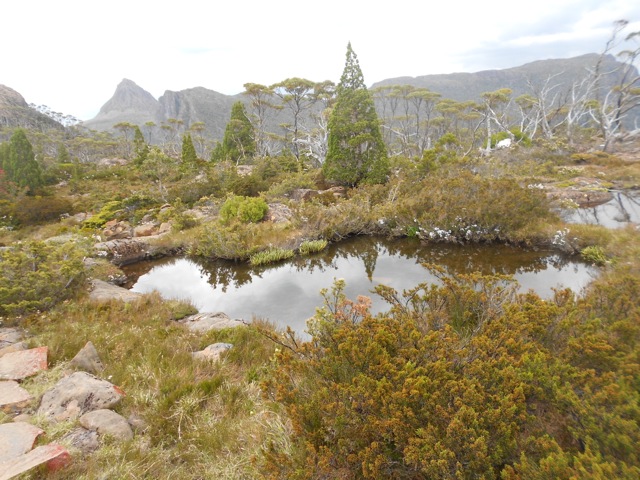
…and rocky outcrops alongside a ridge line known as the Parthenon. Beyond the ridge a mountain known as The Acropolis which I plan to climb tomorrow if the rain eases overnight.

wpid-dscn1197-2013-01-8-17-12.jpg

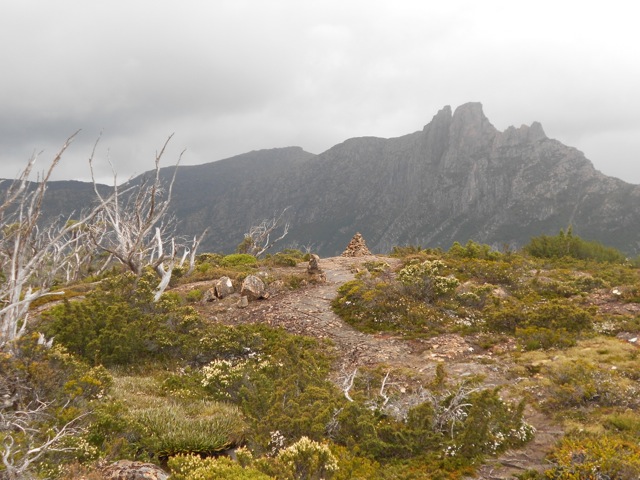
We picked our way along and then down into a small valley where the trail split and a sign pointed us either towards Lake Elysia or The Labyrinth Lookout. We headed along the trail towards the lookout and as it began to rain, we climbed the knoll following the cairns, some of them quite elaborately constructed.

wpid-dscn1189-2013-01-8-17-12.jpg

We followed the trail until we came to a giant cairn.

wpid-dscn1198-2013-01-8-17-12.jpg

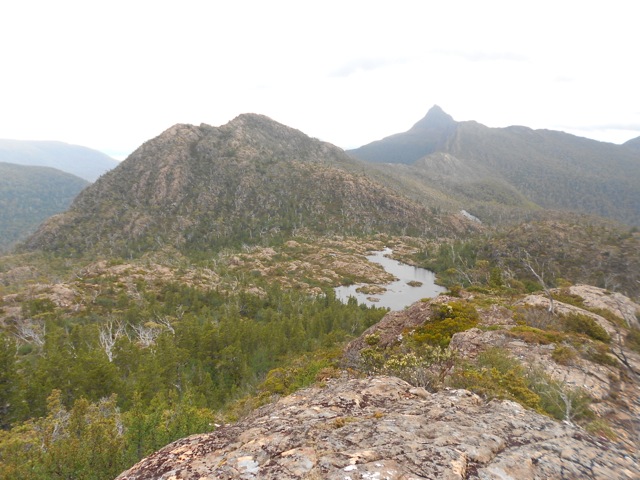
Which gave good views of the lake and labyrinth.

wpid-1____dscn1194-2013-01-8-17-12.jpg

The Labyrinth gets its name from the many forested paths running through rocky areas of the plateau where tarns and lakes are scattered. I’m not sure how you could get lost, as simply climbing one of the many smooth rock mounds would give you a good view of the area, although perhaps in low cloud…

And with our own set of low clouds coming in, we decided to head back, although we were both keen to be covered and to pick our way in the gloom, but the clouds were not low enough.

We descended from the plateau slowly on the more slippery track and eventually made it to the bottom.

Tomorrow, as I mentioned, I plan to climb the Acropolis and then walk on to Narsussus hut on the shores of Lake St Clair.

The Lone Trail Wanderer

Overland Track Day 5 – Kia Ora to Windy Ridge

From this part of the hike onwards, much of the trail is through different types of forest: Rain forest, Myrtle forest and dry Euclypt Forests. I’ve hiked through plentiful forests in my travels and when compared to my preferred wide open spaces and mountain vistas, being constantly surrounded by trees instills a sense of being closed in. So, I wasn’t looking forward to this half of the trail as much as the first half.

wpid-dscn1154-2013-01-8-14-451.jpg

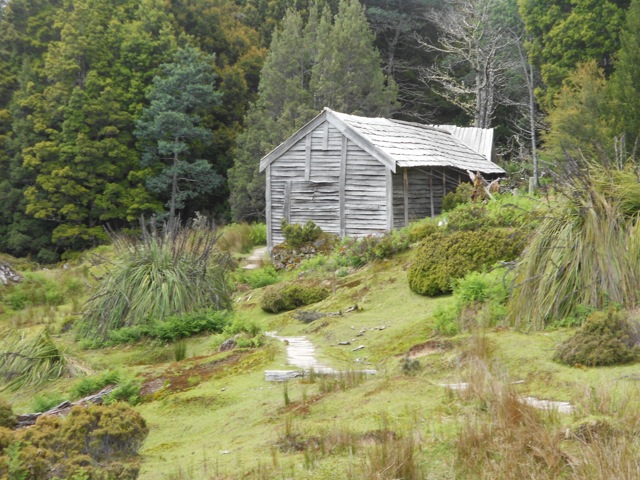
Then again, this stage of the hike is known as the waterfall walk, as there are several large waterfalls on side tracks. This part of the track also seemed to be the busiest. The first stop on the trail is Du Cane hut, an old hut on the trail belonging to an aged trapper that worked in this areas many decades ago.

wpid-dscn1156-2013-01-8-14-451.jpg

After a pause at the hut I continued along the trail. 30 minutes later I arrived at the junction to the first of the falls. There were already plentiful packs left at the junction, so I added mine to the group and headed down the long side trail to another junction.

wpid-dscn1158-2013-01-8-14-45.jpg

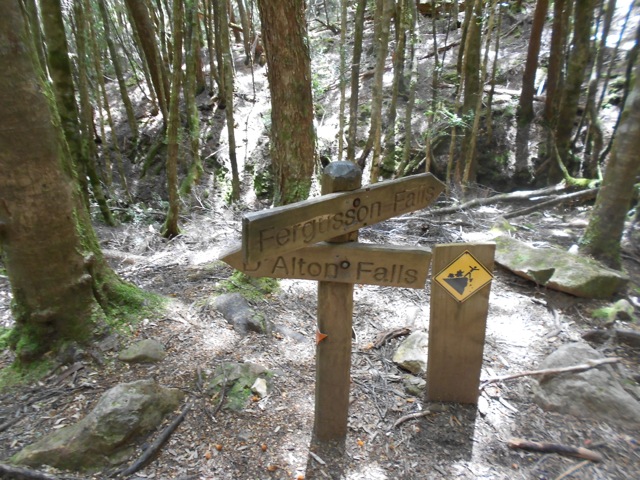
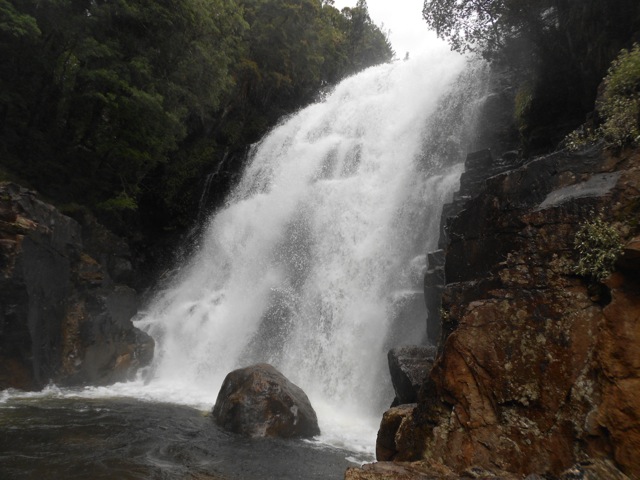
Then an easy walk to D’alton Falls…

wpid-dscn1159-2013-01-8-14-45.jpg

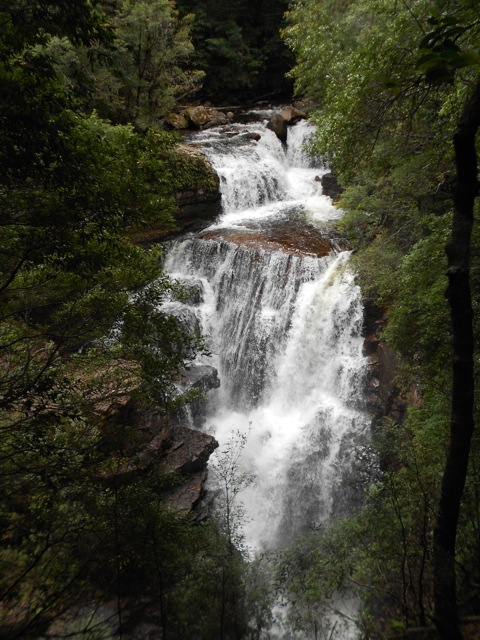
…and Fergusson Falls, where I had to climb down a rocky bank to get a better look.

wpid-dscn1171-2013-01-8-14-45.jpg

A further 30 minutes down the track, I came to the junction of Hartnell Falls – the largest` set of falls in the area. Unfortunately, there wasn’t a very easy view of the falls from the side, so I headed back to my pack and headed on.

wpid-dscn1174-2013-01-8-14-45.jpg

The rest of the day consisted of a climb through the forest up to Du Cane Gap past Falling Mountain, which you cannot see through the trees, then down again to Windy Ridge and the Bert Nichols hut. At the hut we discussed the reasoning behind the name Windy Ridge, but came to no firm conclusion since it’s not really a ridge and being immersed in forest, not really windy either.

I settled in for the evening, played a couple of games with my travelling companions and prepared for the walk tomorrow. I’m taking a side trail for the night to Pine Valley hut – a hut that is not actually on The Overland Track, but most people go there anyway.

The Lone Trail Wanderer

Overland Track Day 4 – Pelion to Kia Ora

Merry Christmas!

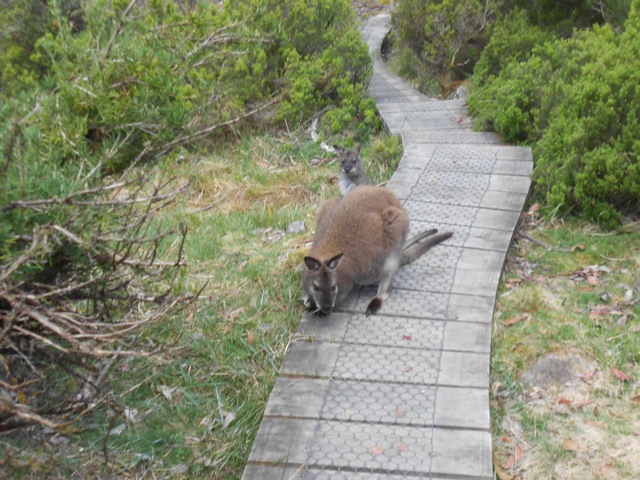
As I left the hut I stopped to have a chat with a Pademelon (like Wallabies only shorter and fatter) and its joey. You can almost hear them, ‘Ma, what’s that thing?’ ‘It’s a human, junior, just ignore it and it’ll go away.’

wpid-dscn1124-2013-01-8-14-001.jpg

While it started off a little cool and cloudy, it looks to burn of during the day. The walk to Kia Ora Hut today is only a short one. Kia Ora being a maori greeting, and the name was given because of a New Zealand member of one of the early expedition group across the plateau. The first two hours is through rainforest and climbs 300 metres over the course of 4km to Pelion Gap.

wpid-dscn1126-2013-01-8-14-001.jpg

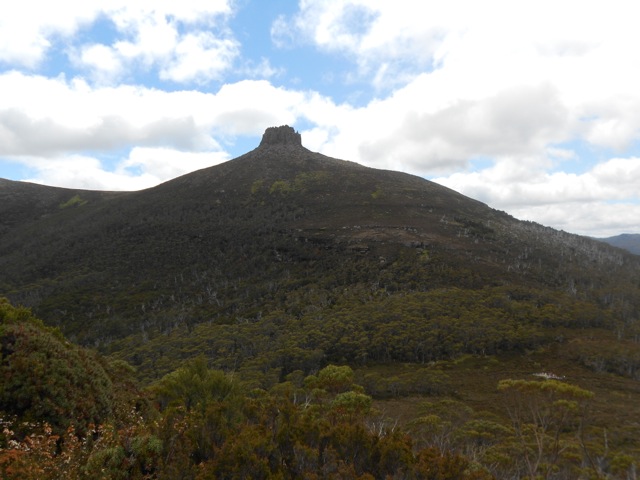
Pelion Gap is the highest point of today’s hike and as you come out of the forest, you come to a large wooden platform. Climbing up to the east is the rocky topped Pelion East, a smaller version of Barn Bluff.

wpid-dscn1134-2013-01-8-14-001.jpg

But on the other side is Mt Doris, which is a short rocky mountain on the way to the real attraction, Mt Ossa, Tasmania’s Tallest mountain.

wpid-dscn1137-2013-01-8-14-001.jpg

I rested on the platform and had a snack in preparation for the climb. As I waited, several other groups arrived, including the Brits, the Victorians, Annie from NT and a Private hiking group. The Brits and Annie were ready to go when I was, so together we headed off up the side of Mt Dorris. The climb wasn’t hard, skirting around the summit to the saddle between the two mountains. As we crossed the area, the clouds started to clear from the mountain.

Climbing Mt Ossa is similar to climbing The Barn, although the rocky bouldering began a lot higher on Mt Ossa. We were barely a third of the way up when I saw someone running down, showin it’s not a difficult climb higher up. We continued climbing and stopped to chat to the guy. He told us that the views were disappointing and better on the way to the top.

wpid-dscn1140-2013-01-8-14-001.jpg

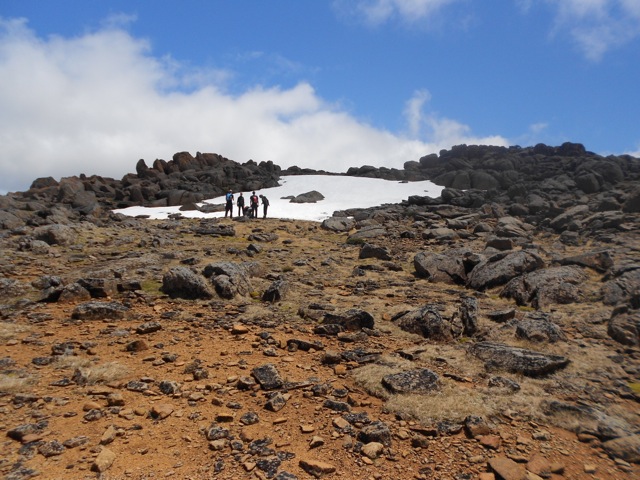
We reached the initial summit and realised that like Cradle Mountain, we had to climb down to climb up to the summit. When we finally crested the summit we were all pleasantly surprised. The clouds had cleared completely, and the top was a long flat area with a tarn on one side and a small area of snow on the other. After some photos in the snow I decided to phone my family to wish them a Merry Christmas. I hadn’t planned to be on the mountain on Christmas, it just kinda worked out that way.

wpid-dscn1141-2013-01-8-14-001.jpg

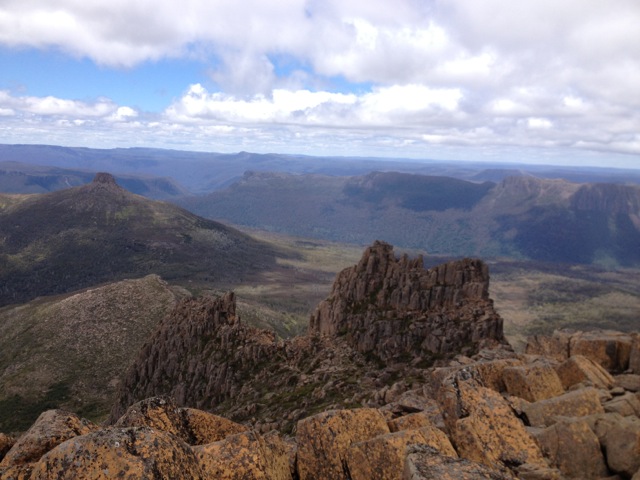
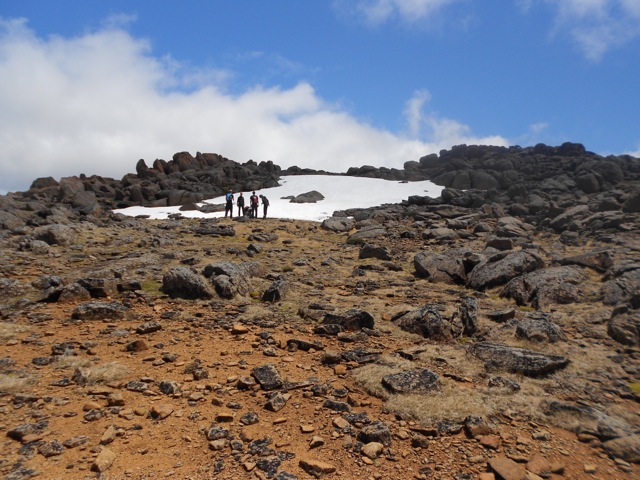
Unlike what the guy had said, the views from the top were the best I’ve seen on the walk. It was a 360 degree view…
wpid-img_1519-2013-01-8-14-00.jpg

…and the rows of mountains to the south were just amazing.

wpid-dscn1143-2013-01-8-14-00.jpg

Half an hour later, we all climbed down again. At the bottom we stopped for lunch before I again donned my pack and headed on alone. The short, hour long trip to Kia Ora was across the open valley surrounded by many mountains.

wpid-dscn1147-2013-01-8-14-00.jpg

Tomorrow I’m told is waterfall day…

The Lone Trail Wanderer

Overland Track Day 3 – Windermere Lake to Pelion

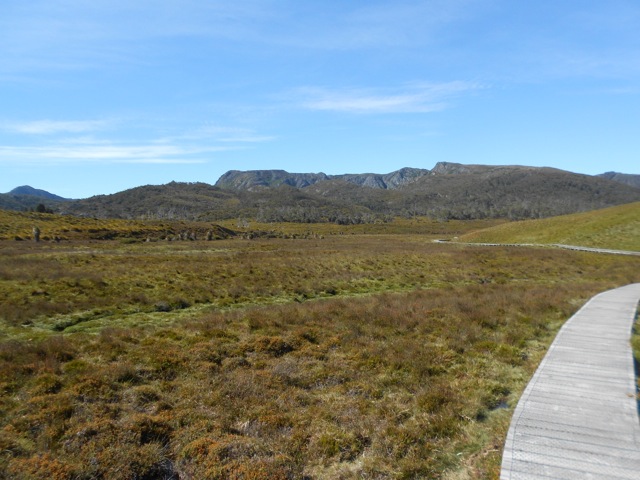
Today is the longest day of the hike at 17.5km. I set out early and began crossing some open moors on the now fairly standard boardwalk. Thankfully from time to time I got to walk on real ground – it makes you feel like you’re actually hiking!

Today is cold and the moors are surrounded by mountains, which gives it an awe inspiring feeling.
wpid-dscn1110-2013-01-7-14-121.jpg

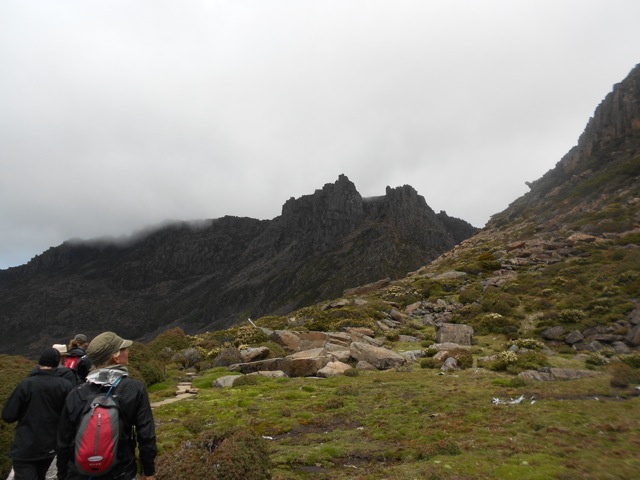
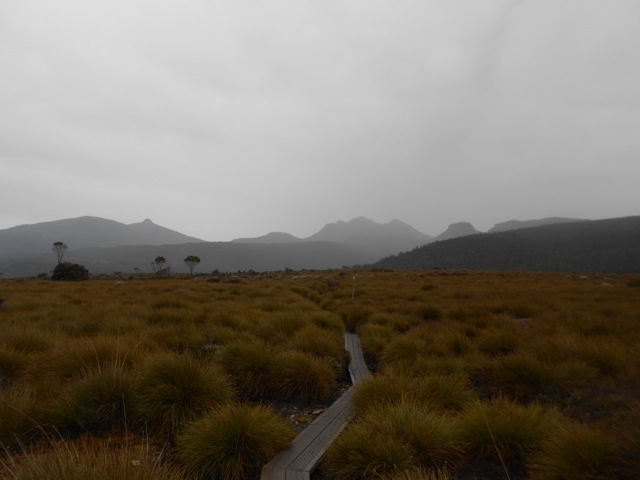
I love great open areas with mountains near and close. it gives you the sense of size and just how small you are. The low cloud hanging around the mountains give that mysterious and powerful feeling. With the gentle drizzle I walked on, Mt Pelion West standing out ahead of me in its rocky glory.

wpid-dscn1109-2013-01-7-14-121.jpg

The moors roll on to a forest covered knoll. I picked my way through on rocky steps.

wpid-dscn1106-2013-01-7-14-121.jpg

On the other side the boardwalk continued again to the
Forth Valley lookout, down a glacial valley.

wpid-dscn1101-2013-01-7-14-121.jpg

The trail then heads downhill towards Frog Flats for some time crossing some areas of mud, including one extreme mud patch. Hikers here are instructed not to walk around these as it widens the patches and destroys the vegetation. Tree branches are often thrown into the mud to walk along and for the most part ensure you don’t get too muddy. The extreme patch however was just crazy. You couldn’t walk around as the mud stretched off to the sides as well. A branch lay half way across, but when I walked to the end of it my boot sunk in ankle deep. Thankfully for my boot cuffs, no mud went inside. I did eventually find a path around the mud and continued, with mud caked boots.

wpid-dscn1116-2013-01-7-14-121.jpg

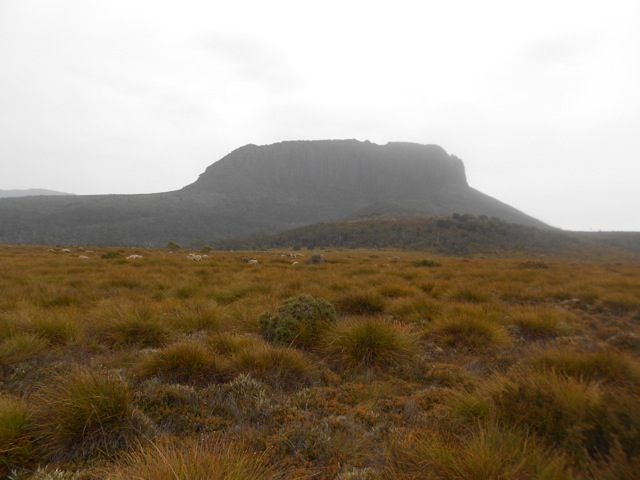
The trail descended and finally came to Frog flats for a few hundred metres of plains before the trees cover over again and the trail heads uphill along the muddy path. After a couple of kilometres I reached the Pelion plains under the awesome flat topped Mount Oakleigh. If it hadn’t been wet, I’d have climbed it, but alas I have to miss this one.

wpid-dscn1120-2013-01-7-14-121.jpg

Pelion Hut is a large one, sleeping 60. There is a side route onto the track for non-Overland Track hiking – you can be on the track for a single night without requiring a permit. With a hut so large, I managed to get a room to myself.

wpid-dscn1121-2013-01-7-14-121.jpg

Tomorrow, I’m off to Kia Ora.

The Lone Trail Wanderer

Overland Track Day 2 – Waterfall Valley to Windermere Lake

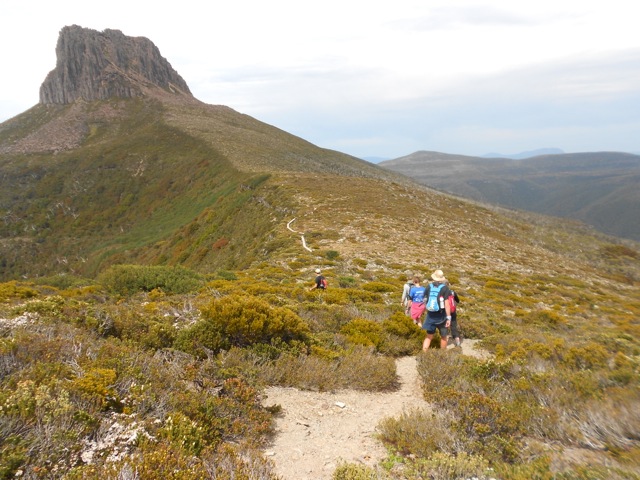
Day 2 of The Overland Track is the shortest at only 7.8km. For this reason, many people merge the next two days together and walk all the way to Pelion Hut, 25km away, but this isn’t my plan. While you cook breakfast in the Waterfall Valley Hut, you can see the stark rocky face of ‘The Barn’ high atop the ridge. I wasn’t originally going to climb it, but I discovered a group – The Brits – were I decided to tag along.

The side trip to The Barn is actually longer than the official day’s walk but is done with only a day pack. I’ve heard different tales about climbing the Bluff, some say it’s easier than Cradle Mountain, while some say it’s harder. I’ll have to decide for myself.

wpid-dscn1078-2013-01-7-13-42.jpg

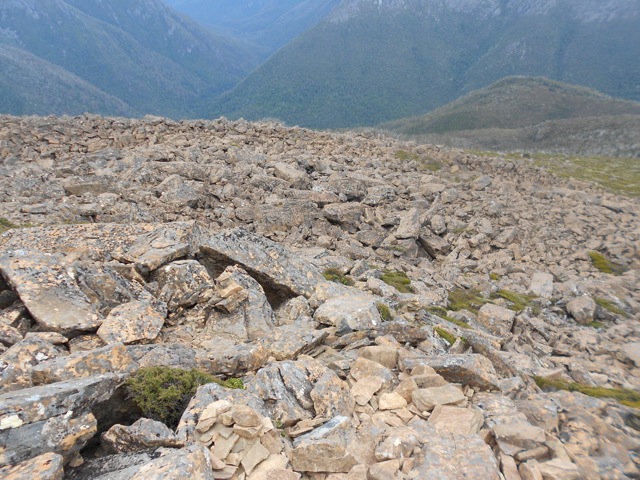
The start of the walk backtracked back up the zig zag hill to where the trail had split the day before and walked towards the bluff. Much of the walk was along wooden planks and steps and doesn’t really feel like hiking. Thankfully and unlike Cradle Mountain, there aren’t any day walkers getting in the way. We climbed a knoll before heading up a steep trail to where the real climbing begins. We picked our way across a large field of boulders from a rock fall some time ago.

wpid-dscn1083-2013-01-7-13-42.jpg

The climb looks rather menacing from a distance, but the closer you get the easier it looks. Through the boulder field the climb gets steeper as we make our way up the rocky face of the bluff following well placed cairns.

wpid-dscn1082-2013-01-7-13-42.jpg

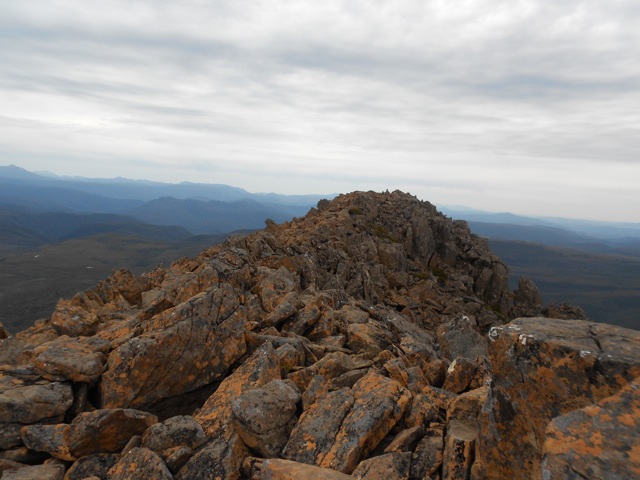
The trail works it way up the side with some scrambling up large boulders and short dirt paths. There are some difficult parts, although I wouldn’t call it any more difficult than Cradle Mountain, only different. We eventually made it to the top and climbed across the large boulders to the summit point where we sat for a snack.

wpid-dscn1087-2013-01-7-13-42.jpg

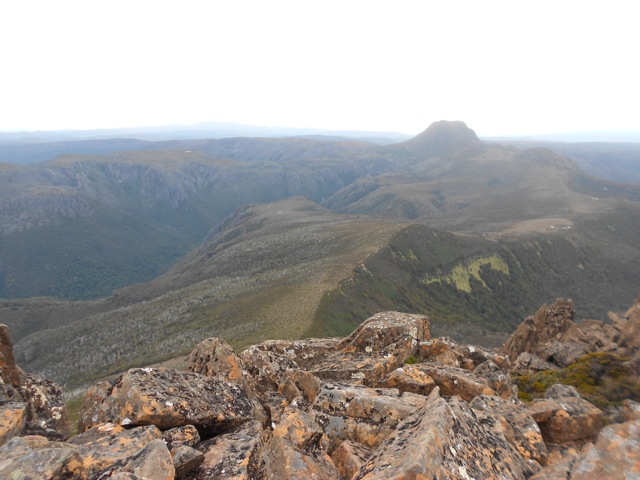
With 360 degree views…

wpid-dscn1084-2013-01-7-13-42.jpg

Looking south down on Lake Will.

wpid-dscn1085-2013-01-7-13-42.jpg

The wind soon whipped up and we decided to head down again. The climb down was easier and the walk back along the track relaxing until we arrived back at the hut. We stopped for lunch before I donned my pack and headed off alone towards along the trail.

The day was overcast and as I walked, rain threatened, but didn’t eventuate. The trail climbed gently through bluegrass plains and across a ridge…

wpid-dscn1089-2013-01-7-13-42.jpg

…and through a small forest before levelling out when it came to a junction to Lake Will. I originally had planned to walk this side trip, but after climbing The Barn and getting a great view of the lake from height, I decided not to and headed on.

The trail descended briefly and as I walked along the boardwalk, I heard a rustle in the brush to the side, and watched as a Wombat wandered towards me. Unfortunately when it saw me it fled before I could get a photo.

The rest of the walk passed quickly through plains and I headed downhill past the lake where a couple of people swam.

wpid-dscn1091-2013-01-7-13-42.jpg

Arriving at the hut, I set up for the evening, and when The Brits arrived, we headed down to the lake.

wpid-dscn1095-2013-01-7-13-42.jpg

We stripped down to our smalls and leapt into the icy waters. Once you go numb, you don’t feel the cold anymore! Getting out was warmer and we sat around in the warmer breeze drying off before heading back to the hut.

The Lone Trail Wanderer

Overland Track Day 1 – Cradle Valley to Waterfall Valley

After a cold night in my tent, Tasmania put on a brilliant day for this the first day of my hike. I headed over to the information centre to wait for the bus to Ronny Creek, having sorted out my hiking passes last night.

wpid-dscn1018-2013-01-7-17-12.jpg

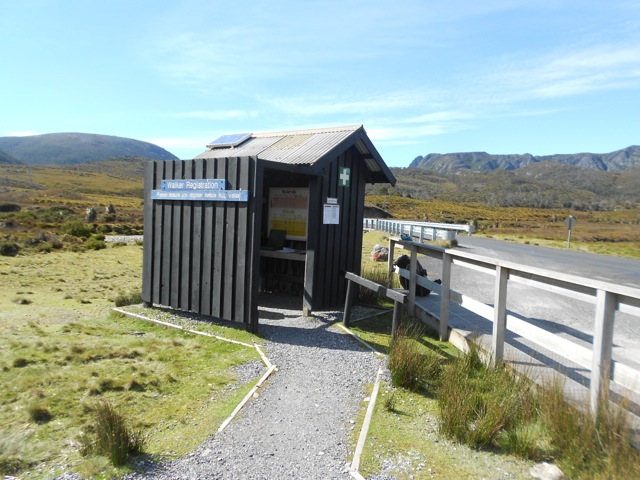
Ronny Creek is the official start point of the trail although there is an alternative – Dove Lake – which is a little shorter. I signed the book and headed out across the plains via a walking platform.

wpid-dscn1023-2013-01-7-17-12.jpg

To protect parts of the national park, there are board walks and platforms to walk along in many places. This helps with regrowth and stops deterioration, but does take away the true sense of hiking.

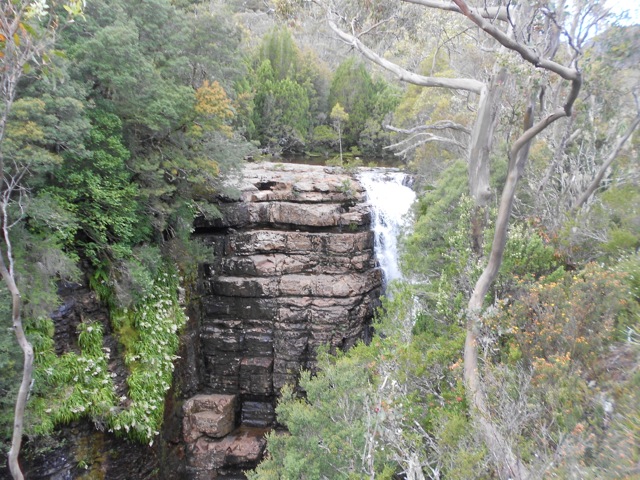
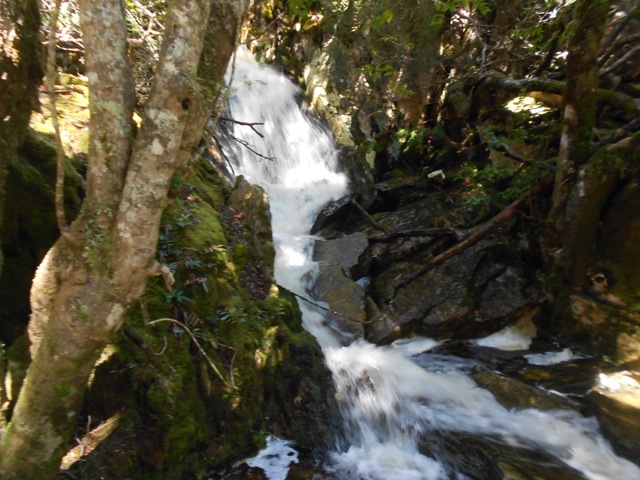
Day one of the hike is said to be the hardest. After the initial plains, the trail climbed into the hills. There are steps to aid walkers. The trail climbs through the forest until it reaches Crater Falls – a short series of waterfalls flowing down from Crater Lake.
wpid-dscn1032-2013-01-7-17-12.jpg

I continued to climb and once over a crest, I came to an old wooden shed. As I went past, Crater Lake came into view surrounded on most sides by rocky walls. It looks amazing. Crater Lake is not actually in the crater of a volcano, it just looks like it. It’s actually formed by glacial movements, like most of the park.

wpid-dscn1035-2013-01-7-17-12.jpg

The trail skirts the eastern side of the lake, climbing to what is deemed the hardest climb of the trail – not including the side trails – up to Marion’s Lookout. There are even chains to help walkers climb the rocky ground to the top, while I don’t personally think they are needed, there are numerous day walkers climbing here that likely would.

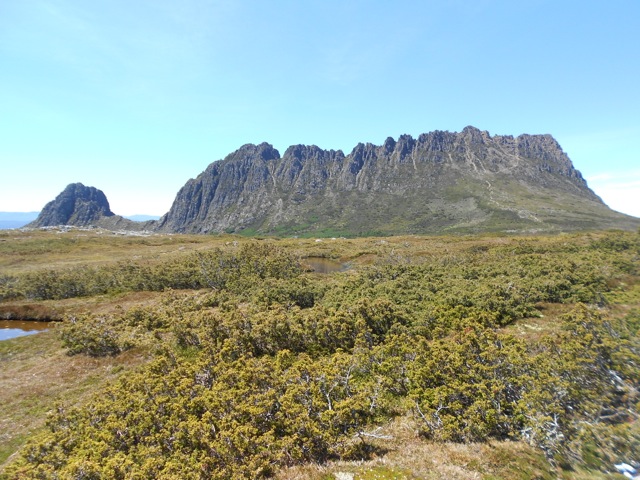
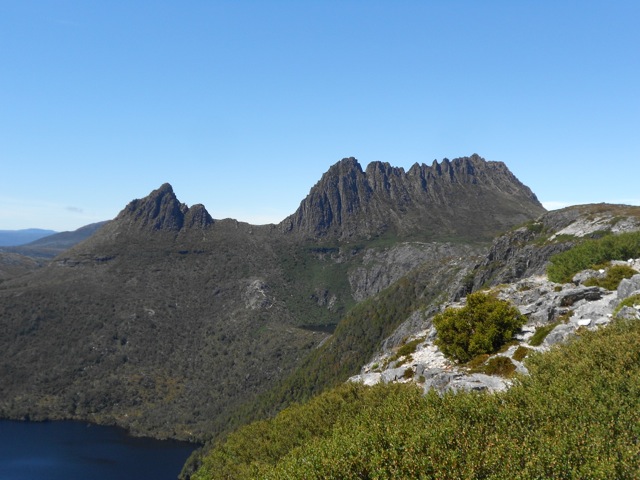
As you climb to the lookout, the rocky fingers of Cradle Mountain protrude from the plateau a couple of kilometres to the south.

wpid-dscn1054-2013-01-7-17-12.jpg

The Lookout gives good views of Crater Lake, Dove Lake and the plains to the north. I stopped for a snack before heading on.

wpid-dscn1039-2013-01-7-17-12.jpg

A couple of kilometres later I arrived at Kitchen Hut, a two story hut with outer doors on both levels, the 2nd level door for when deep snow surrounds it.

I left my pack here and with my day pack I set out to climb Cradle Mountain. At a junction I see a number of other packs left out on the open. Walkers are warned about leaving packs in the open without covers on. The Currawong – a large black bird similar to the crow but with yellow eyes and a white tipped tail – are known to open zips in search of food. The packs I later found out belonged to the Brits from Sydney and on their return from the mountain, they found zips open and their contents littered around them.

I met a girl at the base of the mountain, and we climbed together. The first part of the climb followed the trail steeply to a rocky portion, then it was bouldering – climbing over large boulders – following the trail around and up to what we thought was the summit. When we got there we could see that the trail continued down a saddle and then up the other side to the true summit. Climbing down to climb up is a confusing concept. So, we climbed the first spire and sat having lunch.

Finally, we persuaded ourselves to climb to the summit and it was well worth it. The views were amazing.

After lunch I left my companion and headed down. At the bottom I donned my pack and continued along the track. After the climb, my pack seemed suddenly heavier. I walked on along a thin track cut through a tree covered hillside towards Barn Bluff, a tall rocky bluff that just begged to be climbed.

The trail split about halfway to the bluff and headed downhill before zig zagging down a steeper section to eventually come out at Waterfall Valley Hut.

The main hut is about 100m from the tent areas and most people decided to camp leaving only 5 of us in the hut that sleeps 24.

Tomorrow I’ll tackle ‘The Barn’ before heading further along the trail…

The Lone Trail Wanderer

The Overland Track – 7 days in the Tasmanian wilderness

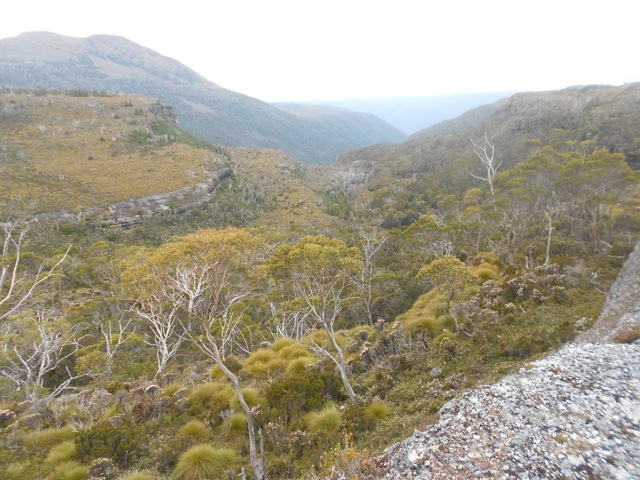
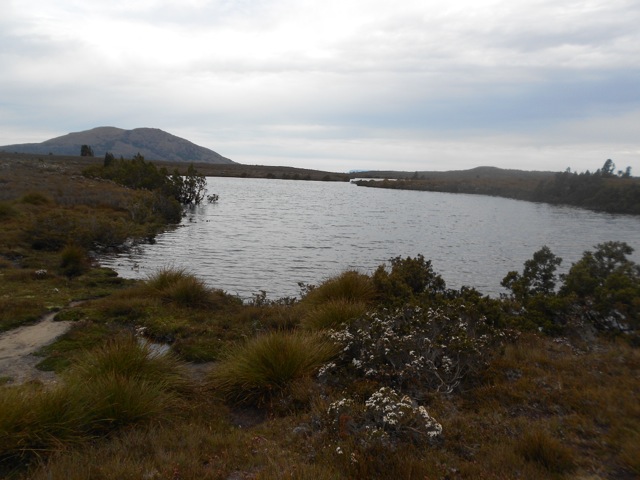
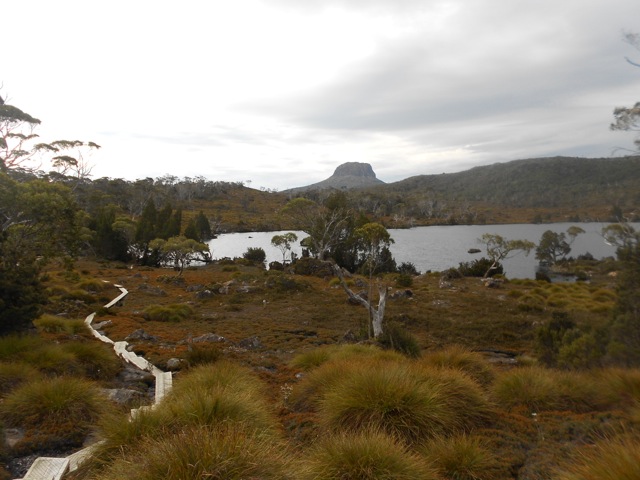
The Overland Track is perhaps the most famous multi-day hike in Australia. It’s walked by more than 8000 people every year and runs approximately 80km through the Cradle Mountain Lake Saint Clair National Park in mid-west Tasmania.

wpid-dscn1021-2013-01-7-17-09.jpg

The Overland Track is set up as a 5-7 day hike, but has plentiful options and can be walked quicker or slower as you please. 34 people are allowed to start the hike every day from the Cradle Mountain Information Centre to balance out the numbers each night at the hut and camping areas.

wpid-dscn1022-2013-01-7-17-09.jpg

Each day on the track is different, and each ends in a hut with surrounding camping sites. The huts can sleep 24 although New Pelion Hut can sleep up to 60. Untreated water and toilets at each hut (bring your own toilet paper).

wpid-dscn1049-2013-01-7-17-09.jpg

The Overland Track itself is a fairly easy hike and is a perfect introductory multi-day hike for those interested in getting into the sport. Day one is considered the hardest, but for seasoned hikers it’s not that challenging.

What adds challenges each day are the side tracks, which you can choose to do or skip. Many of the side trips will have you climbing one of the many iconic mountains in the park. Most days on the trail have you walking approximately 10km not including side trips, so you’re not actually walking a lot.

wpid-dscn1141-2013-01-7-17-09.jpg

But while the hiking and the views are awesome, there’s more to the Overland Track experience. Because the track is booked out most days in summer, and you move from camp to camp, if you’re the sociable type most afternoons/evenings will be spent with the same groups of people. Groups can change when they skips a hut, but it evens itself out when a group that started after you skips your previous hut and spends the next days hiking to the same places as you. As I said, this was part of the experience and it truly added to mine. So, I’d like to thank the Brits, Greg and Kim and the Asian group from Sydney, the Victorian students, Annie from NT, the North Queenslanders, the Swiss couple, the Americans and everyone else who made this hike an experience for me.

wpid-dscn1202-2013-01-7-17-09.jpg

The next few posts then will describe my day to day journey across the Overland Track…