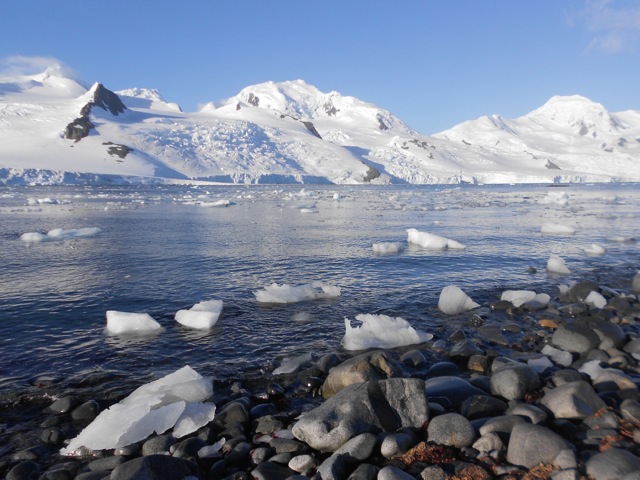
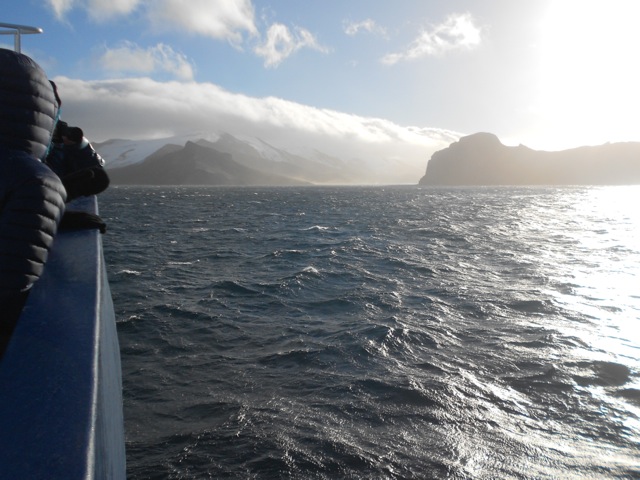
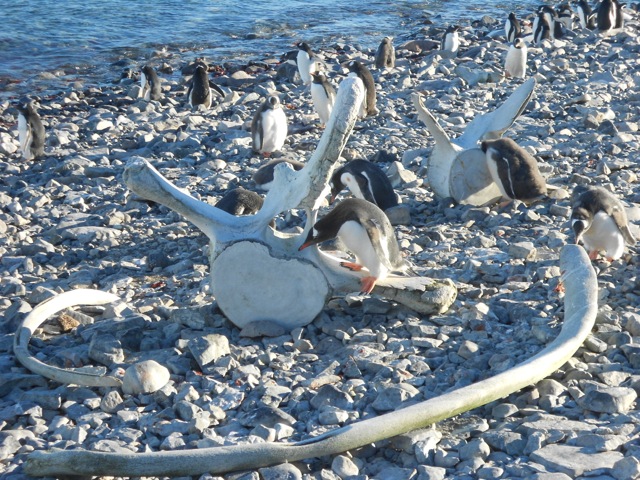
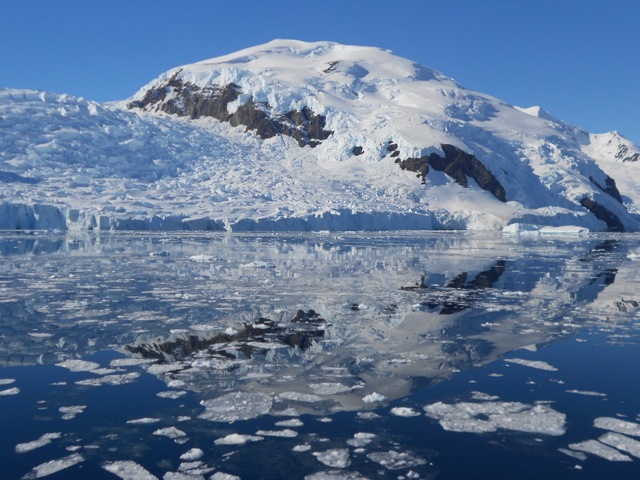
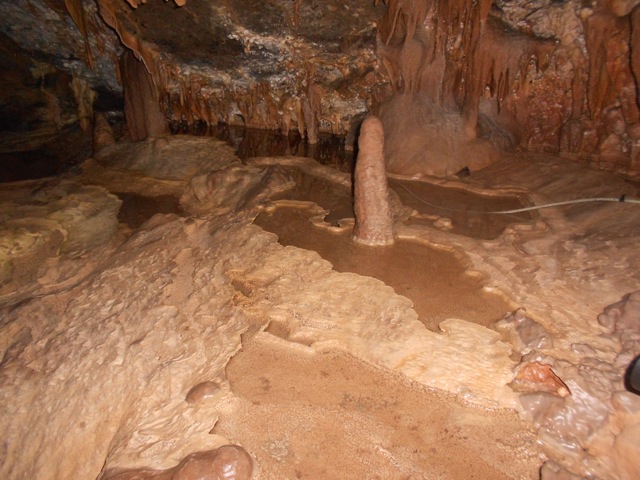
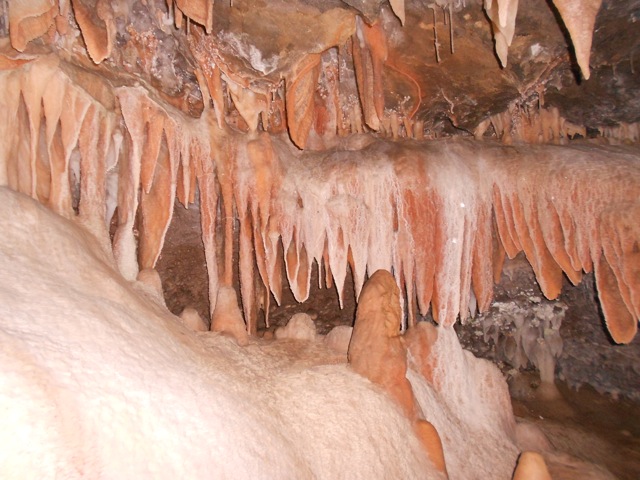
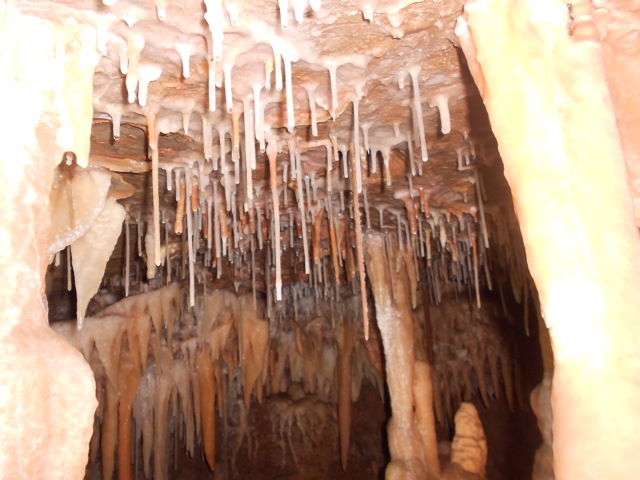
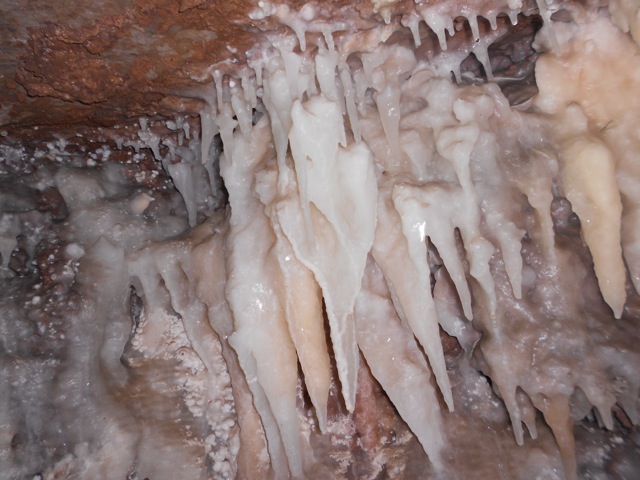
Category Archives: Destination

El Chaltén, Argentina – Impressions

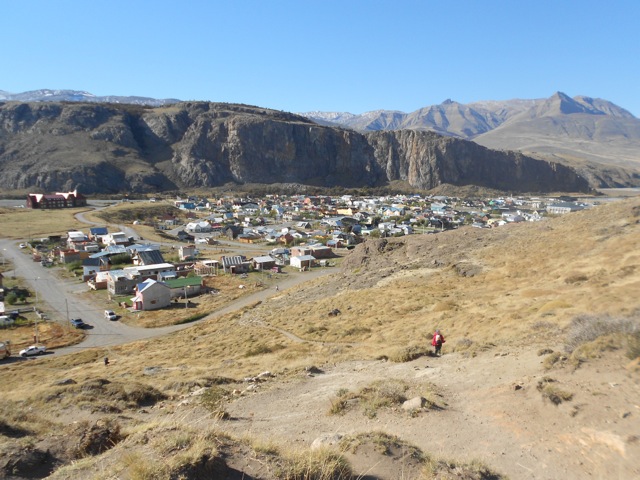
El Chaltén is a small town at the northern end of Parque Nacional Los Glaciares in Argentina. It’s a town bred purely from the tourism generated by the National Park and Mt Fitz Roy.

DSCN2184

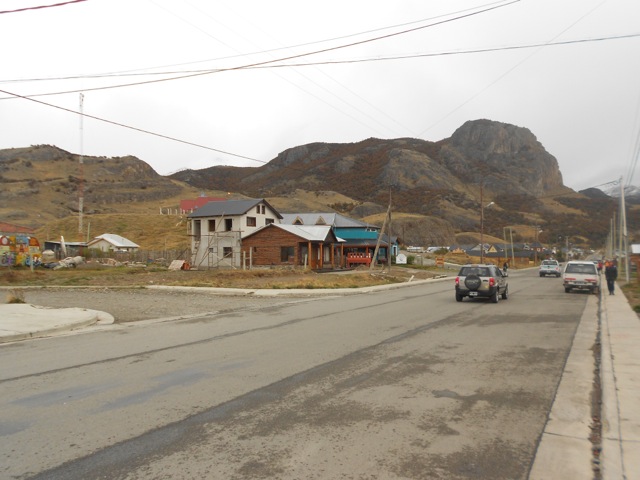
El Chaltén was quaint and had plenty of hostels, although many were aimed more towards the hotel end of the market than to backpackers. There were plentiful tour operators and adventure stores selling the big named adventure gear for both hiking, ice climbing and glacier expeditions. There was also a small cafe/bakery scene in the town which was great, as the hostels don’t provide breakfast.

I stayed at the Hostal Pioneros del Valle. This large and fairly cheap hostel had plenty of rooms, most set up with 6 beds. But as it was low season when I stayed I had the room to myself. Splendid!

DSCN2072

High season is December to the end of March and outside of these times more than half of El Chaltén’s businesses close down. The several restaurants in town are reasonably priced restaurants, including the local micro-brewery, which is good considering the town doesn’t have good facilities for buying your own food. While there are supermarcados, they aren’t very ‘super’.

The National Park had great day walks and several longer hikes – some very intense indeed. Being short on time, I only did a 3-day hikes. It doesn’t have an official name but I called it the Mt Fitz Roy Triangle. The other great advantage of the Parque Nacional is it’s cost. It’s free. Something different in a land of expensive national park entrance fees.

Here are some of the other walks:

  • Cascada Margarita
  • De las Vuetas River Canyon
  • Piedras Blancas Glacier
  • Punta Norte – Hito Limítrofe

Next, I head back through El Calafate to Puerto Natales in Chile to catch the Navimag Ferry

The Lone Trail Wanderer

Antarctic Voyage – The Journey Back to Civilisation.

Find Days 1 – 3 here: We’re Going South Baby, WAY South!
Days 4 – 5 here: Along The Great White Peninsula
Days 6 – 7 here: Next Stop, The Polar Circle

Day 8 – Returning Along The Peninsula

Last night the swell rocked the boat so madly many people were unable to sleep. While the seas weren’t often bad and many of us no longer show signs of sea sickness, some can barely get out of bed to attend meals.

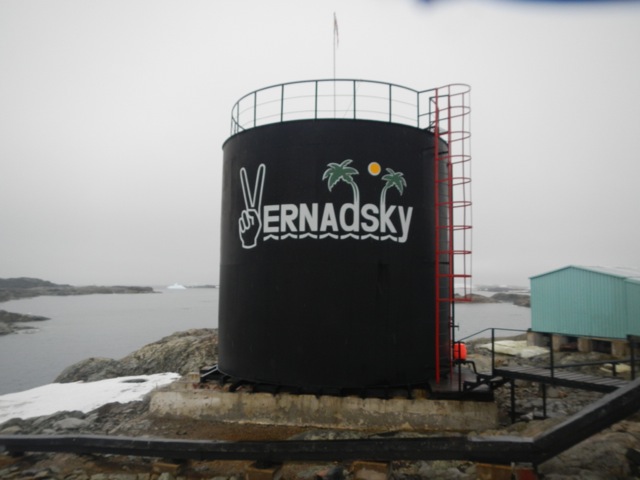
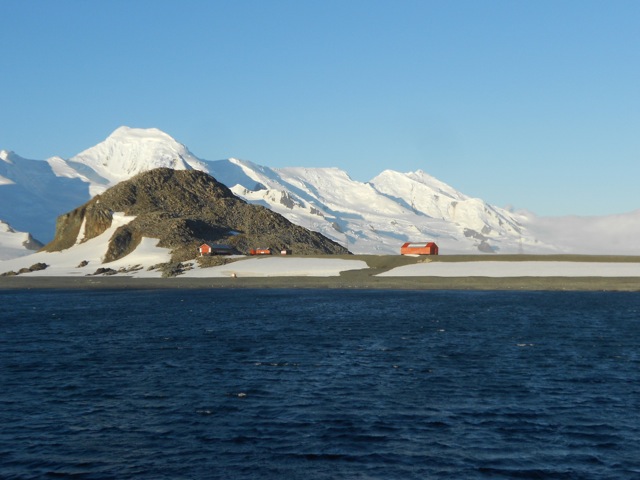
On the morning of Day 8 we anchored off Verdnasky Island and were invited by the Ukrainian science team there to visit Verdnasky station.

wpid-dscn1932-2013-03-21-16-10.jpg

We broke into three groups: a third visited the station first, another third visited the abandoned Wordie station on the other side of the same island, and the remaining third were the kayakers and divers.  Each group eventually got a turn to visit the main research station.

wpid-dscn1931-2013-03-21-16-10.jpg

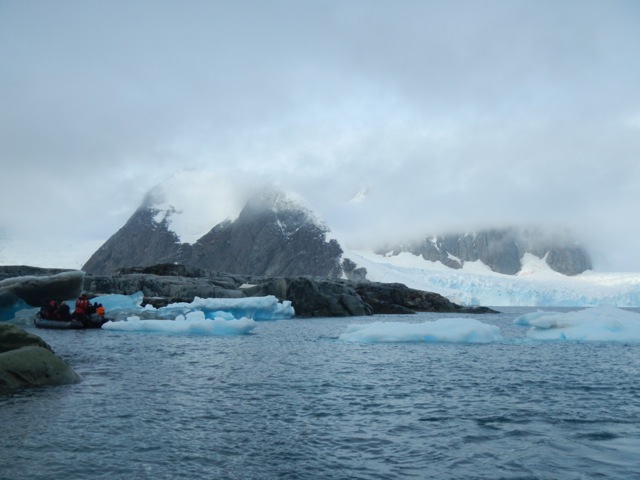
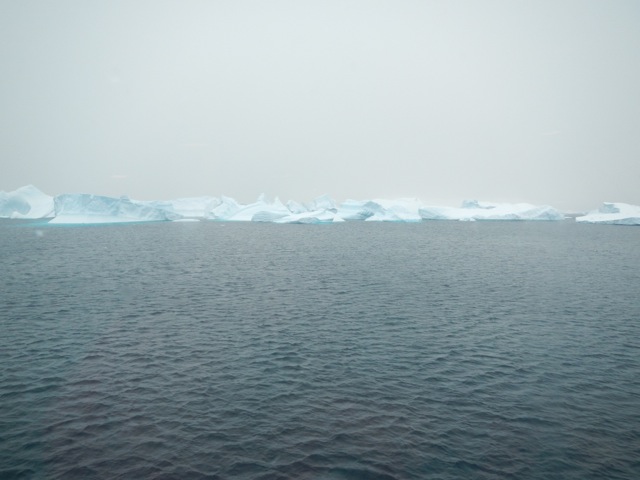
Wordie Station was the original research station and must have been built for short, thin people as it’s pretty cramped.  When researchers moved to the newly built Vernadsky station, Wordie station was converted into a museum.  To get between the two stations we had to cruise through sets of pure blue icebergs with amazing natural textures on them.

DSCN1922

Verdnasky Station is huge in comparison to Wordie with a pair of long sprawling corridors leading to many different science labs. Outside there are other rooms and silos for storage, additional labs and fuel. Upstairs there’s a relaxation room which holds the southernmost gift shop and the southernmost Post Office in the world, where we got our passports stamped and sent postcards (most took more than a year to arrive). Through an archway was the world’s southernmost bar where we could buy large shots of vodka for US$3.

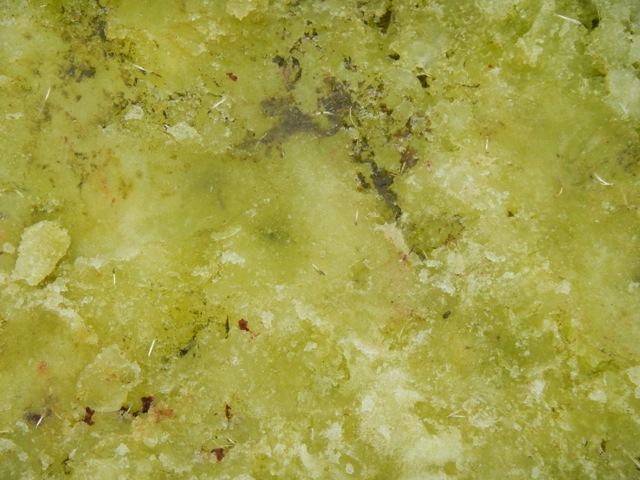
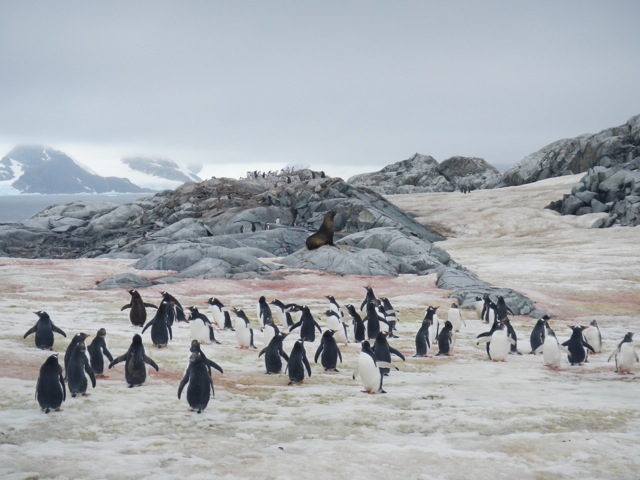
After exiting the station and waiting for the Zodiacs to collect us, we gathered on the pier to watch a leopard seal torment a penguin. When it noticed it had an audience, it made a display of tearing its lunch to pieces before consuming it.  While macabre, it’s part of nature and we couldn’t take our eyes from it. Back on the ship we headed further north to Petermann Island for another short hike. The island itself has different colours of snow – green from algae and pink from penguin poo.

wpid-dscn1939-2013-03-21-16-10.jpg

The hike was a walk up a slippery mound to a cairn and down the other side. This island had some beautiful views, but was the smelliest island I’ve ever been to. While the old saying: ‘Don’t eat the yellow snow’ still stands, a new one came from this trip: Definitely don’t eat the pink snow.

wpid-dscn1942-2013-03-21-16-10.jpg

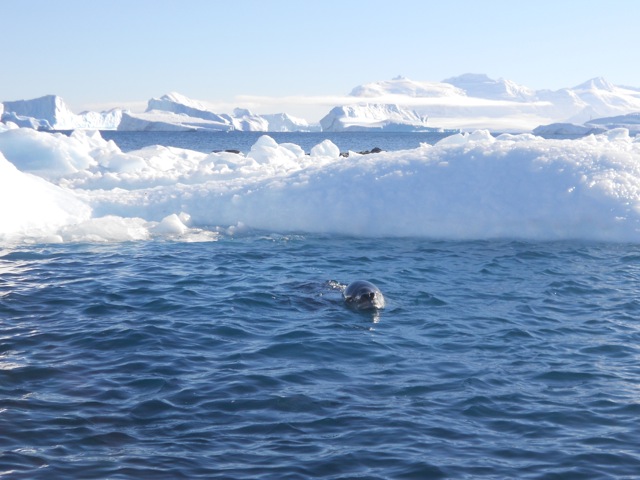
As we made our way back to the ship we spied another leopard seal enjoying a penguin. Penguins are considered the rabbits of the south, they breed like crazy and provide good food sources for the seals and larger sea birds.

Across the bay, we could see the base of several majestic looking spires their tops hidden behind the cover of clouds.  Thankfully the clouds began moving as we were leaving, giving us a partially better view.

wpid-dscn1953-2013-03-21-16-10.jpg

Day 9 – Final Landfall – Deception Island

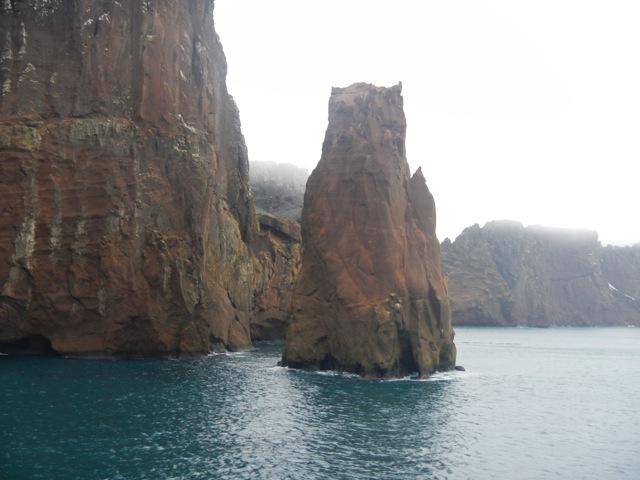
The plan for the day was to make landfall in the morning and begin the journey back across the Drake Passage in the afternoon. This was not to be, however, as the wind and seas were too harsh. Instead we sailed back to the South Shetland Islands to attempt Deception Island again. When we arrived the wind was still strong, but thankfully in the right direction allowing us to enter the volcano via a stretch of water known as Neptune’s Bellows.

wpid-dscn1972-2013-03-21-16-10.jpg

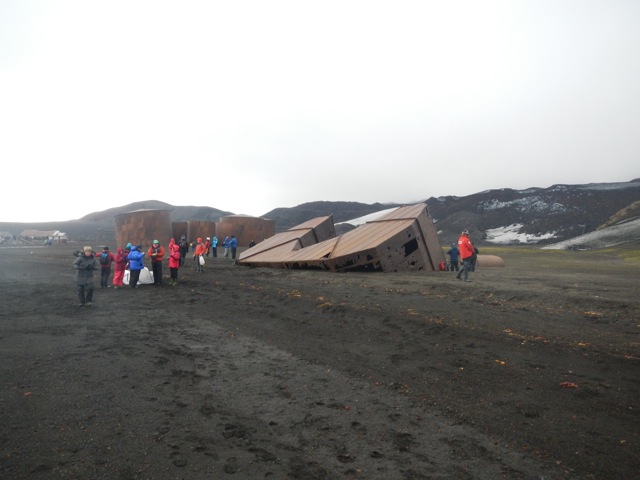
We sailed through and even with the low clouds it was picturesque. The bay inside was huge and we anchored in a smaller bay just inside called Whalers Bay. On reaching land, we set foot on black volcanic pebbles and sand. There were a number of old broken down buildings which we were warned not to enter because they were unstable.

wpid-dscn1976-2013-03-21-16-10.jpg

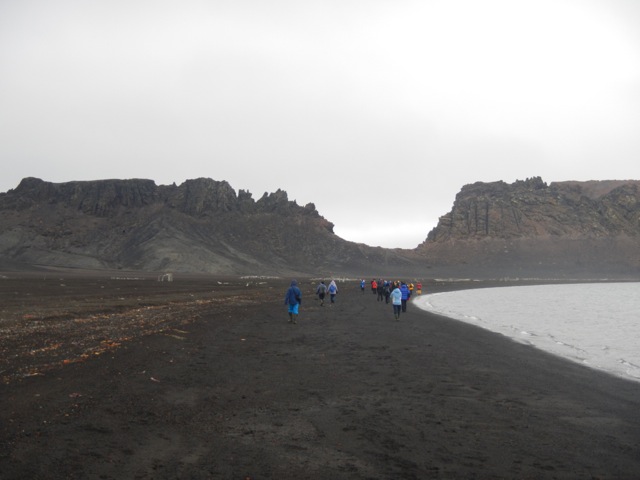
Deception Island erupts every 40 years, the last time being 40 years earlier. We were prepared should it go up but it didn’t, obviously. On land there were few penguins and many fur seals. We walked along the beach for a while and climbed the semi-collapsed wall to Neptune’s window…

wpid-dscn1979-2013-03-21-16-10.jpg

…which provided great views both inside and out.

wpid-dscn1987-2013-03-21-16-10.jpg

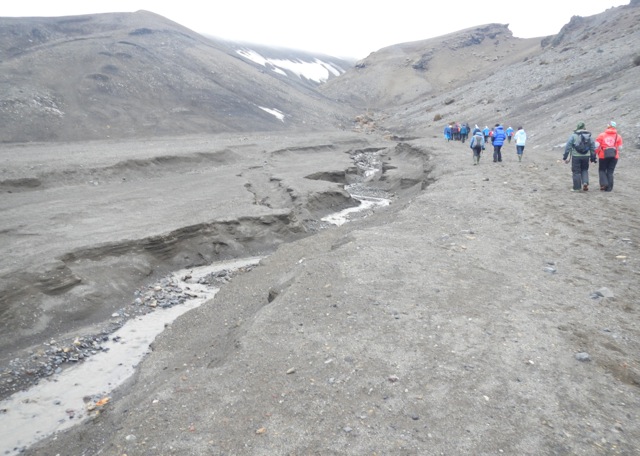
We then followed a stream up the side of the volcano…

DSCN1991

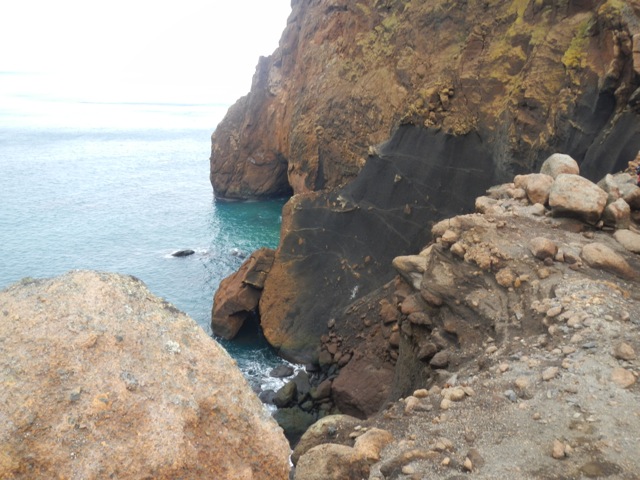
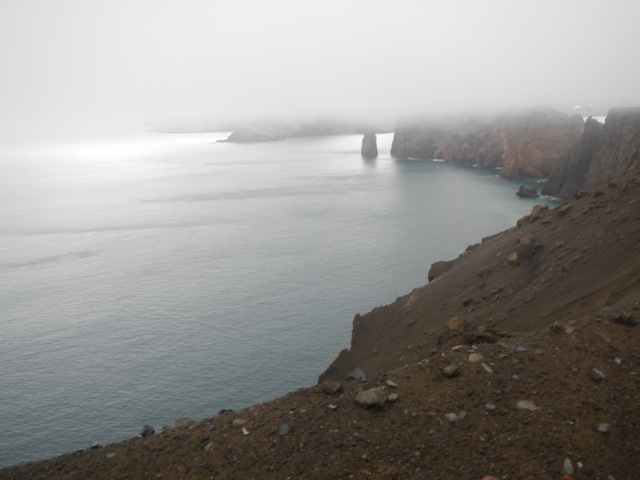
…to a higher perch. With the clouds and the blue-green of the sea, the sight looked like a mystical world that photos just don’t do justice to.

DSCN1992

Back on board, we set sail for the Drake passage and as expected the seas were a little rough.

Day 10 and 11 – Back across the Drake Passage

For two days we sailed across the open and slightly choppy seas. It wasn’t as crazy as we’d expected, but after making landfall twice each day in the Antarctic, hanging about the ship sent many of us a little stir crazy. There were lectures to bide the time but I dove into a book and managed to finish the second of two novels I’d begun on the journey.

We arrived into the shelter of the Beagle Channel in the late afternoon of Day 11 and docked in the early morning at Ushuaia. We disembarked after breakfast.

Overall

My Antarctic trip will always be one of the most memorable experiences of my life and worth far more than I paid for it. The many places where we made landfall and the multitude of wildlife were unreal. People on board were friendly, although with 37 different nationalities it was sometimes difficult to communicate well. There were many new experiences and I’m glad I chose the Plansius from Oceanwide Expeditions, as I’ve heard some of the other cruises were not as well organised or the crews were not as interested in giving passengers the best experience.

Next, after a couple of days in Ushuaia, I began my long journey north along the Andes starting with Patagonia.

The Ocean Cruising Trail Wanderer

Antarctic Voyage – Next Stop, the Polar Circle

Find Days 1 – 3 here: We’re Going South Baby, WAY South!
Find Days 4 – 5 here: Along The Great White Peninsula

Day 6 – Antarctic Peninsula

Overnight the weather had changed and on awakening we found it had begun to snow. While we’d loved the clear days, it just hadn’t felt like Antarctic until now.

wpid-dscn1815-2013-03-21-16-08.jpg

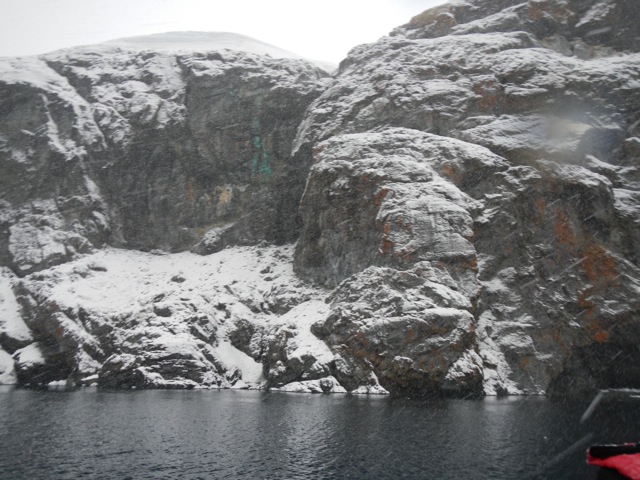
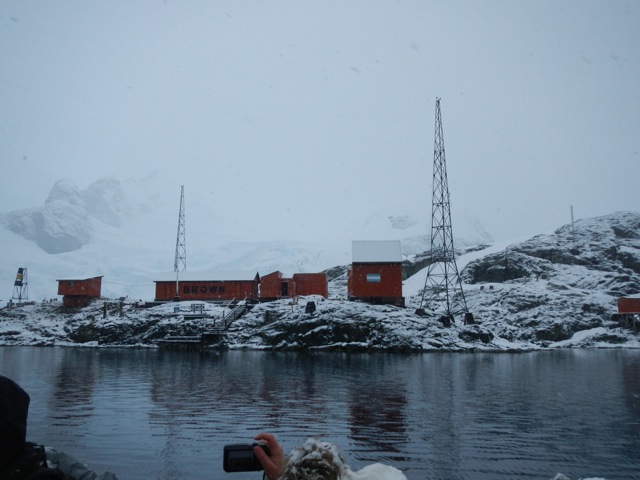
We set out across the bay to an Argentinian base called Almirante Brown where some of us docked and the others cruised around the harbour in Zodiacs looking at the scenery and the natural colours in the rocks…

wpid-DSCN1823-2013-03-21-16-08.jpg

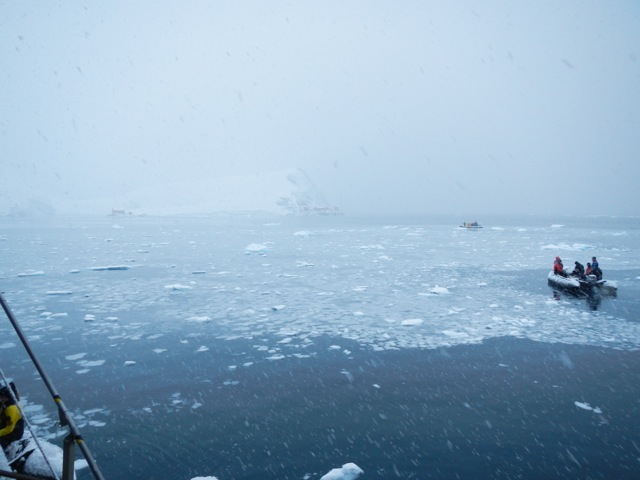
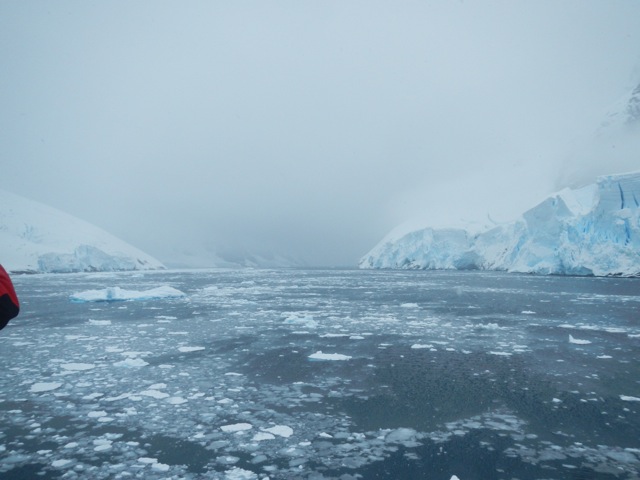
As we moved through the water we could see the snow slowing beginning to freeze the water. We were told the process starts with a type of ice called ‘grease ice’, which gives the ocean a strange greasy look, then moves on through several more stages before the bay freezes over.

DSCN1849

It would have taken hours, so no chance of us being iced in. After 45 minutes of cruising through the icebergs we were dropped off at the jetty.

DSCN1833

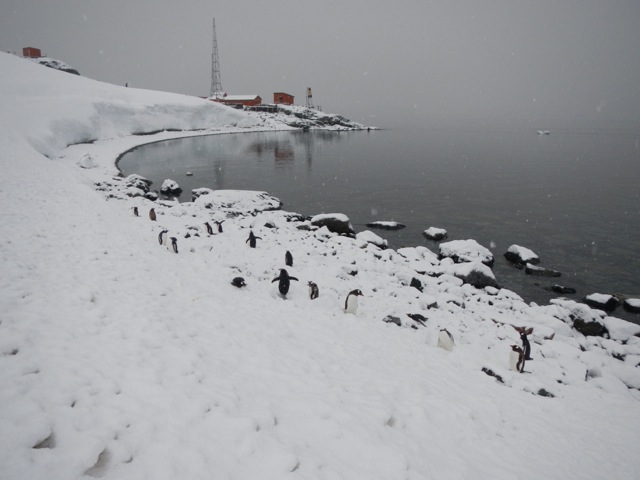
We walked across the new snow to the base, stepping carefully so as not to slip into the sea…

DSCN1835

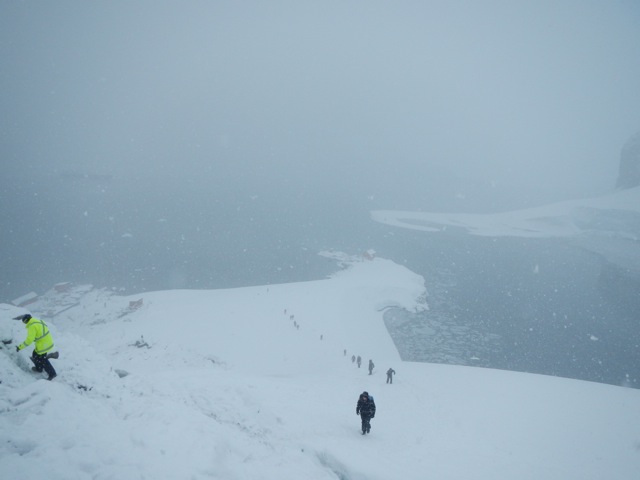
…and up the hill behind it where a pinnacle of rock provided a great, albeit foggy view.

wpid-dscn1842-2013-03-21-16-08.jpg

There’s only one real way down from the pinnacle: on your backside skidding down a previously rendered track. I shot down the first part but there was an older guy in front of me who was struggling to get going. I couldn’t stop in time and careened off the side of him to slide sideways down the rest of the hill. Awesome! If there had been more time, many of us would have climbed up and gone again.

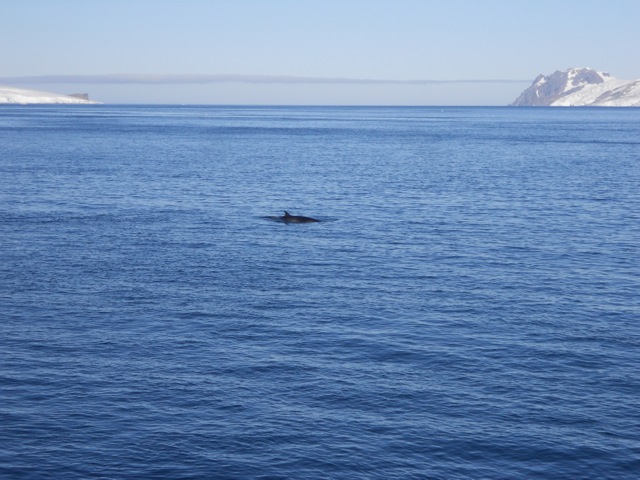
Then we were back on the ship and heading out along the beautiful Lemaire channel, with great icy mountains and glaciers along both sides. Whales have now become a common sight and penguins are just everywhere. Icebergs larger than previously seen dot the waters, the very occasional one having a leopard seal napping on it. We came out into a bay known as The Iceberg Graveyard, full of huge icebergs some twice the size of the ship or larger.

DSCN1856

Our next stop was Booth Island. We land and see our fourth variety of penguin, the Adelie along with their tracks in the fresh snow.

DSCN1859

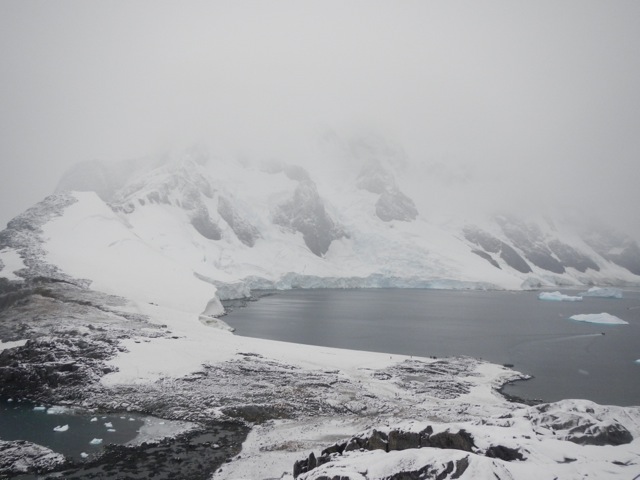
We then climbed a hill to get awesome views in all directions, but because of the low clouds only the base of several rocky spires could be seen.

DSCN1866

We couldn’t resist sliding down the hill before being whisked back to the ship. That evening the boat made its way down the peninsula in hope of crossing the polar circle. According to the captain, it depended on the weather and sea conditions if we were to cross.  We all went to bed hoping the conditions would be right.

Day 7 – Antarctic Polar Circle

The polar circles are defined by the sun. In winter, Antarctica is a sunless icy land, while in summer there is 24-hour sunshine.

Today the battery of my fairly new camera refused to charge, evidently affected by the atmospheric cold.  Thankfully one of my shipmates had a spare he could lend me. So, while I wasn’t using my own camera, all of the shots are my own.

DSCN1889

It was snowing when we were roused for breakfast and the seas were rather rough. At breakfast we watched the largest iceberg we’ve seen float past. It was massive, the part we could see above water was the size of a city block and perhaps 100m tall. Under the water, we’re told it’s 7 times larger.

Then just after breakfast, we gathered in the observation lounge and with a glass of champagne to celebrate the crossing of the polar circle. We had only a single landfall below the circle. Two hours later we entered a bay where the water was significantly calmer. After another 30 minutes we boarded the Zodiacs and make our way around icebergs to land at Detaille Island, site of a former English research base.

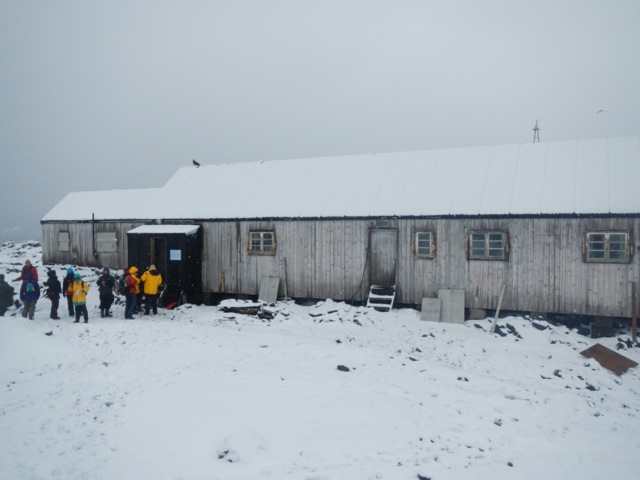
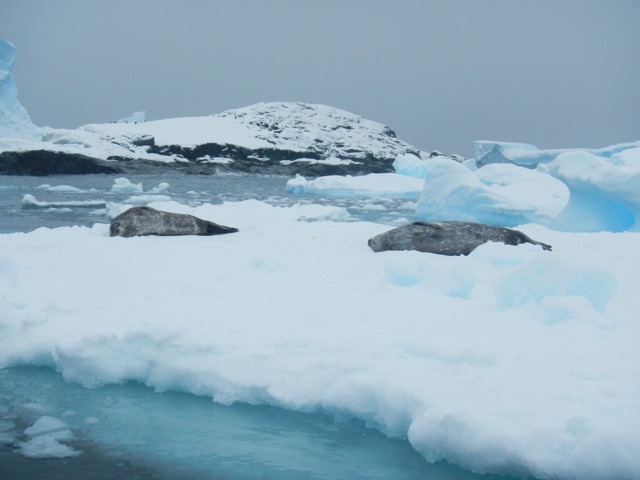
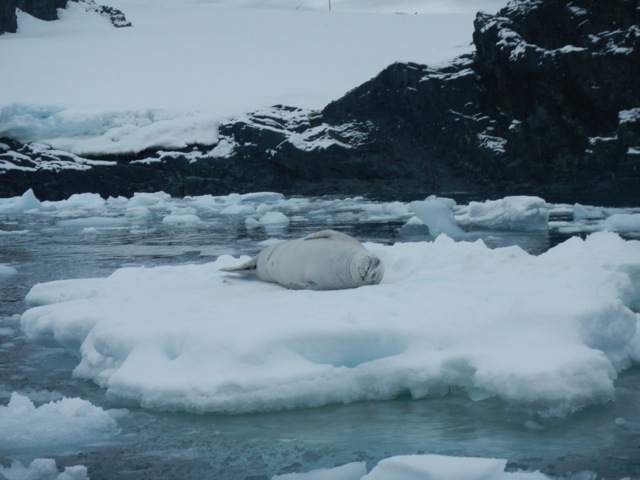
The snow was thick on the ground and there were two different kinds of seals just languishing on icebergs – the Crabeater Seal and the Weddell Seal. They peer up as we go by but we don’t interest them so they go back to their napping. On the island is the hut where the researchers lived and we were able to go inside. It’s fairly roomy and once housed 8 scientists comfortably.

DSCN1893

After our time on the island we were taken on a cruise through the icebergs to get a little closer to the napping seals.

DSCN1907

Then back onboard the Plansius we set off again, beginning the long journey back along the peninsula.

DSCN1909

Mid afternoon, after we cross the polar circle again, we came across a large pod of Orca hunting. We circled them for about an hour, trying to determine what they were doing. The pod was about 10 animals strong and had a huge male with them. We were told they were killing an Arnoux Beaked Whale by trying to drown it  They did this by lying on top of it to prevent it getting to the surface. Once they considered it dead, they began tearing into it. It’s nasty, but it’s nature. This kind of action takes documentary makers 10 years to find, and we were lucky to chance upon it. Pictures don’t give it justice, however.

Next, The Journey Back To Civilisation.

The Antarctic Wanderer

Antarctic Voyage – Along The Great White Peninsula

Find Days 1 – 3 here: We’re Going South Baby, WAY South!

Day 4 – More South Shetland Islands

The weather continued to be great, but it wasn’t the weather that was to darken the day… more on that later.  The beauty of the white islands was immense and even more so because of the blue skies.  Overnight the ship was moved further along the South Shetlands to Half Moon Island.

DSCN1674

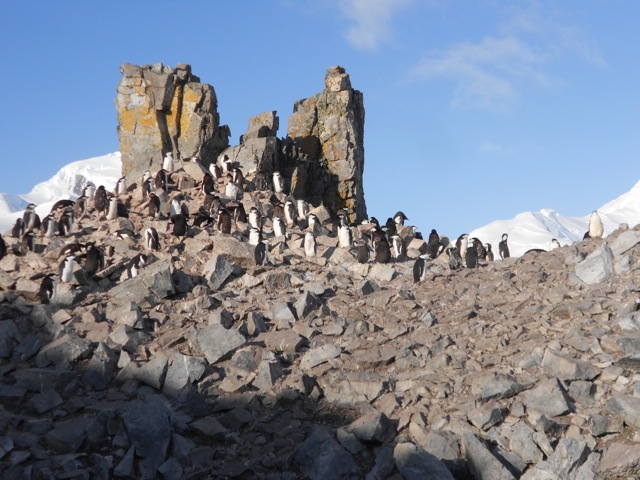
We made landfall early and hiked along the beach with plentiful Chinstrap Penguins hanging out on the rock formations.  Nestled among one group we found a solitary Macaroni Penguin.

wpid-dscn1687-2013-03-21-16-15.jpg

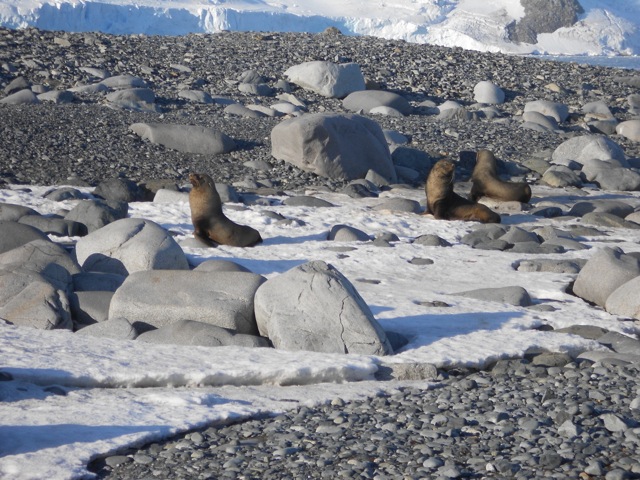
While not as plentiful as the penguins, there were many fur seals in groups along the rocky beach.  They too were interested in us, but were more dangerous, so we took care not to get too close as they have a tendency charge. They’re easily warded off if they do by presenting a strong hand and calling ‘stop’, or by simply clapping hands.

wpid-dscn1679-2013-03-21-16-15.jpg

While not available to those of us who took ‘Last Minute Deals’ those who pre-booked the cruise were able to also book kayaking and diving. While today was too windy for the kayakers the divers got to get in the water, well, some of them at least…

DSCN1681

Not long after going ashore, we started hearing reports over our expedition leader’s walkie-talkie about a diver that had gone missing. For the rest of the morning our leaders began to act a little strange, anxious. Our stay on Half Moon Island was extended an hour longer than planned. Then after being ferried back to the boat, we were called to an urgent debriefing. The diver that had gone missing was an experienced Japanese woman. They’d found her drifting in 5 metres of water and had attempted resuscitation, but after 90 minutes she had been pronounced dead. No other news was forthcoming.

This set a somber tone across the boat and we weren’t sure if the trip was to continue. We eventually did get word we were and got back underway, but some of the crew were called to deal with certain things such as contacting next of kin, authorities, embassies and the storage of the body.

wpid-dscn1705-2013-03-21-16-15.jpg

That afternoon we sailed for Deception Island, one of the two known active volcanos in Antarctica. Centuries ago, Deception Island blew one of its sides and seawater flowed in to fill the crater. The plan was for us to sail into crater via Poseidon’s Bellows, where the wall had collapsed…

DSCN1708

But the weather wasn’t playing nice and with 35 knot winds, the captain decided it would be too dangerous. Instead we set sail for our next destination,  the Antarctic Mainland and The Great White Peninsula. On the way we spotting what was to become a very common sight… Humpback Whales.

Crossing the channel was an experience. Because of the winds the swell went a little crazy and that evening only a little of half of us passengers made it to dinner. It wasn’t long before I too retired to my cabin a little worse for wear.

Day 5 – Antarctic Peninsula

We were lucky, today was the fifth beautiful day in a row, clear and sunny. That’s five more than some expeditions. I awoke at 4am after going to bed at 8.30pm the night before and felt great. I peered from the cabin window and saw clear seas and the long white peninsula. We anchored at Cuverville Island surrounded by white cliff lines in a bay dotted with icebergs. It’s hard to describe the beauty of this place.

DSCN1718

We landed and wandered around the Gentoo Penguin colonies for some time.

wpid-dscn1720-2013-03-21-16-15.jpg

On the way back we were taken on a short zodiac cruise through the icebergs, many of which were a pure blue…

wpid-dscn1744-2013-03-21-16-15.jpg

I even had the wonderful experience of a leopard seal coming up to the craft to check us out before it went back to playing with the penguin that would eventually become its next meal.

DSCN1738

After lunch the ship moved into a large and beautiful bay strewn with icebergs with the plan to make landfall at the end. The boat slid gracefully through the crystal clear waters…

DSCN1771

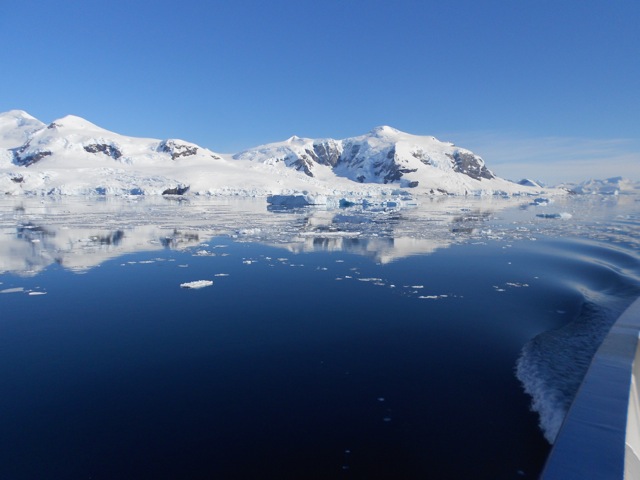
…and in some places it was so calm the icy water mirrored the snow-covered mountains and massive frozen glaciers.

DSCN1776

We made landfall, and set foot on the main landmass of Antarctica at Neko Harbour. Woo-ha! And guess what? There were Penguins! Surprise!

We hiked up the side of a mountain to a great viewing spot. I was first to sit on a rocky outcrop looking out across the magnificent bay.

581900_10100327431821222_1470759107_n

Then some of us took a ‘polar plunge’, going for a swim among the icebergs.  Since salt water freezes at just below zero degree celsius, it was cold but not as cold as expected.  If anything, it was colder getting out.

Then in the beautiful clear evening what else do you do in Antarctica? We had a BBQ on deck, of course! It was a little chilly but great! We put down anchor in Leith Cove and watched the sunset.

DSCN1801

Next we’re heading further along the peninsula our Next Stop, The Polar Circle.

The Antarctic Voyager

Punta Arenas, Chile – Impressions.

Punta Arenas (loosely translated as Sands Point) is the largest city in Southern Patagonia and is described as a spiralling metropolis, although it didn’t actually seem that large when approaching it. My bus ride from Ushuaia took 12 hours including a stop at Rio Grande for Argentinian customs. We stopped again at the Chilean customs before crossing the Magallenes Strait from Isla Grande to the South American mainland by ferry.

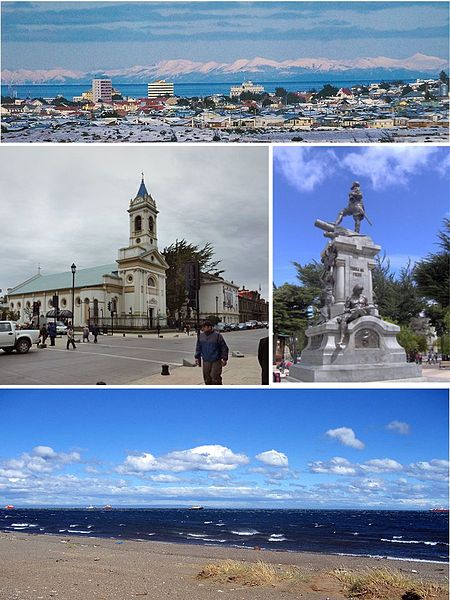
wpid-punta_arenas_collage-2013-03-18-15-57.jpg
Collage of Punta Arenas care of Wikipedia

My primary reason for coming to Punta Arenas was as a stop off on the way to Puerto Natales, as there was not direct bus route. While I was only there for two days and only got to see a small amount of the city, it felt like a typical western city except everyone spoke in spanish. Thankfully english speakers are more common in Chile than in Argentina.

My hostel – Hospedaje Costanera – was near the city centre and once I’d settled in, I walked the eight blocks back into the centre. The city wasn’t a mad rush like Buenos Aires and was easy to get around.

The collectivo system in Punta Arenas – and Chile in general – is something different. While there are traditional taxis and the occasional bus, collectivos are level between. Occasionally they are mini-vans, but usually just normal cars that travel a set route, back and forth. All you do is stand on its route, wave it down and if there’s room they’ll stop. Then, jump in with whoever is already in the car, pay 450 Chilean pesos (about 90 AU cents) and off you go. When close to where you want to go, yell and they’ll stop. It’s knowing where the routes go is the difficult thing.

The city is also in the tax-free zone of Patagonia and has a vast tax-free shopping centre – Zona Franca. I went to check it out and it was the size of a large mall. It contained many electronics stores, all with cheaper prices that Ushuaia, but still more expensive than Australia. It was interesting to walk around but I didn’t buy anything, although I was tempted by some SLR cameras.

Punta Arenas has some touristy things to do as well, access to penguin colonies and glaciers, but having only just returned from Antarctica this week I’d seen plenty, so I saved my money.  Some of these sights are:

  • Cape Froward, the southernmost tip of mainland South America
  • Isla Magdalena and it’s penguin colonies
  • Alberto de Agostini National Park, a land of mountains, lakes and glaciers
  • Los Pingüinos Natural Monument, another penguin colony

On the morning of my departure I simply went to the bus station, booked a bus and within a couple of hours was on my way to north Puerto Natales.

The Lone Trail Wanderer

Antarctic Voyage – We’re Going South Baby, WAY South!

Day 1 – Embarkment

In the mid afternoon of Day 1 we boarded the Plancius, a converted Dutch naval boat that’s been taking expeditions to both the Antarctic and Arctic regions for the past 9 years.

DSCN1610

Once settled in out rooms, we set sail along the Beagle Channel with the glorious Patagonian mountain ranges along either side.  Before dinner we were called to the main common area where we took part in the mandatory safety lecture and trial evacuation.

DSCN1613

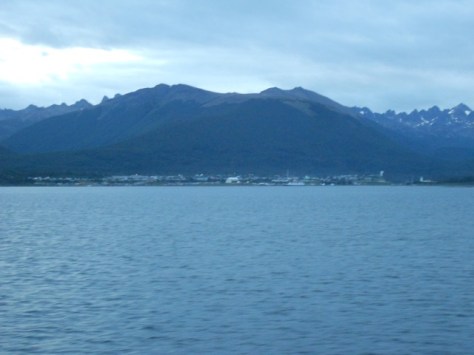
Dinner was then served in the dining hall with a preset menu, which was brought to the tables by the wait staff. All onboard meals were three courses, including breakfast, but with the lack of gym facilities, we figured we’re all going to be putting on weight by the end of the voyage. The seas were calm and outside it was cold. Thankfully the agency I’d booked through had supplied warm clothing for the trip. As we ate our first whale was spotted, a sperm whale. Then as dinner finished we passed the last signs of civilisation, Puerto Williams, Chile.
DSCN1618

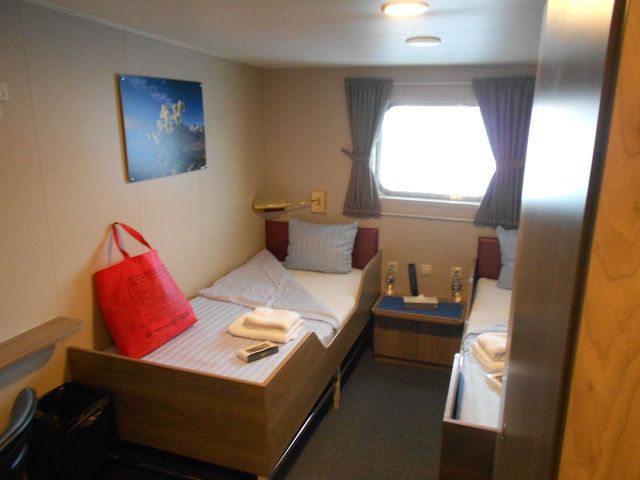
The boat wasn’t large but then it wasn’t small either. There’s the main common room/ forward observing deck/bar, where many lectures were held, and then two floors down and towards the rear is the dining hall. There are plenty of outdoor areas, but did I mention it’s rather cold out? This meant when there was a lecture, the only place to comfortably hang out was in your cabin. Mine was a twin share room.  But for the most part we all went to the lectures.
wpid-dscn1612-2013-03-18-14-062.jpg

Day 2 – The Drake Passage

Sleep was difficult during the first night not because of the constant listing of the boat, of which there was little, but that the blankets on the beds were overly hot. But without then it became too cold. It took some adjusting.

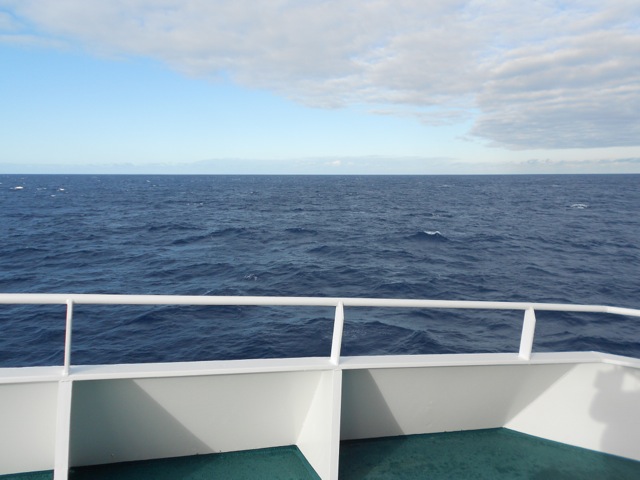
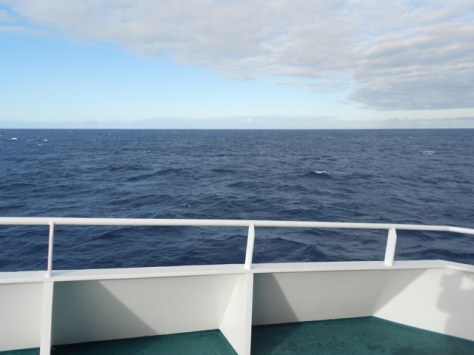
We were warned that the thousand kilometre, 2-day journey across the Drake Passage was often subject to high winds and rough seas, but on Day 2 we are blessed with a beautiful clear day and calm seas. Most of us were using sea sickness patches or tablets just in case.
DSCN1621

That morning we attended two lectures, one identifying the seabirds of the south we’d likely encounter and the other about why the weather is like it is in the Antarctic. The lectures were interesting and gave us something to do other than sit watching the expansive ocean go by.

After a three course lunch, including two massive trays of cheese, we relaxed in the common room playing card games and socializing until the afternoon lecture. The expedition leader announced that due to the good weather we’d be arriving in Antarctic waters 12 hours early, and would be going ashore on the South Shetland Islands the following afternoon. While the Islands are considered part of Antarctica, they’re still a distance from the Antarctic Peninsula.

Day 3 – The South Shetland Islands

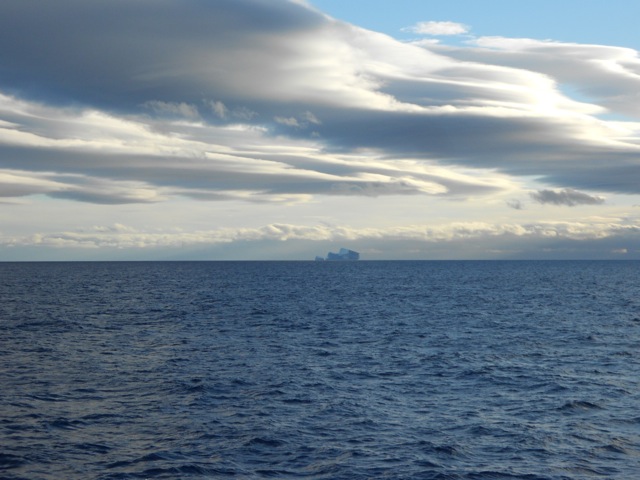
During our wakeup call on the 3rd morning, we were alerted to a large iceberg floating past the port side of the ship.  While it wasn’t close, it was the first evidence of the great white land to come.
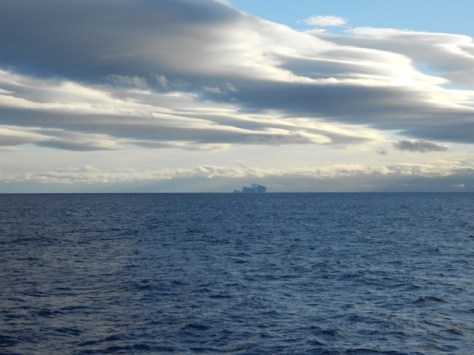
DSCN1622

It had been cloudy overnight, but would turn out to be another fabulous day in the Drake Passage, we even spied whales swimming beside us.

As was suggested, because of the good weather we were on target to arrive at the Shetland Islands 12 hours early.  By late morning we began to see the icy cliffs of an Antarctic Island ahead of us.

DSCN1625

As the hours passed, the white landmass grew along with the number of icebergs.  We began to see rocky islands, dispelling the idea that Antarctica is just a land of ice.

DSCN1631

We started to see signs of wildlife including the Giant Petrels with their 2 metre wingspan, and other birds mentioned in the lectures. There were occasional sightings of fur seals and more whales.

DSCN1649

But it was the penguins that stole our attentions. While we’ve all seen them on land, they swim like nothing we’d seen before, skipping gracefully out of the water for breath every few moments before darting off again at amazing speeds once back in the water.

We passed many small rocky islands and icebergs before nearing our first landfall site, Barrientos Island.

After a briefing, we dressed in out cold weather clothing and got into the Zodiacs that would deliver us to island.

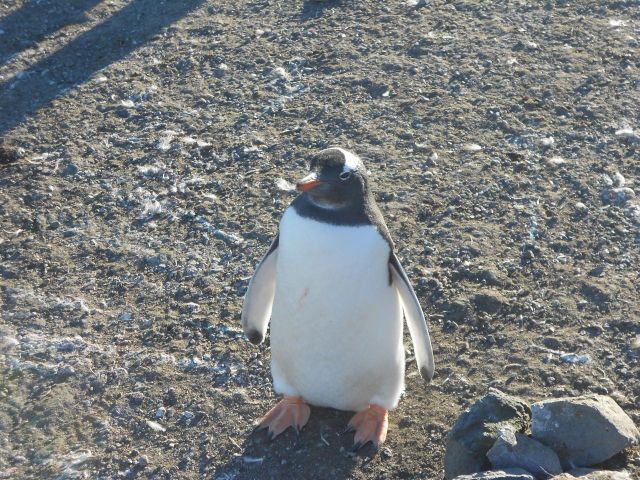
Barrientos Island is a penguin colony with two different breeds of Penguin, the white-faced Chinstrap penguins …
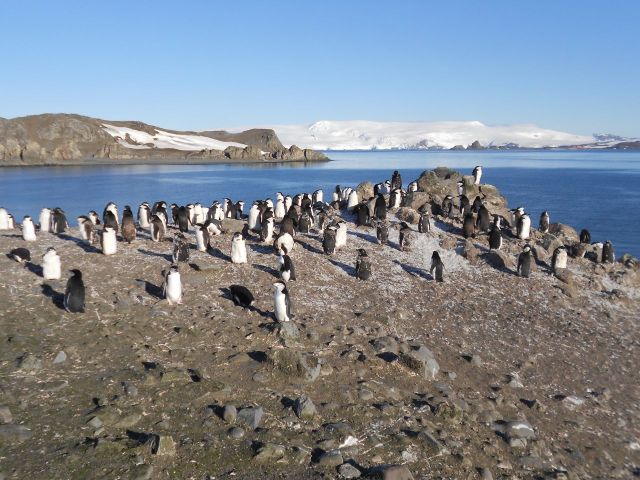
wpid-dscn1653-2013-03-18-14-061.jpg

…and the red beaked Gentoo penguins.

wpid-dscn1654-2013-03-18-14-06.jpg

While on the island, we saw many different penguin behaviours and learnt a lot about them in a short period time. They have little fear of humans, often coming up to peck at our boots. There were plentiful of young learning to swim in the shallows, moulting out of the fluffy grey fur or being weaned off being fed by the parents.  The weaning process is called the ‘feed chase’, where the parent just runs away when the young comes to feed.  The youngster usually takes up a grand chase through the colony until the parent eventually gives in or more commonly escapes into the ocean, forcing the young to fend for itself.

All over the islands are strange white lines, sometimes several splaying out from one spot. It looks like someone has crazily marked the rock with chalk, but it’s actually squirt lines. The penguins lift their tails and squirt in a line up to half a metre in length.

wpid-dscn1657-2013-03-18-14-06.jpg

After a couple of hours Zodiacs delivered us  back to the Plansius in time for dinner after which we settled in for more socializing and card games.

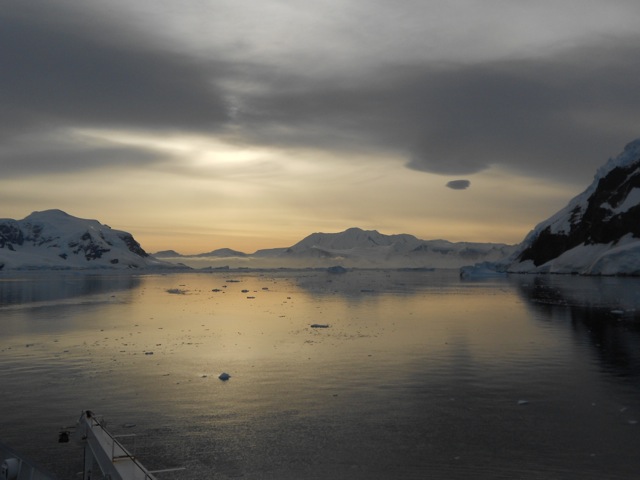
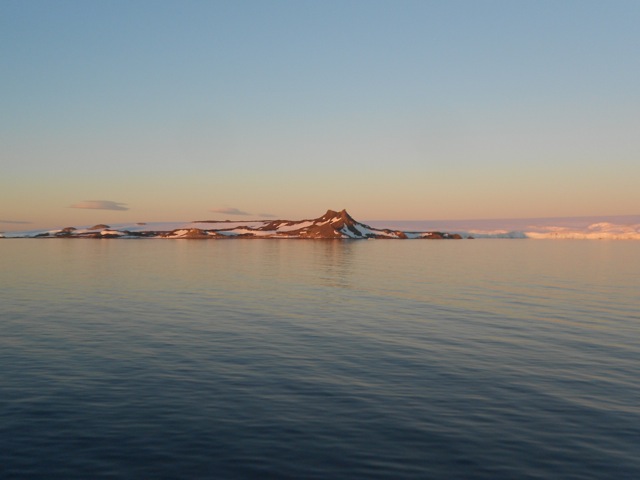
Out first sunset in Antarctica was like nothing we’d seen before…

DSCN1667

…shining pink across the ice.

DSCN1670

Next, we’re off Along The Great White Peninsula.

The Antarctic Voyager.
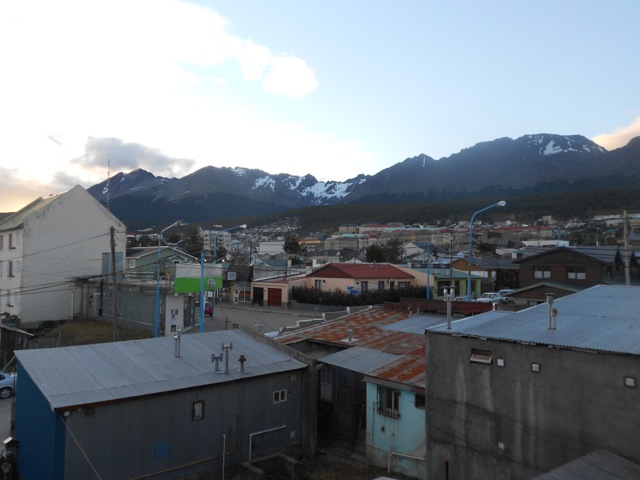
Ushuaia, Tierra Del Fuego, Argentina

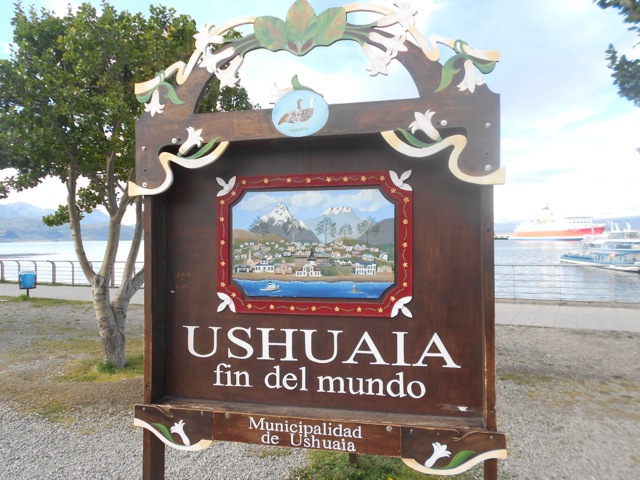
Ushuaia is the city at ‘fin del mundo’ – the end of the world. It’s the southernmost city in the world located on Tierra Del Fuego, an island at the southern end of Patagonia shared by Argentina and Chile. Apart from the other islands of southern Patagonia, the only place further south than here is the great White Continent.

DSCN1458

The taxi drive from the hostel in Buenos Aires was a rather exciting and scary experience. I shared with a Japanese lady and the pair of us huddled in the back seat as we hurtled headlong along the motorway to the airport. While the lanes were well-marked, the driver didn’t seem to notice them. He shot along at 130km, weaving madly even though the road wasn’t busy. We both felt safer once we arrived at the airport.

The 3 hour and 45 minute flight became an adventure of its own when fog in Ushuaia forced the plane to land at Rio Gallegos, some distance to the north, to sit it out. Thankfully it didn’t take long. The approach to Ushuaia was along the Beagle Channel which separates Isla del Tierra Del Fuego from Isla Navarino to the south. As we descended into the airport the sights were mind-blowing with snow-capped, rocky mountain peaks on either side.

wpid-dscn1460-2013-02-26-15-13.jpg

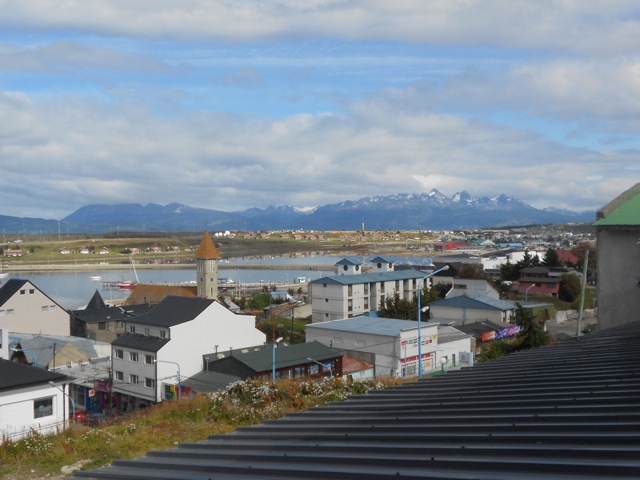
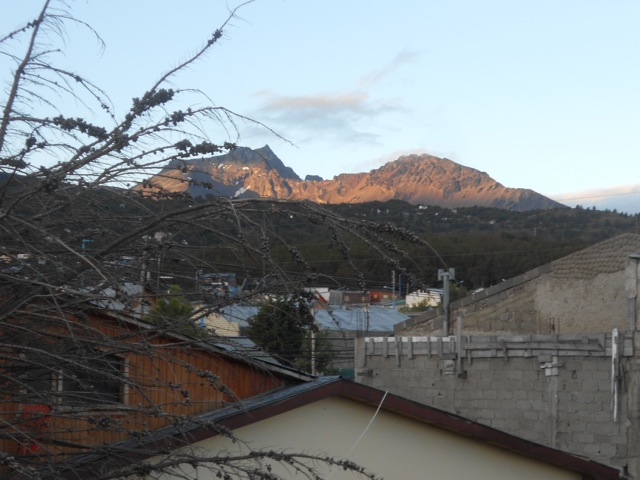
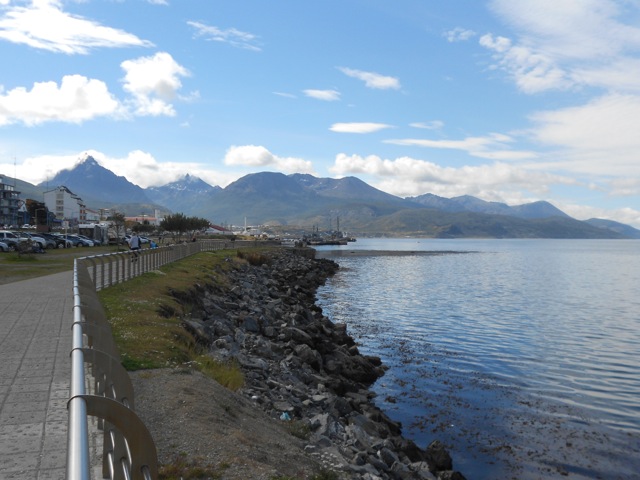
Ushuaia was larger than I expected. I’d pictured a quaint little port township nestled on the edge of the mountains, but it’s actually quite large. Stepping out of the airport the sights were amazing, the city nestled under the mountains on the edge of the channel with the mountains spreading from horizon to horizon.

wpid-dscn1464-2013-02-26-15-13.jpg

While I’d been warned not to expect much from the weather, it was fairly clear when I arrived and over the next couple of days, became cloudy and overcast. The mountains usually begun the day covered in cloud, only to clear as the day progressed.

DSCN1468

The Ushuaia Freestyle Hostel was a fairly nice place although like most cram as many people into a small amount of space. There were several common rooms including a large TV room and games room on the top level. Mostly the staff were friendly, although one or two had an ‘I don’t really care’ attitude unless you were spanish or an attractive woman. The wireless internet was pretty poor forcing everyone to wait for the two provided computers or go into town.  While one of the better hostels in town, it closed down shortly after I was there, becoming part of hotel next door.

wpid-dscn1466-2013-02-26-15-13.jpg

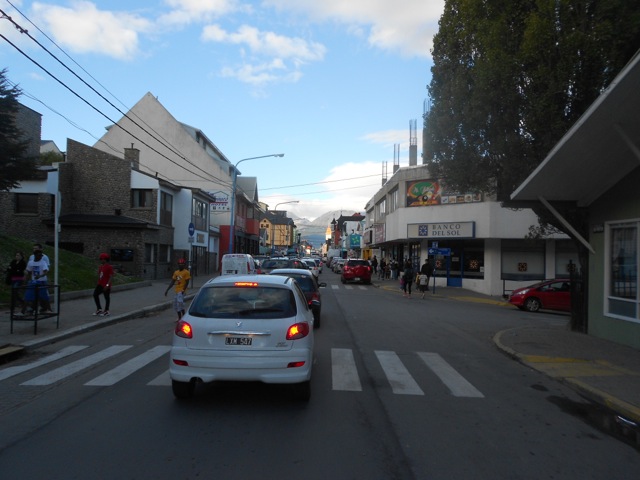
Downtown Ushuaia was a lot larger than I expected, the main road being quite long and for the most part has shops along both sides. The city is a little touristy, which isn’t a bad thing, and it actually has a full supermarket, something I wasn’t able to find in central Buenos Aires. There are all sorts of shops here and many more shopkeepers speak english than in Buenos Aires, but I was still unable to find a mini SIM card at one of the many mobile phone stores. Not that I needed to call anyone, it would have been useful to have a steady means to get access to the internet.

DSCN1470

Overall, Ushuaia was beautiful and even at the end of summer, it wasn’t that cold.  I did get some strange looks walking around in the middle of the day in flip-flops and a t-shirt. Evenings got cooler, but not freezing.  It was just chilly enough to be refreshing (for me anyway) but most people were decked out in their warm clothing. I still carried a jacket, just in case, but got hot quickly climbing up the hill to the hostel or when I entered an air-conditioned shop. Winter there would be seriously icy.

DSCN1459

I went to Ushuaia with no strict travel plans and just figured it out as I went. I did book one of the Antarctic cruises, for 12 days and it cost me more than I had planned, but when was I going to have the opportunity again? It did mean I had 10 days to kill in Ushuaia.

Here are some of the adventures I had in region:

Other things to do in the region I didn’t get time for:

  • Tierra del Fuego National Park for short walks and Lago Roca
  • Dublin Bar, the southernmost Irish pub in the world
  • Skiing at Cerro Castor (in winter)
  • The Maritime Museum of Ushuaia
  • The 4-5 day Dientes Circuit hike

Next, I headed off on my Antarctic Voyage.  On my return from the great white continent, I caught a bus north to Punta Arenas, Chile.

So many adventures to be had. But thus is life.

The Lone Trail Wanderer

Buenos Aires, Argentina – Impressions

After an exhausting 11-hour flight from Auckland to Santiago de Chile, wandering around the Aeropuerto Internacional, I quickly realised my 8-week spanish course hadn’t prepared me for being in a place where no-one speaks english. The airport wasn’t the most straightforward of places, but I eventually found my way to my connecting flight, not before walking up and down the airport at least a dozen times.  Luckily I had plenty of layover time.

As I flew out of the pencil thin country the sight of the many layers of the Andes blew my mind. Alas, my phone battery had died on the long flight so was unable to take photos.

Unlike the rather mountainous and brown Chile, Argentina is flat and plentifully green. Two hours after leaving Santiago de Chile I landed in Buenos Aires, a sprawling city of 13 million people. I booked my bus to the hostel and 90 minutes later I arrived. Being driven around Buenos Aires is an experience. There are lines on the road to help make things orderly but few drivers use them, they jam themselves in willy nilly. On several occasions we nearly clipped another vehicle, a regular occurrence based on the amount of dents many cars have.

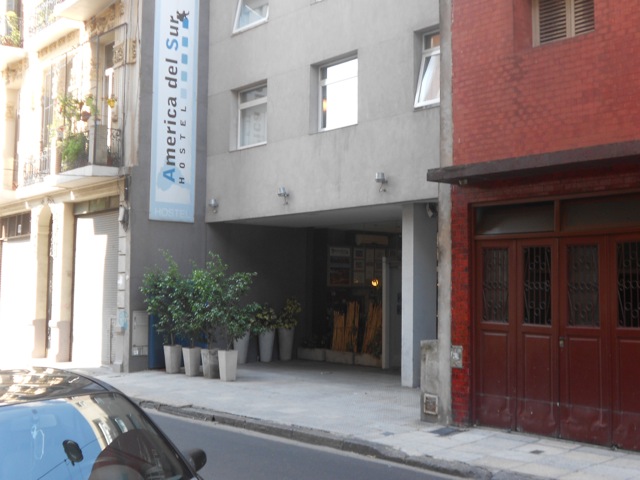
I stayed in the America del Sur Hostel in the inner city suburb of San Telmo and found it an excellent hostel. The english speaking staff were always helpful, the beer fridge well stocked, and the wi-fi was good.

DSCN1456

It was hot and muggy in Buenos Aires, but since I’d been living in Brisbane I was used to it. I took my opportunity to wander the streets and see what was around. I’d originally planned a bicycle tour so didn’t take many photos, but due to flight changes didn’t end up taking the tour.

While touring Australia a couple of months earlier I’d been notified that my flights to Ushuaia had changed. Two days before the flight I was notified that it’d been changed again, a day earlier.  This cost me money to try to contact them, prepaid nights at the hostel and caused me to miss my bicycle tour. This wasn’t the first trouble I’ve had with Orbitz – a US travel company – and do not intend to use them again.
DSCN1455

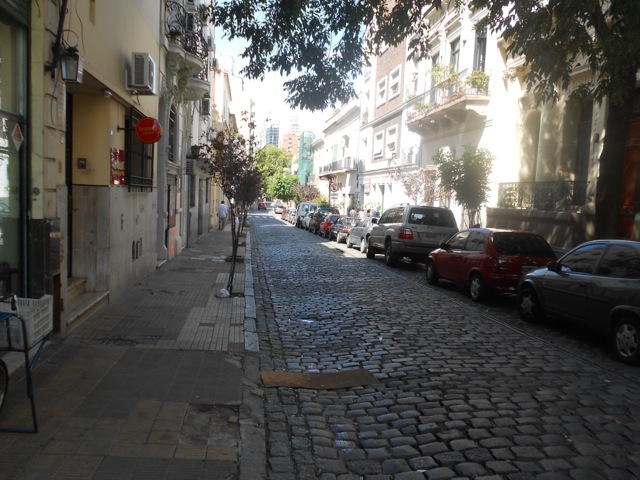
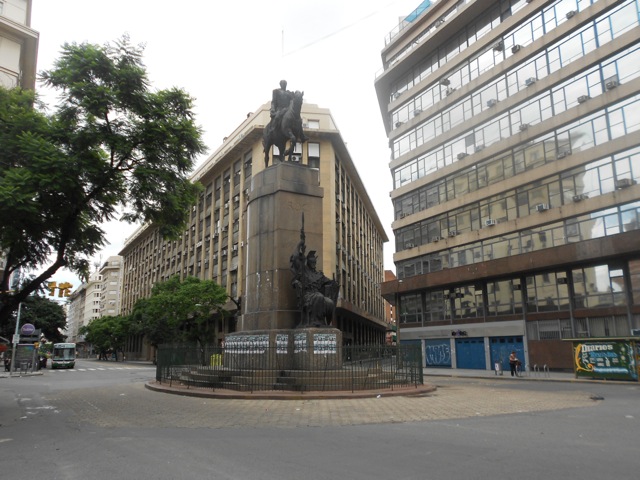
The streets of Buenos Aires are narrow and many are paved. They must hold regular elephant races through the streets as many footpaths are smashed and have jagged concrete sticking up in many places. After a bit of a walk I found a statue, parliament house and the main central city open-air shopping mall.

DSCN1452

While there were plentiful police around, I stayed aware of the people around me and a kept my hands near my valuables. Buenos Aires has a dangerous reputation for petty crime with street thugs, pickpockets and muggings.  For my first Latin American experience I erred on the side of caution.

The open-air mall was very large, continuing for many blocks and crossing roads – mostly one way streets, where cars race by almost unannounced. There was also the ever-present call of ‘cambio, cambio’ – change, change – from black market foreign money exchangers.  I was warned not to use their services even though they can offer some excellent rates, but since they only accept US dollars and the Euro, I had nothing to change anyway.

DSCN1453

They have everything you could need in the central city, although the streets are dirty, with rubbish, dog faeces, people sitting around at random spots, old buildings, broken foot paths, broken buildings and the smokers – EVERYONE smokes. But this doesn’t make Buenos Aires a bad place, just mysterious, quaint and smoky.

Then, just as I started to get used to it, it was time to leave. My stay in Buenos was about settling into a foreign speaking country, dealing with the culture shock and getting a few things sorted for my ongoing trip.

Next, I headed to Ushuaia, in the province of Tierra del Fuego – Land of the Fire – the southernmost region of Patagonia.

The Lone Trail Wanderer

Bachan Caves – Snowy River National Park

As a planned rest stop after Wilsons Promontory I stopped off at Bachan to check out the caves. I hadn’t organised adventure caving, so was going to just do a standard tour.

There are two cave tours at Buchan. They were discovered in the late 1800s when looking for cave systems to match the tourism of New South Wales.

Both tours had a full compliment of 25 on them, so were rather busy and noisy.

The Fairy Cave

Roof formations:
wpid-dscn1272-2013-01-12-14-09.jpg

Columns forming:
wpid-dscn1286-2013-01-12-14-09.jpg

Stalactite garden:
wpid-dscn1290-2013-01-12-14-09.jpg

Stone ribbons… With a light on the other side they can be seen through. Also called bacon strips.
wpid-dscn1303-2013-01-12-14-09.jpg

A frisky floor:
wpid-dscn1305-2013-01-12-14-09.jpg

The Royal Cave

Rock ears:
wpid-dscn1332-2013-01-12-14-09.jpg

Rock straws forming:
wpid-dscn1341-2013-01-12-14-09.jpg

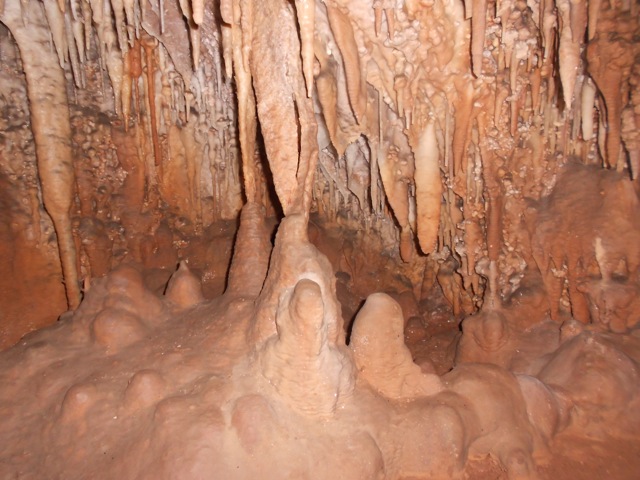
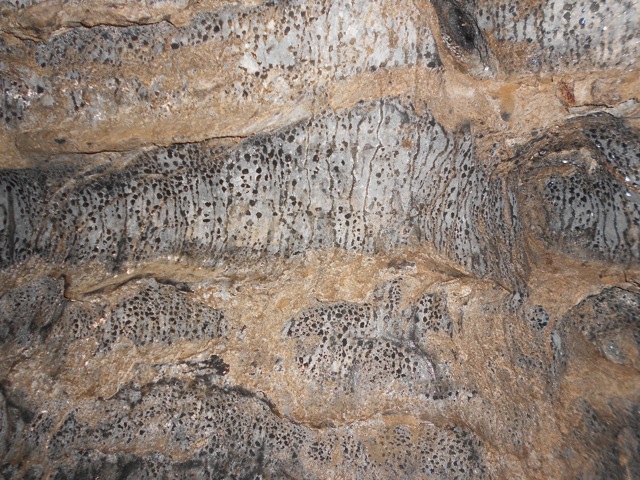
Pure calcium carbonate – ancient fossils – form the wax coloured formations:
wpid-dscn1342-2013-01-12-14-09.jpg

Crystal structures:
wpid-dscn1356-2013-01-12-14-09.jpg

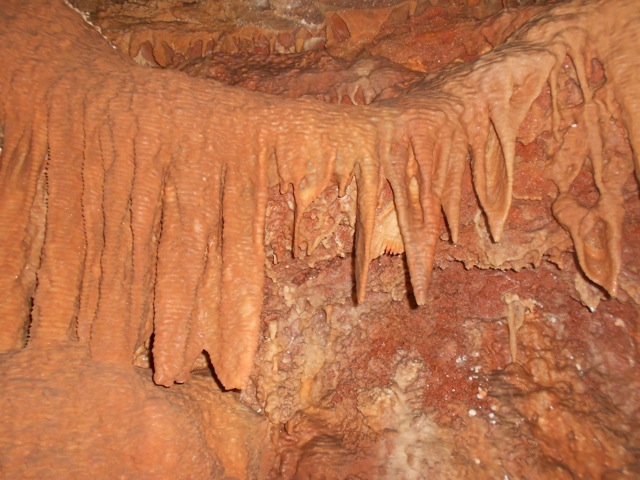
Redness means iron deposits:
wpid-dscn1374-2013-01-12-14-09.jpg

Next, I’m off to Mt Beauty for a couple of days of rest before climbing Mt Bogong – tallest mountain in Victoria – on the Bogong high plains.

The Cave Wanderer

Mole Creek Adventure Caving – Tasmania

About 100km from Cradle Mountain is a place called Mole Creek. It’s known by many as Australia’s best Adventure caving region, and while I can’t dispute that, I’m happy just to go do some Spelunking.

I’d prearranged to do a full day adventure caving session, which takes us through only 2 of there many different cave systems. The group I organised through is Wild Cave Tours and can be found at: www.wildcavetours.com

wpid-dscn0915-2013-01-7-12-29.jpg

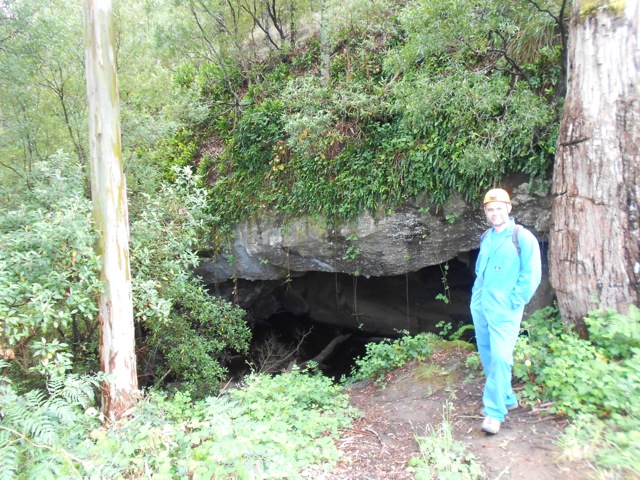
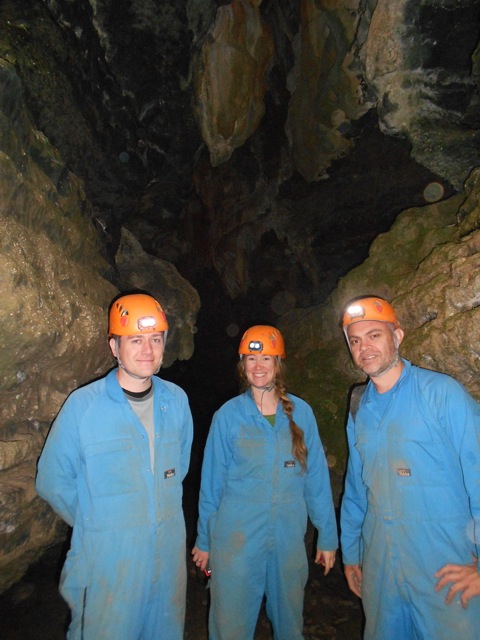
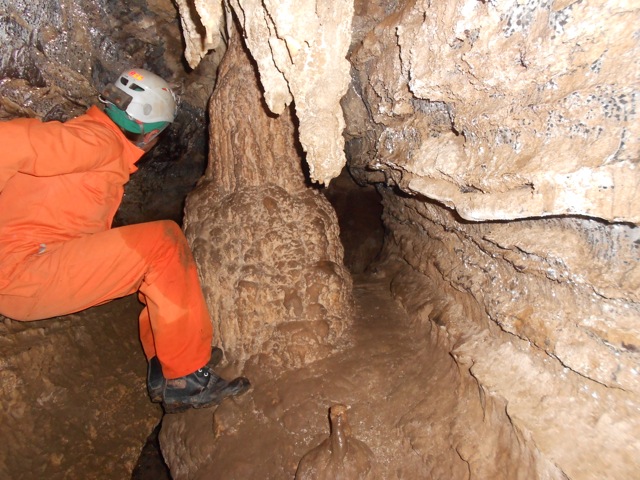
The difference between Show Caving and Adventure Caving is how the caves have been set up for tours. In Show Caves, tourists wander through pre lit caves, often with steps carved into the floor and just have to walk or perhaps stoop a little. In Adventure Caving you don the overalls, clip on a helmet with a head torch and crawl, scramble, wiggle and slide around the caves. It can be dirty but fun…

wpid-dscn0962-2013-01-7-12-29.jpg

As it was raining and cold outside the three of us Spelunkers chose Honeycomb Cave and Sassafras Cave. If the weather had been better we’d have likely chosen caves that were more challenging, but rain makes cave entrances slippery and river caves very cold.

Honeycomb Cave
As the name would suggest, there is a honeycomb of tunnels on multiple levels with various different limestone formations…

wpid-dscn0931-2013-01-7-12-29.jpg

…some that needed to be squeezed through…

wpid-dscn0933-2013-01-7-12-29.jpg

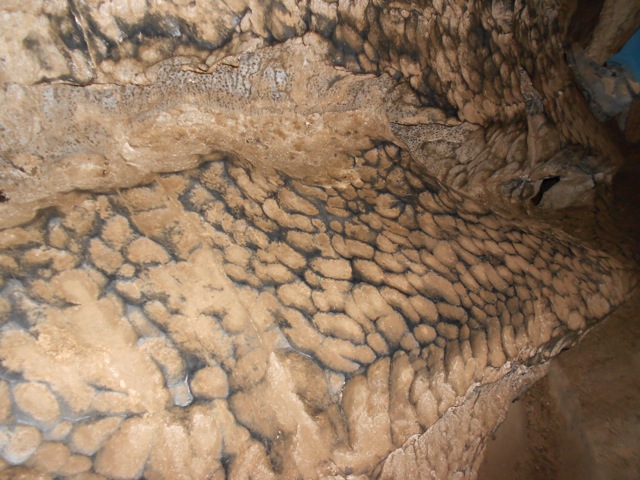
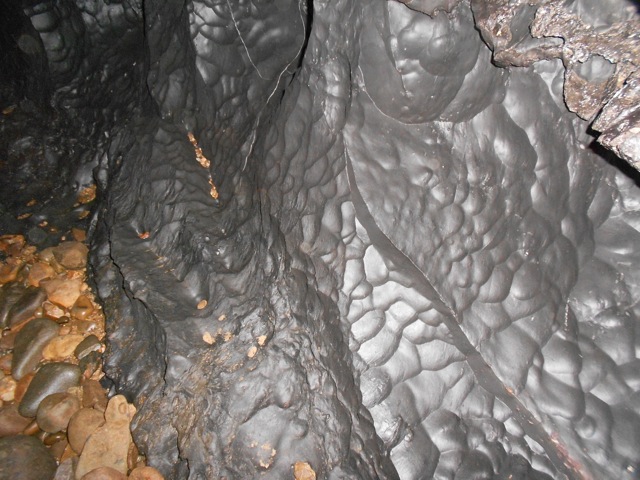
…some with interesting coloration…

wpid-dscn0934-2013-01-7-12-29.jpg

… scolloping…

wpid-dscn0937-2013-01-7-12-29.jpg

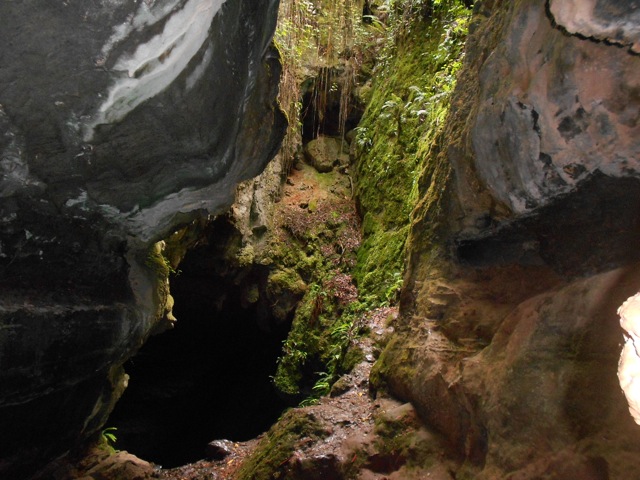
and the occasional daylight holes contain relict rain forests.

wpid-dscn0929-2013-01-7-12-29.jpg

Sassafras Cave
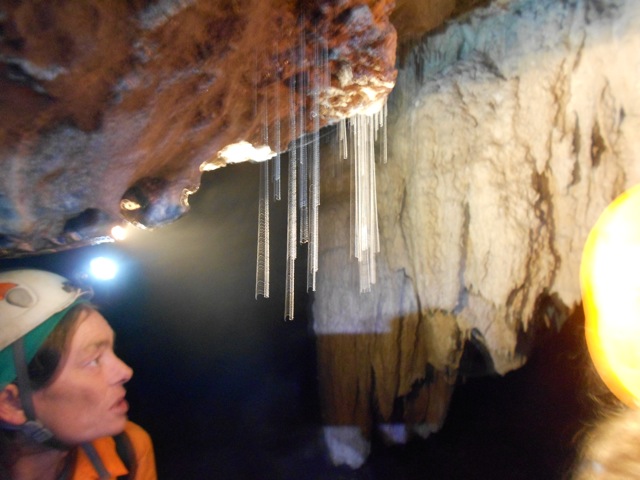
This was a different style of cave than the honeycomb. It was a long and low ceilinged with many glow worms along its length, most of them with their tell tail hanging strings.

wpid-dscn0969-2013-01-7-12-29.jpg

At one stage, in a grand cathedral cave, we turned off our lights for quite some time, and sat in the dark as our cave leader played the flute. Not only are the acoustics great, but glow worms seems to respond to the sound. Very meditative.

The tour comes with morning and afternoon tea and a great lunch. Well worth the money if you’re in the area and not too claustrophobic.

Next I’m off to do Australia’s most famous hike…The Overland Track.

The Cave Wanderer