Category Archives: Asia

Koh Phi Phi

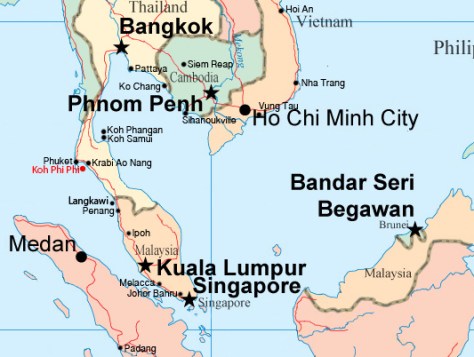
Koh Phi Phi (pronounced ‘co pee pee’) is a small group of islands off the coast of Phuket in Thailand. While a small time tourist destination in the 90s, since the release of the film “The Beach”, which was partially filmed on the island group’s second largest island, tourism has exploded.
wpid-thailand-kohphiphi-2014-12-23-11-55.jpg

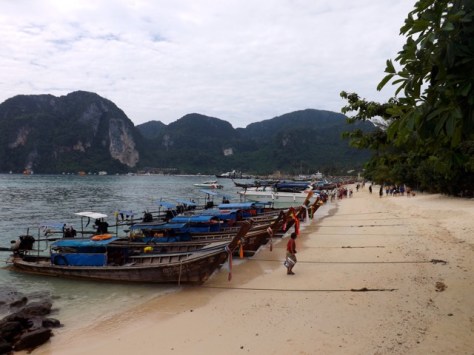
Koh Phi Phi Don, the largest island, has a pair of limestone ridges with a thin area of beaches connecting them. This strip of sandy isthmus forms a double-sided bay which is completely covered in resorts, housing, bars and hostels. On December 26, 2004, the water in both bays receded before tsunamis flowed in to meet in the middle, completely devastating the island.

Unlike Phuket, where businesses took only months to get back on their feet, it took 6 years to rebuild the base infrastructure, with construction still continuing 10 years later.
wpid-dscf5989-2014-12-23-11-55.jpg

The most popular daytime activity here is visiting the islands and spending time out at sea, snorkelling and diving. While the bad weather that had plagued us up the Malay Peninsula continued, I booked a day out on a boat anyway, to do some snorkelling and check out some of the beaches.

Beaches
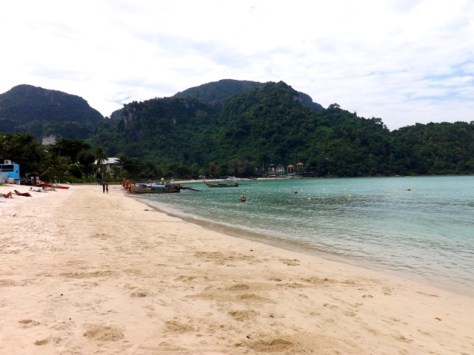
The soft golden sand of the isthmus stretch between the pair of limestone ridge-lines giving great views from both beaches.
wpid-dscf6003-2014-12-23-11-55.jpg

Beyond getting out on the water, sitting on the beach is where most people can be found during the day.

Nightlife
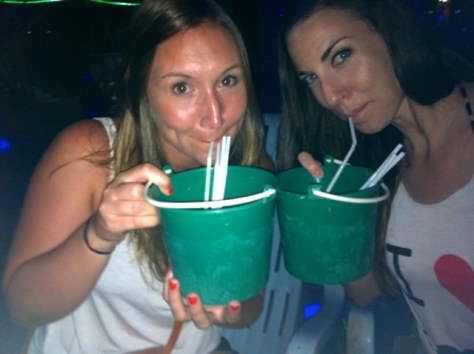
The nightlife is one of the major reasons people come Koh Phi Phi and perhaps also its worst aspect. Koh Phi Phi Don is a haven for 18-25 year olds to drink copious amounts of alcohol and act stupidly. Many outlets even sell drinks by the bucket, and I’m not talking about a handful of bottles of beer in a bucket, I’m talking about a bucket of spirits.
wpid-img_2992-2014-12-23-11-55.jpg

Monkey Beach
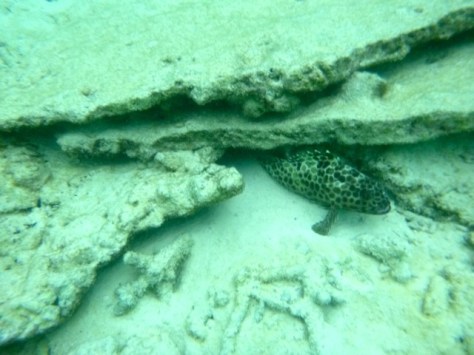
While the waters in this part of the world are usually clear and rife with fish, the bad weather had churned it up a little. The best area in the water was just outside Monkey Bay with large areas of spiky sea urchins and fish.
wpid-p1000339-2014-12-23-11-55.jpg

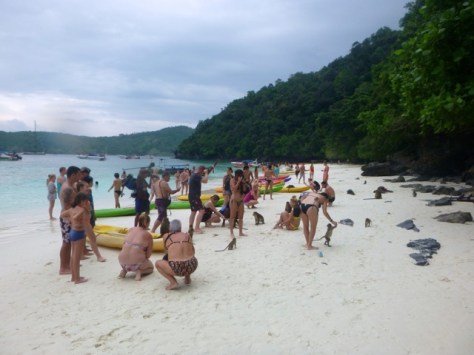
Monkey Beach is, as the name suggests, a beach where monkeys harass tourists for food. There are plentiful young and some have a tendency to chase the tourists and bite them.
wpid-p1000342-2014-12-23-11-55.jpg

Bamboo Island
North of the main islands, this island is surrounded by golden sandy beaches. Because the wind was increasing, we kayaked from the boat to the island instead of swam.

wpid-p1000346-2014-12-23-11-55.jpg

On a sunny day the island would have the mystique of a desert island with nothing more than soft sand, a calm crystal clear ocean, bamboo and, because it’s Thailand, a bar.

wpid-p1000348-2014-12-23-11-55.jpg

Maya Bay
Renown for being the location where the movie The Beach was filmed, it’s a popular place with people swarming to it every day. While the beach is spectacular, it’s still little more than just a golden sand beach with limestone hills around the mouth of the bay.
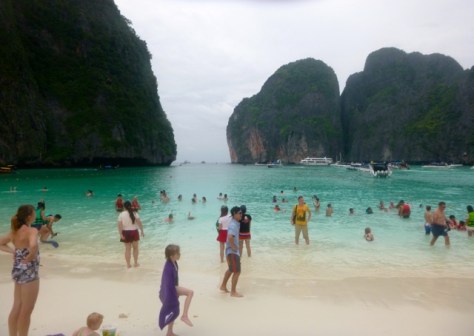
wpid-p1000330-2014-12-23-11-55.jpg

The inland area, as seen on the movie, is not actually on the islands. But around the bay around the beach has crystal clear turquoise waters.
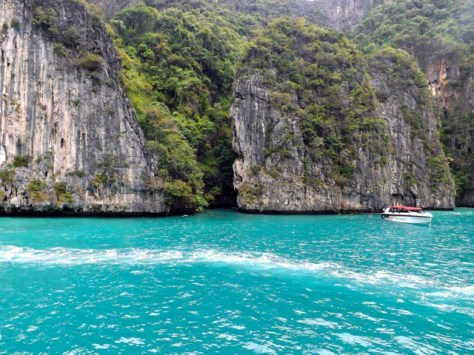
wpid-dscf6029-2014-12-23-11-55.jpg

Overall, Koh Phi Phi was a little disappointing as its main purpose seems to revolve around young adults getting hammered, spending the day recovering on the beach before doing it again the next night. The setting is beautiful and was otherwise only hampered by the rain.

Next we cross the Malay Peninsula to the island of Koh Samui.

The Trail Wanderers
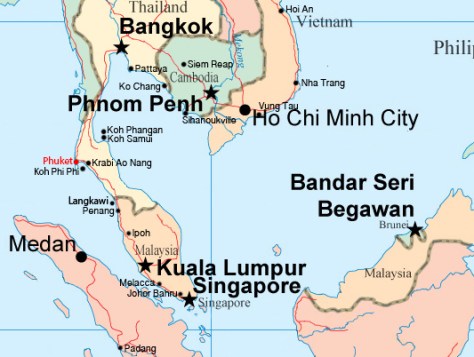
Phuket, Thailand – Impressions

While Phuket is the largest island in Thailand it’s only three-quarters the size of Singapore. Like much of this portion of South-East Asia Phuket grew because of a Tin mining industry supplemented by trade in Rubber.

wpid-thailand-phuket-2014-12-21-16-49.jpg

In 2004 the island was hit hard by the Boxing Day tsunami which devastated its west-coast beaches and lowlands. Officially some 250 people including tourists were killed, unofficially 1000 illegal Burmese workers were also thought to have been killed. Within 2 months most of the resorts in the area were back in business and within a year little evidence of the tsunami remained.

Sickness Strikes
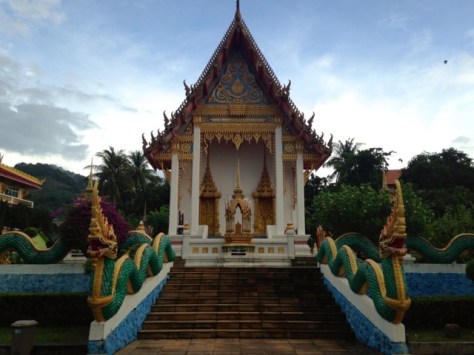
Our visit to Phuket would begin with sickness. On the bus into Thailand I succumbed to a virus that would see me sleep through our first two days. Whenever I awoke I would be so groggy all I felt like doing was sleeping. After forcing myself to eat, I took some pain killers and seemed to snap out of it. On my first well afternoon we went for a walk and discovered the pretty Wat Suwankiriket.

wpid-img_2293-2014-12-21-16-49.jpg

Karon Beach
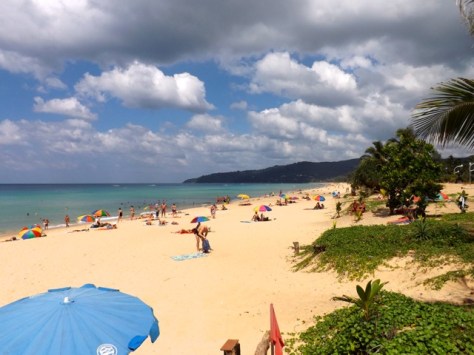
Near where we were staying, Karon Beach is popular with tourists especially couples and families. The area has a strong Eastern European influence and a very popular holiday spot for Russian visitors.

wpid-dscf5981-2014-12-21-16-49.jpg

Patong Beach
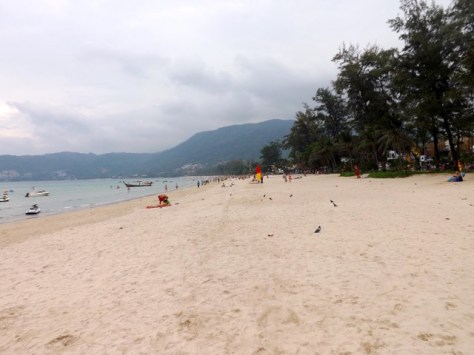
Not far from Karon Beach, Patong Beach has amazing golden beaches. The Patong area is popular with singles and those who enjoy partying as it has extensive nightlife in areas such as the famous Bangla Road and the Paradise Complex.

wpid-dscf5979-2014-12-21-16-49.jpg

Sickness Strikes Again
I extended our stay in Phuket to make up for the days I’d lost due to sickness. This was to allow me to see places such as Bangla Road at night, the Giant Buddha, Old Phuket Town and Promthep Cape. But alas, the sickness I’d experienced on the first couple of days struck again. I spent much of the day in bed sleeping it off. I’ll just have to return to the city at another time.

Next we’re off to Koh Phi Phi Islands where I’m hoping to have better luck with my health.

The Trail Wanderers
Langkawi Island, Malaysia – Impressions

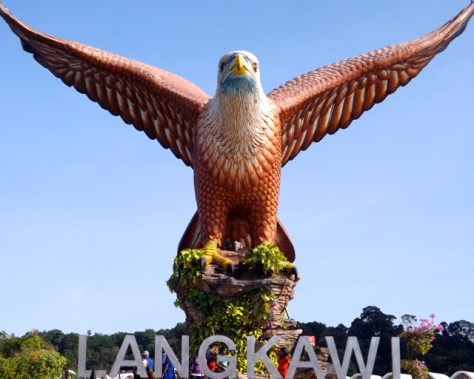
Langkawi the Jewel of Kedah, as it’s officially known, is Malaysia’s answer to Bali, albeit a much quieter version. Tourists come to the island because of the amazing beaches and the lack of crowds, giving it a more secluded feel than nearby Penang.

wpid-malaysia-langkawi-2014-12-12-17-00.jpg

Langkawi, meaning Island of the Reddish-Brown Eagle, was originally believed to be cursed. A beautiful young woman named Mahsuri was accused of adultery and executed on the island. With her dying breath she brought down a curse of bad luck for seven generations. Her tomb is a popular tourist location, although a village has been built around it and fees charged to enter.

wpid-dscf5960-2014-12-12-17-00.jpg

Palau Langkawi is slightly larger than Penang Island and like its southern sister, the best way to get around it is via scooter. Yay! While more expensive to hire than in Penang they’re still cheap at only NZ$12 per day. A tank of gas will cost just over NZ$2 and will get close to two laps around the entire island.

Beaches
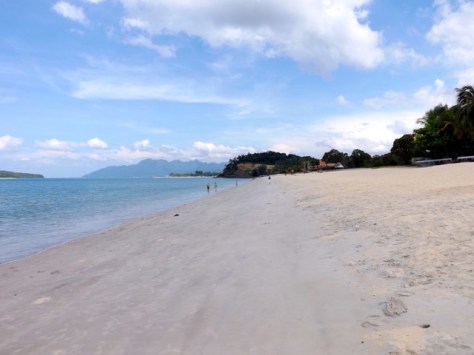
Surrounded with beaches of white sand, Langkawi is definitely a picturesque paradise. Most people stay in the touristy Cenang area, with Pantai Cenang perhaps the beach most similar to Kuta Beach in Bali.

wpid-dscf5975-2014-12-12-17-00.jpg

And within walking distance is another popular beach, Pantai Tangah.

wpid-dscf5963-2014-12-12-17-00.jpg

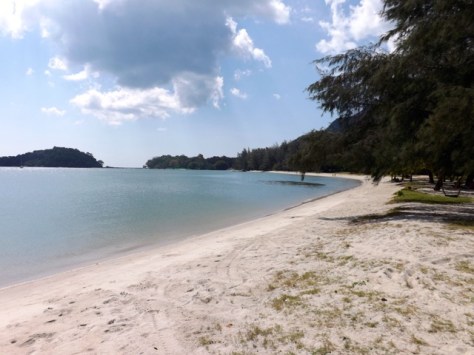
If you have transport, there are more beaches within reach. Only 30 minutes north is the empty Pantai Kok.

wpid-dscf5908-2014-12-12-17-00.jpg

And another 30 minutes through the mountains to the northern side of the island there’s such beauties as Pantai Tanjung Rhu, right near Scarborough Fish n Chips, the best on the island.

wpid-dscf5948-2014-12-12-17-00.jpg

Waterfalls
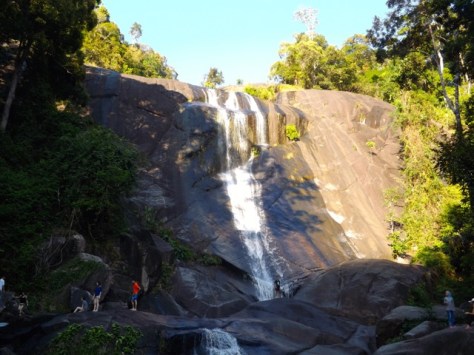
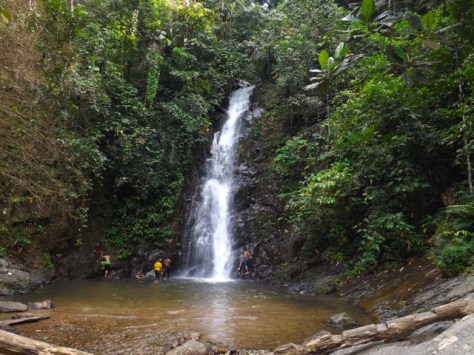
Scattered around the island are several waterfalls. While they aren’t spectacularly tall or wide, they’re enjoyed by locals and visitors alike as swimming spots. On our scooters, we stopped by at 7 Wells waterfall…

wpid-dscf5938-2014-12-12-17-00.jpg

… and Durian Perangai Falls.

wpid-dscf5953-2014-12-12-17-00.jpg

Oriental Village

Located at the northern end of Pantai Kok, the oriental village is an open air complex surrounding a small lake. It’s an entertainment zone with many different things to do. For the kids, there’s the water balls, round or tubular…

wpid-dscf5915-2014-12-12-17-00.jpg

The village, while not very oriental looking, has elephant rides, eagle viewing, tiger watching and snake cuddling…

wpid-dscf5923-2014-12-12-17-00.jpg

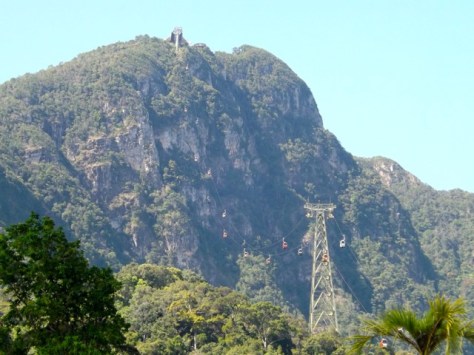
It’s also home to the Skycab, the cable car that takes people to the top of nearby mountains…

wpid-dscf5914-2014-12-12-17-00.jpg

The panoramic views over most of the island are spectacular. While the ascent can be a little breathtaking, the journey is worth it for the views alone.

wpid-dscf5934-2014-12-12-17-00.jpg

Overall, Langkawi is a perfect place to take a break away from the world. With only 65,000 residents, it’s a very peaceful place with a handful of tourist options and many beaches to relax at.

Next we head north for the craziness of Christmas and New Years in Thailand.

The Trail Wanderers
George Town, Malaysia – Impressions

George Town is a city at the north-eastern corner of the Malaysian island of Penang. Named after the British King George III, the island was leased to a British trade boat captain in exchange for protection from the Burmese and Siamese armies. The captain, however, had no intention of fulfilling the lease and instead set up George Town as a trading port.

wpid-malaysia-penang-2014-12-6-21-23.jpg

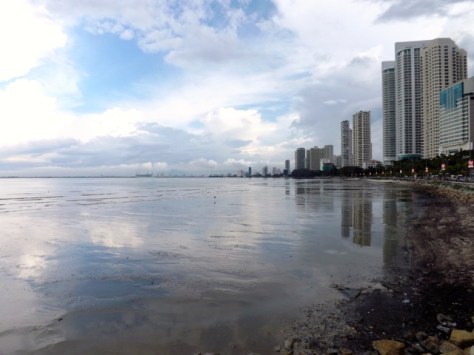
While the island is commonly reached by ferry from the mainland for less than a dollar, it is reachable by road via a pair of bridges. Penang bridge is 13.5km long while the newer Penang 2 bridge is 23.5km. George Town has several long waterfronts adorned with hotels and shipping yards.

wpid-dscf5875-2014-12-6-21-23.jpg

Street Art
Like most other major cities in Malaysia, George Town’s streets are littered with art. In 2012 the city announced a street art project for the annual George Town Festival. Now there are more than 100 pieces on walls across Old City. Some pieces were created by Ernest Zacharevic, the famous Lithuanian artist responsible for other works across Malaysia.

wpid-dscf5815-2014-12-6-21-23.jpg

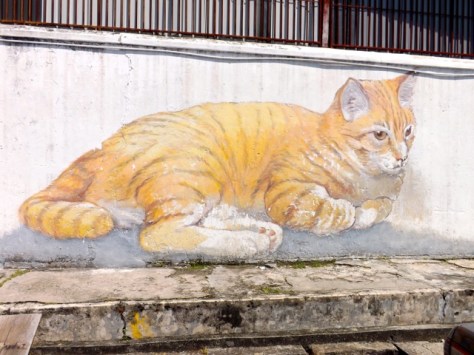
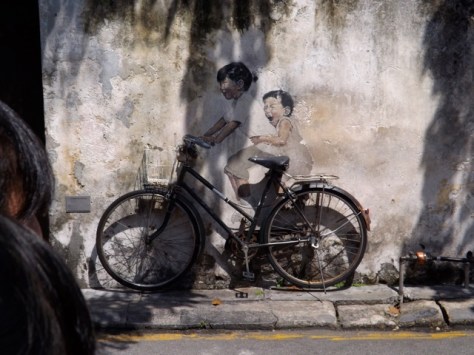
While some of the art is in the form of murals, often with a cat theme, other pieces use props. One of the more famous pieces includes a bicycle set against a plastered wall with a pair of children painted to look like they’re riding it.

wpid-dscf5817-2014-12-6-21-23.jpg

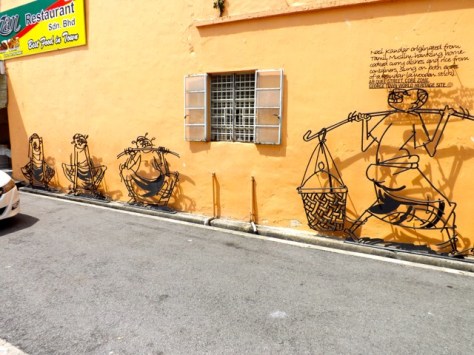
Since the festival, wrought iron comic designs have also begun appearing around Old City.

wpid-dscf5807-2014-12-6-21-23.jpg

Penang Hill
Penang Hill is the tallest hill on the island and is one of the most popular tourist locations. At 883 metres, it gives amazing views over George Town, the coastline and mainland Malaysia.

wpid-dscf5848-2014-12-6-21-23.jpg

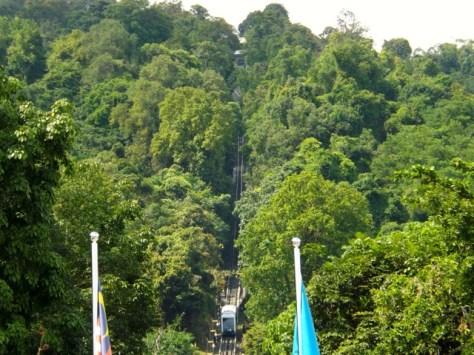
The easiest way to get to the top is by funicular train, a train operated from top and bottom by cable. Near the top the train passes through a brief tunnel, noted as being the steepest train tunnel in the world. While the ascent is fairly sedate with the training chugging up the hill, the descent can be quite exhilarating as it races towards the bottom.

wpid-dscf5853-2014-12-6-21-23.jpg

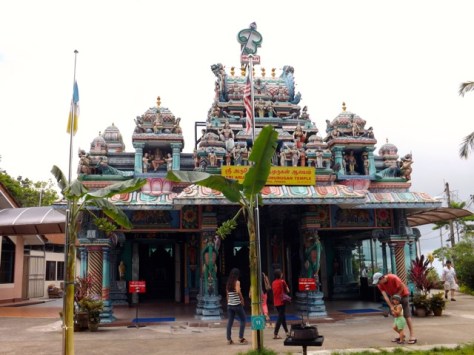
At the top there is a double story food court, several private restaurants, an owl museum, a mosque and a hindu temple.

wpid-dscf5840-2014-12-6-21-23.jpg

Penang National Park
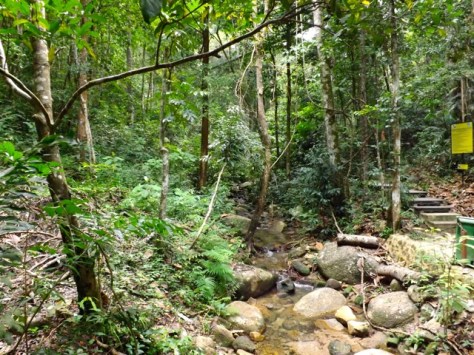
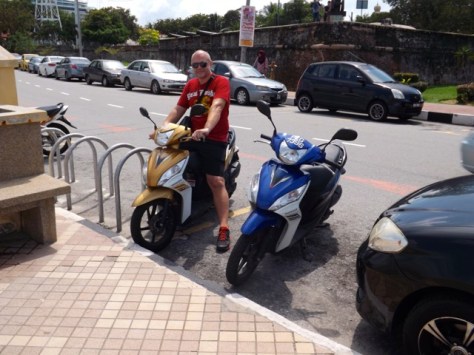
The smallest national park in Malaysia, Tama Negara Pulau Pínang, is in the very north-west of the island, about 13km by road from George Town. There are several ways to get to the national park, by tour bus, local bus, car or as we did, by scooter. We couldn’t help ourselves, we enjoy riding them.

wpid-dscf5855-2014-12-6-21-23.jpg

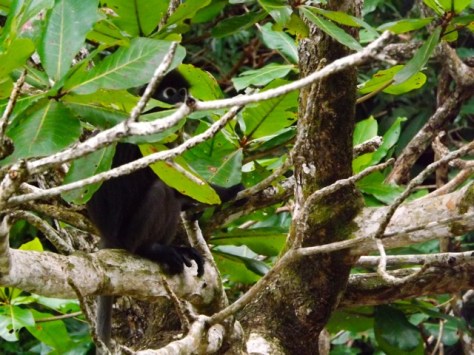
While the park is small, it does have several longer trails, the longest being 6km. There are many species of animals in the park, including two different species of monkeys. This cute but cautious girl is a Spectacled Leaf Monkey.

wpid-dscf5869-2014-12-6-21-23.jpg

With rain imminent when we arrived, we decided to only take a short walk to the Canopy Walk, about 20 minutes along the trail. The Canopy Walk stretches for 250m through the tree tops. Unfortunately, when we arrived it was closed. So we walked back through the forest and along the waterfront to the scooters before heading back across the island.

wpid-dscf5868-2014-12-6-21-23.jpg

Fort Cornwallis
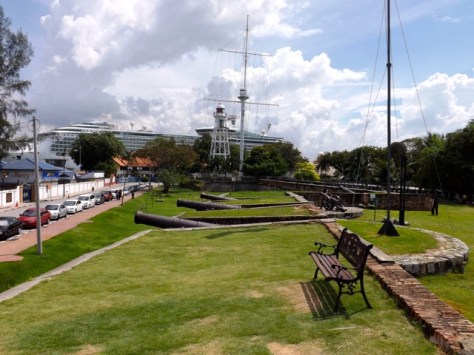
As part of the lease for Penang Island, the fort was built to protect the island from pirates, the Siamese and the Burmese, but it never actually saw battle. The grounds of are now used as concert venue.

wpid-dscf5859-2014-12-6-21-23.jpg

The cannon barrels that remain on the walls are sometimes used by locals as a fertility charm. If flowers are left by barrels it’s supposed to help an infertile woman get pregnant. I guess size does matter when it comes to cannons…

Kek Lok Si Temple
On our way to Penang Hill we spied a very large temple at its base. On our final morning in George Town and with a few hours left of our scooter hire, we headed inland to check it out.

wpid-dscf5879-2014-12-6-21-23.jpg

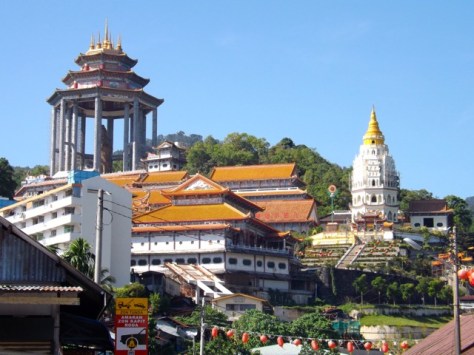
Ken Lok Si, meaning Temple of Supreme Bliss, is said to be the largest buddhist temple in South East Asia. At the temple entrance there are lines of shops, restaurants and a turtle pond, a buddhist tradition. The main Pagoda is built in three distinct architectural styles, the lower third is Chinese, the midsection Thai and the top Burmese.

wpid-dscf5902-2014-12-6-21-23.jpg

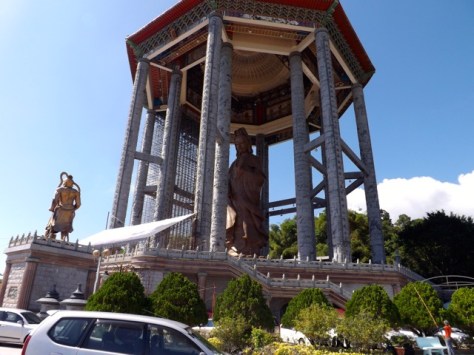
On the hill above the temple, up a 100m skylift, is a 30m tall bronze statue of Kuan Yin, the Goddess of Mercy.

wpid-dscf5893-2014-12-6-21-23.jpg

Overall, George Town has a modern feel about it and is set up both for locals and tourists alike. The Old Town does have a more closed-in feeling, with thin streets and many hostels and guesthouses.

Next we catch a ferry to Langkawi, the Jewel of Kedah.

The Trail Wanderers
Ipoh, Malaysia – Impressions

The third largest city in Malaysia, Ipoh was founded as a tin mining town by the British. The city is generally forgotten by tourists, who head straight from the capital along the major highway to Georgetown on the island of Penang.

wpid-malaysia-ipoh-2014-12-5-16-27.jpg

When we were talking about stopping to Ipoh for a few days, people began asking why. Even the hostel owner in Kuala Lumpur questioned our reasoning with a, ‘but there’s nothing there…’ statement. If anything, this was part of the reason we were going.

Limestone Hills
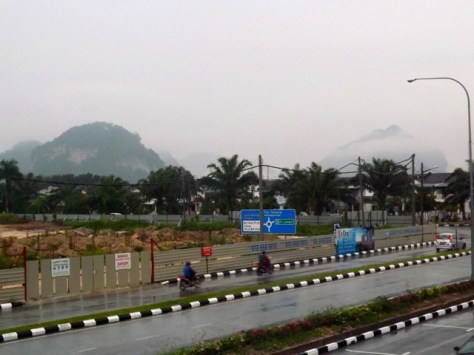
About fifty kilometres outside Ipoh we began to see the limestone hills that are so prominent in the region. Lumps of limestone sticking out of the ground in small groups, scattered at first then more common. Ipoh is surrounded by these limestone hills and they give beauty to a city both in daylight…

wpid-dscf5696-2014-12-5-16-27.jpg

and in the rainy gloom of the monsoon season which, we are told should have ended more than a month ago.

wpid-dscf5795-2014-12-5-16-27.jpg

A Studio Hostel
With Ipoh not being on the tourist circuit, the offerings on popular hostel sites were minimal. But I was able to find a brand new hostel on a site used mainly for booking hotels. I’ve stayed at more than 50 hostels on my travels, but never in a studio hostel. The hostel has only 3 rooms, two of which are bathrooms. There are 8 beds at one end of the main room and several couches, a TV, stereo, fridge, microwave at the other. As we were only the second group to ever stay at the hostel, we had the place to ourselves.

The hostel is in a new building, in an area still under construction. Nearby there are only three supermarkets, three petrol stations and a couple of restaurants, but that was more than enough to make do. Within a year and when more people move to the area, it should thrive.

wpid-dscf5726-2014-12-5-16-27.jpg

City Tours
The lack of tourists means a lack of organised tours, or perhaps the lack of tours means there’s a lack of organised tourists. Either way, the owner of the studio hostel is hoping to establish a market in Ipoh. So to help with the research, he borrowed a car and for a small fee drove us to some of the more prominent features of the town, some even he hadn’t been to.

The Art of Old Town
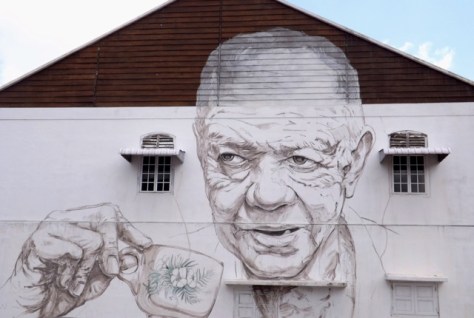
Malaysia has a famous Lithuanian artist, Ernest Zacharevic, who has created murals in most of the major cities across the country. Ipoh is no exception and has 8 of his murals scattered around old town. The murals can sometimes be difficult to find but offer tourists the opportunity to explore Old Town while trying to find these works.

wpid-dscf5740-2014-12-5-16-27.jpg

Some of the works take up the entire side of a building, while others are only 2 metres square and are hidden down side alleyways.

wpid-dscf5748-2014-12-5-16-27.jpg

The rest of the tour took us to four prominent Cave Temples in the region…

Perak Tong Cave Temple
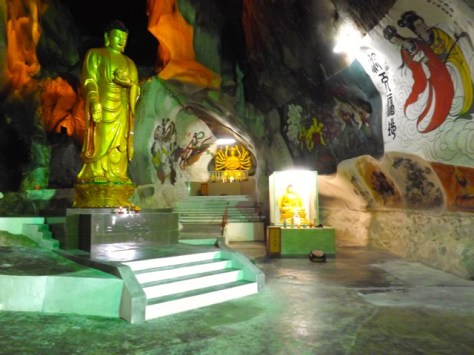
Perhaps the most famous of the 30 cave temples in the Ipoh region, Perak Tong is the most accessible because of its closeness to the central city. Its initial cavern is large with many statues and shrines tucked into corners.

wpid-dscf5719-2014-12-5-16-27.jpg

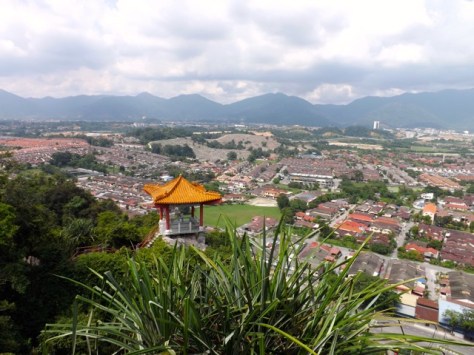
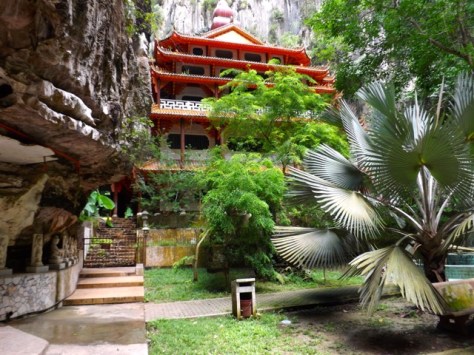
Of all the temples built into limestone hills, Perak is the only one that allows visitors to climb to the very top, where there are several pagodas. While it’s a hot and humid climb up the 450 steps, the most precarious pagoda gives an amazing view out over western Ipoh.

wpid-dscf5727-2014-12-5-16-27.jpg

Sam Poh Tong Temple
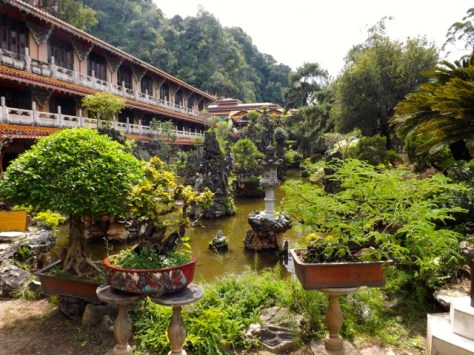
After Perak Tong, Sam Poh Tong is the next most popular cave temple in the region. While the cave is fairly small, it boasts an amazing ornamental garden out front.

wpid-dscf5751-2014-12-5-16-27.jpg

But the true secret of Sam Poh Tong is the small tunnel that leads to the temple, hidden in an open-topped central area of the hill.

wpid-dscf5760-2014-12-5-16-27.jpg

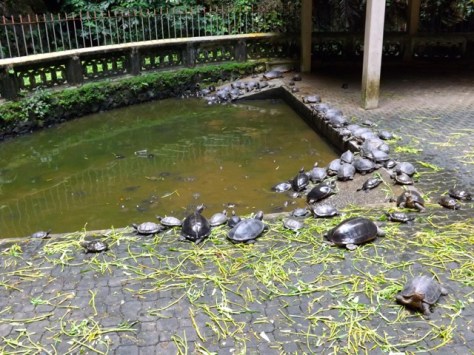
In the same central area as the temple there’s a tortoise enclosure containing five different species.

wpid-dscf5762-2014-12-5-16-27.jpg

Gua Kek Look Tong Temple
This is the largest and most spectacular of the Ipoh cave temples. Created from an old tin mine, the entrance is more sedate that then other temples.

wpid-dscf5773-2014-12-5-16-27.jpg

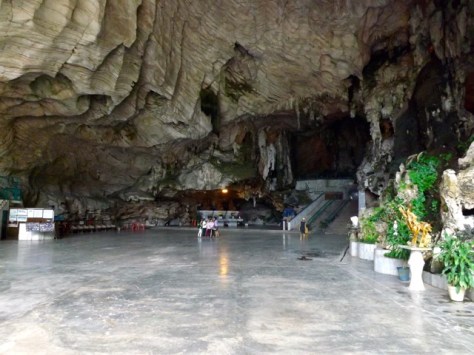
The true magnificence are the massive inner chambers split over two levels, with great stalactites and flowstone.

wpid-dscf5778-2014-12-5-16-27.jpg

On the far side of the double cavern, the cave emerges out onto a peaceful gardens surrounding a pond.

wpid-dscf5786-2014-12-5-16-27.jpg

Dong Hua Dong Temple

This temple is the smallest of the temples we visited. While the caves aren’t large, the climbing design was interesting. Lurking around the temple there are numerous families of monkeys. They have obviously caused strife to the temple, as each of the three cave shrines has mesh covered doors to stop them from terrorising the area.

wpid-dscf5794-2014-12-5-16-27.jpg

With few tourists visiting the area due mainly to the lack of infrastructure, Ipoh is perhaps one of the hidden gems of Malaysia. With its growing popularity, it’s likely not to stay hidden long.

Next, we head north to Georgetown.

The Trail Wanderers

Kuala Lumpur, Malaysia – Impressions

Settled as a tin mining town in 1857, Kuala Lumpur didn’t officially become a city until 1972. Yet it’s the fastest growing metropolis in Malaysia, having exceeded 6.5 million people in just 150 years. Like many other rapidly growing cities, parts of it are construction zones with new buildings and public transport systems being developed.

wpid-malaysia-kualalumpur-2014-11-30-12-49.jpg

While Kuala Lumpur only has a handful of tourist attractions, it’s still a popular destination because of its great food and plentiful shopping areas. It also has a growing arts and theatre scene and many museums, including a very popular Islamic Arts Museum.

Shopping
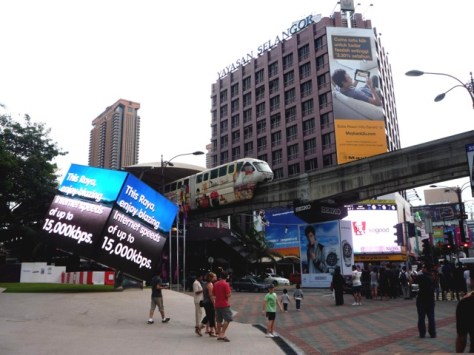
Kuala Lumpur’s ‘Golden Triangle’ area is centred around Bukit Bintang, veritably the Fifth Avenue of Malaysia with it’s massive TV screens and monorail.

wpid-p1070186-2014-11-30-12-49.jpg

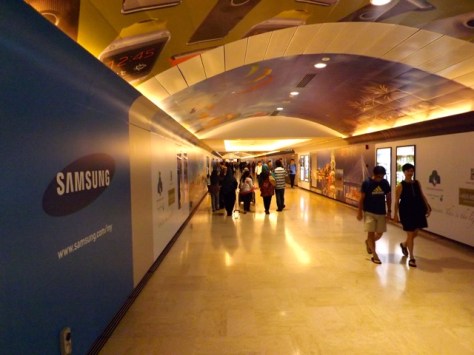
The area is also known as KLCC, Kuala Lumpur City Centre, an area of sky scraping buildings and numerous shopping malls. Most of the buildings and malls in KLCC are connected on their underground levels by tunnels, some simply covered in advertising, while others have shops along their entire length. It’s easy to get lost in this underground tunnel network, as telling where one mall ends and the next begin can be difficult.

wpid-dscf5674-2014-11-30-12-49.jpg

Towers
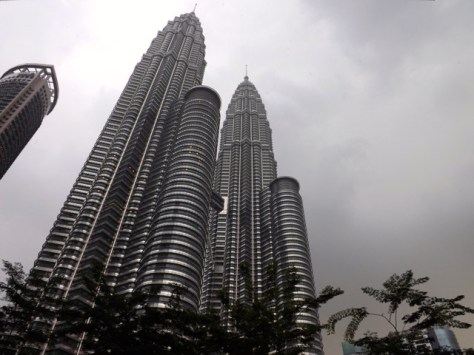
At the heart of KLCC is possibly the most popular central city tourist location, the Petronas Towers.

wpid-dscf5675-2014-11-30-12-49.jpg

There are regular tours up the world’s tallest twin towers to the skybridge on level 41 (also one of the highest in the world) and then to the level 86 viewing area. The view out over the second tower with the KL tower and a rain storm in the background…

wpid-dscf5687-2014-11-30-12-49.jpg

The nearby KL Tower appears to be taller than the Petronas towers only because it was built on a hill. Both offer great views by day and night.

Markets
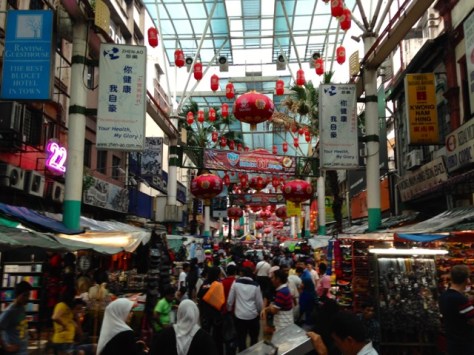
There are two main market areas in Kuala Lumpur, Petaling Street and the Central Market.

wpid-img_2254-2014-11-30-12-49.jpg

While only two minutes from each other the two markets offer different market experiences. Petaling Street vendors tend to more aggressive, mostly insisting that you really want to buy a watch. The Central Market vendors tend to leave you alone unless asked for help.

Batu Caves
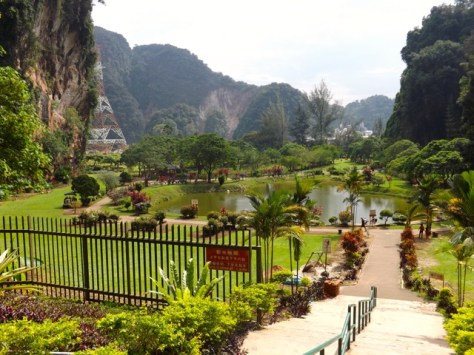
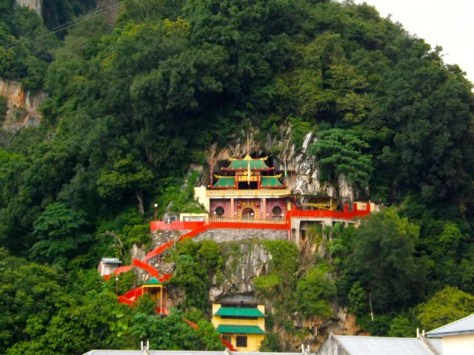
At the edge of the city are the most popular Hindu shrines outside of India. The shrines are in caves high in the wall of the limestone hill with 272 steps leading up to them. Dedicated to the Murugan, the Hindu god of war, the shines take some effort to reach, especially in Kuala Lumpur’s general humidity.

wpid-img_2227-2014-11-30-12-49.jpg

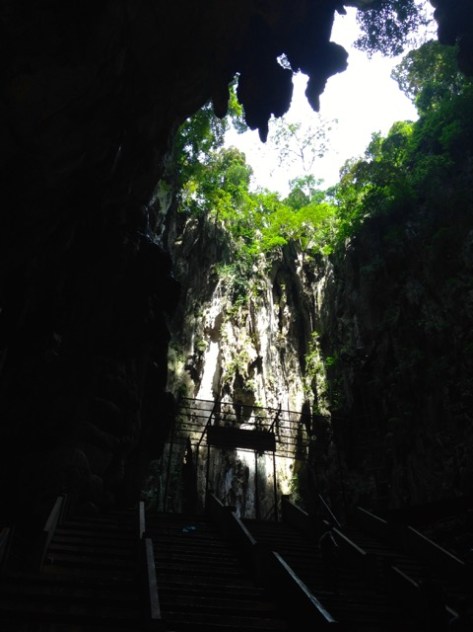
Another set of stairs leads from the main cavern to an open-topped cave where the main shrine is located.

wpid-img_2242-2014-11-30-12-49.jpg

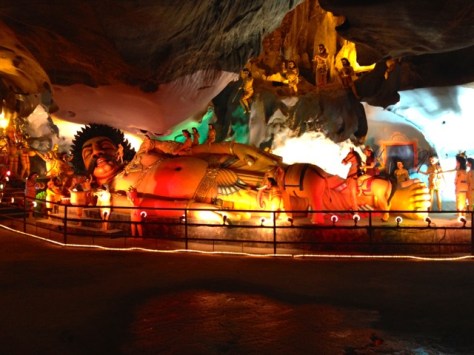
A short distance from the Murugan Caves are the Ramayana Caves. These caves, dedicated to the Hindu god, Hanuman, depicts the Ramayana, an epic indian poem about the avatar Rama. There are many carvings in the cave, although it has yet to be completed.

wpid-img_2195-2014-11-30-12-49.jpg

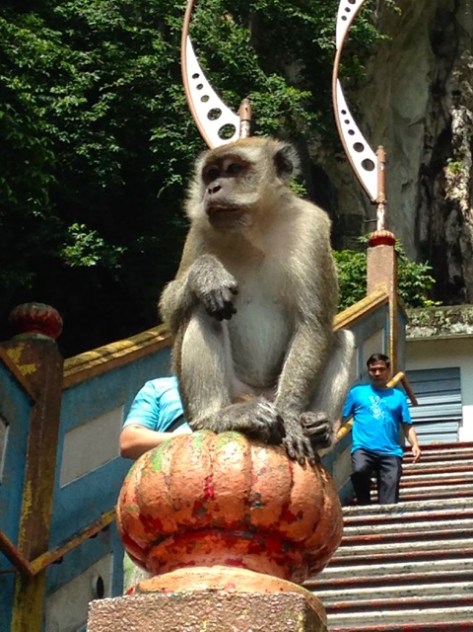
Of course, a general favourite of the caves area are the monkeys.

wpid-img_2234-2014-11-30-12-49.jpg

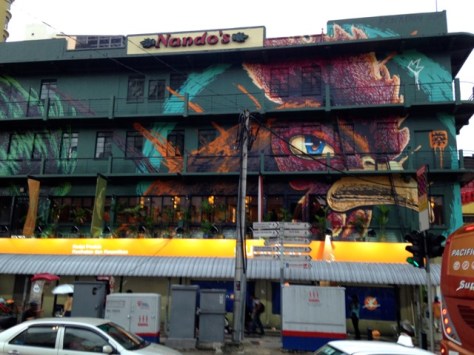
Overall, Kuala Lumpur is a capital city, a great place to hang out for a few days without the need to visit as many tourists spots as possible. We enjoyed the great food, the nightlife and playing Cards Against Humanity with fellow travellers in the hostel. While little is spoken of it in the travel guides, Kuala Lumpur also home to the grande chicken temple of Nandos. A must visit to all chicken lovers.

wpid-img_2260-2014-11-30-12-49.jpg

Next, we head north to the small city of Ipoh.

The Trail Wanderers
Malacca, Malaysia – Impressions

Founded around 1400AD by Sultan Sri Majara, Malacca was established as an international trading port. There must have been something about its location as a hundred years later it was invaded by the Portuguese Empire who slaughtered all of the Muslim inhabitants. A further hundred years on and the Dutch seized the city, near destroying it in the process. Then, two hundred years later and after rebuilding it, the Dutch gave it away to the English.

wpid-malaysia-malacca-2014-11-26-19-33.jpg

After a four-hour bus trip from Singapore, we arrived in the late afternoon to sticky heat and rain. While the rain would stick around for the four days of our visit it didn’t stop us from getting out and about.

Jonker Walk
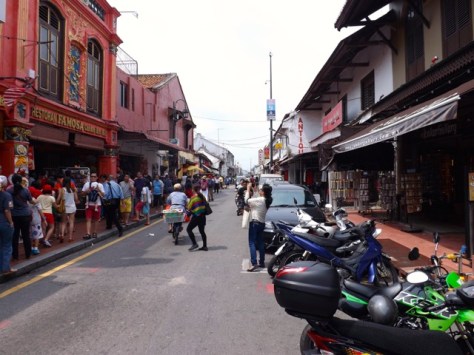
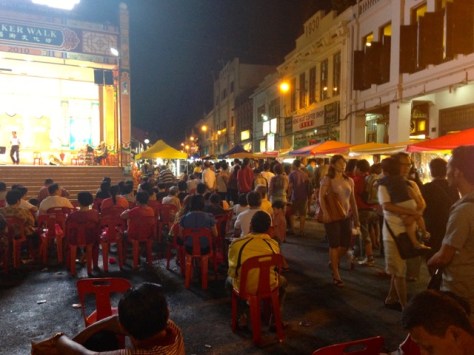
The Chinatown of Malacca, the street is a popular spot for tourist and locals alike. During the day the street is busy with many local stores and cafes.

wpid-dscf5652-2014-11-26-19-33.jpg

Then on weekends, the street transforms into night markets, bustling with local food and includes a large stage where locals can show off their karaoke skills.

wpid-img_2141-2014-11-26-19-33.jpg

Red Square
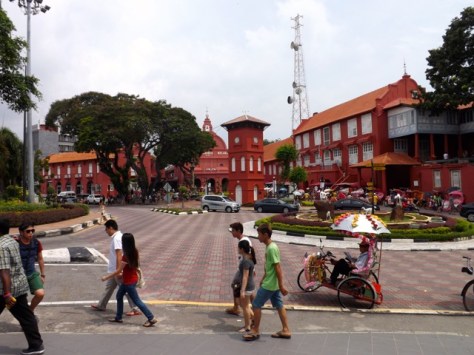
In 1641 the Dutch defeated the Portuguese in battle to conquer the Malacca, leaving the city in ruins. The city was rebuilt around Red Square in a classic Dutch design. The square also includes a Christ Church, another landmark in the old city centre.

wpid-dscf5653-2014-11-26-19-33.jpg

Saint Paul’s Hill
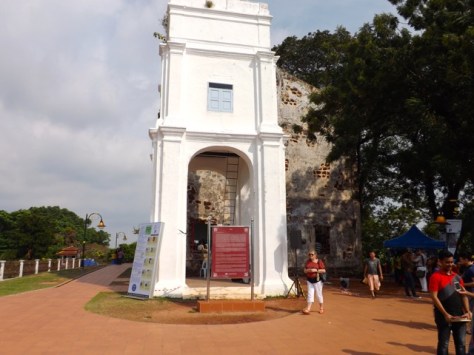
Another historical landmark of Malacca is St Paul’s Hill. Situated behind Red Square it contains the roofless shell of old Saint Paul’s Church, now part of the A Formosa complex, an old Portuguese fort.

wpid-dscf5658-2014-11-26-19-33.jpg

During our stay in town, St. Paul’s Church hosted an art festival, with plentiful contemporary dance and music shows.

Break The Code
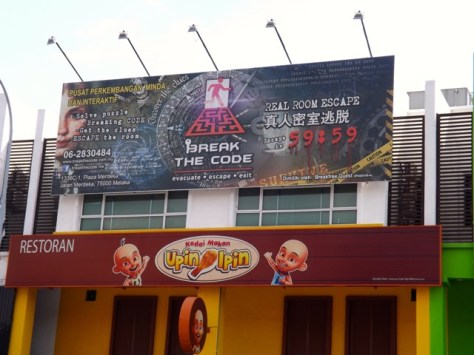
A more modern aspect of Malacca, Break The Code is an escape room experience. Blindfolded, you are lead into a room and given an hour to escape. The idea is to solve a set of puzzles that lead to more puzzles, which will eventually allow you to exit the room(s), all in the space of an hour. There are four separate rooms available, each with a different theme: ‘kidnapped’, ‘haunted house’ and similar.

wpid-dscf5667-2014-11-26-19-33.jpg

While possible to complete the task with only two players, it’s quite tough. For this kind of game, the more minds thinking through the puzzles and throwing around ideas the better. While the two of us managed to get much of the way through, we ultimately failed to escape. A fun experience and one I’d do again, but perhaps with more people.

Pulau Upeh
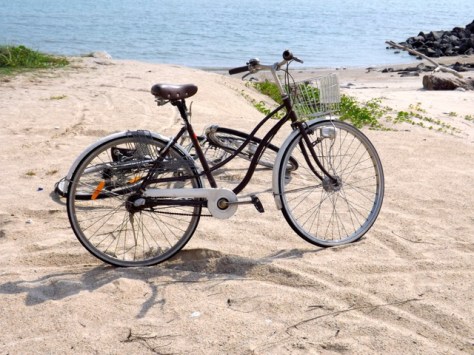
Right off the coast of Malacca is Pulau Upeh, an island that is currently under reclamation. With only a short bridge to it, we rode there on bicycles loaned to us by the hostel.

wpid-dscf5673-2014-11-26-19-33.jpg

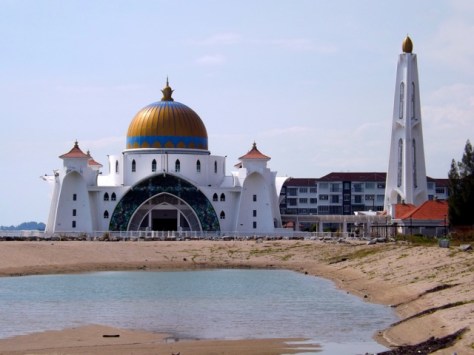
The island is in a strange state of being semi-built. A large portion of the island is already completed, with shops, housing, hotels built and just sitting there empty. The mosque is perhaps the only building in full use…

wpid-dscf5669-2014-11-26-19-33.jpg

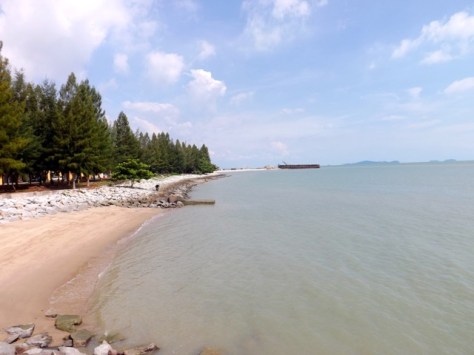
Then at the other end of the island, diggers are working to build more of the island. The island does have perhaps the best beaches in the city.

wpid-dscf5671-2014-11-26-19-33.jpg

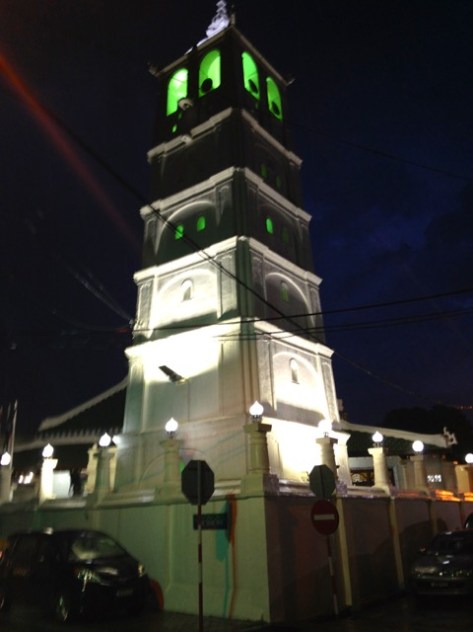
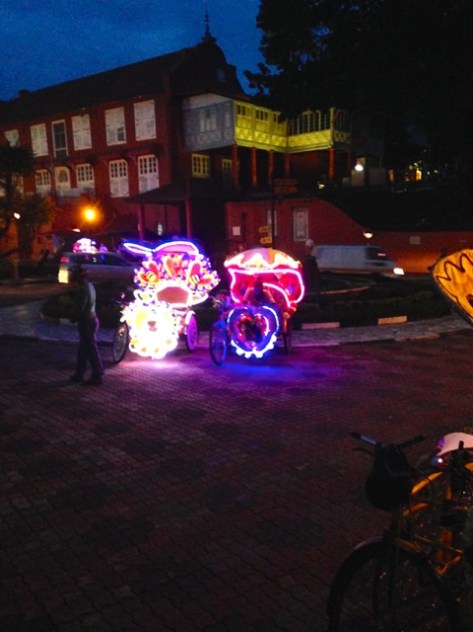
Malacca was a nice place to spend a few days where simply walking through the quiet streets at night has a light show of its own.

wpid-img_2147-2014-11-26-19-33.jpg

As for the local transport, there are the Trishaw’s emblazoned with Hello Kitty that lights up brightly at night and pumps out hard dance music.

wpid-img_2157-2014-11-26-19-33.jpg

Next we head 92km north to the capital, Kuala Lumpur.

The Trail Wanderers
Singapore – Impressions

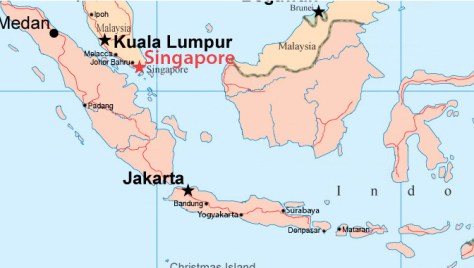
Measuring 40km by 20km, Singapore is an island city-state off the southern coast of Malaysia. While people have lived on these islands for 1800 years, Singapore was only established 200 years ago as a trading port for the English. Occupied by the Japanese in World War 2, it joined with other English Territories to form Malaysia in 1963, only to be expelled two years later. It has since grown to become one of the Four Asian Tigers, free economic states, along with South Korea, Hong Kong and Taiwan.

wpid-singapore-2014-11-23-17-06.jpg

After nearly 2 months in Indonesia, Singapore seems like the cleanest and most organised city in the world. The downside is that everything is more expensive.

The Central City
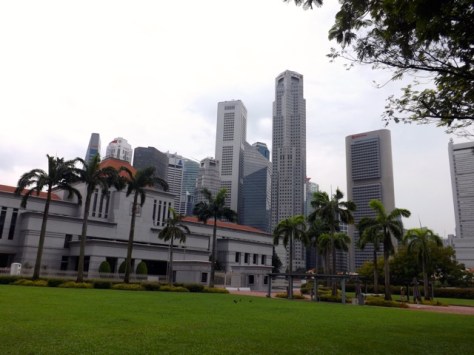
Singapore has spread to fill its island quickly and has begun to grow upwards. While the central city boasts many skyscrapers, large portions of the island are covered with high-rises. Singapore is a city of architecture, from the old english style of many central museums…

wpid-dscf5551-2014-11-23-17-06.jpg

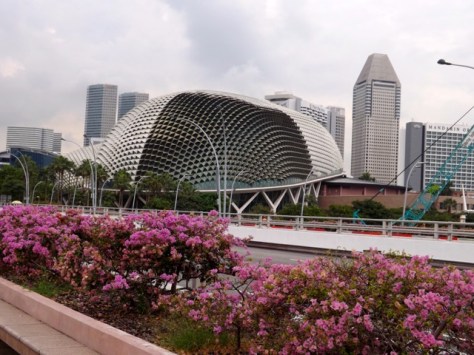
…to the more modern and unusual, such as The Esplanade – Theatres on the Bay buildings.

wpid-dscf5554-2014-11-23-17-06.jpg

Marina Bay Sands
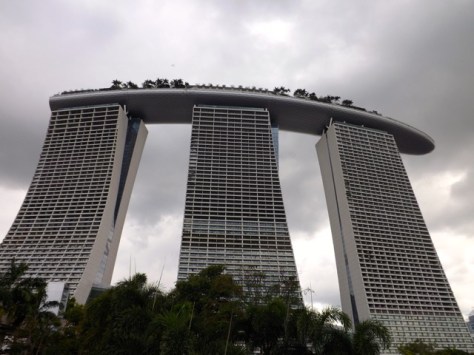
Completed in 2010 and standing out on the skyline is the most expensive building in the world. At US$4.7 billion The Marina Bay Sands has three main towers, a major mall, casino and a Skypark across its top.

wpid-dscf5623-2014-11-23-17-06.jpg

Most of the Skypark, which is longer than the Eiffel Tower is tall, is only available to hotel patrons and includes a 150 metre vanishing pool.

wpid-dscf5592-2014-11-23-17-06.jpg

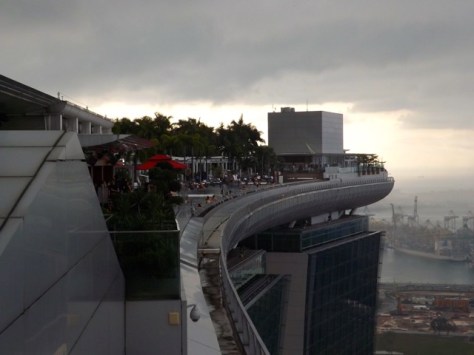
The rounded tip of the Skypark is a viewing platform available to the general public providing 360º views of the city and marina. Even in the rainy season the views were magnificent.

wpid-dscf5578-2014-11-23-17-06.jpg

Little India
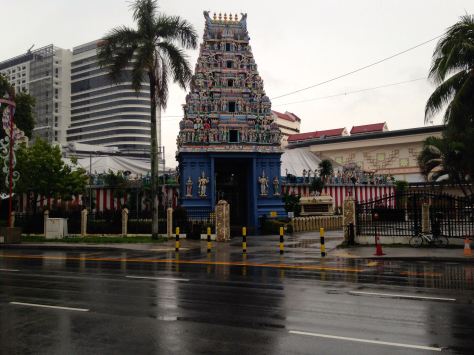
Singapore has a large Indian contingent with their own region of the city. Little India has plentiful Indian restaurants and several temples.

wpid-img_2052-2014-11-23-17-06.jpg

Unfortunately, we visited on a Sunday evening when half the population of continental India had popped over to visit. Sunday evening is a common time among the Indian community to go shopping. This was to such a degree that we found it difficult to move through the streets.

Tiger Breweries
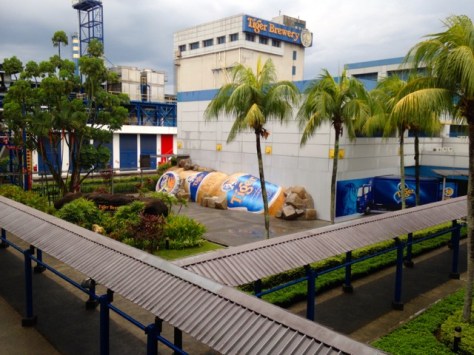
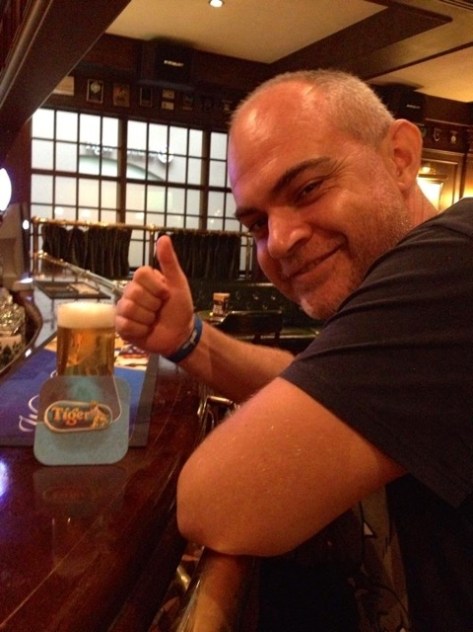
Singapore has its only international recognised beer, Tiger. As it happens it was my birthday during our visit, so we headed out to the brewery for a tour.

wpid-img_2027-2014-11-23-17-06.jpg

Unfortunately, it took us longer to get there on public transport than we’d expected and we missed half of the tour. All was not lost as we did manage to catch the end of the tour, the 45 minutes of free beverages. When my birthday was mentioned, somehow the time stretched to 90 minutes before we decided it best to head off. A good evening!

wpid-img_2033-2014-11-23-17-06.jpg

Night Safari
Singapore has a world-class zoo with many species of animals. However, a zoo is a zoo and once you’ve seen a few they all start to look the same. Night Safari is still a zoo, but for nocturnal creatures with a tram tour through a portion of the park.

wpid-dscf5609-2014-11-23-17-06.jpg

After the main tram ride, there are several other walks available along dimly lit paths. These lead to various other enclosures, including many great cat enclosures, including two separate lion zones, and a bat enclosure. Other animals include elephants, monkeys, opossums and many other lesser known nocturnal species. With no flash photography permitted, getting good photos was near impossible but we still enjoyed the experience.

wpid-img_2110-2014-11-23-17-06.jpg

Sentosa Island
Off the southern coast of Singapore is the resort island of Sentosa.

wpid-dscf5632-2014-11-23-17-06.jpg

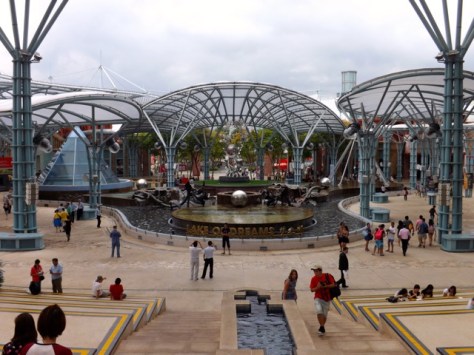
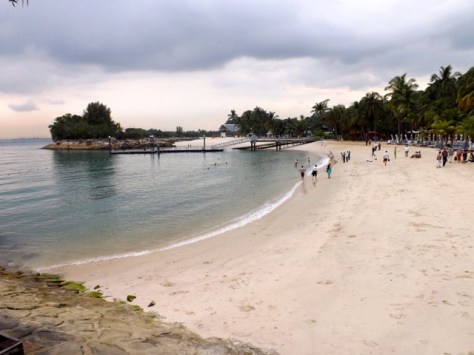
This entire island is an entertainment zone with a myriad of different activities, such as a large Universal Studios theme park, 2.2 kilometres of sheltered beaches…

wpid-dscf5644-2014-11-23-17-06.jpg

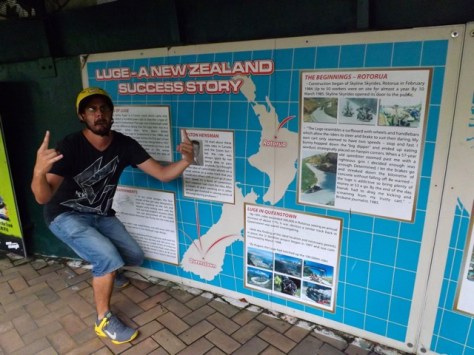
… 2 golf courses, a Megazip adventure park, a Underwater World, a cable car, and many others, including the Luge, which began its life in New Zealand.

wpid-dscf5636-2014-11-23-17-06.jpg

Since I’d never actually been on the Luge in New Zealand(!), I had to do it. What crazy fun!

A lot of time and money can be spent on Sentosa island, but we had only a single afternoon among showers. Thankfully entry to the island is only S$1.

Orchard Road
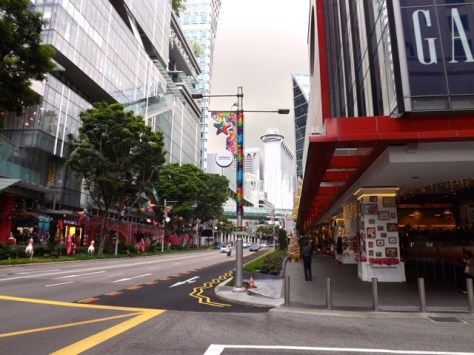
With a couple of things on my shopping list, we decided to head to the main shopping area in Singapore, Orchard Road. Renown for having 30 malls along its 2.2km length, the street is Mecca for tourist shoppers.

wpid-dscf5647-2014-11-23-17-06.jpg

The start of Orchard road is the Dhoby Ghaut MRT station, which exits beneath a 7-level mall. I managed to find the items I was looking for on the first two levels of the mall, so avoided having to spend too much time on the street.

Gardens by the Sea
Behind the Marina Park Sands is a large park area called the Gardens by the Sea. Most of the gardens are free to walk around, with several lakes, bridges and many separate garden areas, including the Supertree Grove…

wpid-dscf5618-2014-11-23-17-06.jpg

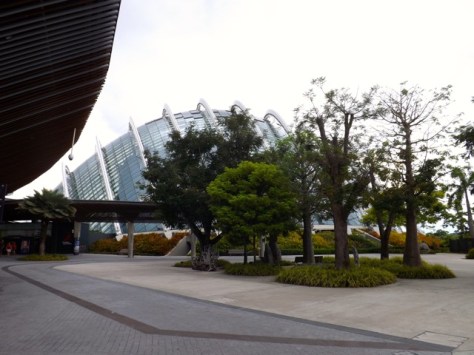
Gardens by the Bay also includes a pair of domes that contain specialty areas: the Cloud Forest and Flower Domes respectively. These are pay areas and can be quite expensive, so we decided against visiting them.

wpid-dscf5628-2014-11-23-17-06.jpg

City Lights shows
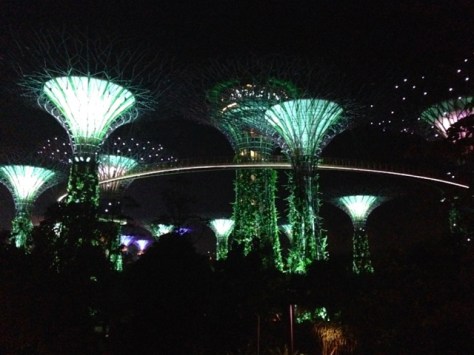
Most nights of the year Singapore hosts two separate free, light and sound shows. The first is in the Gardens by the Sea where lights dance around Supertree Grove in time to seasonal music. During our visit it was a Christmas theme.

wpid-img_2129-2014-11-23-17-06.jpg

There is a canopy walk through the Supertree Grove which gives great views of both the Gardens and the Marina Bay Sands.

wpid-img_2127-2014-11-23-17-06.jpg

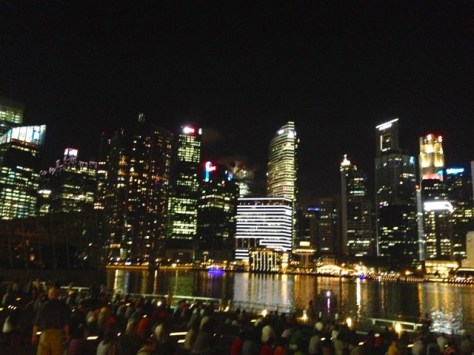
The second light show is on Marina Bay in front of the Marina Bay Sands, where plentiful seating is provided. While waiting for the show to begin, there are great views of the central city buildings.

wpid-img_2130-2014-11-23-17-06.jpg

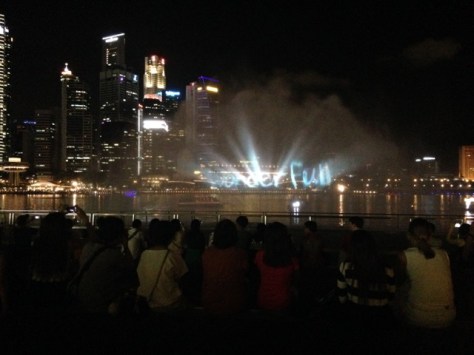
The main show is about 20 minutes long and is laser light displayed on three fans of water projected up from the bay. The show depicts the life-cycle of humanity. It’s an interesting and most enjoyable show.

wpid-img_2137-2014-11-23-17-06.jpg

Four days was simply not enough, so we extended to a week and still didn’t get to see everything. But alas, it was time get back on the road. Next stop, Malaysia.

The Trail Wanderers
Padang, West Sumatra, Indonesia – Impressions

For our final stop of in Indonesia we flew into the city of Padang in West Sumatra, a 90 minute flight from Jakarta.

wpid-indonesia-padang-2014-11-18-16-09.jpg

Padang has only 1 million people and this small population is noticeable as soon as you arrive. The sense of being crowded that pervades Bali or the cities of Java doesn’t exist here.

Padang is a major transit point for surfers heading out to the island groups of Batu and Mentawai. Those locations are remote and beautiful but with limited power and amenities. Rainy season was just beginning as we arrived so we chose not to spend the money to visit these islands. Maybe on a return visit.

wpid-dscf5497-2014-11-18-16-09.jpg

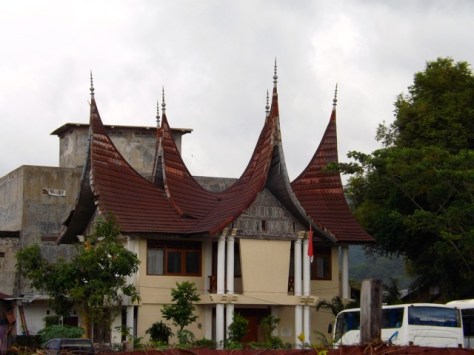
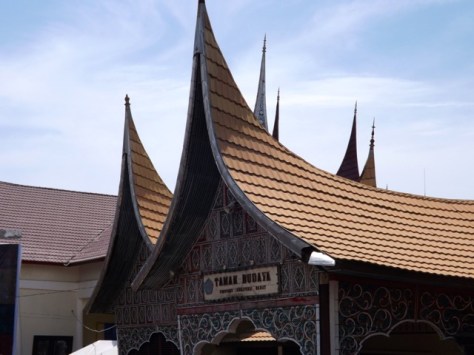
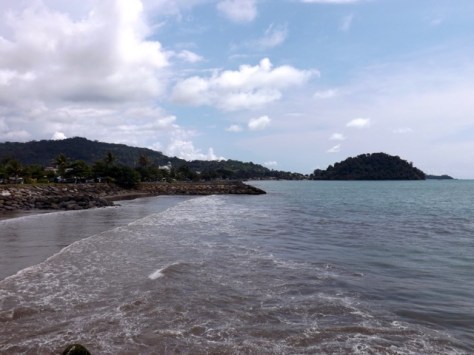
Padang has the feel of Bali without the tourists or the aggressive locals trying to sell us anything not nailed down. Padang beach is a well-known place for sunsets and has hundreds of food stalls along its length. Padang also contains many examples of Sumatran architecture, a style different to anywhere else in the country.

wpid-dscf5488-2014-11-18-16-09.jpg

Padang Cuisine
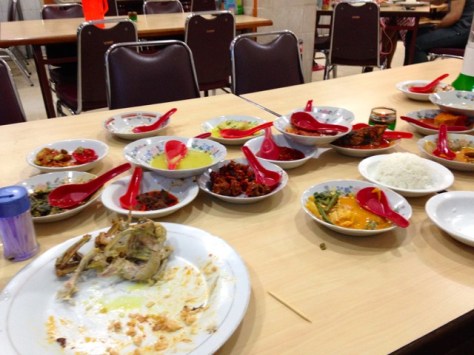
On our first night we were introduced to a local cuisine simply called ‘Padang’ which has spread throughout Indonesia. On being seated, the table is layered with small plates of food.

wpid-img_2022-2014-11-18-16-09.jpg

There were usually several dishes of chicken, each cooked in a different manner. The same for fish, beef and vegetables, giving the meal a smorgasbord-like feel. At the end of the meal you’re only charged for what you eat, even if it’s only half a plate. A particular favourite was the Rendang, a spicy beef dish.

Angkot Kota
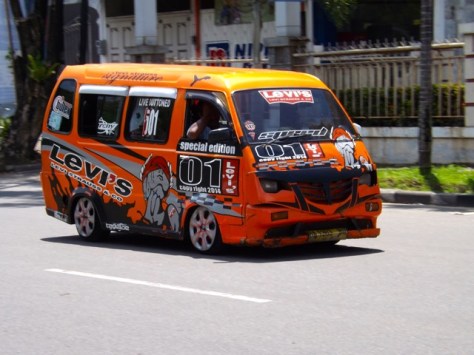
Padang has this public transport system common to other Indonesian cities. But unlike those other cities, Padang does it with more with style. The vans are modern, sportier and many even have spoilers, although by definition they don’t go very fast. And because of the loud Doof Doof music, you always know when an Angkot is approaching.

wpid-dscf5483-2014-11-18-16-09.jpg

Celebrities
On our first day in town we walked along the waterfront for several kilometres before circling back along one of the major roads of the city.

wpid-dscf5489-2014-11-18-16-09.jpg

Not long after we began walking we seemed to become local celebrities. People would honk horns, mothers would bring their children out to wave at us and school kids would call ‘Hey Mister!’ while going up for a high-five. Some people tried to start conversations but between their english being little more than ‘where are you from?’ and our Indonesian no more than ‘terima kashi’ (thank you) it never went far. For the most part we just smiled, waved and continued walking.

The Twin Lakes
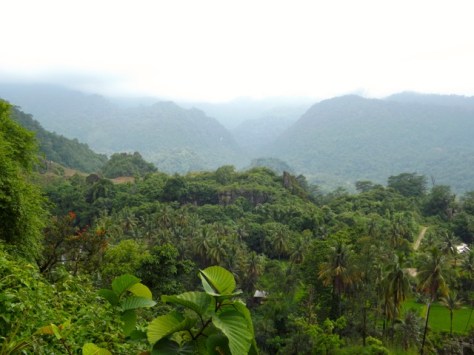
With scooters available for hire at the hostel, we couldn’t resist taking a pair out for a day. To make the most of our time we took a long ride across the mountains to the twin lakes, Danau Diatas and Danau Dibawah. While it’s humid in Padang, once in the mountains things cool down pretty quickly.

wpid-dscf5501-2014-11-18-16-09.jpg

We crossed the small mountain range and as we came down the other side I discovered my front tire had a puncture. We drove into a small town, waved down a local and was surprised that he could speak English. Five minutes later we were at tyre shop where the mechanic kindly fixed the puncture for 10,000 rupiah – about AU$1.

Not long after, it began to rain. Thankfully one of the local roadside stalls sold rain ponchos. Then, after three hours we made it to the lakes. Danau Diatas…

wpid-dscf5515-2014-11-18-16-09.jpg

…and Danau Dibawah.

wpid-dscf5513-2014-11-18-16-09.jpg

With the weather closing in quickly we spent little time at the lakes before deciding to head back. The rain got quite heavy, but this didn’t put us off as we were dry under our ponchos. While we had to be more careful on the wet roads, the journey was actually quite fun. Wipers would have come in handy on our full face helmets though.

The mountains protect Padang from the rain, so once we crossed back over the range it became drier and warmer. A most enjoyable day.

Padang Hill
In the mid afternoon of our final day in Indonesia we decided to climb Padang hill, at the end of Padang Beach.

wpid-dscf5479-2014-11-18-16-09.jpg

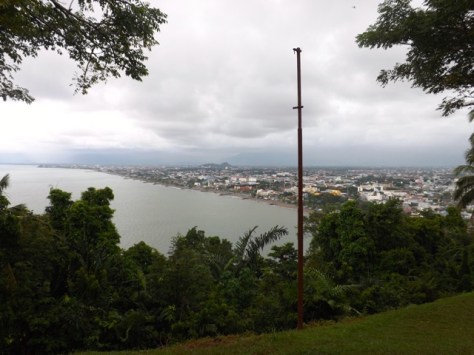
While the hill only took ten minutes to climb, it was enough to soak us in sweat. The views of the coast line and the city were worth the effort, though.

wpid-dscf5531-2014-11-18-16-09.jpg

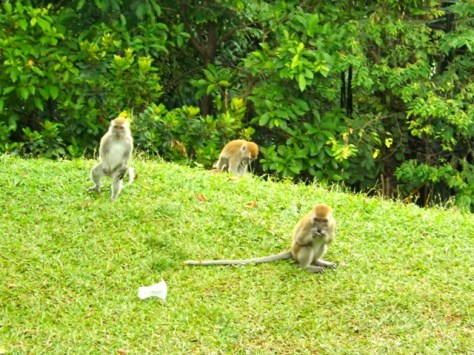
But beyond the views, we discovered a shopkeeper and a large family of monkeys at the top of the hill. We hung out watching the shopkeeper fend off the cheeky monkeys with a long bamboo stick. This seemed to be a constant battle. As the rain began to set in for the day we headed down the hill.

wpid-dscf5533-2014-11-18-16-09.jpg

After six weeks in Indonesia, it’s time to move on to a new country and more adventures. Tomorrow, Singapore.

The Trail Wanderers
Jakarta, West Java, Indonesia – Impressions

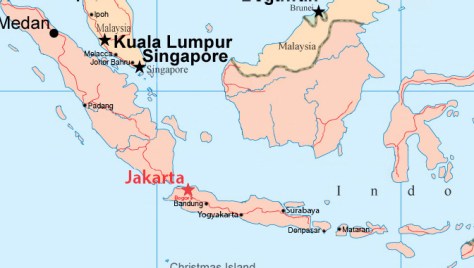
With a population exceeding 10 million, the city once known as Batavia by the Dutch is one of the largest cities in South East Asia. It also has the second largest urban population, behind Tokyo, with 28 million.

wpid-indonesia-jakarta-2014-11-11-19-42.jpg

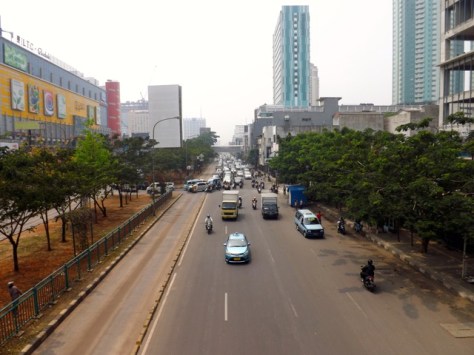
Jakarta is a crushing metropolis and like most other major cities has severe traffic issues. To help out with this, the city has implemented a busway system which works quite effectively, except at highway U-turn zones where it can bottleneck. And, as everywhere in Indonesia, there are millions of scooters.

wpid-dscf5450-2014-11-11-19-42.jpg

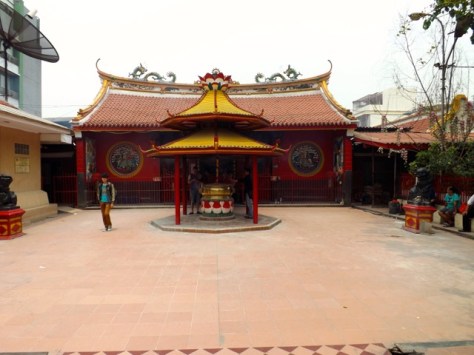
It’s can be difficult to see into the distance in the city as there’s often a hazy and dense cover of smog. Yet hidden away in the thin back streets are little gems just waiting to be discovered, such as this Buddhist temple.

wpid-dscf5428-2014-11-11-19-42.jpg

But beyond having an avid nightlife like most major cities, there’s little for a tourist to see in and around the central city. With vast distances to cross just to get to some of the attractions, we stayed around the Northern Jakarta suburbs to see what we could find.

Kota Tua Jakarta

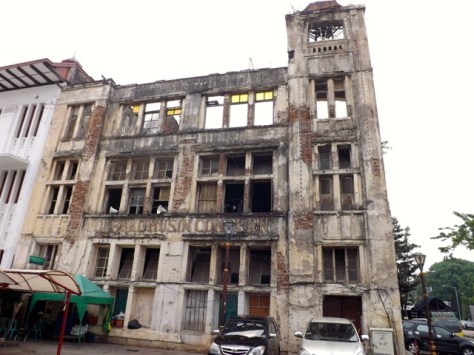
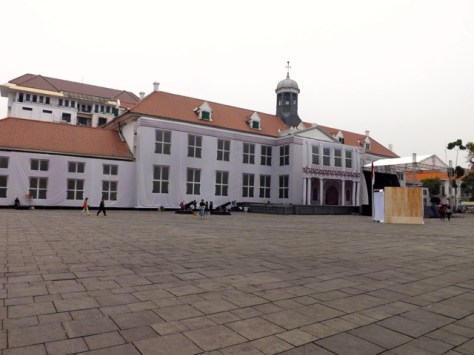
Jakarta Old Town is the old Batavian city centre and is situated in the northern region of Jakarta near the port. The area has many prominent buildings in the dutch architectural style although most were sacked during the War of Independence, leaving only their shells.

wpid-dscf5440-2014-11-11-19-42.jpg

Some buildings survived the sacking intact, while others have been rebuilt or are in the process of being rebuilt. This old building, now the Jakarta History Museum, is in the process of being rebuilt. It currently has a very large sheet hanging over to make it look finished.
wpid-dscf5436-2014-11-11-19-42.jpg

Old Jakarta is now dominated by museums and eating houses, with a stretch of small markets between.

Medan Merdeka – Independence Square
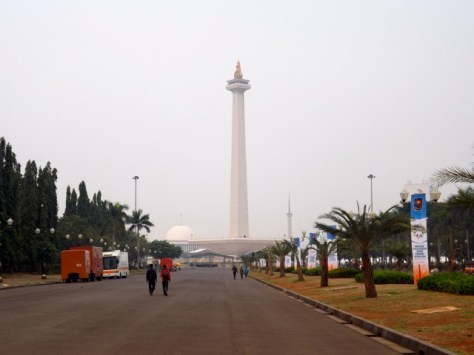
Jakarta has the second largest city square in the world, measuring a square kilometre in area. At the very centre is Monas, the National Monument.

wpid-dscf5448-2014-11-11-19-42.jpg

At 132m tall, Monas is a huge obelisk with a golden torch at its top. Inside the base there are two halls, the lower is used by the National History Museum to display reliefs of periods in the nation’s history. The upper is the Hall of Independence. Above the halls is the lower observation deck, 17 metres above the ground. Then, just beneath the golden flame at 115 metres, is the upper observation deck.

Because of the heat and the great line of people waiting to get in, we decided against the wait.

Bogor Botanical Gardens
Bogor is a city 90 minutes south of Jakarta at the most southerly point of the commuter rail line. For 10,000 rupiah we caught the train to the city which is known for its botanical gardens. The Botanical Gardens contain some 15,000 different species of plants and trees, and 400 types of palms.

wpid-dscf5465-2014-11-11-19-42.jpg

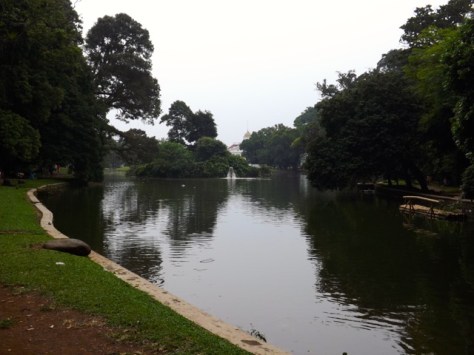
The gardens are more of a grand park with many ponds across its 80 hectares.

wpid-dscf5457-2014-11-11-19-42.jpg

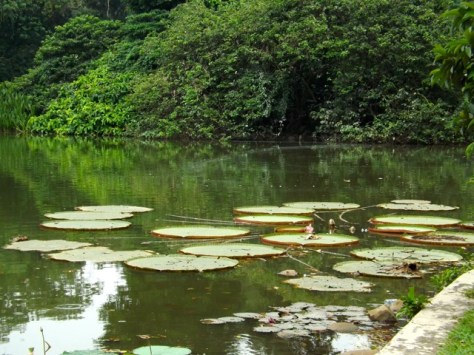
Some showcasing metre wide Lily Pads.

wpid-dscf5461-2014-11-11-19-42.jpg

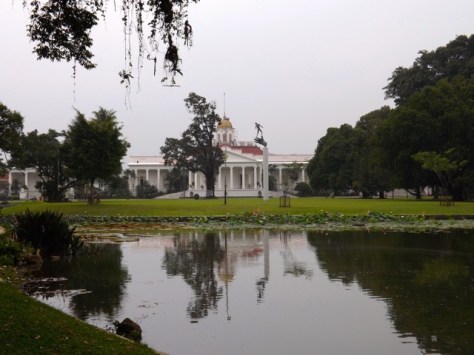
The gardens are in Bogor’s city centre and are adjoined with the Istana Bogor, the presidential palace.

wpid-dscf5458-2014-11-11-19-42.jpg

We spent a couple of hours wandering around the cooler grounds of the gardens before heading back to Jakarta.
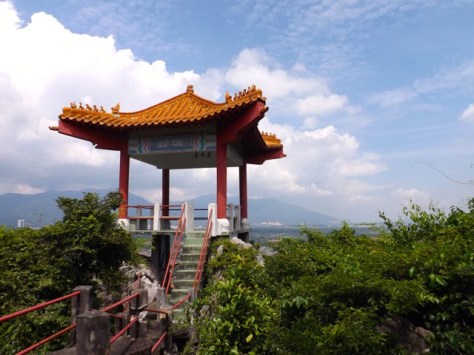
Next and for our final stop in Indonesia, the Island of Sumatra and the city of Padang, popular with surfers.

The Trail Wanderers