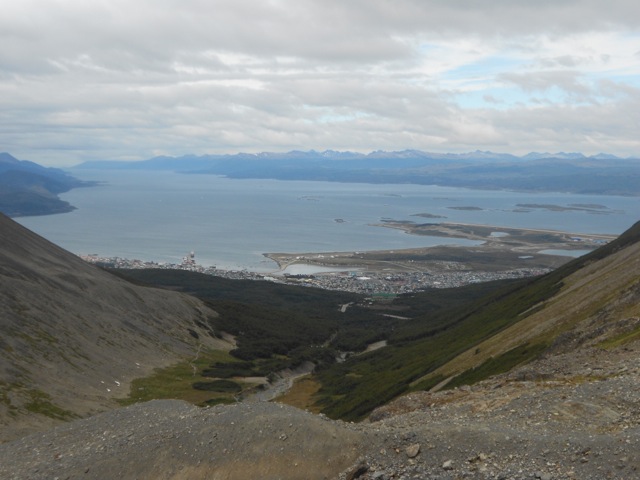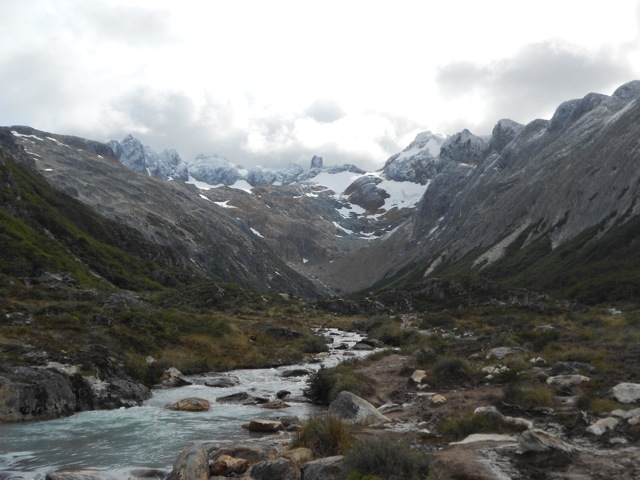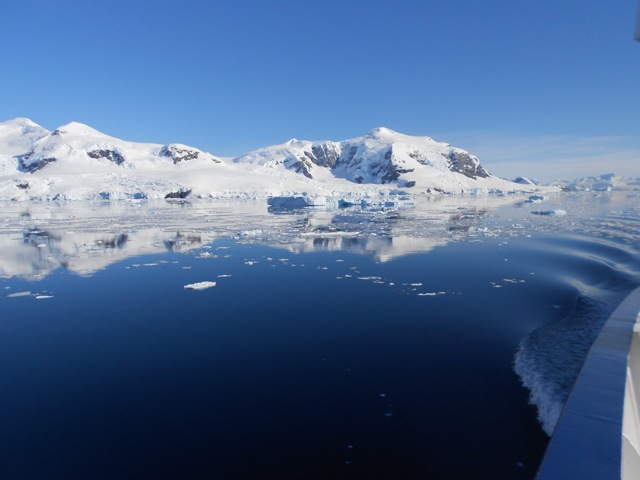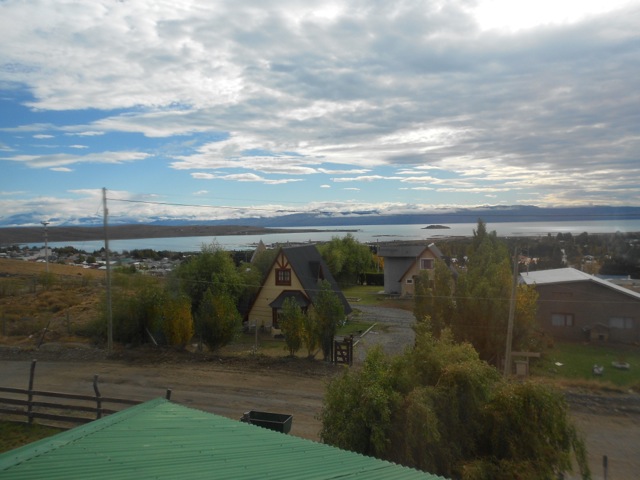
Tag Archives: City

Looking Back, Part 2 – Central South America

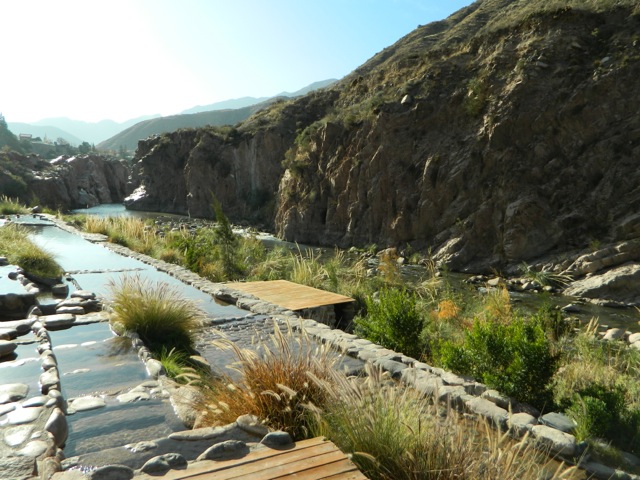
After a 20 hour bus ride from Patagonia, I arrived in Mendoza, Central Argentina. Mendoza is a wine region and boasts some of the best red wines in the world. While I wasn’t the biggest fan of red wine before, after my time in the city I was a Malbec convert. One of the fun things I did while in the City of Steak and Red Wine was to spend the day enjoying some aguas calientes, a set of hot pools near the city. While this might seem strange for a desert city, it was amazing and included a huge buffet lunch.
wpid-dscn2443-2013-12-17-12-23.jpg

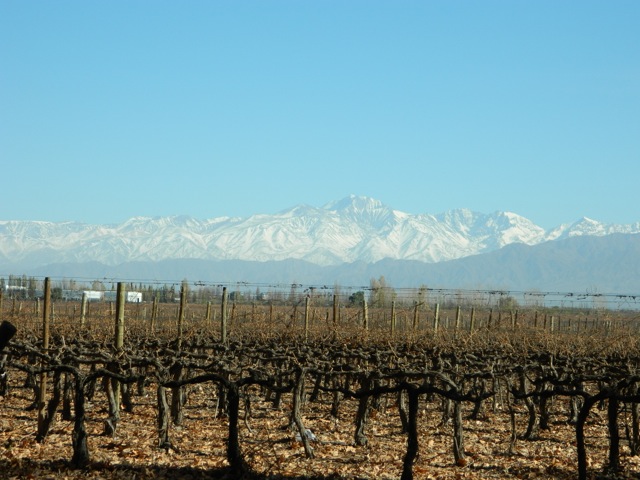
Around Mendoza are several wine areas and the best way to see them is via bicycle tours. The wine was delicious and cycling around the area after many glasses of wine was both crazy and fun at the same time.

Beyond the vineyards, the tallest mountain of the Andes, Aconcagua.
wpid-dscn2467-2013-12-17-12-23.jpg

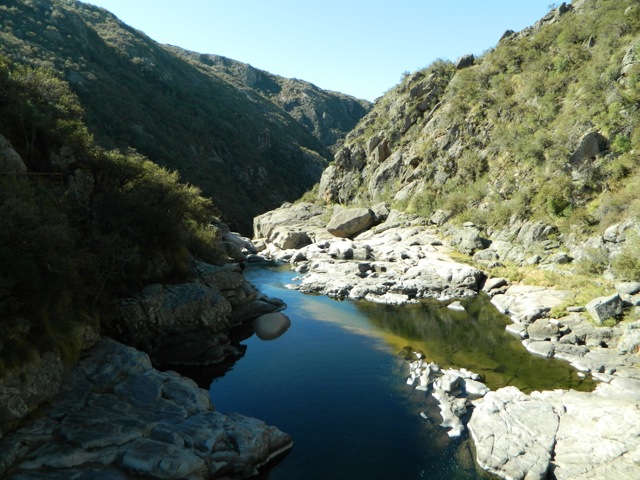
Next I caught a bus across Argentina to Cordoba, the country’s second largest city. While staying in the city I got out-of-town to Parque Nacional Quebrada del Condorito – Condor Gorge National Park – for a long day walk in the heat.
wpid-dscn2517-2013-12-17-12-23.jpg

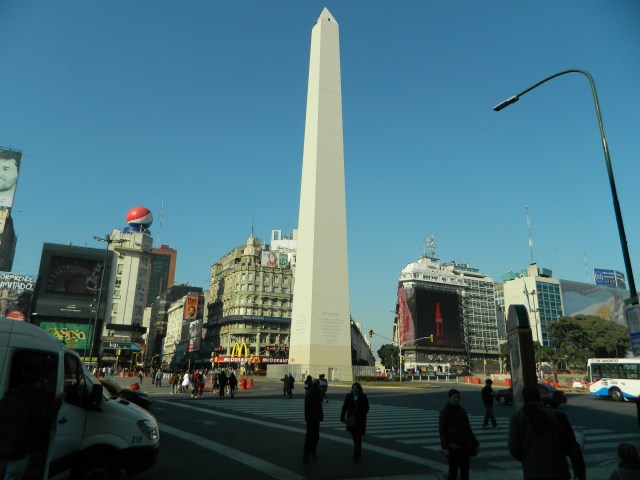
Next I headed to the Buenos Aires and stayed in a different area of the capital from the beginning of my trip. As I knew I was heading back to the city, I made contact with a friend of a friend and organised to hang out with him and his friends while I was in the city. They were very friendly and I stayed in the city over two weeks to spend time with them.
wpid-dscn2559-2013-12-17-12-23.jpg

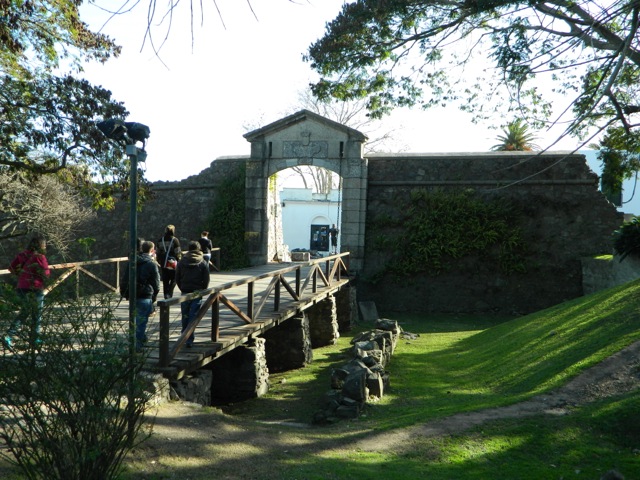
During my stay in Buenos Aires, I caught a ferry across the river to the Uruguayan city of Colonia. While I could have stayed in Uruguay longer I was happy to see the more expensive country for the day and get the stamp in my passport. I enjoyed learning about the city and the country in a guided tour.
wpid-dscn2524-2013-12-17-12-23.jpg

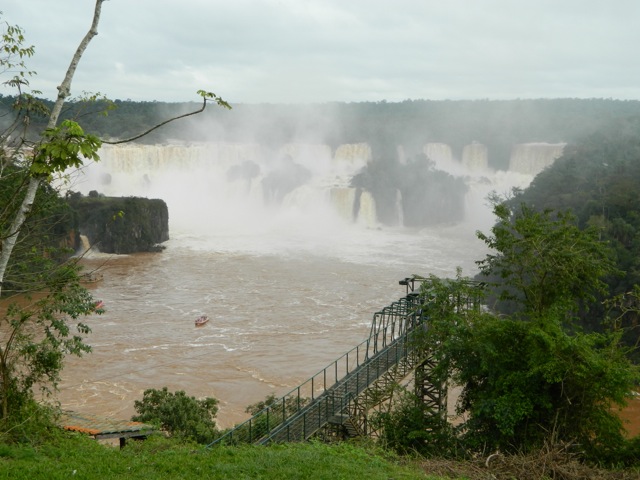
I then bused headed north for my final Argentinian destination, Puerto Iguazú. While the township was very touristy, it had good reason, Iguazú Falls is one of the more popularly visited places in the region. While it had been raining the day I visited the Argentinean side of the falls they were still like nothing I’d seen before. I even took a boat to get right up close to the spraying water.
wpid-dscn2634-2013-12-17-12-23.jpg

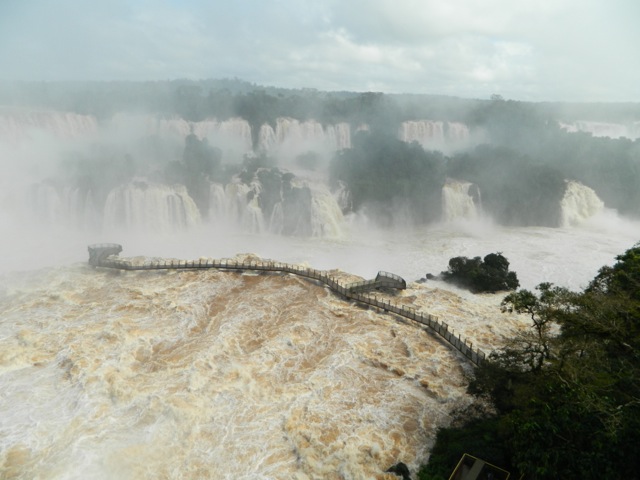
The following day, I took a bus across the border to the Brazilian side – Iguaçu Falls. While it’s the same set of falls, it’s a totally different sight and you get closer to the Devil’s Throat, a formation of rock that water pours into from three sides. Both Argentinian and Brazilian sides are a must see if travelling to this end of the world. It was then back across the border to Argentina for a final night before booking a bus to Rio de Janiero.
wpid-dscn2677-2013-12-17-12-23.jpg

After a 24 hour bus ride to Rio de Janeiro – the longest trip in a bus I would take – I found the city to be dirtier than expected. It also gave me a sense of danger I hadn’t experienced in either Argentina or Chile. I’d booked a cheap hostel near the location of Carnival and it turned out to be the smallest hostel I’ve ever stayed in, squeezing 18 people into the space most hostels would fit 6. It also only had one bathroom.
wpid-dscn2746-2013-12-17-12-23.jpg

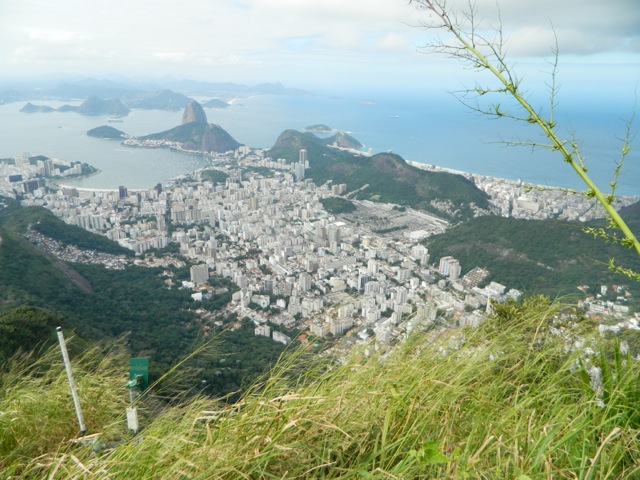
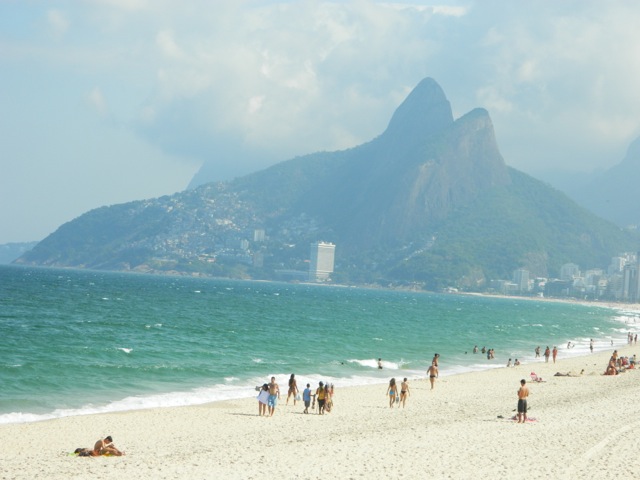
The hostel aside, the natural wonders of Rio were amazing. I visited Christ the Redeemer, Sugarloaf Mountain and took a bicycle ride along both Ipanema and Copacobana beaches.
wpid-dscn2820-2013-12-17-12-23.jpg

I then took my second 24 hour bus ride to a city called Campo Grande in western Brazil for an overnight tour through Brazil’s Pantanal. The Pantanal is a vast swampy area south of the Amazon. It’s similar to the jungle in many ways, just without the trees. We spent the night on the border of Brazil and Paraguay (the closest I would get to the landlocked country). On arrival we ate Piranha, the mean looking faces leering up at us from the pot. The next morning, we took a boat trip along the river to fish for more Piranha…

wpid-dscn2845-2013-12-17-12-23.jpg

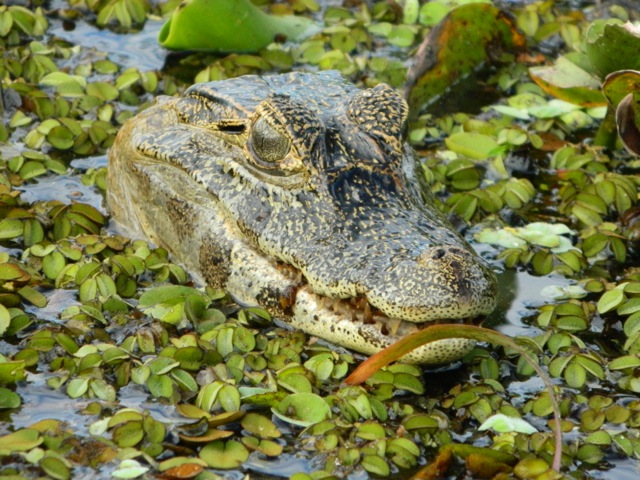
…and to see Caimans, smaller cousins of Alligators.
wpid-dscn2861-2013-12-17-12-23.jpg

Then it was over the border and into Bolivia. As soon as you enter it’s obvious that Bolivia is the poorest country on the continent. The roads are bad, the towns are dirty and the buses are owner operated family affairs and include the kids running up and down the aisles while badly dubbed Steven Segal movies are blasted very loudly. My first stop was the city of Santa Cruz, where I stayed at a brand new hostel for a couple of days before heading on to La Paz.

La Paz is a bustling city high in the Andes and when I arrived my head was exploding from the altitude. It only took a good night’s sleep to recover, thankfully. While the entirety of La Paz is terracotta in colour it grows on you as you explore the city centre and beyond. The lights at night are amazing up the walls of the bowl the city is built in.

wpid-dscn2896-2013-12-17-12-23.jpg

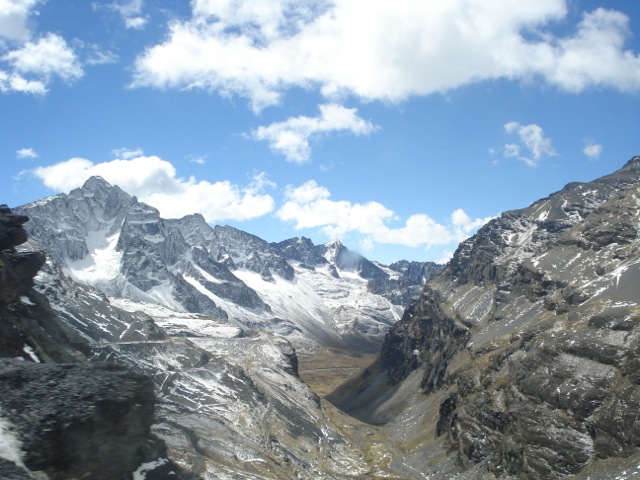
Using La Paz as a base, I had many adventures in Bolivia. For a start, you can’t come to the city without hearing about or doing Death Road. Death Road is a crazy stretch of dirt road 65km long and famous for the cliffs on one side with no barriers. It gets its name from the people who have plummeted to their deaths from it. Riding down it on a bike is one of the most thrilling and fun things I’ve done on this trip.
wpid-dsc01629-2013-12-17-12-23.jpg

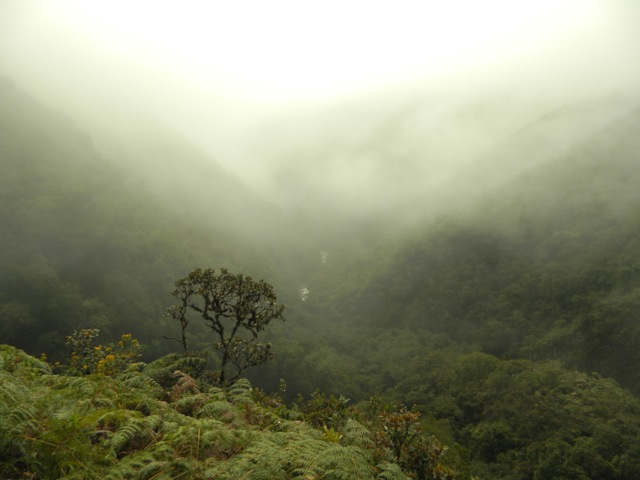
Next I hiked along an alternative route to Death Road called El Choro, through cloud forests and past my first Incan ruins. During the hike I climbed to the highest I have ever hiked, 4900m, and at that altitude the climb was intense and difficult. It was a great hike and also my first with a guide. Not something I relish, preferring to carry all of my own gear and cook my own meals.
wpid-dscn2967-2013-12-17-12-23.jpg

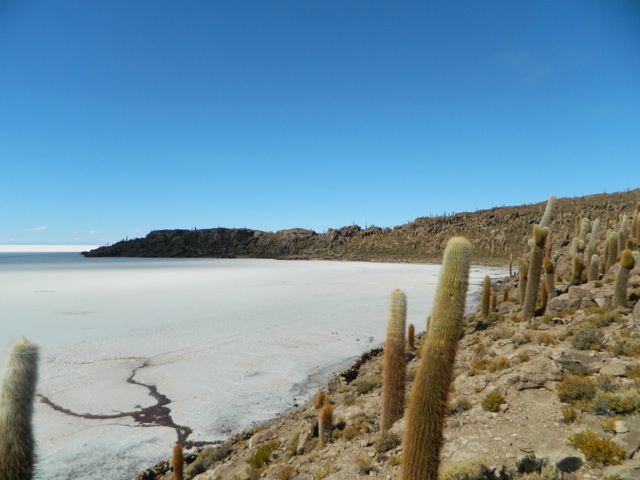
Then I caught a bus to Uyuni for a 3 day tour around the Salt Flats and along the Andean High Plains to the three-way border of Bolivia, Argentina and Chile. The Salt Flats are like an inland sea without the water.
wpid-dscn3077-2013-12-17-12-23.jpg

There were so many different terrains on the high plains and many stunning views. We visited some very interesting places, like the lodge made entirely from blocks of salt where we stayed on the first night. Views across Lago Roja – Red Lake.
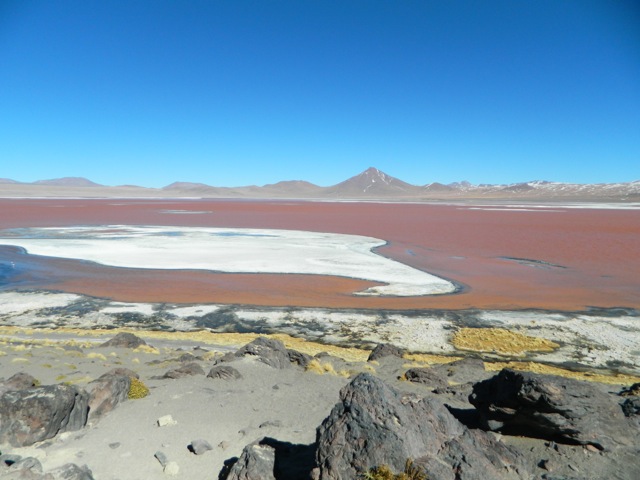
wpid-dscn3174-2013-12-17-12-23.jpg

Then it was back to La Paz where I managed to suffer from food poisoning, an illness everyone seems to get in Bolivia. Don’t trust the street food! For my final days in Bolivia, I caught the bus up to Lake Titicaca, the highest navigable lake in the world. After a day tour to Isla del Sol, I booked a bus into Peru…
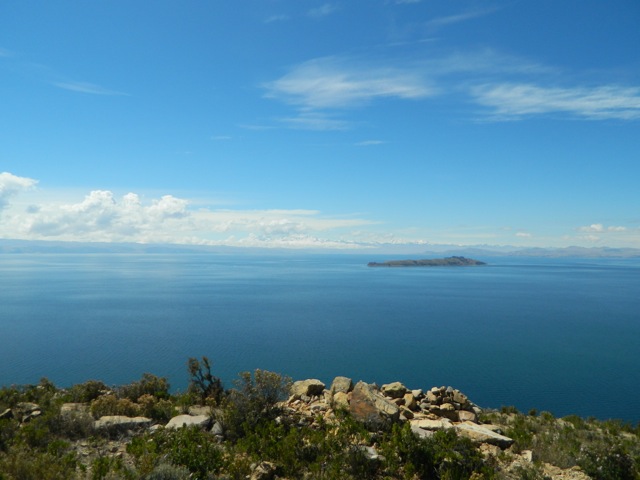
wpid-dscn3258-2013-12-17-12-23.jpg

Next, Part 3 of my Look Back Series where I complete my time in South America by working my way to Colombia.

The World Wanderer
Looking Back, Part 1 – Patagonia, South America

Patagonia is at the southern end of South America and is an area that is jointly owned by both Chile and Argentina. Patagonia contains the tail end of the Andes mountains, the second largest ice field in the world and is predominantly set up for tourism with is brilliant mountains, amazing lakes and so many hikes you could walk around it forever. Thankfully, that was the primary reason I came to Patagonia.

wpid-dscn2358-2013-06-9-18-24.jpg

I arrived in Usuhaia, Argentina in the last days of summer and was stunned by the beauty of the mountains and the seas near the most southern city in the world.

wpid-dscn1489-2013-06-9-18-24.jpg

With Autumn came low season and a slowing down of the tourism industry. This didn’t mean there was a lack of people, just not as many. And, if anything, it was a good thing because the numbers in high season can be overbearing. In Ushuaia, as I waited for a boat to Antarctica I did several hikes in and around the Martial Mountains.

wpid-dscn1598-2013-06-9-18-24.jpg

After a 12 day trip to the White Continent…

wpid-dscn1771-2013-06-9-18-24.jpg

I left Ushuaia for a 12 hour bus trip to Punta Arena, the southern most city in Chile, for a two day stop of before heading to Puerto Natales, another 5 hour bus ride north.

Puerto Natales has a large tourism industry set around two places, the southern fiords of Chile and Parque Nacional Torres del Paine, Chile’s most popular and most expensive national park. I spent a couple of days in Puerto Natales preparing for my hike before heading to the national park where I spent 9 days hiking around the Torres del Paine Massif. A fantastic hike.

wpid-dscn1815-2013-06-9-18-24.jpg

Back in Puerto Natales, I made the decision to catch the Navimag Ferry though the patagonian fiords, but I also wanted to head into Argentina to hike around Mt Fitz Roy. So I decided to do both. I booked the five day ferry trip and with several days before it departed, I caught a 5 hour bus across the border to El Calafate in Argentina.

wpid-dscn2189-2013-06-9-18-24.jpg

There is a famous glacier near El Calafate in Parque Nacional Los Glaciares called Perito Merino. But after coming back from 9 days hiking, and having seen plentiful glaciers in Antarctica, I decided to just rest in El Calafate for 3 days before heading north to El Chaltén. In El Calafate I had, perhaps, the best Asado – BBQ – I’ve had in South America.

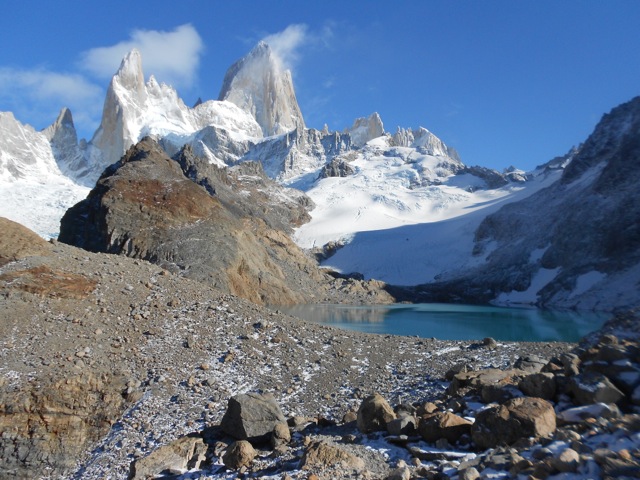
El Chaltén is 3 hours by bus from El Calafate and is set at the north end of Parque Nacional Los Glaciares. The town principally supports hiking around Mt Fitz Roy, which is another name for Chaltén. For three days, I walked what I call the Fitz Roy Triangle around the mountains to see some wondrous peaks and lakes.

wpid-dscn2140-2013-06-9-18-24.jpg

Then I was back on a bus to El Calafate for the night before then heading back to Puerto Natales once more.

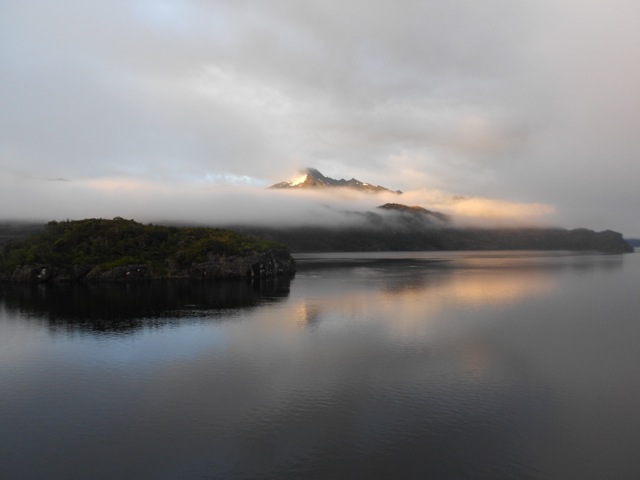
The following night I was on the Navimag Ferry and was preparing for the trip. The ferry left Puerto Natales at 4am the following morning and wended its way south west to pass through a thin gap before heading north. That was when the rain started and it stayed with us for the rest of the trip. It was a shame because we missed a lot of the mountain views due to the low clouds. So the only thing to do was to stay inside and get to know some of the travellers.

wpid-dscn2217-2013-06-9-18-24.jpg

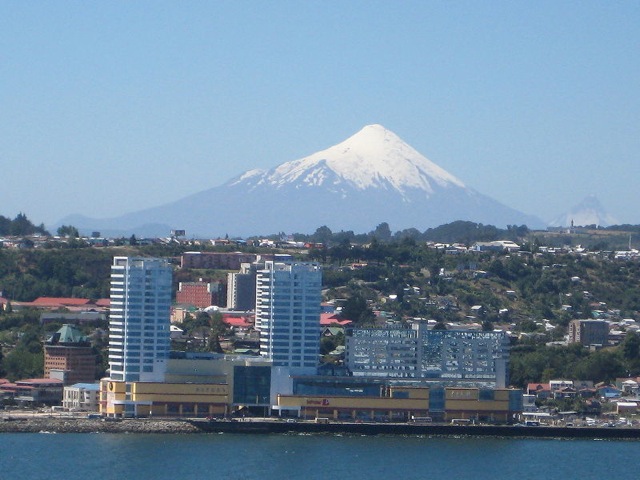
I arrived in Puerto Montt at the end of the journey and made my way to my Hospedaje, a home stay style hostel. Compared to the small relaxed towns of lower Patagonia, Puerto Montt felt like a bustling atrocity set beneath a might volcano.

wpid-800px-puerto_montt_2009-2013-06-9-18-24.jpg

I guess it was just the more people all in one place. After a couple of days around town, I headed 2 hours north by bus to Osorno with the intention of hiking the Puyehue National Park and climbing a small volcano. I hitch-hiked out to the parque to find it had been closed because of a missing hiker. So I stayed the night in a cabin before flagging down a bus heading to Osorno.

wpid-dscn2271-2013-06-9-18-24.jpg

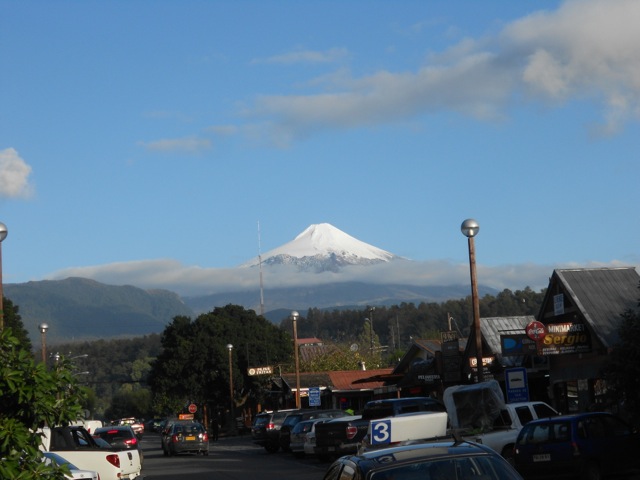
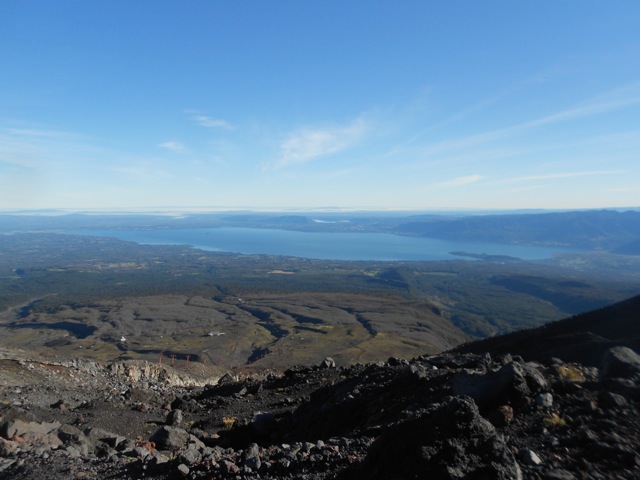
Three hours north of Osorno, again by bus, is the town of Pucón. Pucón is a beautiful little town on a lake and below a large active volcano. Every tourist seems to climb the volcano, so instead I’d planned a 6 day hike around the base of both it and the one behind it. All I needed was a nice space of fine weather, but after a fortnight the break in the weather never come. The time wasn’t wasted, I spent much of the time writing. Before leaving Pucón, I caved and climbed the volcano…

wpid-dscn2281-2013-06-9-18-24.jpg

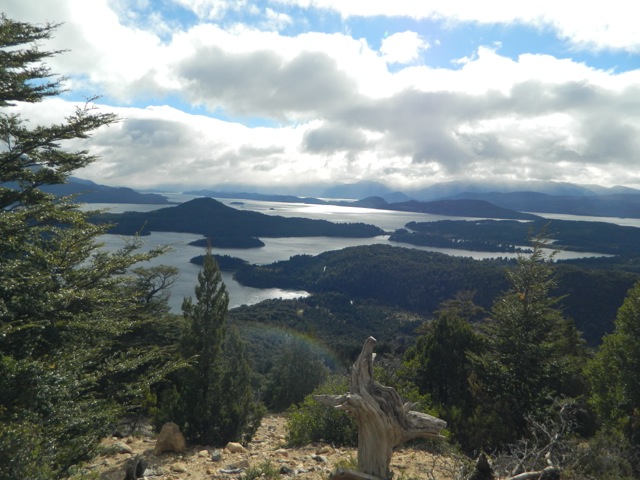
A day or so later, I said a final goodbye to Chile as I crossed the border back into Argentina to the city of Bariloche in the Lakes Region. In Bariloche, I decided to take a 2 week Spanish course,  But on the weekend prior I climbed to Refugio Lopez near the top of Cerro Lopez to look down upon the lakes that give this region its name.

wpid-dscn2305-2013-06-9-18-24.jpg

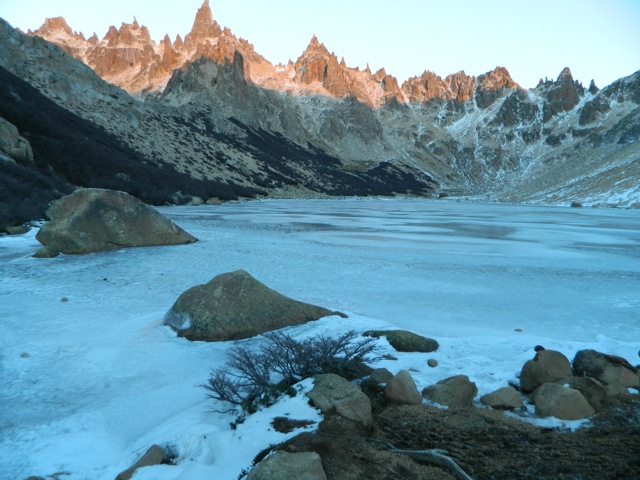
A week later, during my weekend off study, I climbed Cerro Catedral and stayed at Refugio Frey next to a frozen mountain lake.

wpid-dscn2396-2013-06-9-18-24.jpg

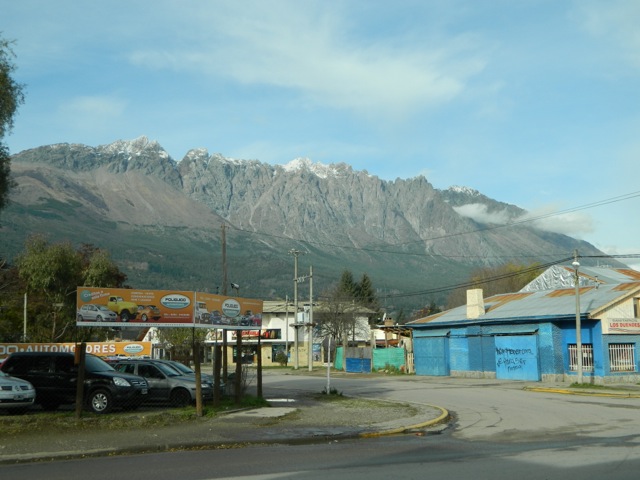
After my second week of study, I travelled a 100km south to the small not very hippie-like, hippie town of El Bolson. It would have been nice to have hiked in the mountains there, but due to the time of year, it turned out to be a rather uninspiring visit.

wpid-dscn2432-2013-06-9-18-24.jpg

After two nights, I was back to Bariloche for my final days in Patagonia before heading north by bus for 19.5 hours to the warmer wine regions of Argentina – Mendoza.

My trip to Patagonia was wondrous trip through the southern portion of South America, reminding me very much of the South Island of my home country, New Zealand. And being such a vast place, you just can’t see all of it. Perhaps one day I will come back and explore more of it…

Next, I head around northern Argentina and then through Central South America…

The World Wanderer

Cartagena, Colombia – Impressions

Cartagena is a famous sea port on the Caribbean Coast in northern Colombia. Thirteen hours north of Medellin, it’s the hottest place I’ve been on my travels so far. At the beginning of winter it was averaging a humid 33ºC.

Cartagena is famous for being the seat of the Spanish Inquisition from where, in their lust for gold, they destroyed many of the South America’s native cultures. It was also one of the most popular plunder sites for the infamous pirates of the Caribbean.

To defend against the pirate attacks the city was surrounded by a thick wall. Five hundred years later and the wall is now a World Heritage site with Old Town – the well maintained area within it – a popular tourist destination.

wpid-dscf2821-2013-12-3-20-35.jpg

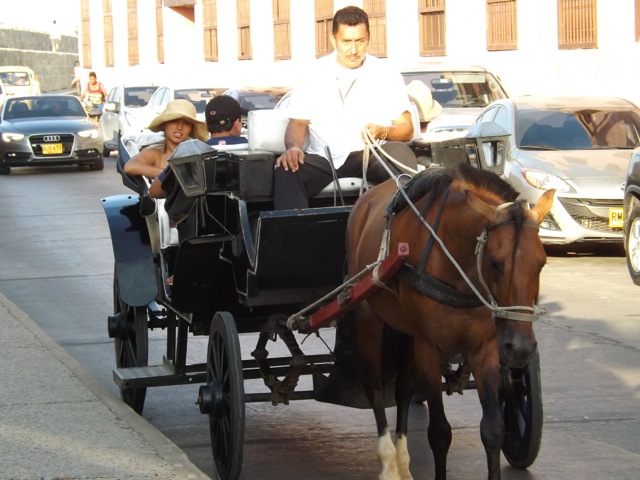
Old Town is not large, taking only 20-30 minutes to walk around. And while car traffic is permitted along the thin streets, it’s not uncommon to see people being ferried around in something little more eco-friendly…

wpid-dscf2830-2013-12-3-20-35.jpg

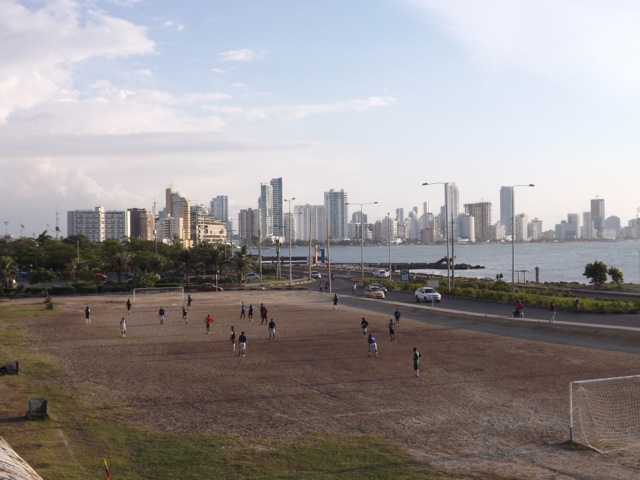
While no longer needed to protect against pirates, the wall is used by day as a major walkway around the city and on weekend as a place to dance the salsa. While the murky brown waters and rocky beaches of the coast are not wonderful to look at, and are dangerous to swim in, they do offer sea breezes providing some relief from the muggy heat.

wpid-dscf2827-2013-12-3-20-35.jpg

To defend the walls cannons were placed along its length. Now only the barrels remain protecting Cafe del Mar, a popular but expensive restaurant and nightspot.

wpid-dscf2831-2013-12-3-20-35.jpg

In the distance and under repair is the Palace of the Inquisition, a regular stop for party buses most weekends. The buses, each having their own salsa band, drive to many places around the city, eventually finishing at the party zone of Old Town.

wpid-dscf2822-2013-12-3-20-35.jpg

You can get lost in the romance of Old City, in the sea, the sun and the charm, until you round the corner and discover New City on the other side of the harbour.

wpid-dscf2832-2013-12-3-20-35.jpg

Next, I’m back on the Malaria tablets as I head along the coast to Taganga, a small beach town beside Tayrona National Park, the gateway to the jungle and Colombia’s Lost City, Ciudad Perdida.

The World Wanderer

Medellin, Colombia – Impressions

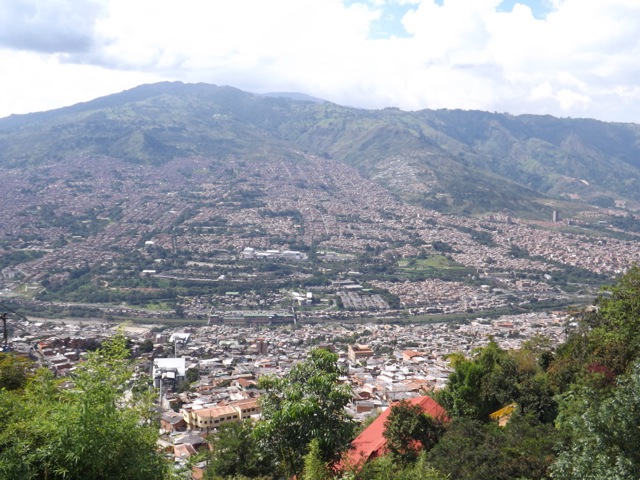
Medellin was once known as the most violent city in the world. In the 1980s there was a major urban war here revolving around the infamous Pablo Escobar and his Medellin Cartel. Since his death 20 years ago things have changed dramatically. Crime has declined significantly and the city has opened up more for tourism. Medellin is now known as the tourist capital of Colombia, south of the Caribbean Coast, with most travellers skipping the capital, Bogotá, for the warmer and better set up Medellin.

wpid-dscf2814-2013-11-27-17-00.jpg

The second largest city in Colombia with 2.4 million people, Medellin is a 10-hour bus ride north-east of Bogotá on a winding mountain highway.

The best way to see the historical centre of Medellin and to learn about its history is via a free city walking tour. On the tour you learn that the people of this area were cut off from the rest of Colombia for almost 300 years because the valley is surrounded by the peaks of the Andes. This isolation led the community to thrive and grow, using the region’s main natural resource, gold, to fund different advances. It was this gold that built Medellin and not the drug money of Escobar, as many believe. The drug money actually caused more harm than good, killing hundreds of thousands in the urban war and giving Colombia a sour reputation that it would fight for years to overcome.

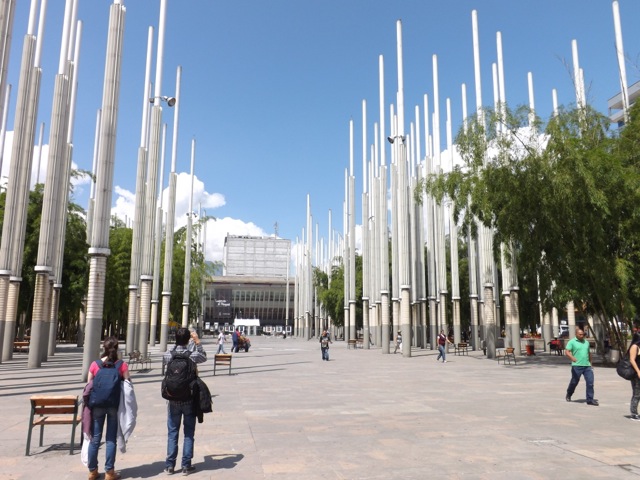
After Escobar’s death some of the more dangerous areas of the city were cleaned up and monuments erected to the ‘new’ Medellin. Monuments such as Plaza Cisneros and its many light columns. Each of the columns have strips of led lights on four sides that are lit up at night as a symbol of hope.

wpid-dscf2799-2013-11-27-17-00.jpg

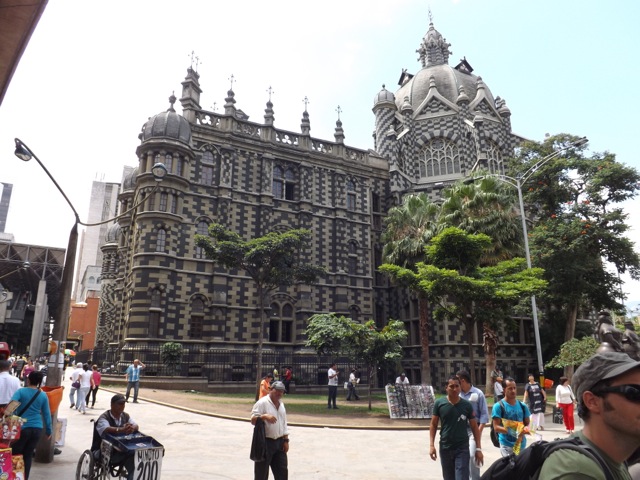
There are pretty places scattered throughout the city, such as El Palacio de la Cultura, but many of them have darker secrets, some more obvious than others.

wpid-dscf2810-2013-11-27-17-00.jpg

The Medellin government in the 1920s didn’t like the gothic inspired palace causing the Belgian designer to flee the country after only having completing a third of it. Colombian builders didn’t bother to finish it, instead simply sealing the unfinished side with a plain white wall.

Then there is this pretty inner city church…

wpid-dscf2802-2013-11-27-17-00.jpg

…surrounded by brothels, gambling houses and drug dealers, its visitors seeking to gain forgiveness for the sins they commit on a daily basis.

There are plentiful interesting sculptures dotted around the city, donated by a rich and locally famous artist.

wpid-dscf2803-2013-11-27-17-00.jpg

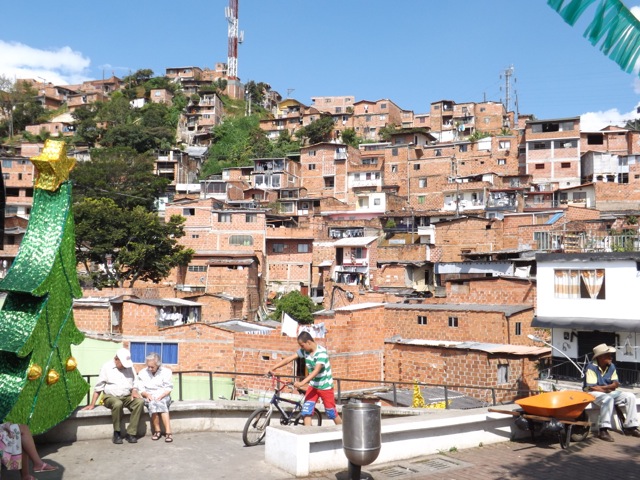
After the darkness of the 80s and to foster education in the poorer parts of the city, grand libraries were built.

wpid-dscf2813-2013-11-27-17-00.jpg

These structures stand out from the terracotta brick buildings of the surrounding city and is a symbol of freedom for the local population.

wpid-dscf2816-2013-11-27-17-00.jpg

Overall, Medellin is an interesting city to spend a few days and is very much a party city for tourists making their way from the northern coast to the countries of the south.

Next I’m off to the Caribbean Coast and the city of Cartagena, famous for being plundered by the notorious Pirates of the Caribbean during the 1500s and 1600s.

The World Wanderer

Bogotá, Colombia – Impressions

Situated at just over 2,600m above sea level, Bogotá is the third highest capital city in South America after Quito and La Paz. With 9 million people, it’s also the largest of the three.

I arrived in Bogotá after a crazy 10 hour bus ride from Cali, where the bus driver thought he was a Formula One driver along the very curvy road. It was as if he was fleeing the cartels as he overtook trucks on blind corners and slammed on the brakes when a vehicle came the other way. However, I still managed to get some sleep. I guess I’m well used to bus travel on this continent.

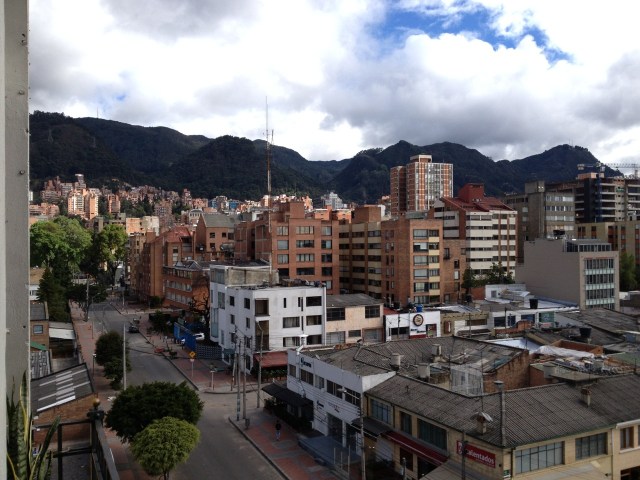
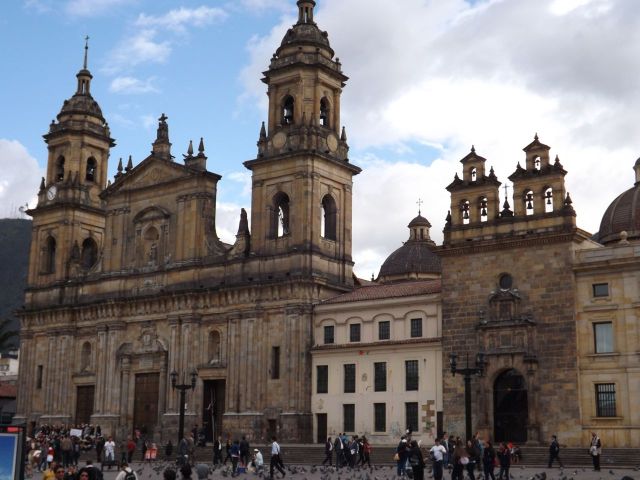
Once in Bogotá, I caught a taxi to La Candaleria, the city’s historical centre where my hostel was. On arrival, the area looked rather old and dirty. At the hostel, I was warned not to go too far in any direction at night. Luckily I’d eaten during the bus trip and didn’t need to go out.

wpid-img_1529-2013-11-18-18-12.jpg

The following day, I headed out to see some of the sights and was again warned about the city. It’s not fun being on edge when walking around a city but I avoided being kidnapped, so I guess that’s something. Not far from the hostel I found some architecture, but many of the buildings had been tagged and not well looked after.

wpid-dscf2755-2013-11-18-18-12.jpg

After a couple of days the hostel began to annoy me, blasting music from morning until night, with the only good internet actually in the midst of the music. When the internet stopped functioning completely along with my inability to have a decent hot shower, I moved to another hostel closer to the centre of the city.

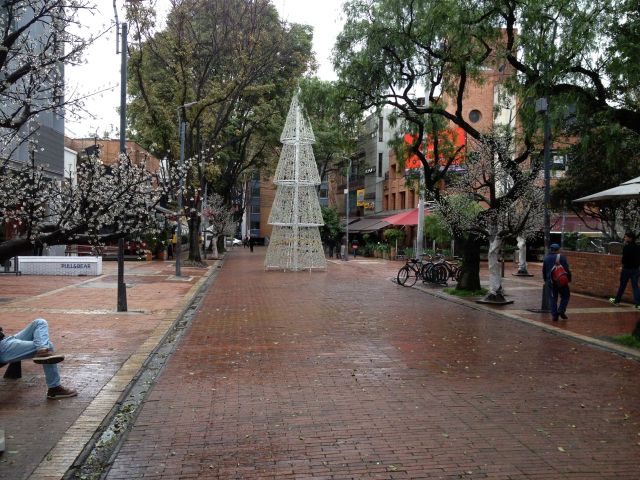
Near my new hostel, I discovered Zona Z, a large areas of malls, restaurants, bars and night clubs. Zona Z felt far cleaner and safer than La Candaleria. While I was there they were well into setting up for Christmas even though it was only early November.

wpid-img_1532-2013-11-18-18-12.jpg

Before going to Bogotá, I’d arranged to meet a group of locals who had similar interests to me. They were amazing people and I ended up staying three weeks to spend time with them. They were some of the friendliest people I’ve met on my travels. One of the group took me under his wing, taking me to different places to visit and hang out with his friends. Then towards the end of my stay it was my birthday and one of the girls from the group surprised me with a cake. All for one random stranger who showed up one day to hang out with them.

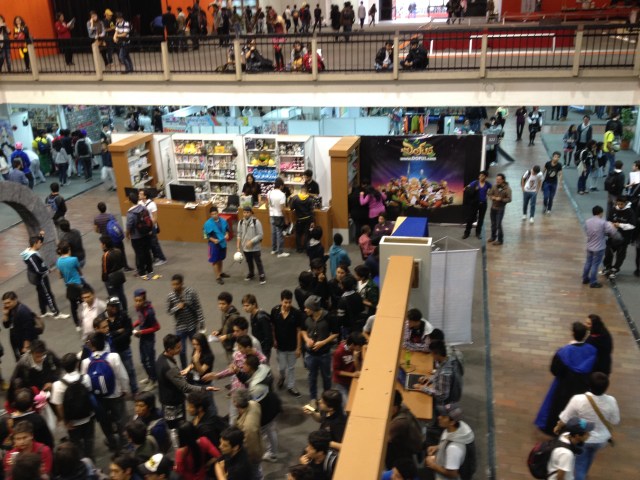
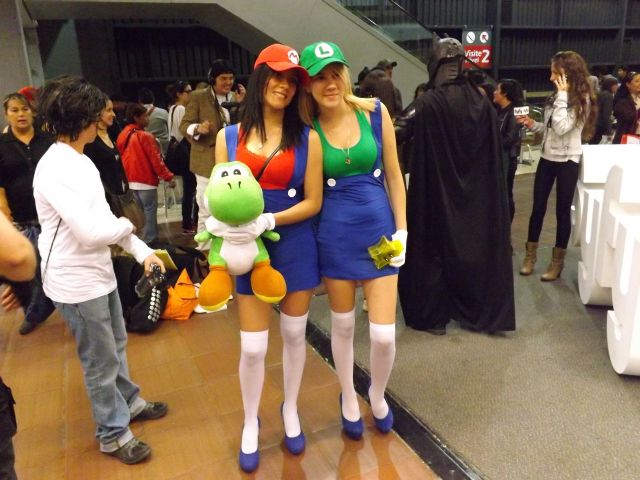
During my stay was S.O.F.A (Salon del Ocio y la Fantasia) – loosely translated as ‘Leisure and Fantasy Lounge’, a 4 day popular culture convention. Included in the show was everything geek, from Cosplay to board games, every type of console, computers, robotics, paintball, RC vehicles, shows, art, concerts and much much more. The first two days were bustling, allowing time to walk around without too many people. The final two days – Saturday and Sunday – were insane, with so much noise and people everywhere. On the first and quietest day…

wpid-img_1579-2013-11-18-18-12.jpg

All over South America I’ve been told that Colombian women are the prettiest on the continent. I can officially vouch for that one!

wpid-dscf2766-2013-11-18-18-12.jpg

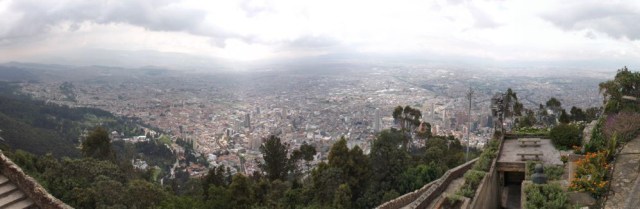
The day after the convention I headed up the cable car to a church called Monserrate atop a hill for a wondrous view across the city.

wpid-dscf2780-2013-11-18-18-12.jpg

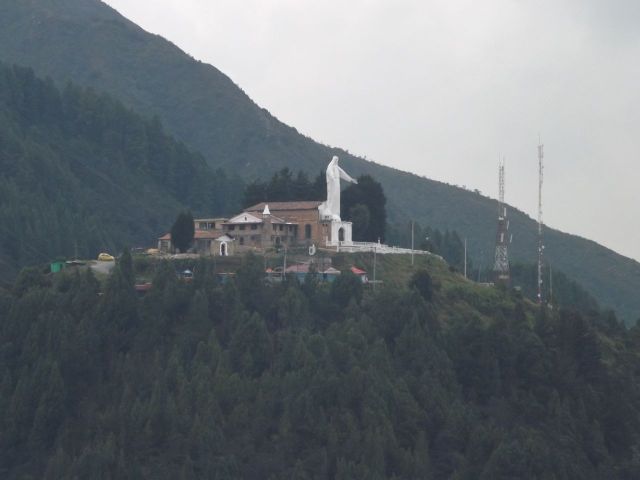
Across the valley, atop another hill is, surprise surprise, a statue of Christ, protecting the city.

wpid-dscf2786-2013-11-18-18-12.jpg

I also wanted to see the famous Gold Museum in Bogotá, but as it’s closed on Mondays I missed out.

Overall, while not overly touristy, it was the people of Bogotá who kept me there longer than I would have stayed. Next I’m heading north to the more touristy – and warmer – Medellin.

The World Wanderer

Cali, Colombia – Impressions

With 47 million people, Colombia has the second largest population in South America after Brazil and it’s whopping 201 million. My first port of call, Cali, is the 3rd biggest city in Colombia, with 2.5 million. Cali is known as the capital of sport and salsa dancing in Colombia.

Most people I’ve met on my travels have said Colombia was an amazing place with very friendly people. This is in vast contrast to what’s generally said about the country. While it’s less dangerous than it’s been, there’s still a guerrilla presence. They are kept at bay by the plentiful armed military, police and security guards everywhere.

After an eventful 20 hour bus ride from Quito in Ecuador, I welcomed my arrival. The bus was full of Colombians in their early 20’s who had boarded the bus in Lima, Peru, 2 days earlier! They were more raucous the normal, meaning I didn’t get much sleep overnight.

In Cali, I caught a taxi to my hostel and went out to check my surroundings. The hostel is in an outer suburb but I found a large area of restaurants just around the corner, including 2 supermarkets.

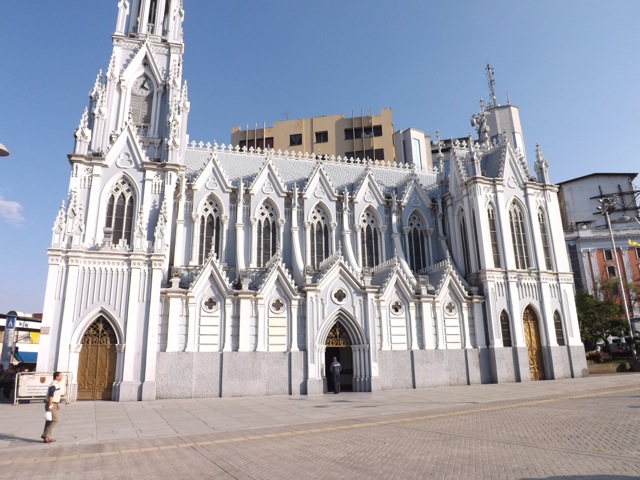
Then after a better sleep, I decided to see the city centre by taking a free walking tour. Cali has its share of awesome architecture, although in 1971 they decided to tear much of it down to make room for the Pan American Games. Some still remain though, such as this church…

wpid-dscf2705-2013-10-31-16-46.jpg

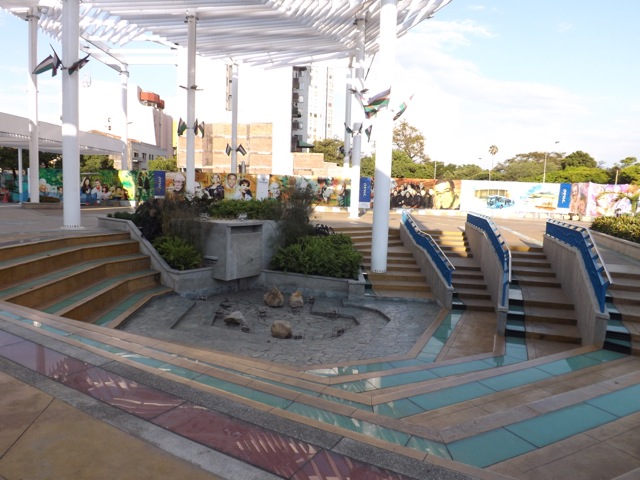
And this plaza with a history of the city on the wall beyond it.

wpid-dscf2715-2013-10-31-16-46.jpg

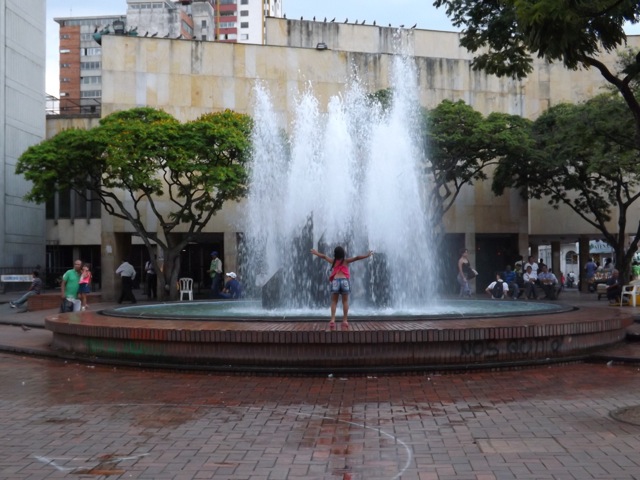
Of course it wouldn’t be South America without a fountain or sixty.

wpid-dscf2728-2013-10-31-16-46.jpg

Or the occasional colonial building…

wpid-dscf2733-2013-10-31-16-46.jpg

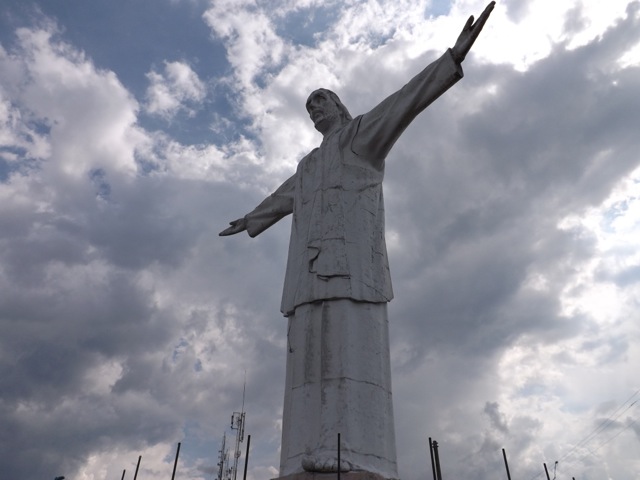
I only stayed three nights in Cali, so I tried to make the most of my time. I caught a taxi up to see Cristo Rey… yes, a giant statue of Christ. Many cities in South America have one of these in the hills ‘protecting’ the people. Unlike the one in Rio de Janeiro, this one is free.

wpid-dscf2748-2013-10-31-16-46.jpg

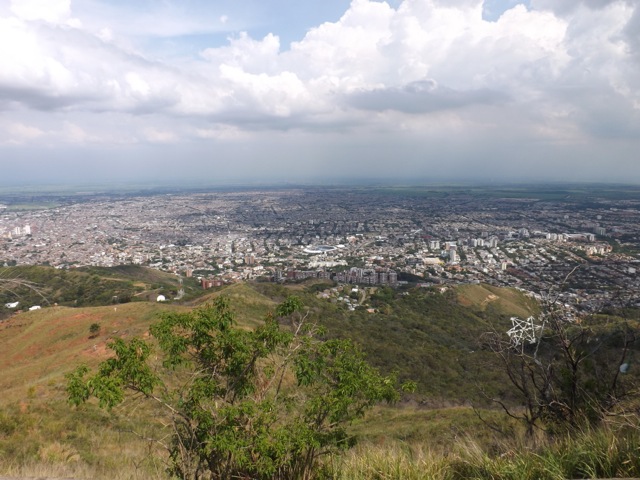
It also allowed me to see some awesome views of the city from above.

wpid-dscf2736-2013-10-31-16-46.jpg

Then after 3 rather warm days – it’s quite humid in Cali – I caught the bus north to the country’s capital – Bogotá.

The World Wanderer

Cuenca, Ecuador – Adventures

Cuenca is a city of half a million people nestled in the southern Ecuadorian Andes. The city is only four hours south of Riobamba by local bus (US$2.50) and the main attraction of the area being Ingapirca, the largest Incan ruins in Ecuador. This was the major reason I decided to travel here, but hoped there’d be more on offer.

Cuenca City
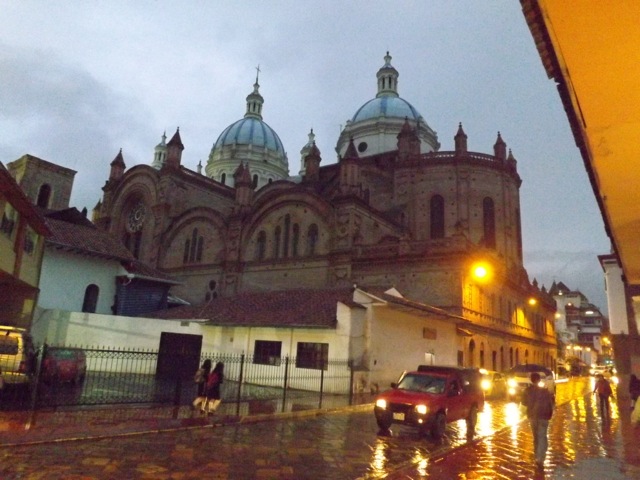
It seemed to be raining everywhere in Ecuador when we arrived in Cuenca. But then Ecuador isn’t large, only marginally larger than New Zealand. On the bus, my friend and I ran into a woman we’d met in the hostel in Quito a week earlier. So, as the light began to fade and the rain continued lightly, the three of us wandered the streets and discovered plentiful examples of excellent architecture. Like many places in South America, the architecture is great, but they aren’t well looked after. The Basilica…

wpid-dscf2601-2013-10-17-17-08.jpg

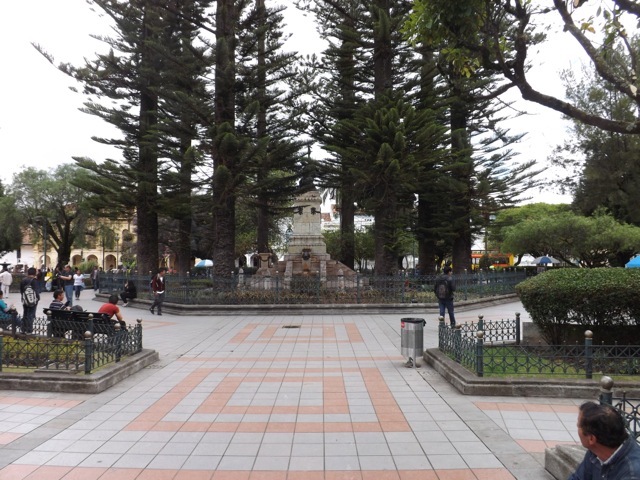
The next morning the rain had eased and we wandered around some more. The central plaza has a statue, and yes, a fountain too, hidden away in one corner.

wpid-dscf2603-2013-10-17-17-08.jpg

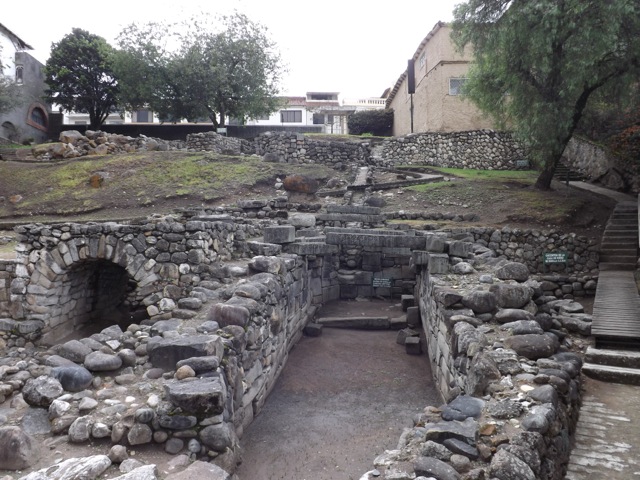
We also found two small Incan ruins that had been surrounded by the city. This one is just a small lot, while the other is more spread out and is part of the local botanical gardens, although only the foundations of the ruins are still visible.

wpid-dscf2614-2013-10-17-17-08.jpg

The next day we booked a tour of Ingapirca, but as part of the tour we had to book a train ride down the Devil’s Nose.

The Devil’s Nose – Nariz del Diablo
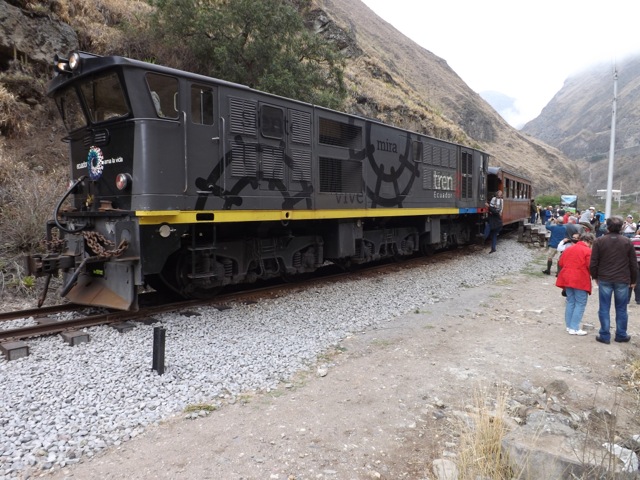
After a three hour van ride north, we arrived at the town of Alausi where we boarded the train that would take us down the Devil’s Nose – a hill that looks sort of like a nose.

When building a railway through the country, the Ecuadorian government had to find a way to connect a station at the top of Devil’s Nose with one 800m below. Unable to go around, they decided to build a switchback system where the train goes back and forth down hill.

wpid-dscf2666-2013-10-17-17-08.jpg

Thirteen thousand locals took part in the creation of the switchback, of which 2,500 were killed during the process through dynamite explosions, apparently.

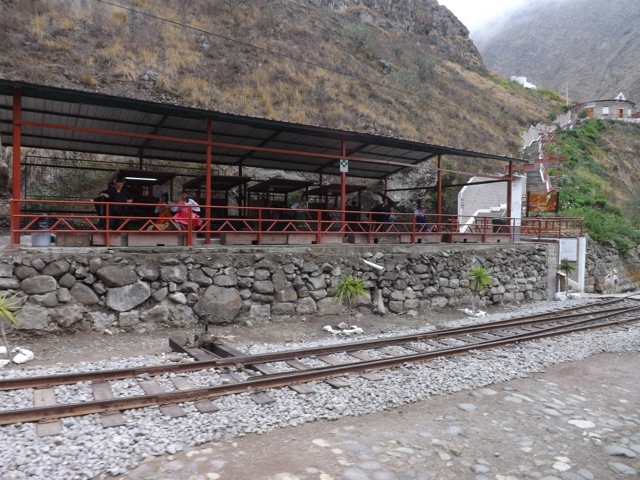
At the bottom station there’s a small museum, some traditional dancing and a cafe.

wpid-dscf2661-2013-10-17-17-08.jpg

Ingapirca

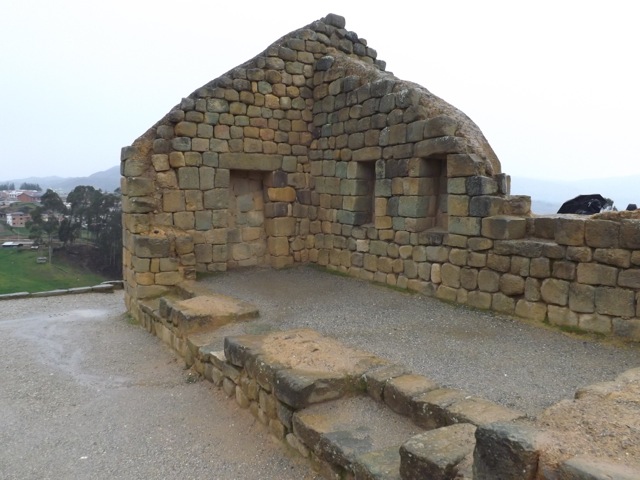
After the train ride back and another 2-hour van ride, we arrived at the largest ruins in Ecuador, Ingapirca – a thousand year old pre-Incan fortress. Like most of the Incan cities, the spanish destroyed it, using the bricks as foundations for some of the buildings in the surrounding cities, including Cuenca. The only building left standing was the sun temple, set to catch the sun four times a year on the solstices and equinoxes.

wpid-dscf2689-2013-10-17-17-08.jpg

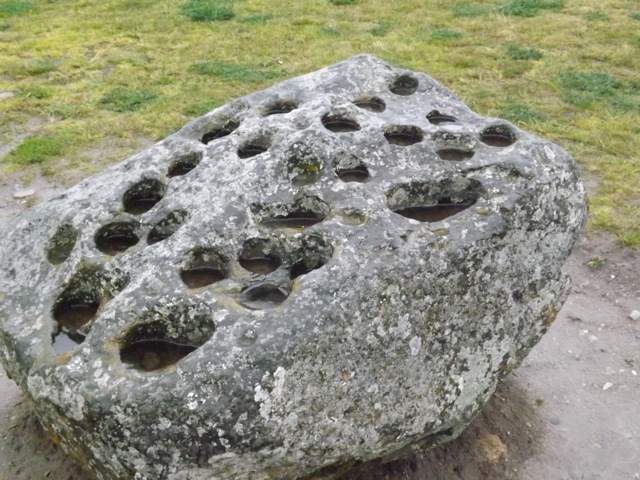
It was raining, so we didn’t spend a lot of time in the ruins, but the guide was very knowledgable. This stone below was used as a calendar. There are 28 holes cut into the rock, one for each day of the thirteen lunar months of the Incan year. It’s said that they could tell the date by which of the holes the moon was shining in.

wpid-dscf2692-2013-10-17-17-08.jpg

The sun temple has two sides, so it can catch the morning light and the evening light.

wpid-dscf2695-2013-10-17-17-08.jpg

Then it was back in the van for a 90 minute ride back to Cuenca.

Overall
Cuenca and the surrounds is a nice area of the Ecuadorian Andes and worth a visit if you are travelling through from Peru or as a nine hour bus ride from Quito.

Next, I head back to Quito for a couple of days to plan my way north into Columbia.

The World Wanderer
Quito, Ecuador – Adventures

Quito is the capital of Ecuador with about 2.5 million people. It’s perhaps also best known for being the city on the equator.

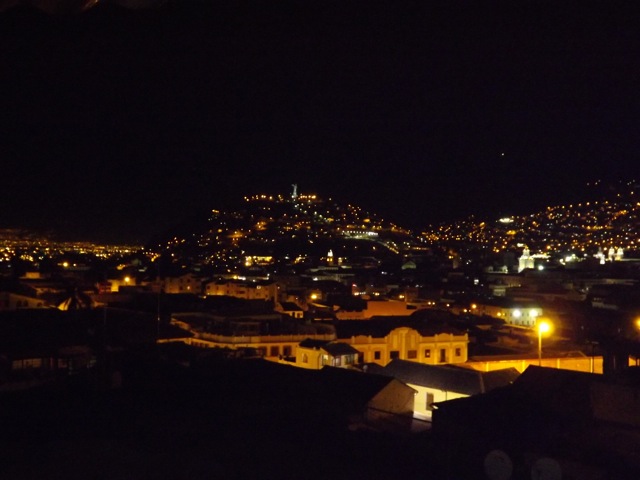
Of the countries I’ve been to so far, little is spoken about what you can do in Ecuador except, of course, the Galapagos Islands. But Quito has just as much to offer as many other cities on the continent. Including the view from the hostel at night.

wpid-dscf2152-2013-10-6-19-38.jpg

Old Town – The Historical Centre
On my first day back from the Galapagos Islands, three of us from the hostel decided to go for a walk around Old Town. The Historical Centre of Quito has many of the city’s plentiful impressive pieces of architecture. We wandered around the streets of Old Town heading from building to building for 2 hours enjoying the views.

Lastly we headed to the centrepiece building, the Cathedral.

wpid-dscf2378-2013-10-6-19-38.jpg

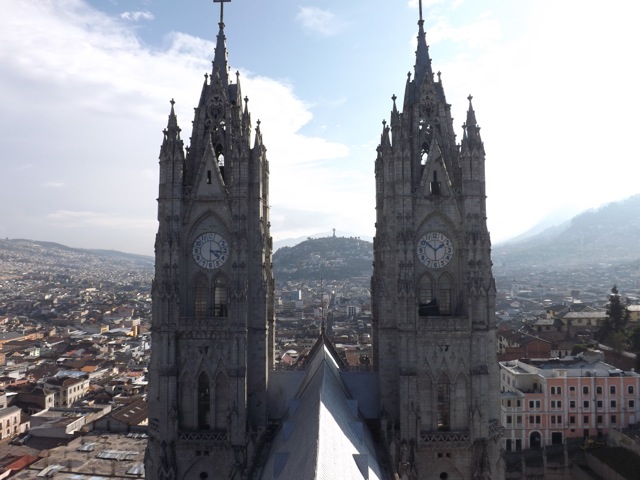
It’s very impressive, but is also getting a little old and hasn’t been as well maintained as some of the other cathedrals in South America. After scaling some rickety ladders, we climbed up into one of the towers, getting a good look at the surrounding city and the pair of clock towers.

wpid-dscf2385-2013-10-6-19-38.jpg

We then climbed into the belfries of one of the clock towers for some more views of the city.

wpid-dscf2387-2013-10-6-19-38.jpg

New Town – La Mariscal
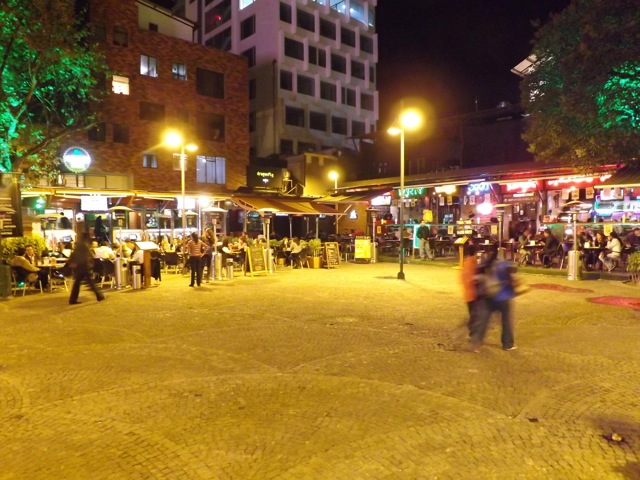
New town is considered to be the entertainment centre of the city with its trendy bars, restaurants and clubs. The hub is Plaza Foch, a crossroad surrounded by plazas. It’s also affectionally known as Gringolandia. One of the inner quarters of Plaza Foch…

wpid-dscf2391-2013-10-6-19-38.jpg

Mitad del Mundo – Centre of the World
Quito is in a unique position in the world, sitting as it does right on the equator. To celebrate this fact the city has erected a museum on each of the equators, the old one and the new one. Wait, two equators?

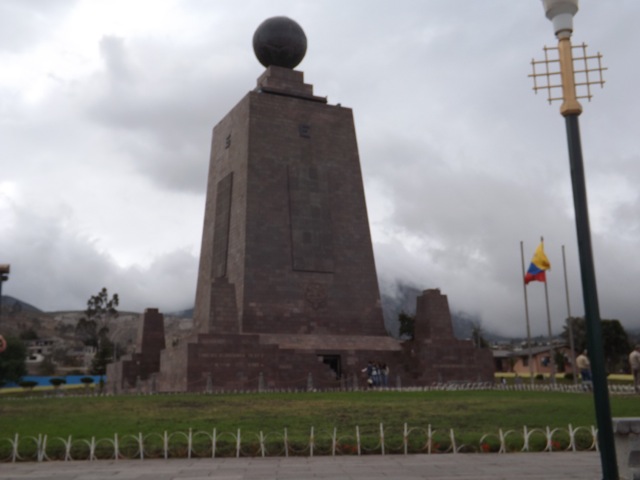
A great monument stands at a position that claims to be the equator 0º0’0”. This is where many surveys placed it, but with precise GPS readings this was determined to be incorrect. The old monument with it’s 5 ton ball on top…

wpid-dscf2401-2013-10-6-19-38.jpg

14 years ago, the equator was determined to be 240m north of the structure. To commemorate this they painted a red line on the ground signifying the actual line (which most people straddle)…

wpid-dscf2400-2013-10-6-19-38.jpg

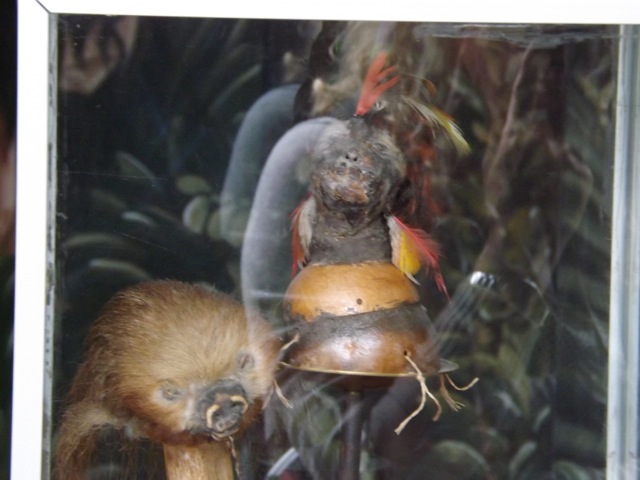
They also built an outdoor museum around it, dealing with both the equator and the people who once lived here. It’s interesting to see the water test, where they pour water down a sink on either side of the line to show it goes down in different directions. It’s also interesting to see an actual shrunken head from 150 years ago. Head shrinking was seen to be an honour soon after death….

wpid-dscf2396-2013-10-6-19-38.jpg

Reserva Geobontanica Pululahua
Just near the equator on the north side of Quito is a large volcanic crater. It’s extinct and collapsed in on itself 2500 years ago. It’s since been transformed into farm land. We stopped by as part of the tour to Mitad del Mundo, but low cloud blocked the mountains on the far side, losing the sense of it being a crater.

wpid-dscf2393-2013-10-6-19-38.jpg

El Panecillo

On a large hill in the middle of the city and viewable from most of the city is a monument to the Virgin Mary. Climbing the hill is dangerous so we attempted to get a taxi to take us. Of the couple we asked none were keen to take us anywhere near it.

wpid-dscf2374-2013-10-6-19-38.jpg

El Teleférico – The Aerial Tramway

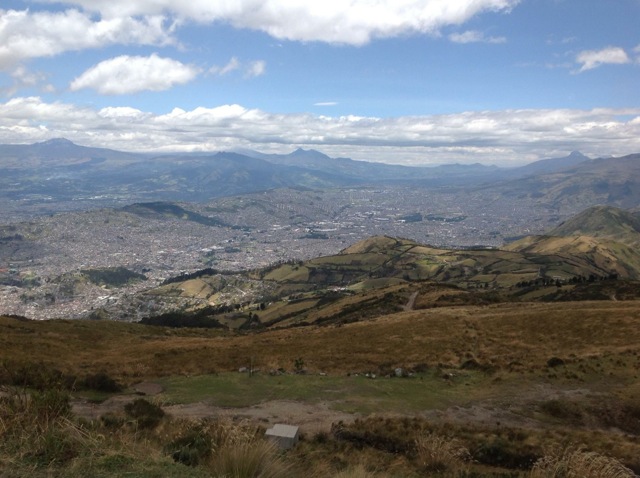
Starting in the central city, a cable car goes up to the active Pichincha volcano some 4100m above sea level for some fantastic view down over the city.

wpid-1266865_10202228210052876_865162658_o-2013-10-6-19-38.jpg

These are just a few of the activities on offer. And being in the centre of the country, Quito is used as a hub. It allows ease of travel to places such as Mindo to the north – a town buried in a rainforest; Cotopaxi National Park – to climb one of the tallest active volcanos in the world; and the Galapagos – needs little explanation, among others.

I was originally planning to travel to Cotopaxi National Park for a hike next. But as it’s legally required to carry a permit and hire a guide, we decided it would be too expensive, so are now heading further south to walk around the base of Chimborazo – Ecuador’s tallest mountain.

The Trail Wanderer

Lima, Peru – Take 2

After four days walking the Santa Cruz trek in Cordillera Blanca, I returned to Huaraz and tried to book a bus ticket to Equador. I discovered that there’s only one bus to Quito and it leaves every Wednesday, which is great, as it was Wednesday. The problem is it leaves from Lima 8 hours away. With no possibility of catching it, I decided to head back to Peru’s capital for a couple of days.

Last time I was in Lima, I stayed in the suburb of Miraflores and found it very touristy. This time I decided to see the real Lima, so I booked a hostel in Centro – downtown. When I arrived, I marvelled at the streets, roundabouts, parks and tall buildings. It’s not a mass of skyscrapers concentrated in one central place like Buenos Aires or Rio de Janeiro, the buildings are more spread out.

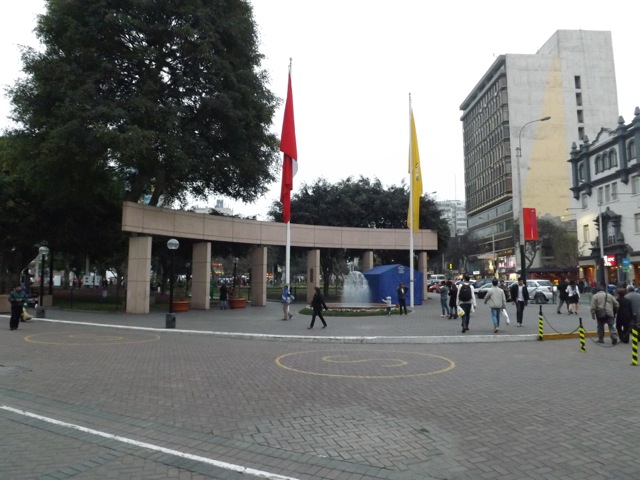
I dropped my bags off at the hostel and went out to have a look. It was after dark in the city, but at 8pm on a thursday there are still large numbers of people walking around. I headed along the road and across a park with – surprise surprise – a fountain! They are very common in Peru. (Pictures were taken the next day).

wpid-dscf2129-2013-09-14-00-16.jpg

Something else that’s very common in Peru are the Public Displays of Affection. There are always couples everywhere cuddling and canoodling. They can’t seem to keep their hands off each other. You do get used to it.

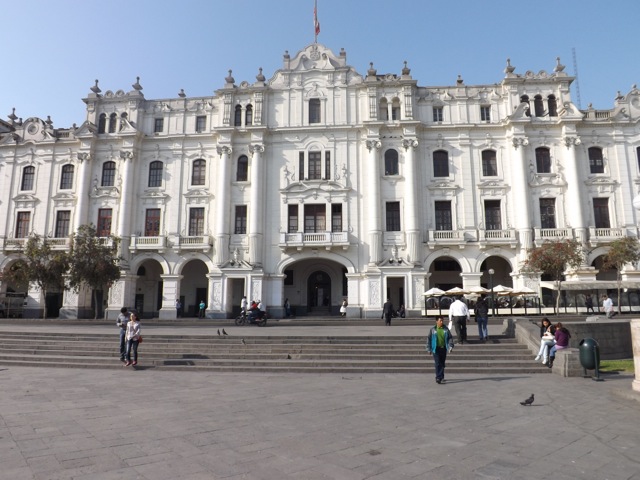
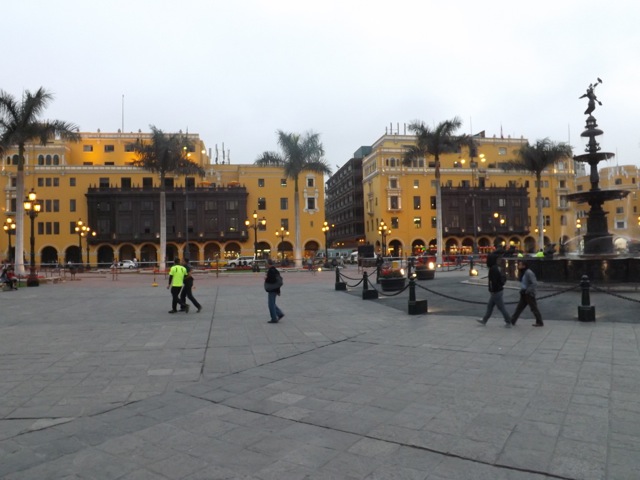
I kept walking and found a shopping mall with a food court. The peruvians love their ‘Chifa’ – Chinese food so I decided to get some. After dinner, I went for a long walk though the streets. Lima Centro is full of amazing architecture and building design. I walked several blocks to San Martin Plaza. The plaza is a beautiful square with fountain in the centre and is entirely surrounded by well maintained, architecturally beautiful buildings.

wpid-dscf2137-2013-09-14-00-16.jpg

Along one side of the plaza is an open air shopping mall. None of dirty markets of the other cities, this is a street with plentiful clothing and food stores. At the end of the street is another plaza, with another fountain more beautiful than the others, and is also entirely surrounding by well maintained, architecturally beautiful buildings.

wpid-dscf2141-2013-09-14-00-16.jpg

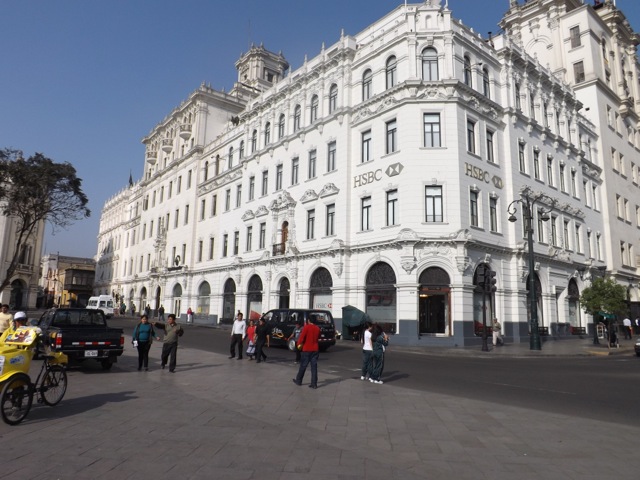
Lima Centro is definitely a place for lovers of awesome buildings, and is something about cities I do enjoy.

wpid-dscf2134-2013-09-14-00-16.jpg

But a couple of days in Lima was enough me and I began planning my way north, first to the beachside town of Mancora, and then on to Equidor.

The World Wanderer
Lima, Peru – Impressions

Lima is the capital of Peru and with 9 million people, is by far the largest city in the country. It’s a popular starting point for people with only a limited time to travel and who only really seeing Peru, Bolivia and the top of Argentina. Beyond this, I’ve been told not to stay too long as there isn’t much to do in the city. So, with low expectations I decided not to spend too much time wandering the city and more time writing.

The outskirts of Lima reminded me of Arequipa or La Paz, with half built brick buildings and dirt roads. This is the way they build houses here, instead of taking out mortgages and building a house. They build part of a house with the money they have and live in it until they have enough money to build more.

When I arrived at the bus terminal, I caught a taxi to Miraflores, a trendy suburb not far from the beach. Miraflores reminded me of the centre of a many cities in the West, with all the fast food restaurants, the clothes stores, restaurants and malls. I guess in this way it feels very touristy and not like a South American city at all.

wpid-dscf2019-2013-09-5-22-12.jpg

And for the time I was here, the weather was fairly overcast and not very exciting. It is winter, I guess. So, it didn’t tempt me to leave the hostel except to get food, a replacement camera and to sit in Starbucks and write. With the beach not even ten blocks away, I didn’t bother taking the time to go and have a look. But there was a cathedral in the central square…
wpid-dscf2021-2013-09-5-22-12.jpg

Overall, I would say that Lima seems like a nice city, but if you’re looking for something not so touristy, then Miraflores is not for you. I’ve heard there places in Centro worth seeing, with museums and likely more fountains, since Peru does them so well.

wpid-dscf2022-2013-09-5-22-12.jpg

Next, I’m off to Huaraz, back into the mountains, to prepare for a hike in Cordillera Blanca.

The Lone Trail Wanderer