Chiang Mai & Chiang Rai, Thailand – Impressions

Chiang Mai

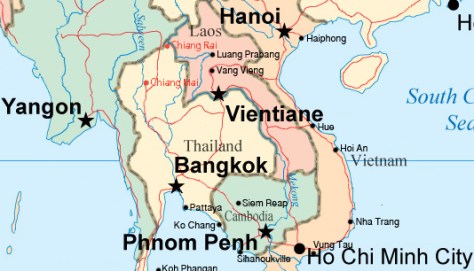
Chiang Mai, meaning ‘New City’, became the capital of the Northern Thailand in 1296, when the capital was moved from Chiang Rai. In the three months leading up to summer, there are many burn offs happening in the farmlands around the city. This drowns the region in the worst smog I’ve seen to date, even worse than Hanoi in Vietnam.
wpid-thailand-chiangmai-2015-03-13-14-24.jpg

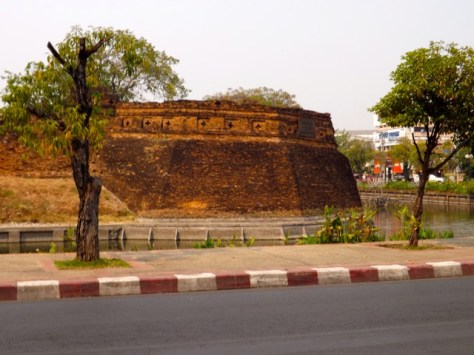
What is now known as ‘Old City’ is still partially surrounded by a wall and moat. It was used to defend the city from the Burmese and the great Mongol Empire. The city is considered a creative city, with many festivals held through the year, plentiful museums and art galleries.
wpid-dscf7635-2015-03-13-14-24.jpg

Inside the walls of Old City there are many temples, but the number is dwarfed by the huge number of cafes.

Wat Chedi Luang

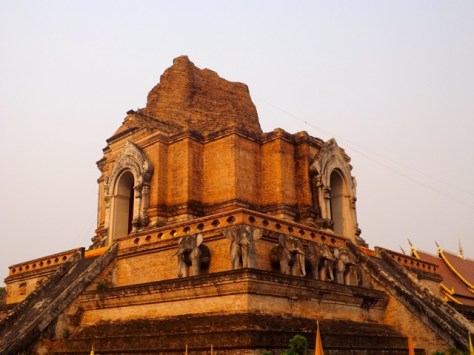
The temple literally meaning ‘Temple of the Big Stupa’ is at the centre of Chiang Mai’s Old City. It was once the home of the Emerald Buddha before an earthquake caused a partial collapse of the temple. The most famous of buddha statues was then relocated to Luang Prabang in Laos. For its 600th anniversary a copy of the Emerald Buddha made from black jade was housed in the temple.
wpid-dscf7652-2015-03-13-14-24.jpg

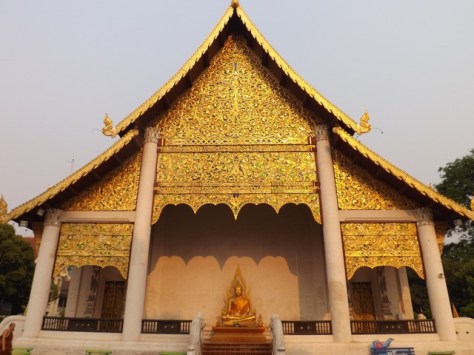
There are three temples in the compound, the more modern Wat Ho Tham glows brightly during sunset, the sun glistening from its golden walls.
wpid-dscf7660-2015-03-13-14-24.jpg

Wat Lok Molee

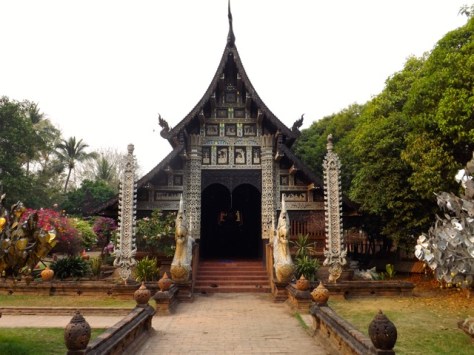
Just outside the Old City moat is another old temple built around 1350. It’s one of over 200 temples in Chiang Mail, many of them within the walls of Old City.
wpid-dscf7663-2015-03-13-14-24.jpg

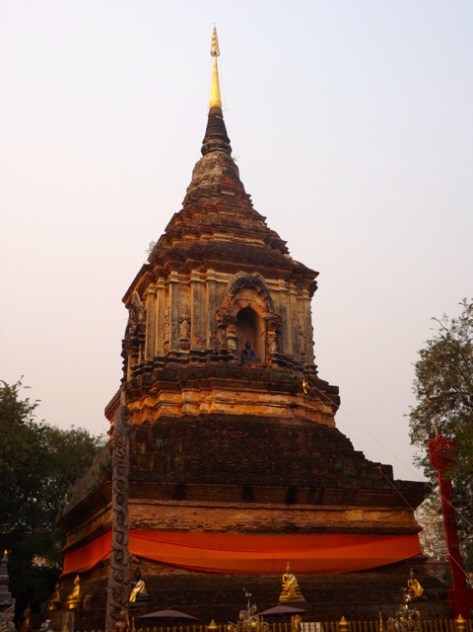
At the back of the temple is an ancient Chedi said to hold the ashes of the royal family from the Mengrai dynasty. When monks from Burma were invited to live here, it became the first location buddhism was accepted in Northern Thailand.
wpid-dscf7665-2015-03-13-14-24.jpg

Chiang Rai

Chiang Rai is the northernmost region of Thailand although it belonged to Burma until 1899. Before belonging to Burma it was the capital of the Lanna Kingdom which ruled in these parts.

With limited time, I booked a 1-day tour out of Chiang Mai to see some of the highlights of Chiang Rai…

Hot Springs

As the tour started at 7 am we stopped for breakfast at our first tourist spot for the day. Little more than a tourist trap, several hot springs are built into the car park surrounded by markets. At some of the pools, eggs are sold with little baskets that could be boiled in the hot water.
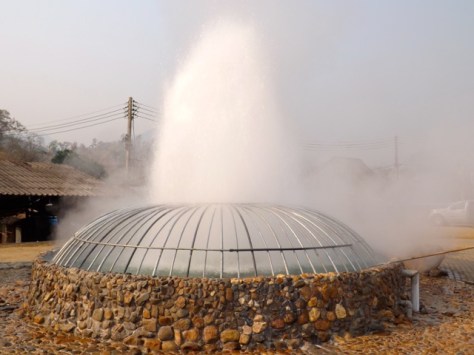
wpid-dscf7672-2015-03-13-14-24.jpg

White Temple

The highlight of the tour was the artistic and stylish Wat Rong Khun also known as the White Temple. Of all the grand, modern temples I’ve seen in South East Asia, this has to be my favourite. A local artist completely rebuild the original temple from his own pocket, spending over US$1.25 million in its construction.
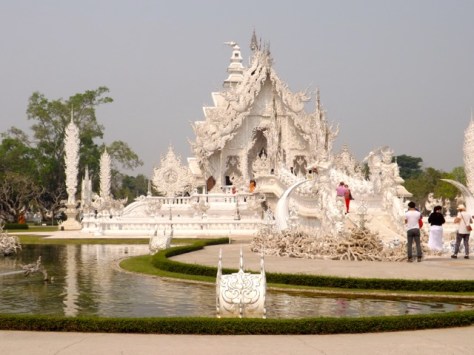
wpid-dscf7679-2015-03-13-14-24.jpg

To enter the temple, visitors must cross the ‘bridge of rebirth’ representing the way to happiness by foregoing temptation, greed and desire. Beneath the bridge are hundreds of hands symbolising unrestrained desire and they are framed by tortured depictions of demonic beings.
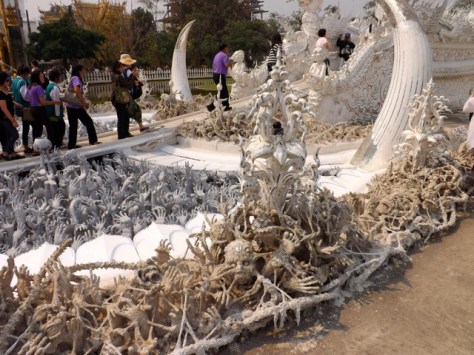
wpid-dscf7692-2015-03-13-14-24.jpg

Golden Triangle

The golden triangle is a point where Thailand, Laos and Myanmar meet. This area has a long history as a means of shipping opium between the countries. Poppy fields were once located on the Laos and Myanmar borders.

There is a boat trip across the river to an island in Laos which I decided not to take. As it turns out, this is another tourist trap and all that is on the island are markets.

wpid-dscf7738-2015-03-13-14-24.jpg

Opium Museum

While my tour mates were on the riverboat trip at the Golden Triangle, I chose to take in the Opium Museum. While small, it was informative about how Opium arrived in South East Asia. Opium is thought to have originated in the Mediterranean with evidence of its use in Greece going back 3000 years. However, China became a large producer of the drug, shipping it south across the Burmese border and south into Siam.
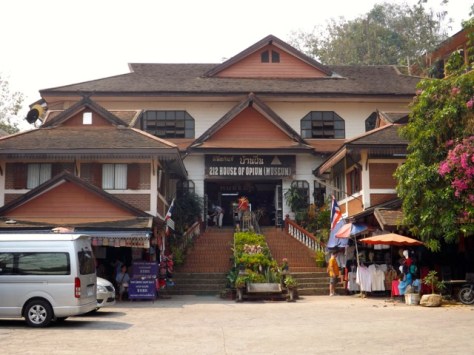
wpid-dscf7741-2015-03-13-14-24.jpg

While the tour took over 12 hours, much of it sitting in the mini-van. There were a couple of very interesting stops but at its heart the tour was merely a tourist trap, pushing us into markets with the hope of us buying products.

From here I head back to the Island of Langkawi in Malaysia where I will stop for a well deserved break from my travels for several months.

The Lone Trail Wanderer
Siem Reap, Cambodia – Impressions

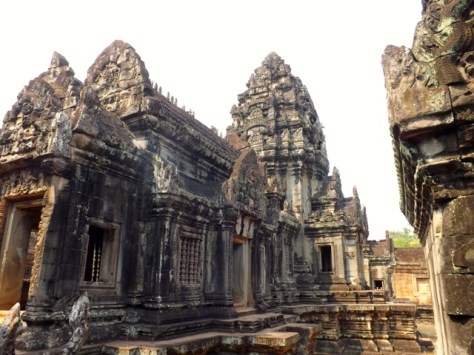
Siem Reap, meaning ‘the defeat of Siam’, is the centre of all tourism in Cambodia. Nearby is the Angkor Archaeological Park where there are of over 50 temple ruins – the once capitals of the Empire of Angkor.

wpid-cambodia-siemreap-2015-03-6-18-07.jpg

From 835 AD to 1307 AD the Empire of Angkor, also known as the Khmer Empire, ruled much of South East Asia including what is now Thailand, Cambodia, Laos and much of Vietnam. Angkor was the capital city at the centre of the empire and at its centre was a grand temple. When a new king took control of the empire he would often establish a new capital nearby and build a grand temple at its centre. Over time there were many such cities and central temples built.

wpid-dscf7505-2015-03-6-18-07.jpg

While most of the earlier temples were constructed using sandstone, later temples were built from less long-lasting materials. Most of these temples have long since disappeared. Like the ruins of the Mayans in Central America, Angkor is thought to have been abandoned because of drought and a lack of water in the region.

Angkor Wat

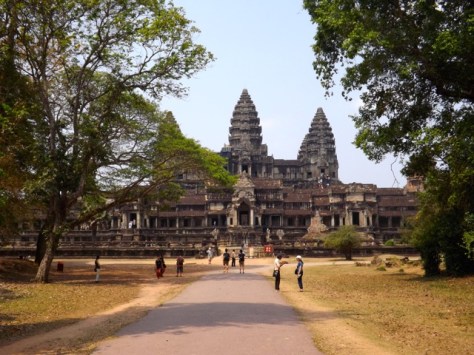
Built between 1113 AD and 1150 AD, Angkor Wat, at 1.5 km by 1.3 km, is the largest religious monument ever to have been built. Meaning ‘City Pagoda’, the temple grounds housed an entire city and while the other temples in the region were abandoned over the years, Angkor Wat remained in use.

wpid-dscf7471-2015-03-6-18-07.jpg

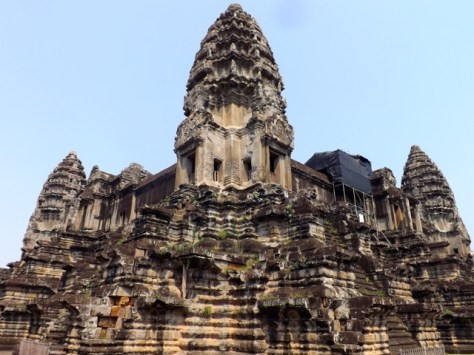
Angkor Wat is made up of concentric galleries found in most Khmer temples that lead to a main central temple. Each concentric gallery is built taller than the previous one to form a pyramid, another typical Khmer structural design. The Angkor Wat temple is surrounded by a wide moat with only two causeways leading into it.

wpid-dscf7492-2015-03-6-18-07.jpg

Angkor Wat is a major Hindu temple designed to resemble Mount Meru in Northern India, the home of the Hindu gods. It has five main towers to represent the five main peeks of the sacred mountain.

Angkor Thom

Built around 1200 AD, Angkor Thom, meaning ‘Great City’, was the largest and the last of the Angkor capital cities.

wpid-dscf7511-2015-03-6-18-07.jpg

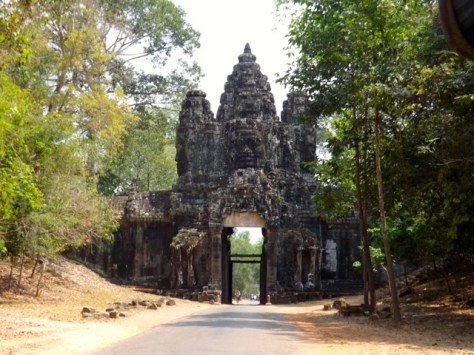
At the four entry points to the city there is a face-tower gate representing the Hindu God Brahma. At the centre of Angkor Thom is the Bayon Temple.

Bayon 

Built around 1200 AD as the temple at the centre of Angkor Thom, it is thought to be one of the most powerful religious structures ever built.

wpid-dscf7502-2015-03-6-18-07.jpg

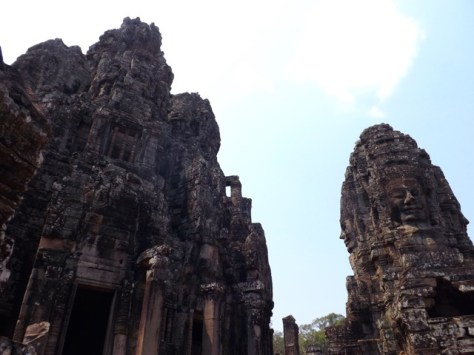
The temple is very complex and is thought to have been reworked several times since its creation. There were 49 distinct towers, most with the four faces of Brahma built into them. They were arranged in ever higher tiers to create a stone mountain.

Ta Prohm

Built around 1186 AD as a monastery temple, it was dedicated to King Jayavarman VII’s mother.

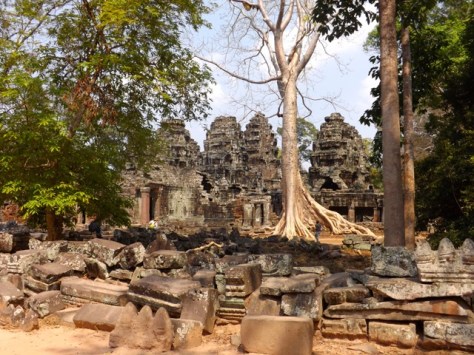
wpid-dscf7517-2015-03-6-18-07.jpg

While many of the temples in the region were reassembled, La Prohm was left in its natural state with only a minimal amount of work done to prevent further collapse. The ruins are said to have a romantic atmosphere because of the intertwining trees growing through the structure.

Banteay Kdei

Built around 1200 AD its name means ‘Citadel of Many Chambers’.

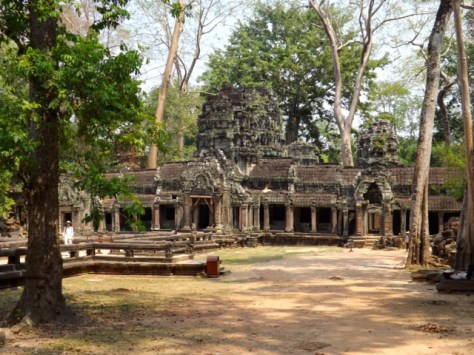
wpid-dscf7541-2015-03-6-18-07.jpg

It was constructed over another temple built 200 years earlier and has been left in its ruined stated.

Prasat Kravan

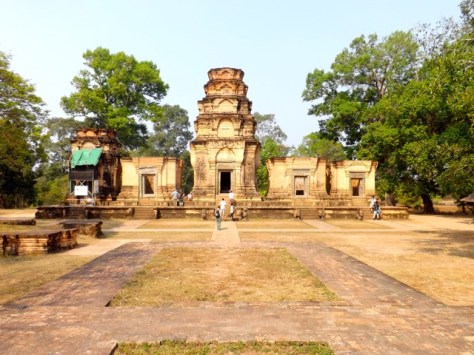
Dedicated to the Hindu God Vishnu, the small structure was built in 921 AD.

wpid-dscf7551-2015-03-6-18-07.jpg

The name means ‘Cardamom Sanctuary’ after a tree that once stood in the compound.

Pre Rup

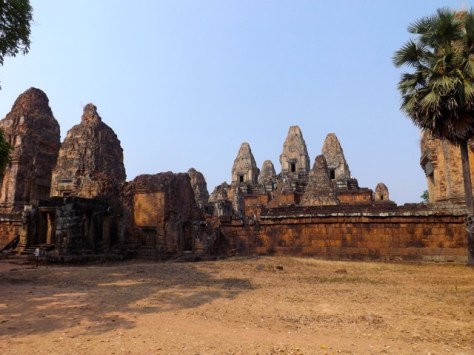
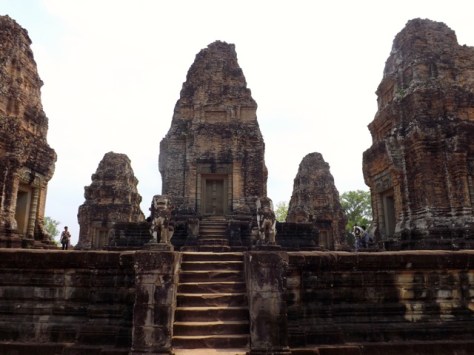
Built in 961 AD by the then King Rajendravarman as the centre of his capital city.

wpid-dscf7568-2015-03-6-18-07.jpg

Pre Rup means ‘turning the body’ and is a cremation rite where the ashes of the dead are rotated at certain times during the ceremony. After the king’s death, the capital was moved back to Angkor.

Banteay Samre 

Constructed around 1130 AD its main tower is the same as those at Angkor Wat although it has many similarities to temples of northern Thailand.

wpid-dscf7582-2015-03-6-18-07.jpg

East Mebon

East Mebon temple is known as the Elephant Temple because of the several elephant statues around the structure.

wpid-dscf7588-2015-03-6-18-07.jpg

It was built as an island on the now dry East Baray, a water reservoir measuring 7.5 kilometres by 1.8 kilometres.

Ta Som

This small temple is said to be a miniature version of Ta Prohm or Banteay Kdei temples. It is known as Gaurasrigajaratna – the Jewel of the Propitious White Elephant.

wpid-dscf7595-2015-03-6-18-07.jpg

Neak Poan

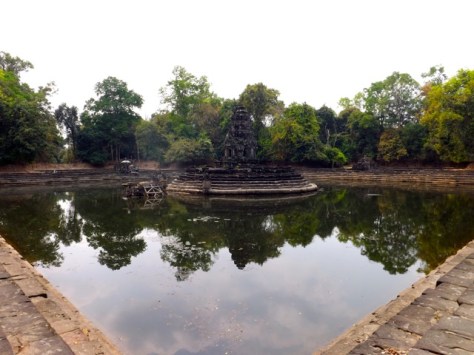
Near Poan is a small monument at the centre of a large pond, which is at the centre of a further four smaller ponds.

wpid-dscf7606-2015-03-6-18-07.jpg

Build in the late 12th century it was built on an island in a water reservoir. It is speculated to represent a sacred Himalayan lake said to hold healing waters with four rivers running from it.

Preah Khan

This large temple was also a Buddhist university with more than a thousand teachers.

wpid-dscf7619-2015-03-6-18-07.jpg

It was said to have been built on a lake of blood, the site of a major battle to recapture Angkor from the Cham empire, where the Cham King was slain.

Pub Street and Night Markets
One day is just not enough to see all the temple ruins, and even in two days I only saw 13 of the 53. But after two days out on a tuk-tuk in the heat and intense humidity I was templed out.

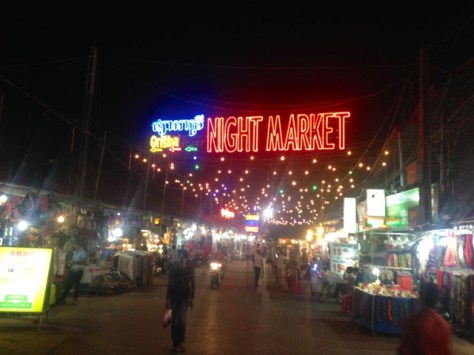
At night Siem Reap lights up around two main areas, Pub Street and the Night Markets. You can tell when you’re in the area because of the large neon signs announcing them. Overall, it’s very touristic with many restaurants, bars and markets.

wpid-img_2409-2015-03-6-18-07.jpg

Next, it’s time to leave Cambodia and head back to Thailand.

The Lone Trail Wanderer

Sihanoukville, Cambodia – Impressions

Five hours by bus south-west of Phnom Penh is Cambodia’s only deep water port, Sihanoukville. The port was used by the US during the American War with Vietnam. When the US evacuated the region the Khmer Rouge attacked, seizing a US container ship. This led a two-day rescue operation by marines including airstrikes across the city.

wpid-cambodia-sihanoukville-2015-02-27-12-41.jpg

Sihanoukville is becoming more popular among tourists because of its long golden sandy beaches and peaceful untouched islands. It’s lack of infrastructure is the only reason it has yet to become like the southern Thailand islands, Koh Phangan and Koh Samui. But it’s only a matter of time.

wpid-dscf7398-2015-02-27-12-41.jpg

Beyond hanging at the beach and cruising the islands, there’s little to do in the area. This didn’t stop me hiring a scooter and heading out to see what I could find.

Wat Leu
One of five main temples in and around Sihanoukville.

wpid-dscf7368-2015-02-27-12-41.jpg

Wat Leu is also called the Upper Wat as it stands on a hill providing great views along the bay.

wpid-dscf7372-2015-02-27-12-41.jpg

Kbal Chhay Waterfall
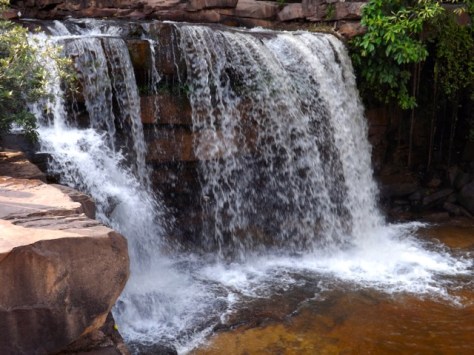
This small waterfall is 7km from Sihanoukville and the main source of fresh clean water for the city.

wpid-dscf7393-2015-02-27-12-41.jpg

The falls became a hiding place for the Khmer Rouge in 1963 effectively cutting off the water supply.

wpid-dscf7392-2015-02-27-12-41.jpg

Island Tour
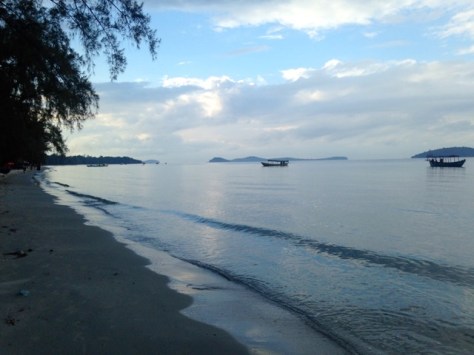
With little else left on land to do here but sit at the beach, I booked myself on a boat and was out on the beach waiting for it in the warm early morning air.

wpid-img_2402-2015-02-27-12-41.jpg

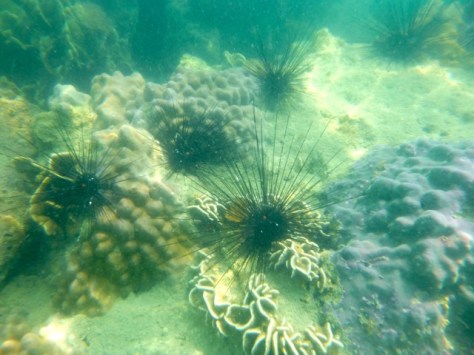
During the tour, we visited three different islands, swam, stopped for a bbq lunch on the beach and snorkelled. As the water was mostly murky, it wasn’t the best for snorkelling but I enjoyed the time anyway.

wpid-p1000407-2015-02-27-12-41.jpg

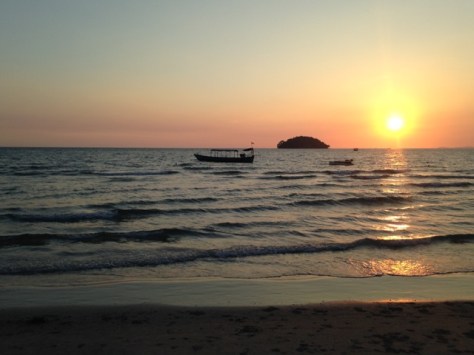
On our return, I hung out at a $5 bbq restaurant on the beach watching the sun set.

wpid-img_2401-2015-02-27-12-41.jpg

Overall, Sihanoukville is a lovely, serene and peaceful place to stay for a couple of days if you like basking in the sun. The location where I was staying was a distance out of town and was particularly relaxed and quiet.

Next, Siem Reap and the much-lauded Angkor Wat.

The Lone Trail Wanderer

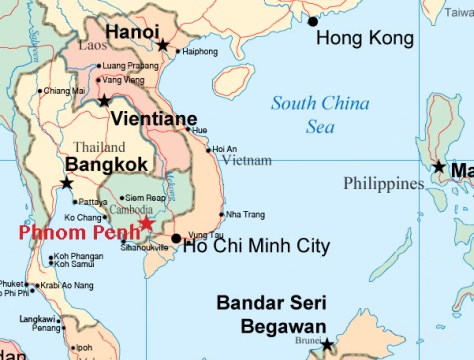
Phnom Penh, Cambodia – Impressions

Once known as the Pearl of Asia, Phnom Penh is Cambodia’s largest city and capital. While it may once have been the loveliest French built city in Indochina, it’s now one of the dirtiest cities I’ve been to in South East Asia.

wpid-camdobia-phnompenh-2015-02-26-19-28.jpg

By 1975 the city had a population of between 2 and 3 million, including many refugees from Vietnam. A year later, the city was shelled relentlessly by the Khmer Rouge, killing and mutilating millions. The extremist communist regime then evacuated the city leaving it a virtual ghost town, claiming cities were havens of evil.

wpid-dscf7355-2015-02-26-19-28.jpg

Choeung Ek – The Killing Fields
The Khmer Rouge, led by paranoid leader Pol Pot, accused Cambodians of petty crimes, tortured them until they admitted to spying then shipping them to one of 320 execution camps.

wpid-dscf7304-2015-02-26-19-28.jpg

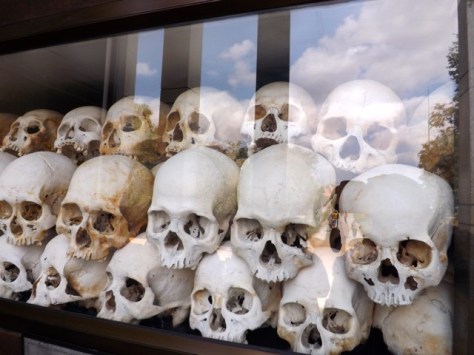
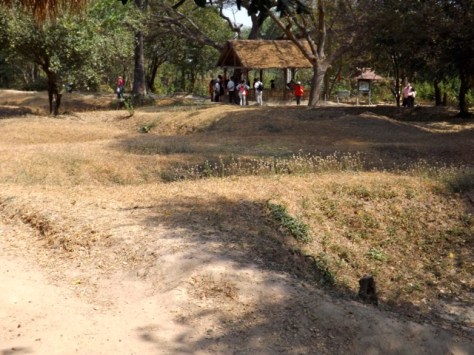
Over the course of 4 years the regime murdered nearly 3 million people in this manner before being run out by the Vietnamese army. Fifteen kilometres from Phnom Penh is the township of Choeung Ek. It is the location of the most famous of the murder camps, now simply called the Killing Fields. The site has 129 mass graves where over 20,000 people were executed.

wpid-dscf7291-2015-02-26-19-28.jpg

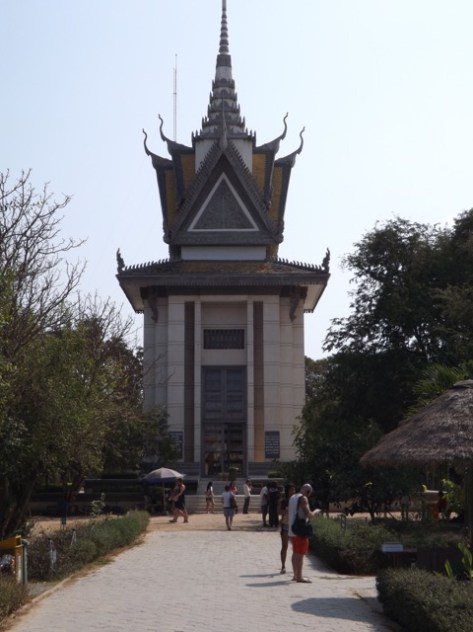
A buddhist memorial has now been built as a way to show respect to the victims. There is also an audio tour which takes about 2 hours. I’ve never seem such sad faces as I moved around the site.

wpid-dscf7283-2015-02-26-19-28.jpg

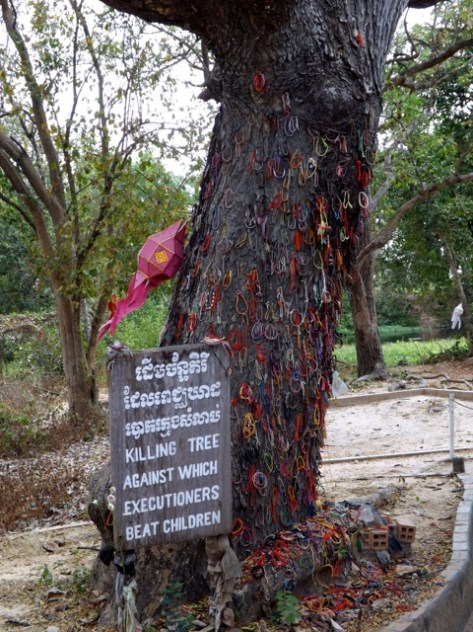
Because ammunition was expensive, executions were committed with hand weapons while music was played to mask the deaths. There’s even a tree against which children were smashed before being thrown into a pit. This was to stop them growing up and taking revenge on the Khmer Rouge.

wpid-dscf7299-2015-02-26-19-28.jpg

Overall, the experience was very sobering.

Tuoi Slang Genocide Museum
During the 4 year Khmer Rouge regime, schools, temples and other institutions were considered evil and abandoned. One abandoned school in Phnom Penh was converted to a prison and torture facility.

wpid-dscf7314-2015-02-26-19-28.jpg

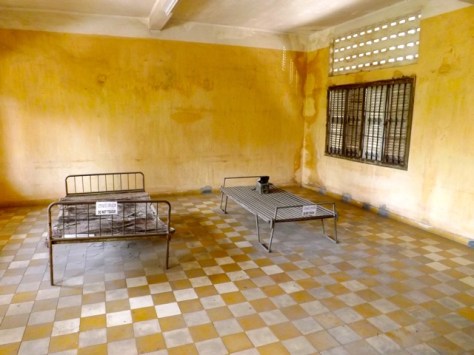
It’s now a museum and many of the rooms have their original metal beds and photos depicting prisoners in various states of torture.

wpid-dscf7308-2015-02-26-19-28.jpg

Wat Phnom
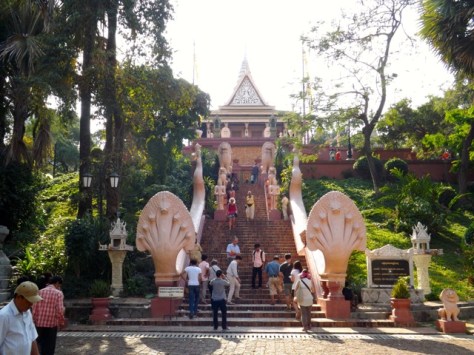
The highest religious structure in the city. Legend tells of a woman named Penh who found four buddha statues in a tree and built a shrine on this hill to protect them, thus founding the city. Phnom mean Hill and Phnom Penh literally means Penh’s Hill.

wpid-dscf7358-2015-02-26-19-28.jpg

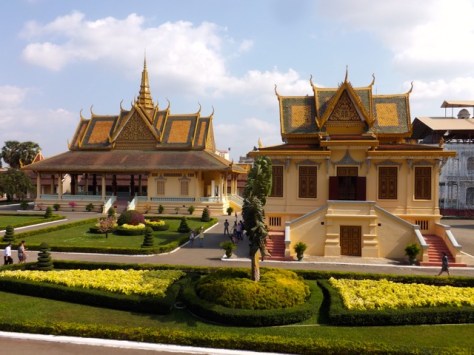
The Royal Palace
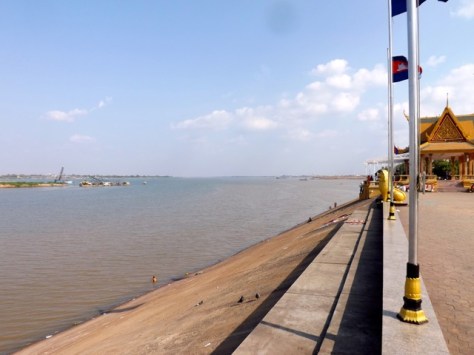
A popular tourist site, the palace has a view out across the river. The sections where the King lives is closed to the public.

wpid-dscf7339-2015-02-26-19-28.jpg

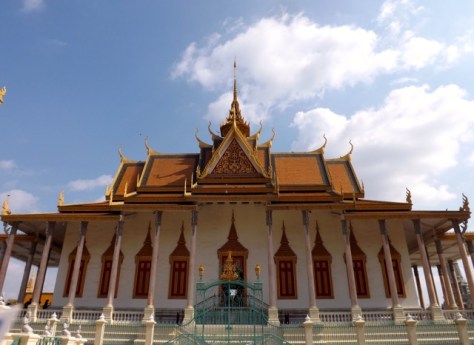
Wat Preah Keo
Also known as the Silver Pagoda, it is located on the grounds of the Royal Palace. Its formal name, Preach Vihear Keo Morakot, means Temple of the Emerald-Crystal Buddha. It houses the Cambodian Emerald Buddha statue as well as a life-sized gold statue decorated with 9584 diamonds.

wpid-dscf7341-2015-02-26-19-28.jpg

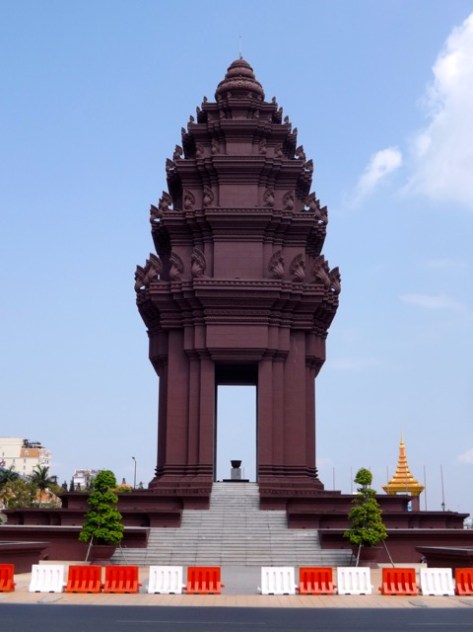
Independence Monument
The monument is a stupa dedicated to Cambodia’s independence from France in 1953. It’s also printed on the 100 Riel bill, a note worth about 2.5 US cents.

wpid-dscf7316-2015-02-26-19-28.jpg

Next, I head to the beach for a few days of sun and sand.

The Lone Trail Wanderer

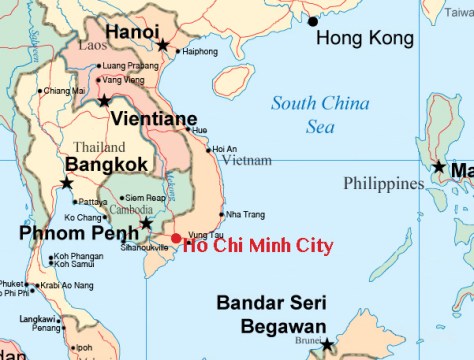
Ho Chi Minh City, Vietnam – Impressions

In 1976, to mark the reunification of North and South following the American War, the city known as Saigon officially became Ho Chi Minh City. Saigon is still used in the south although if used by locals it can suggest their political leanings.

wpid-vietnam-hochiminhcity-2015-02-25-17-44.jpg

With 9 million people Ho Chi Minh City is the largest city in Vietnam. While it’s half again as large as Hanoi, the roads system in Ho Chi Minh City is far superior.

wpid-dscf7265-2015-02-25-17-44.jpg

At the end of my 23 day scooter trip from the capital, I chose to stay 4 nights in Ho Chi Minh City in hope of selling my scooter, exploring the city and to take a rest.

Pagodas

Compared to many places in Vietnam, Ho Chi Minh City is packed with pagodas in its central city.

Giam Lam Pagoda
One of the oldest pagodas in the city.

wpid-dscf7248-2015-02-25-17-44.jpg

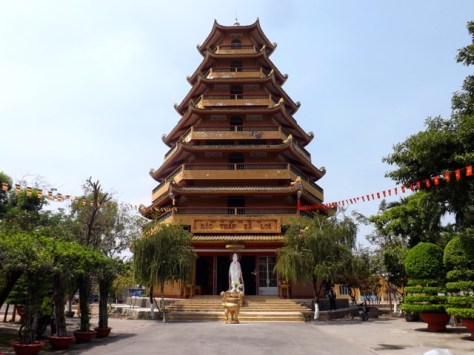
Giac Pagoda
Simply called the Great Ancient Large Buddhist Temple, although it’s dwarfed by the skyscrapers on all sides.

wpid-dscf7249-2015-02-25-17-44.jpg

Minh Dang Quang Pagoda
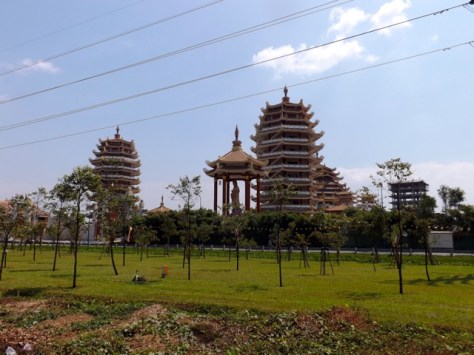
A cluster of pagodas with more under construction just outside of the central city.

wpid-dscf7250-2015-02-25-17-44.jpg

Notre-Dame Cathedral
In turn, unlike many places in Vietnam, the city has few churches. This one was built in 1863 in the french style similar to the Basilica of Notre-Dame. The statue of the Virgin Mary in front of the cathedral was said to have shed a tear in 2005 attracting crowds of thousands. Whether it actually did is yet to be proven.

wpid-dscf7261-2015-02-25-17-44.jpg

City Hall
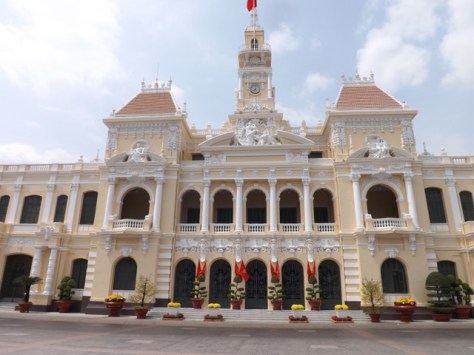
Built in 1902 the city hall began as a hotel, but in 1976 it was renamed Ho Chi Minh City People’s Committee head office.

wpid-dscf7260-2015-02-25-17-44.jpg

Suoi Tien Amusement Park

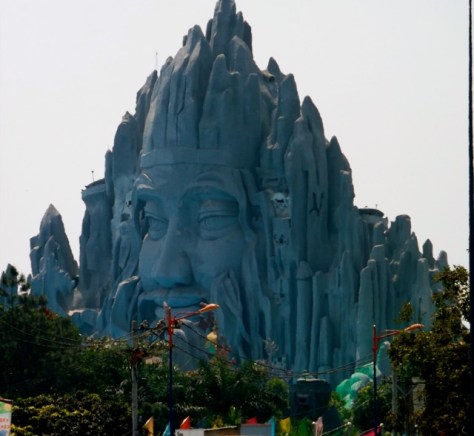
On the north side of the city is a large amusement park designed to illustrate Vietnam’s past. The park includes a large manmade beach and a massive waterfall sculpted in the likeness of one of the former emperors. The face is large enough that it can be seen from the highway going past.

wpid-dscf7252-2015-02-25-17-44.jpg

War Remnants Museum

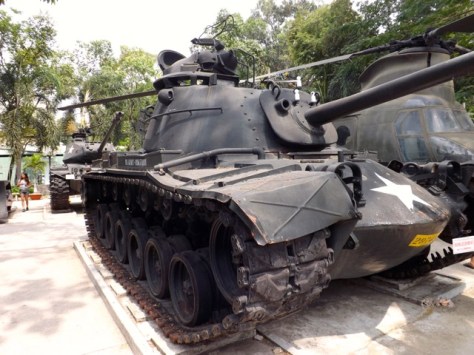
Unlike the war museum in Hanoi, the War Remnants Museum showcases some of the atrocities inflicted upon the Vietnamese people during the American War. While the museum is illuminating and a tad macabre, it comes across as anti-American and full of communist propaganda.

wpid-dscf7267-2015-02-25-17-44.jpg

Vietnamese New Years

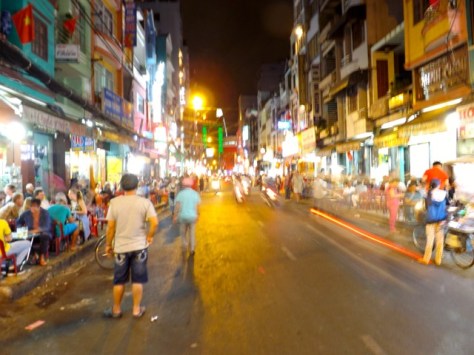
The roads of District 1 in the central city get quite busy as darkness descends. Nighttime denotes dinnertime and people emerged to bustle around the bars and restaurants. On Vietnamese New Years Eve, also known as Chinese New Years and Luna New Years, the street is much the same except for an added expectation for midnight. There are fireworks at the witching hour but nothing spectacular and before long it’s over. It certainly nothing like traditional Western New Year’s Eve celebrations.

wpid-dscf7272-2015-02-25-17-44.jpg

Cu Chi Tunnels
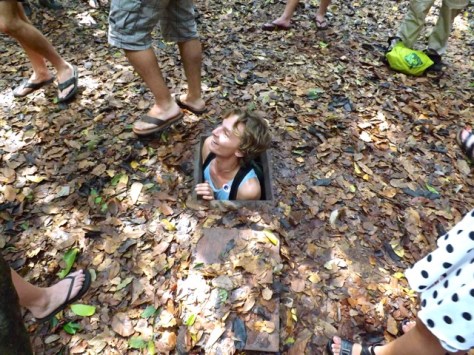
There’s an extensive tunnel system running under much of Vietnam. The Cu Chi section is famous for being the site of several offensives. When I visited site, I joined a group and we were led through some of the tunnels. Our first stop was to a gun bunker where some of the entrance holes were too small for many of us.

wpid-dscf7279-2015-02-25-17-44.jpg

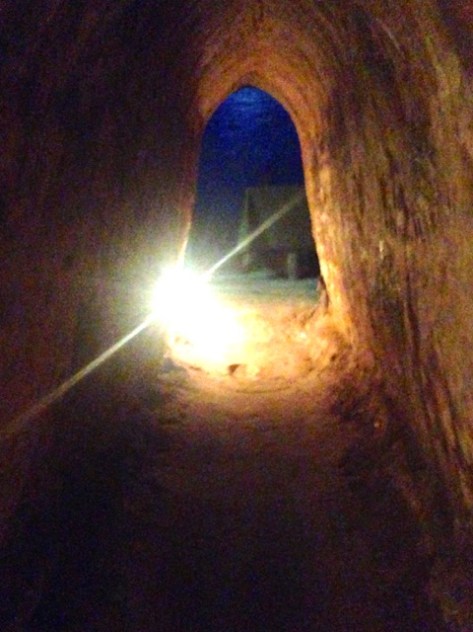
The tunnels themselves are short and thin, with many at Cu Chi having been enlarged for tourism. Even so, I still had to crawl through most of them. Being tall in Asia is not always fun.

wpid-img_2395-2015-02-25-17-44.jpg

After a month in Vietnam, it’s time to move on. Next stop, Cambodia.

The Lone Trail Wanderer

Hanoi to Ho Chi Minh City by Scooter – Part 4

I’ve recently ridden the length of Vietnam on a Scooter.

Incase you missed them:
Hanoi to Ho Chi Minh City by Scooter – Part 1
Hanoi to Ho Chi Minh City by Scooter – Part 2
Hanoi to Ho Chi Minh City by Scooter – Part 3

wpid-img_2370-2015-02-13-19-39.jpg

Day 18 – Nha Trang to Da Lat – 139km
Da Lat is in the southern highlands and is my first foray from the coast since my rained out trip to Tham Duc. This time the weather was amazing, with cloudless blue skies. Nha Trang’s crazy traffic was something I was grateful to leave and as I rode away from AH1 I rejoiced in the lack of roadworks and trucks.

wpid-dscf7119-2015-02-13-19-39.jpg

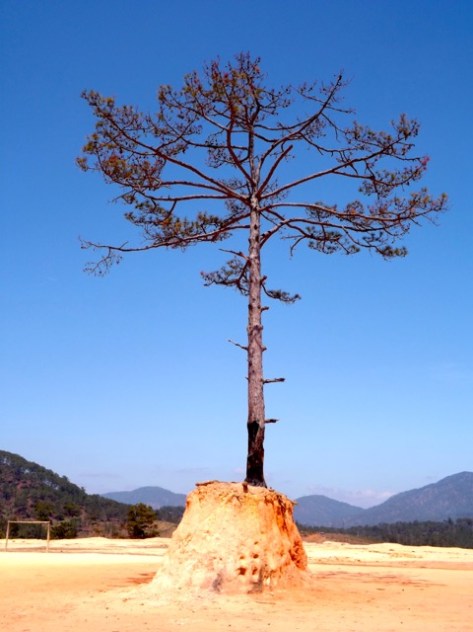
The road was one of the best so far as it slowly climbed into the mountains to a height of around 1500 metres. It got colder the higher I went and especially so when I was not in direct sunlight. I stopped for a break at an empty lot with a solitary tree that caught my inspiration.

wpid-dscf7121-2015-02-13-19-39.jpg

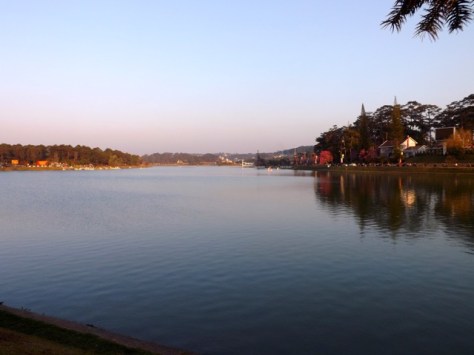
Most days I only pass one or two other tourist riders. Today I counted somewhere around 35 tourist bikes, many with passengers. I expected Da Lat to be a small mountain town but instead found a city surrounded by vast valleys of greenhouses. But then, it is the flower capital of Vietnam. While the motorcycle traffic was crazy, the city has a beautiful lake at its centre, along with pink blooming cherry trees.

wpid-dscf7191-2015-02-13-19-39.jpg

Day 19 – Da Lat Countryside Tour
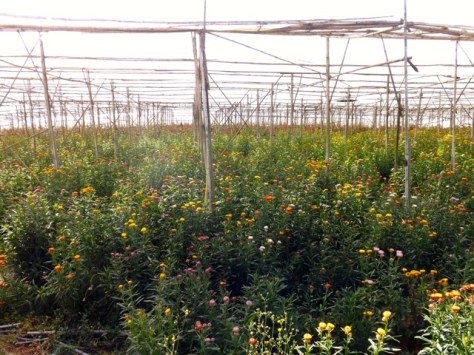
For only the second time on this trip I booked a tour, desiring to be driven around for a change. Our first stop was a flower farm, busy because of Valentine’s day and Chinese New Year.

wpid-dscf7130-2015-02-13-19-39.jpg

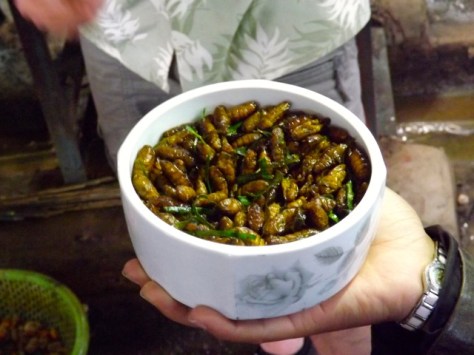
Then it was off to a coffee plantation where we got to try Weasel Coffee. Weasel coffee turned out to be the Luwak coffee I’d tried in Indonesia. Apparently the Vietnamese only have one word which means both Asian Palm Civet and Weasel. We then stopped at a silk processing factory, where they create silk thread from silkworm cocoons. It was here we ate roasted silk worm. Not something you do everyday, or probably want to ever do again…

wpid-dscf7148-2015-02-13-19-39.jpg

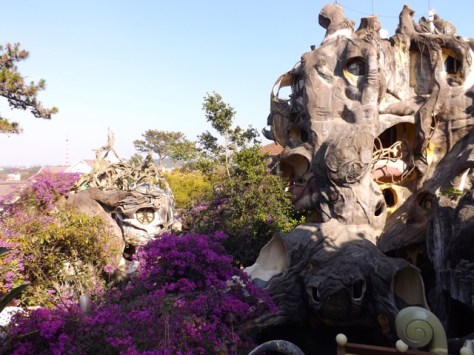
We also visited the Hang Nga Guesthouse, also known as ‘the crazy house’. Built by a local architect the house has many walkways, some going over the rooftops or across the yards. The guesthouse is so popular that bookings are required months in advance. The owner has purchased several houses in the adjacent block and is in the process of adding them to the initial house.

wpid-dscf7180-2015-02-13-19-39.jpg

Day 20 – Da Lat to Phan Thiet – 159km
Coming down from the highlands saw an interesting change in temperatures. The long windproof pants, shoes and socks, jumper and windproof jacket became too hot. As I got closer to Pan Thiet I had to pull over and take off the jumper, but was still hot.

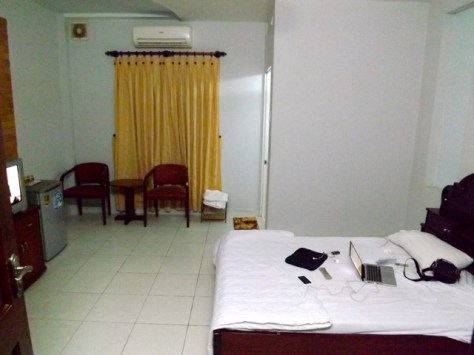
On a side note, hotels in Vietnam can be fairly cheap. This is what US$8.90 gets you.

wpid-dscf7245-2015-02-13-19-39.jpg

This includes cable TV, air con, double bed, ensuite bathroom, bar fridge and high-speed wireless internet. They aren’t luxury resorts and there’s no view, but you don’t really need these things when you’re either out exploring or sleeping.

Day 21 – Mui Ne Beach – 36km Round Trip
Eighteen kilometres from Phan Thiet is the popular tourist beach town of Mui Ne. Like Nha Trang, it’s very popular with Russian tourists, but while this seems to put some people off, I have no trouble with attractive Russian women. Exploring the area, I rode around several beautiful beaches (all unfortunately with their share of rubbish).

wpid-dscf7213-2015-02-13-19-39.jpg

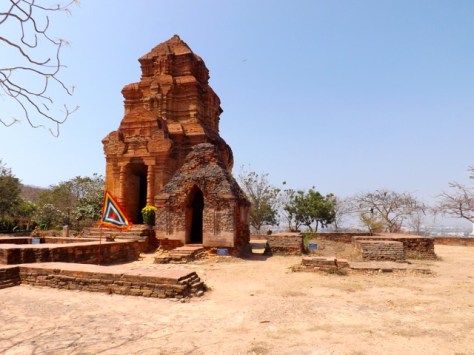
I also found another Cham tower ruin similar to the one in Nha Trang.

wpid-dscf7201-2015-02-13-19-39.jpg

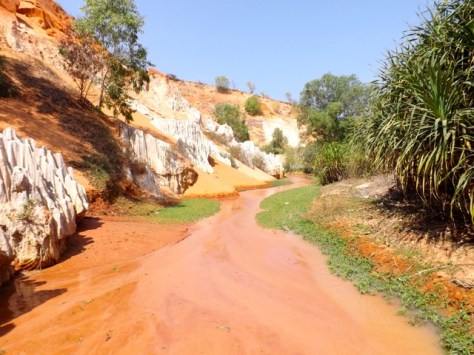
And I walked for a kilometre along the ankle-deep Fairy Springs. The red water leads through some very interesting formations in the white rock and orange sands.

wpid-dscf7222-2015-02-13-19-39.jpg

Day 22 – Phan Thiet to Vung Tau – 167km
Today was so hot I wore shorts and a t-shirt instead of my full riding gear. The road followed Vietnam’s southern coast with plentiful beaches. Then, not far from my destination I had bike troubles again and I stopped to get it fixed. That brings my total bike issues to eight.

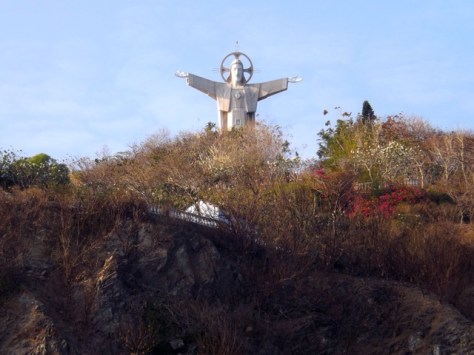
I liked Vung Tau and wished I could have stayed longer, but with an expiring Visa I was running out of time. Even with the bike troubles, I still had time to explore the peninsula, and found this statue of Christ on one of the clifftops, listed as the 8th most famous Christ statue in the world.

wpid-dscf7240-2015-02-13-19-39.jpg

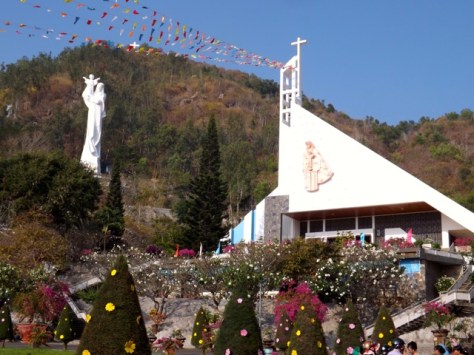
On a hill at the other end of the peninsula I found a large statue of St Mary beside the St Mary’s Church…

wpid-dscf7230-2015-02-13-19-39.jpg

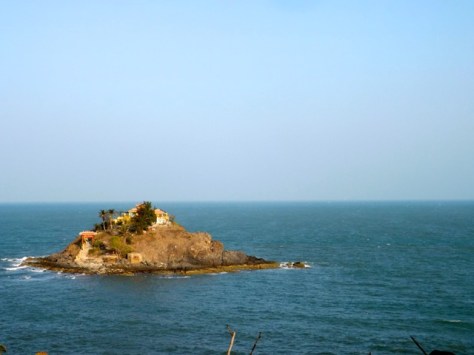
They like putting things on hills here, as there are ones with sitting buddhas, temples, towers and no doubt others. Then out on the water, there’s a temple out on a small island which includes a pair of bunkers from the war.

wpid-dscf7244-2015-02-13-19-39.jpg

Day 23 – Vung Tau to Ho Chi Minh City – 116km
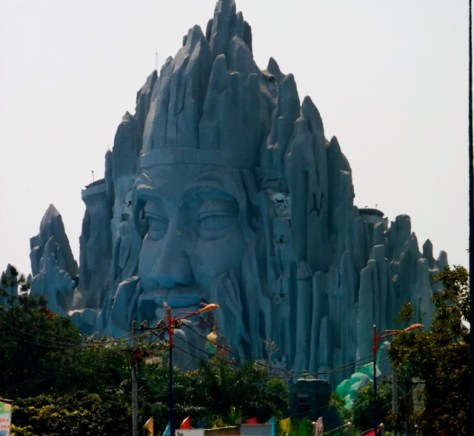
Today was to be a short day, but it just wasn’t to be. While the bike gave me little trouble, it was my replacement phone that sent me off along the wrong path before freezing until an hour later when I managed to find my own way to the main highway. From there it was fairly straight forward all the way to the hotel, passing what I call the Face of Saigon, an attraction at the Soui Tien Cultural Amusement Park.

wpid-dscf7252-2015-02-13-19-39.jpg

While I’ve enjoyed this experience greatly, the problems with my bike have given me enough frustration that I’m glad it’s come to an end.

Vietnam South1

Next, I explore Ho Chi Minh City and make preparations to sell my scooter.

The Lone Trail Wanderer

Hanoi to Ho Chi Minh City by Scooter – Part 3

I’m currently riding the length of Vietnam on a Scooter.

Incase you missed them:
Hanoi to Ho Chi Minh City by Scooter – Part 1
Hanoi to Ho Chi Minh City by Scooter – Part 2

wpid-img_2370-2015-02-8-18-42.jpg

Day 12 – Hoi An to Kham Duc – 110Km
Today started out cloudy, but once I got into the highlands it began to pour. Before long I was drenched, even though my supposedly waterproof clothing, drowning my phone in one of my pockets. Then at one point I came around a corner too close to the road’s edge and came off my bike. My clothes took the brunt of the scrapes and I got off fairly lightly thanks to my sedate pace in the rain.

On arrival at the hotel I changed into dry clothes and surveyed the damage. While my phone was wet on the outside, water had only found its way into the SIM slot. This stopped my phone from connecting to the network via the SIM and removes my only navigation tool.

Day 13 – Tham Duc to Hoi An – 110km
As country Vietnam has less than optimal signposting and without the ability to navigate on my phone, I made the decision to head back to Hoi An. This was in hope of getting to an Apple store in Da Nang to get my phone either replaced or fixed. For my ride today the weather was clear with no threat of rain, and the journey back was actually enjoyable with some interesting views.

wpid-dscf7073-2015-02-8-18-42.jpg

Returning to Hoi An was fairly easy, although there was the occasional junction without adequate signage that was confusing. In Da Nang I located the Apple Service Centre but as it’s Chinese New Years getting parts would take weeks. I had no choice but to continue my journey without it.

Day 14 – Hoi An to Quang Ngai – 127km
Instead of heading back into the highlands, I rode south along the AH1, the main Asian Highway which stretches for over 20,000 km and crosses 16 countries from Japan to Turkey. As in previous days on the AH1 there were too many road works and even more trucks to spray up the dust. It took me 3 hours to get to the outskirts of Quang Ngai, but finding the hotel without my phone was troublesome. After settling into my room I headed out to find an ATM and to buy a cheap phone. After my purchase I stopped by the tomb of national hero Truong Cong Dinh, famous for leading an army against the french invasion force.

wpid-dscf7074-2015-02-8-18-42.jpg

Huang Ngai is also the site the Song My massacre. During the American War, the area was incorrectly identified as a Viet Cong stronghold. More than 400 innocents were slaughtered by American Soldiers, mainly women and children.

Day 15 – Quang Ngai to Quy Nhon – 204km
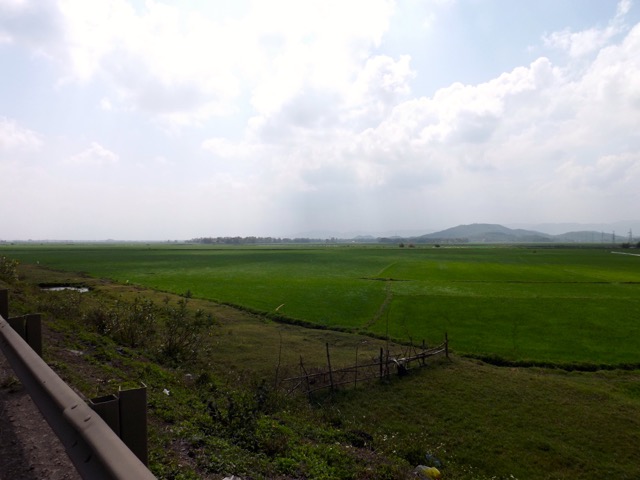
Today’s long ride was fairly uneventful. The AH1 continued to be the same with many road works, trucks and dust. Today the road cut through many flat, deep green rice paddies on the plains.

wpid-DSCF7081-2015-02-8-18-42.jpg

Quy Nhon is an industrial city littered with large car dealerships and malls. It was nice to find a decent supermarket to stock up on some needed items.

Day 16 – Quy Nhon to Nha Trang – 218km
This morning I woke to find my back tyre flat, so after finding coffee, I located a mechanic to replace my entire rear tyre. With that fixed, I headed off, but when I stopped to take a photo 5 km along the highway, the bike wouldn’t start again. The starter motor cable had sheered off so I jury rigged it and headed back to the mechanic who fixed it for free.

wpid-DSCF7079-2015-02-8-18-42.jpg

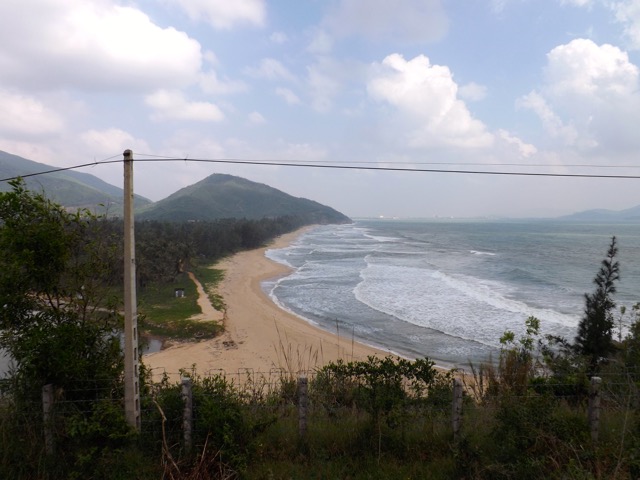
Today the AH1 followed the mountainous coastline and in the sunshine there were many beautiful views.

Unfortunately, when I arrived at the hostel, I discovered that the screen of my new macbook had cracked. With the ongoing issues with my scooter and damage to other pieces of my equipment, this adventure is starting to be an expensive one. While I have enjoyed many parts of it, I’m starting to look forward to it being over.

Day 17 – Rest Day in Nha Trang

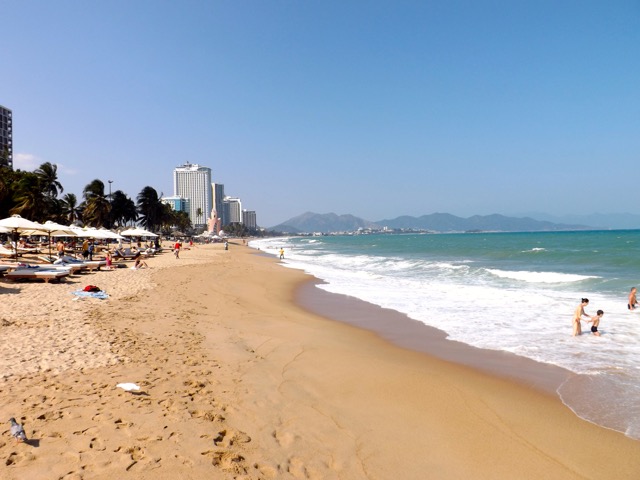
Nah Trang is a resort city on the sea. With direct flights from Moscow, it’s very popular with Russian holiday makers especially during the Russian winter. While it’s warmer here it’s not hot enough for me to consider it beach weather, but the many tourists used to cooler climates seemed to enjoy it immensely.

wpid-DSCF7116-2015-02-8-18-42.jpg

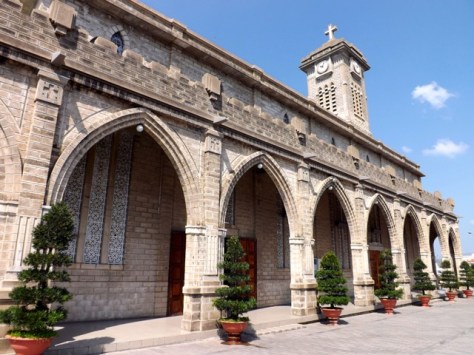
Like most larger Vietnamese cities, the streets of Nha Trang are crazy with motorbikes flowing everywhere. I rode around the city in search of some of its sights and found the Nha Trang Cathedral, a neo-Gothic structure built by the French in 1933.

wpid-dscf7095-2015-02-8-18-42.jpg

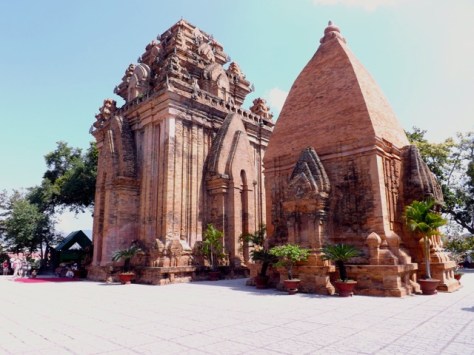
Then on the north side of the city I found the Po Nagar Towers. The temple complex was built over 1,200 years ago by the Cham people, the civilisation that preceded Vietnam. The towers were part of a temple dedicated to the goddess of the country, which encompassing much of what is now Vietnam, Cambodia and southern Laos.

wpid-dscf7108-2015-02-8-18-42.jpg

For the final part of my journey – Hanoi to Ho Chi Minh City by Scooter Part 4 – I head back into the Central Highlands then along southern beaches to Vietnam’s largest city.

Vietnam Central South1

The Lone Trail Wanderer

Hanoi to Ho Chi Minh City by Scooter – Part 2

I’m currently riding the length of Vietnam on a Scooter. Here’s Hanoi to Ho Chi Minh City by Scooter – Part 1 if you missed it.

wpid-img_2370-2015-01-31-21-45.jpg

Day 6 – Hong Linh to Dong Hui – 223km
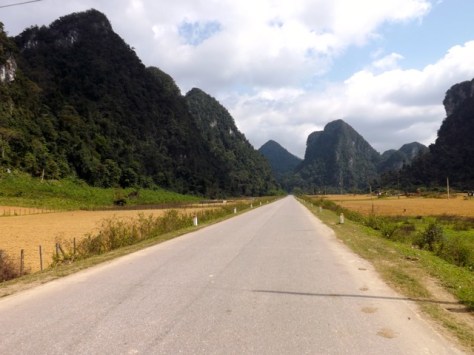
While the more direct route would have been about 50km shorter, today I wanted ride the Ho Chi Minh highway for the first time. This highway follows the Ho Chi Minh Trail used during the American War with amazing mountainous scenery. The weather remained fairly good, although I had to stop to put pack-covers on my bags when a particularly nasty cloud threatened, but nothing came of it.

wpid-dscf6921-2015-01-31-21-45.jpg

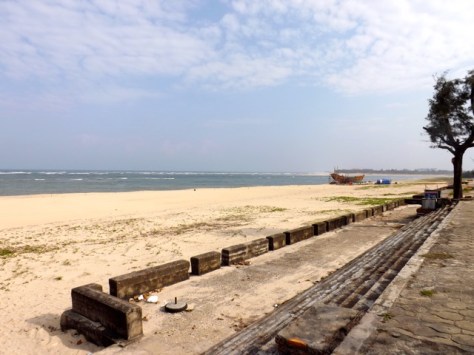
I arrived at Dong Hui and after getting settled into my hostel, took a ride around a city that had been laid waste during the war. Dong Hui is virtually a new city, as there’s little left of how it was. The city isn’t on the tourist route and the beautiful empty beaches were serene.

wpid-dscf6932-2015-01-31-21-45.jpg

Day 7 – Dong Hui to Hue – 176km
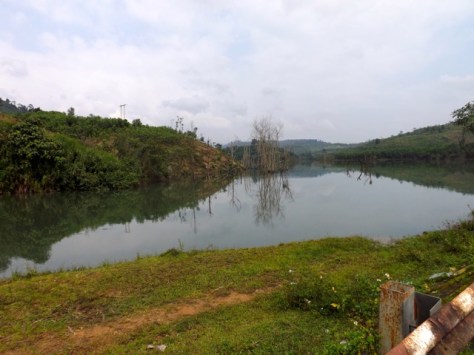
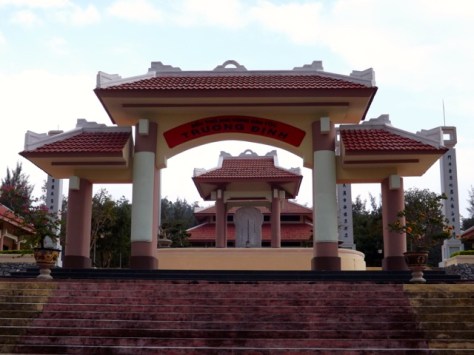
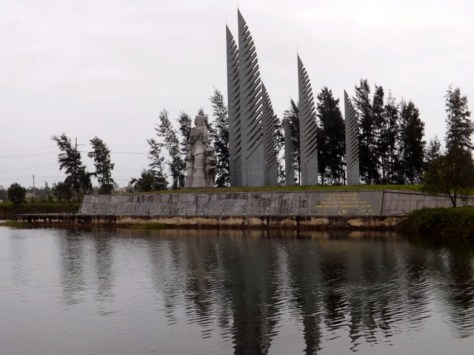
Today started out with blue skies over the ocean but began turning sour after half an hour out from Dong Hui. While it didn’t actually rain, it seriously threatened to. With heavy black clouds further inland, I decided to take a more direct route to Hue. I’m not sure which would have been the lesser of the two evils, getting rained on or riding through the constant road works every 2km. To make it worse, the roads were jammed with trucks spraying up dust and sand from the road works. Before lunch I rode through the Demilitarized Zone, crossing out of what was North Vietnam and into South Vietnam, stopping at the War Memorial Monument.

wpid-dscf6947-2015-01-31-21-45.jpg

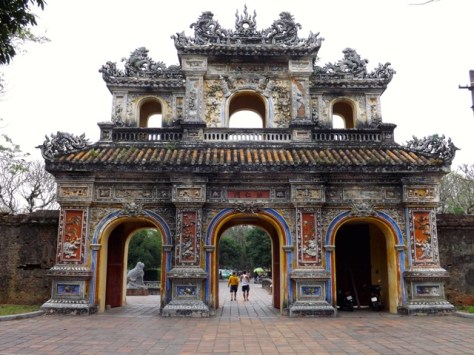
Then as I arrived on the outskirts of Hue, I crossed another milestone, my 1000th kilometre on the road since leaving Hanoi. Later in the afternoon, I walked around the ruins of the Imperial City and at its centre, the forbidden Purple City. it was home to the ruling dynasty between 1800 and 1950, when Hue was the Vietnam’s capital.

wpid-dscf6980-2015-01-31-21-45.jpg

Day 8 – Hue Rest Day
There are many stories of motorcycles that break down regularly on this trip through Vietnam. While often cheap to repair because most Vietnamese boys over the age of 12 can fix them, it’s inconvenient. To date I’ve suffered only a flat tyre and in hopes of staving off any other issues, I got the scooter serviced. While the bike was away, I took the day off and just hung around the hostel.

Day 9 – Hue to Hoi An – 130km
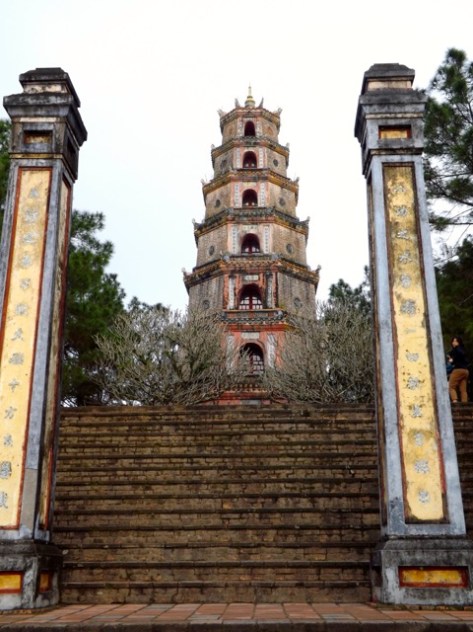
Since the ride to Hoi An was to shorter than average, I decided to see more of the sights around Hue before heading on. I found the Thien Mu Temple and Pagoda a little away from the Imperial Palace and stopped for a look.

wpid-dscf6985-2015-01-31-21-45.jpg

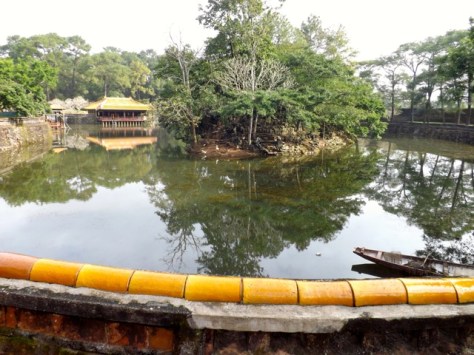
Around Hue, there several tombs belonging to the emperors who ruled from Hue. I took some time to visit the closest one to town – Tu Duc Tomb – and was surprised at how large the area was. The location was called the Second Imperial City as the emperor used it as his ‘man cave’ to get away from affairs of home and state.

wpid-dscf6990-2015-01-31-21-45.jpg

After my visit I headed to Hoi An, but on the way disaster struck. An hour out of Hue I got a flat tyre, then only a minute away from where the puncture was repaired, the engine cut out and wouldn’t start again. The ‘mechanic’ who fixed my tyre and who didn’t speak any english informed me I needed a new carburetor. Ninety minutes and a million Dong (US$47) later I was back on the road. So much for servicing it to prevent it breaking down. I continued on, crossing the Hai Van Pass and eventually arrived in Hoi An two hours later than expected.

Day 10 – Exploring Hoi An
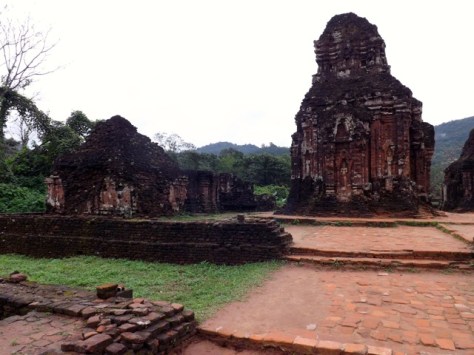
Like Hue, Hoi An is a popular tourist spot. After breakfast, I headed out on the bike to a location called My Son where there are the ruins of an old Hindu temple complex. Of the buildings, some have barely a column standing while others are in the process of being rebuilt.

wpid-dscf7029-2015-01-31-21-45.jpg

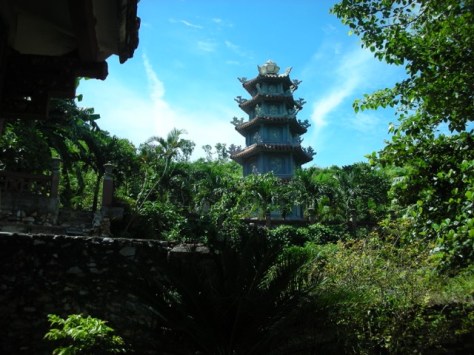
I then rode into Da Nang, a city north of Hoi An, to a place called the Marble Mountains. Atop the monolithic mountains is a large buddhist temple complex with plentiful adjoining caves.

wpid-marble-mountains-vietnam-visa-on-arrival-2015-01-31-21-45.jpg

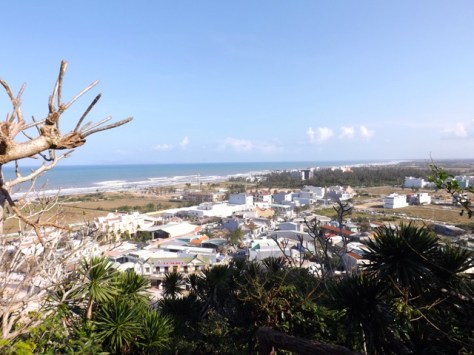
The Marble Mountains give great views along My Khe Beach, as 30 km stretch of nicknamed China Beach by the Americans during the war. It was used as both an evacuation hospital area and site for rest and recreation during the war.

wpid-dscf7059-2015-01-31-21-45.jpg

Day 11 – Hoi An Rest Day
As I had spent a lot of time on my bike around Hoi An yesterday, I decided to take the day off and just relax around Hoi An, so I did.

Vietnam Central1

In Part 3, I head south into the Vietnamese highlands.

The Lone Trail Wanderer
Hanoi to Ho Chi Minh City by Scooter – Part 1

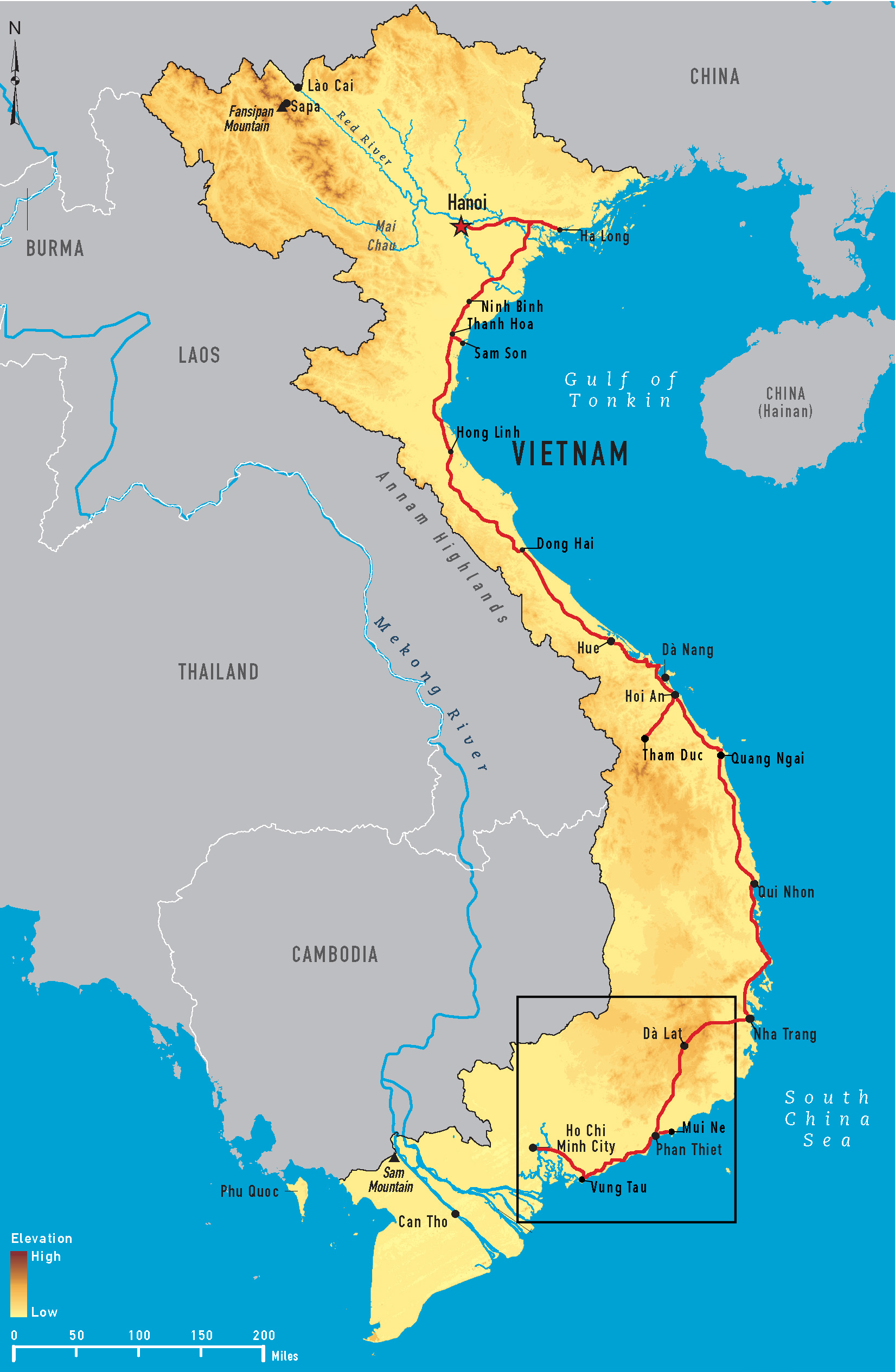
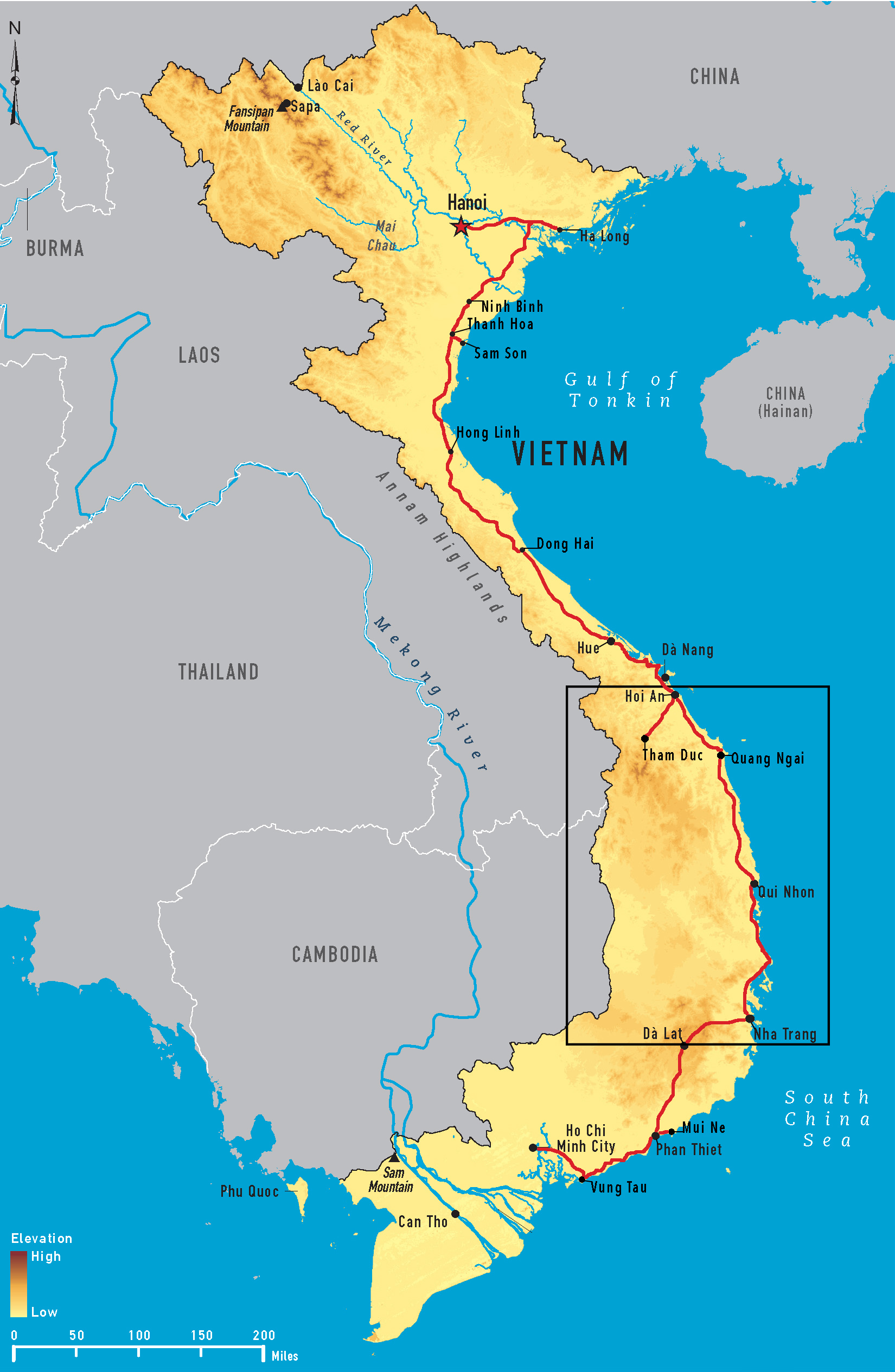
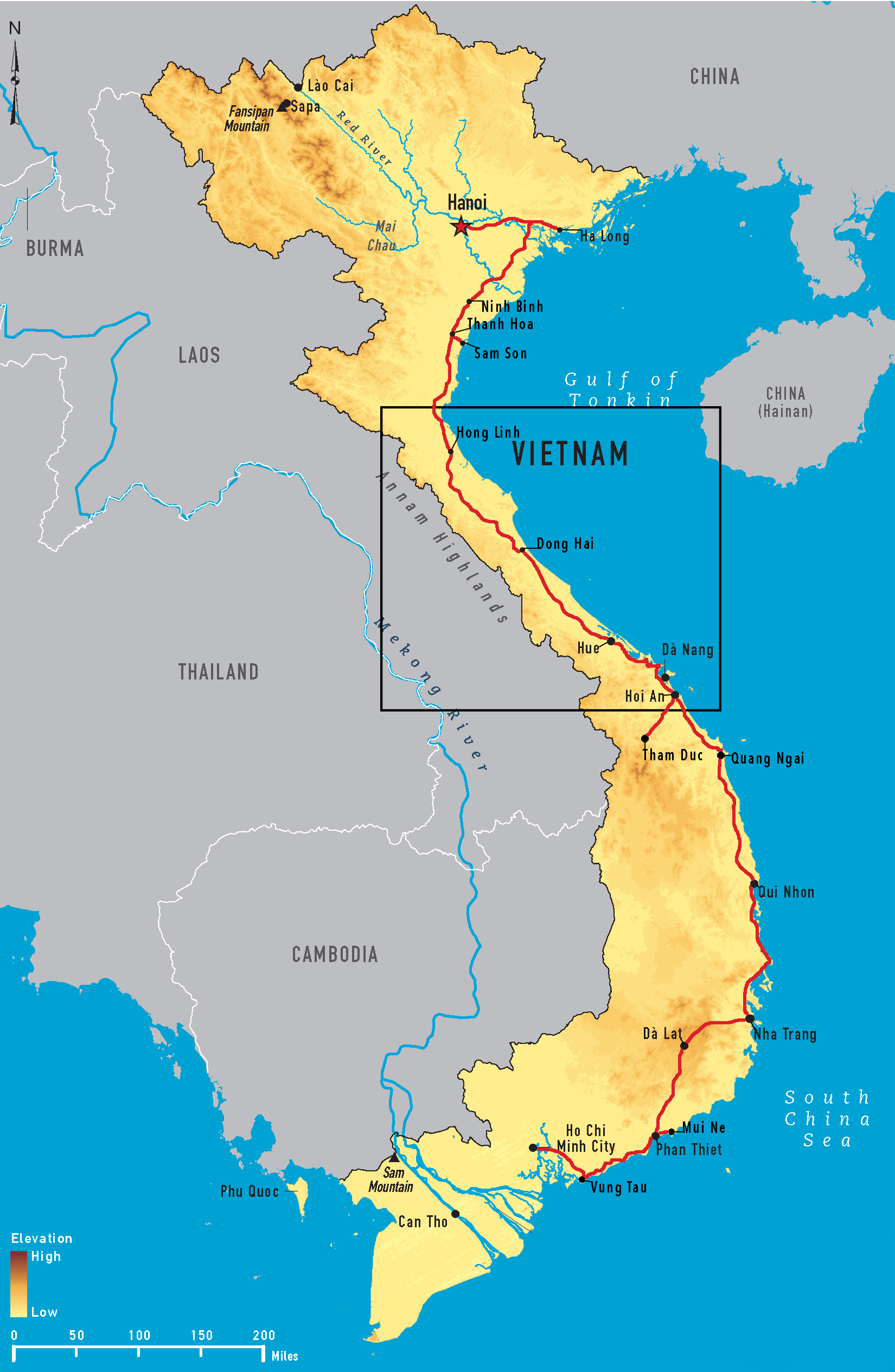
Riding a motorbike the length of Vietnam is becoming a popular way to see the country. After hearing about a fellow traveller’s motorcycle adventure from Hanoi to Ho Chi Minh City I decided to do it. So I bought a scooter in Hanoi and prepared for an adventure that would take the better part of three weeks.

wpid-img_2370-2015-01-25-20-19.jpg

Here’s a brief breakdown of my trip…

Day 1 – Hanoi to Ha Long Bay – 167km
Ha Long Bay is a tourist destination not traditionally part of the Hanoi to Ho Chi Minh City route, but I added it anyway. It would give me a chance to test my scooter over long distance.

The main highway is well maintained and once I was out of the super bustle of Hanoi it was even relaxing. With my speed averaging between 50 and 60 kilometre per hour, a good speed without pushing the scooter, the trip took about 5 hours. With a terribly sore arse and only 5km short of my hotel I discovered I had a flat tyre. A friendly local offered to fix it for me for US$5.

Later, after checking into my hotel I went for a ride to have a look around the city and book a cruise.

wpid-dscf6797-2015-01-25-20-19.jpg

Day 2 – Ha Long Bay Boat Cruise
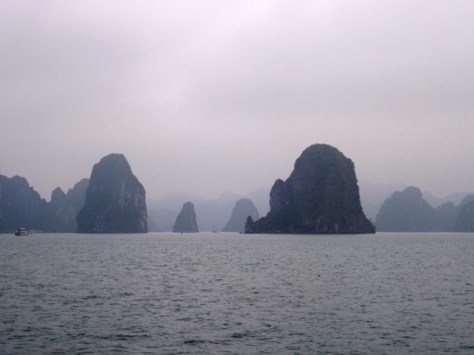
It was a misty, overcast day for my cruise. But being the middle of winter all is forgiven. Ha Long Bay means literally ‘descending dragon bay’ and has around 1600 limestone monoliths scattered around it. While it was chilly out on the water and the skies grey, the views were still amazing. Mist hung around the monoliths giving the bay both an eerie and magical appearance.

wpid-dscf6835-2015-01-25-20-19.jpg

The tour took us to some interesting places and we got to walk through the depths of Thien Cung Grotto, a large touristy cave system where many sections were lit up in colours.

wpid-dscf6821-2015-01-25-20-19.jpg

We also visited a floating village, a fish market and a pair of small monoliths called Fighting Cock Rocks, which from certain angles look vaguely like a pair of chickens fighting.

Day 3 – Ha Long Bay to Ninh Binh – 175km
On several occasions during today’s ride it threatened to rain, but other than vaguely spitting, nothing came of it. Today, when my arse began to get sore, I stopped and got off the bike for a bit. Five minute every hour seemed to work well.

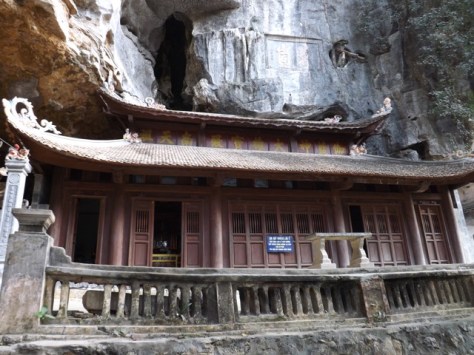
I arrived in Ninh Binh on time and after settling in the hotel, I headed out to explore. I found a place called Bich Dong Pagoda, which is a buddhist temple set into the side of a limestone mountain.

wpid-dscf6872-2015-01-25-20-19.jpg

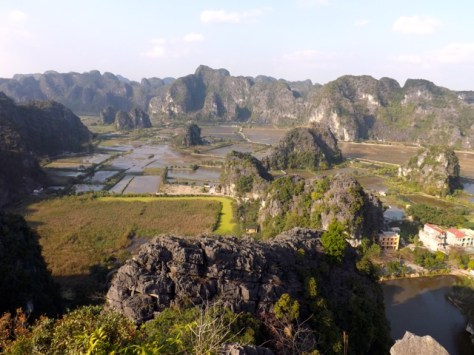
I followed a path into the cave, up a long set of stairs to a higher cave and a shrine, outside and up another set of stairs to another building which offered great views. A thin trail lead up around behind this building and ever curious, I had a look. Thirty minutes later, I’d climbed the jagged rocks of the mountain and stood at the top looking out over monoliths surrounded by wet rice paddies.

wpid-dscf6881-2015-01-25-20-19.jpg

Day 4 – Ninh Binh to Thanh Hoa/Sam Son Beach – 64km

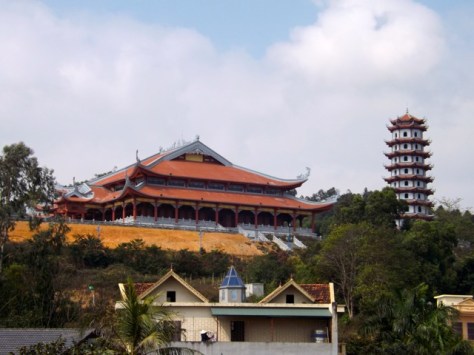
The weather has been overcast for much of my time in Vietnam, clearing up a little in the afternoons. Today, however, I awoke to blue skies. This decided my next stop. The beach. The ride was barely longer than an hour and as I arrived in Thanh Hoa, I discovered the huge Thien view Truc Lam Ham Rong temple and pagoda on a hill.

wpid-dscf6892-2015-01-25-20-19.jpg

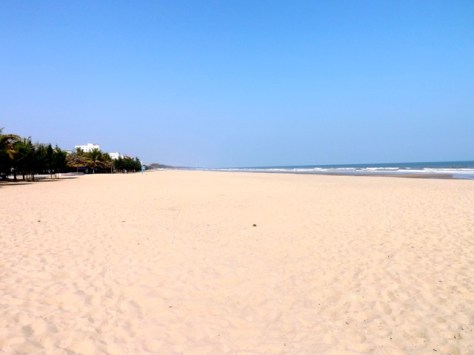
Then when I was settled into the hotel, where beyond the word ‘hello’ no-one could speak English, I was back on the bike and rode the 13km out to Sam Son beach. While the skies were bare of clouds, the beach was virtually empty. Winter. I rode around the Sam Son area for some time, discovering a large portion of the beach front is a construction zone. Dozens of brick buildings are in the process of being demolished, likely to build more resorts.

wpid-dscf6895-2015-01-25-20-19.jpg

Day 5 – Thanh Hoa to Hong Linh – 174km

Today’s five hour ride was fairly straightforward. In the small town of Hong Linh, I arrived at my hotel to find the years had not been kind to it. Seven years ago, a flood struck the town, possibly flooding the lower levels and killing the hotel’s business. After settling in, I took a ride around town and stopped to admire the local catholic church.

wpid-dscf6907-2015-01-25-20-19.jpg

Compared to the rest of Asia, Vietnam has a lot of churches. You can see their spires as you approach each city and town. In comparison, there are very few buddhist temples, although most houses still have shrines.

Vietnam North1

In Hanoi to Ho Chi Minh City by Scooter – Part 2, I travel into Central Vietnam and explore the areas struck hardest by the American War.

The Lone Trail Wanderer
Hanoi, Vietnam – Impressions

First established as a city in 1010, only half a century after Vietnam’s independence from a millennium of Imperial Chinese rule.
wpid-dscf6703-2015-01-24-18-27.jpg

Sleeper Bus
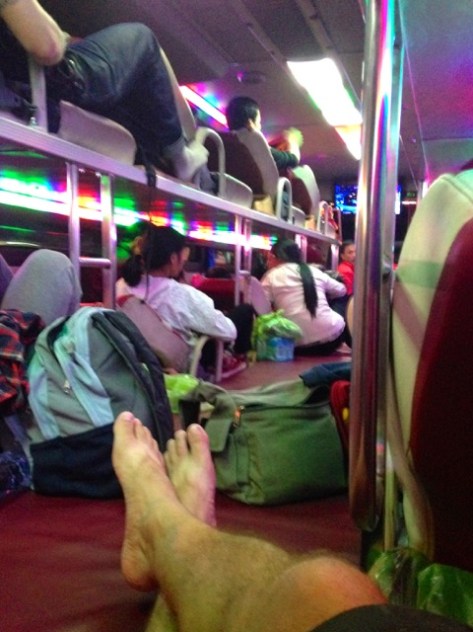
There are two ways to get from Luang Prabang, Laos, to Hanoi. I chose to take a sleeper bus instead of flying, as it was far cheaper in comparison, although the bus takes just over 24 hours. I’ve been on overnight buses before, although they’re more comfortable in South America.
wpid-img_2358-2015-01-24-18-27.jpg

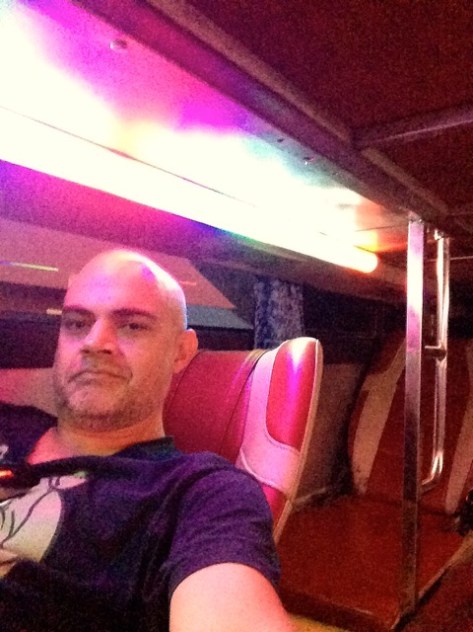
The seats of our bus are set in a ‘sleeper’ position and that’s how the stay, the roof isn’t high enough for them to sit up straight. With the seats only providing a total of 1.5 metres of room my legs had to be extended into the padded aisle. I was luckier than those on the upper level.

wpid-img_2360-2015-01-24-18-27.jpg

About eight hours into the journey the tooting began. The chain-smoking drivers used the horn perhaps 30 times a minute for the entire rest of the journey. This meant the young children onboard could not sleep, and tired young children tend to cry. A lot. In the end it was a rather noisy ride, but they do call this the ‘bus from hell’, so I wasn’t expecting anything less. Even so, when we arrived in Hanoi after 26 hours I had a cracking headache.

Old Quarter
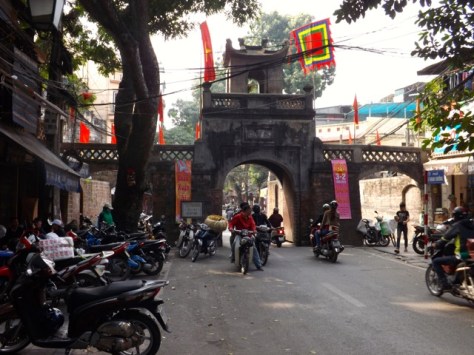
Arriving late in the evening my initial impressions of Hanoi were not pleasant. The thin dirty streets clogged with motorbikes going every which way, seemingly without order, and all tooting their horns with obscene regularity. The headache didn’t help either.

wpid-dscf6708-2015-01-24-18-27.jpg

Initial daylight impressions weren’t much better, the thin dirty streets were still crazy with tooting motorcycles, but markets had been erected and people were crowded everywhere. To add to that, the city was draped in a heavy layer of smog. But first impressions are just that, first impressions, and they often change if you get to know a place.

Buying a Bike
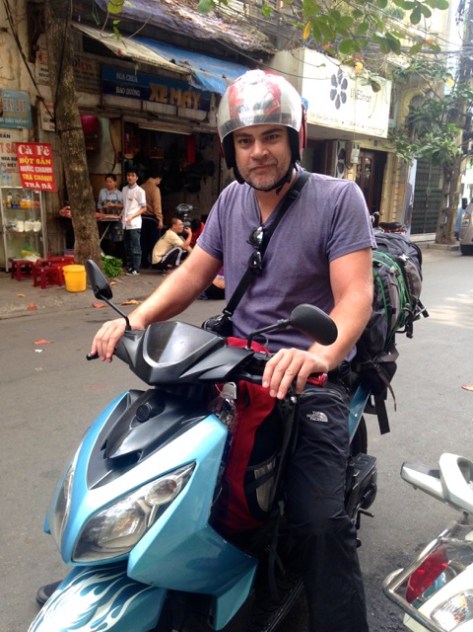
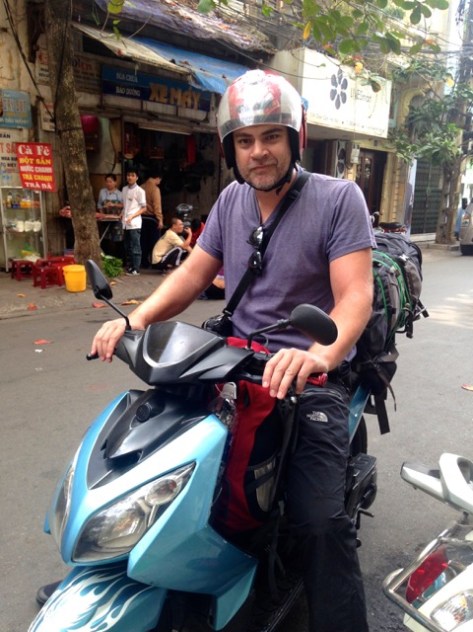
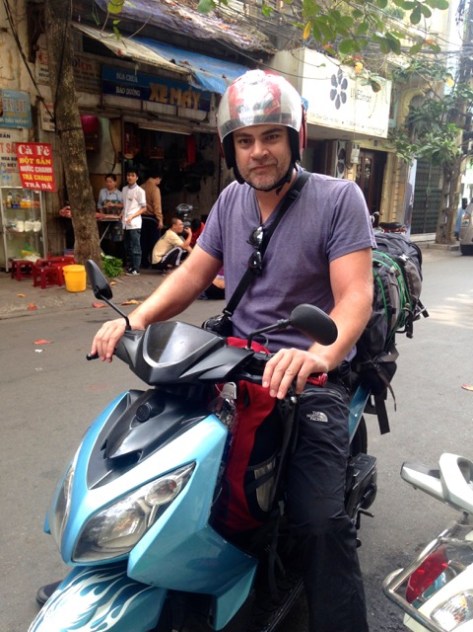
Instead of catching tourist buses/trains through Vietnam, I decided to buy a motorbike and ride the 1,750km south to Ho Chi Minh City. This is becoming a more popular way of seeing the country. With the help of my hostel manager, I was picked up and taken across the city to a 2nd hand motorcycle sales yard with many dozens of used bikes available.

wpid-img_2370-2015-01-24-18-27.jpg

An hour later, I’d tried 5 different bikes and had selected a favourite. I tossed down 6 million Dong (US$280) and rode away.

For the next couple of days, I put the scooter to good use as I toured the city.

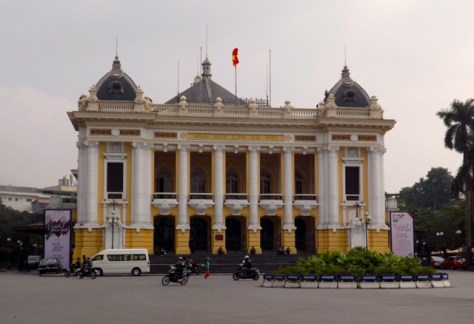
Hanoi Opera House
Modelled after Palais Garnier, the older of Paris’s two opera houses, the building was built in the early 1900s.

wpid-dscf6712-2015-01-24-18-27.jpg

Trán Quóc Pagoda
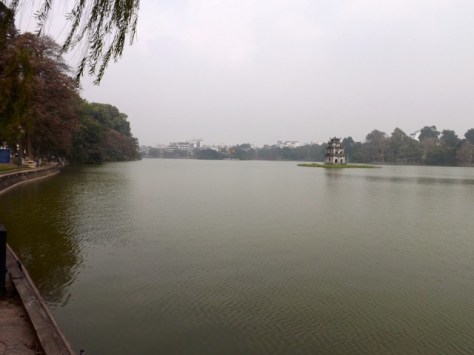
The oldest pagoda in Hanoi at approximately 1,400 years old. It sits on a small islet on West Lake and is connected to the mainland by a causeway.

wpid-dscf6725-2015-01-24-18-27.jpg

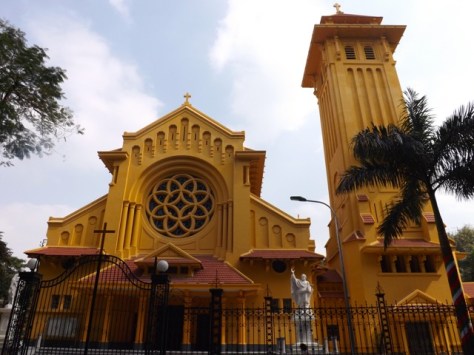
Cua Bac Catholic Church
Built in the 1930s in Art Deco style, Cua Bac is one of three major churches in the city and is famous for having been attended by President George W. Bush during an official visit.

wpid-dscf6726-2015-01-24-18-27.jpg

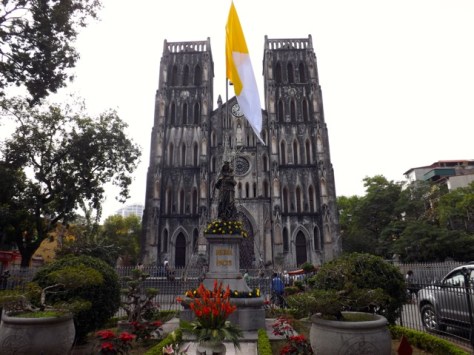
St. Joseph’s Cathedral
The oldest church in Hanoi, it was one of the first buildings built by the french colonial government.

wpid-dscf6792-2015-01-24-18-27.jpg

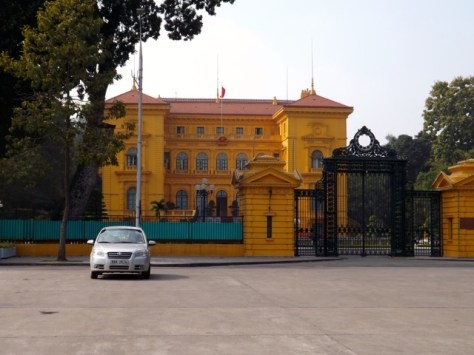
Presidential Palace
Built to house the French Governor-General, it was built in a french design with Italian Renaissance elements. The palace is guarded outside the gates and I was lucky to get a distant photo as attempts to get closer caused the guards to angrily blow whistles at me.

wpid-dscf6737-2015-01-24-18-27.jpg

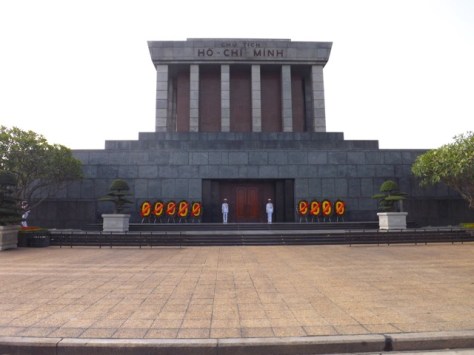
Ho Chi Minh Mausoleum
Inspired by Lenin’s Mausoleum in Moscow, the Mausoleum is the home of the embalmed body of Ho Chi Minh, Chairman of the Communist Party between 1951 and 1969. Armed guards protect the site and public viewings occur most mornings, although very strict rules must be abided by during the visit.

wpid-dscf6741-2015-01-24-18-27.jpg

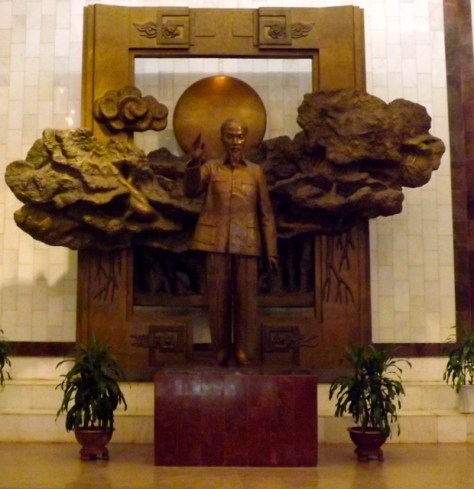
Ho Chi Minh Museum
Near the Mausoleum, the museum steps visitors thoroughly through Ho Chi Minh’s life and Vietnam’s revolutionary struggles. Unfortunately, most of the exhibits are in Vietnamese and French.

wpid-dscf6750-2015-01-24-18-27.jpg

One Pillar Pagoda
Standing between Ho Chi Minh Mausoleum and Ho Chi Minh Museum, the pagoda is one of the most iconic temples in Vietnam. It was ordered to be built nearly 1,000 years ago after a childless emperor had dreamed of the buddha sitting on a lotus leaf and handing him a son. Unfortunately the area around the pagoda is being redone, so closer viewing was not possible.

wpid-dscf6749-2015-01-24-18-27.jpg

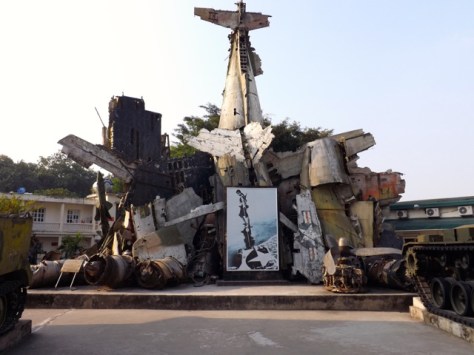
Historical Military Museum
No visit to Hanoi would be complete without a visit to the war museum. The exhibits step through the conflicts during the past century, including the Indochina war, with France, and then on into the American War (the war we know as the Vietnam War). Many old relics are staged around the museum, from tanks to bombers.

wpid-dscf6769-2015-01-24-18-27.jpg

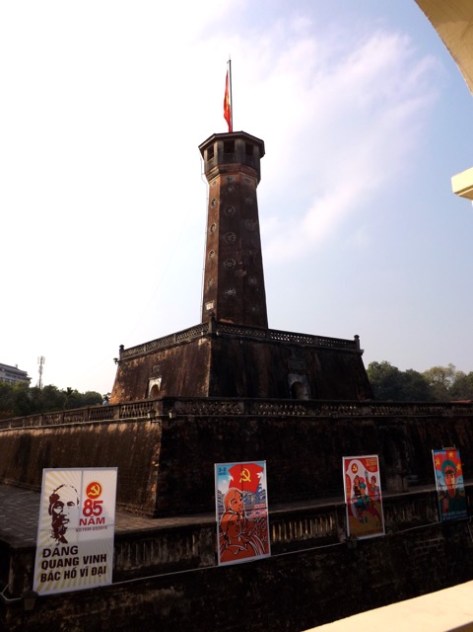
Hanoi Citadel and Flag Tower
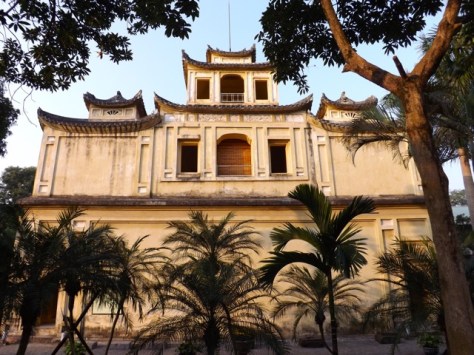
The Imperial Citadel was the former home of Vietnamese royalty between the years 1010AD and 1810AD. Most of the buildings were destroyed during the French colonisation. Some of the buildings that remained intact were the Flag Tower…

wpid-dscf6760-2015-01-24-18-27.jpg

…and the citadel’s Ladies Quarters.

wpid-dscf6789-2015-01-24-18-27.jpg

The hustle and bustle of Hanoi did grow on me over 4 days, although the constant beeping is enough to drive anyone insane in a week.

Next I begin a three-week quest to ride the length of Vietnam, from Hanoi to Ho Chi Minh City on a scooter.

The Lone Trail Wanderer