Tag Archives: Hike

Volcán Barú, Panama

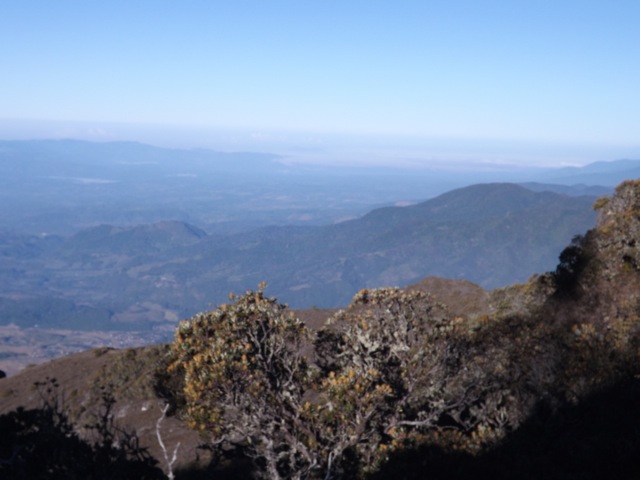
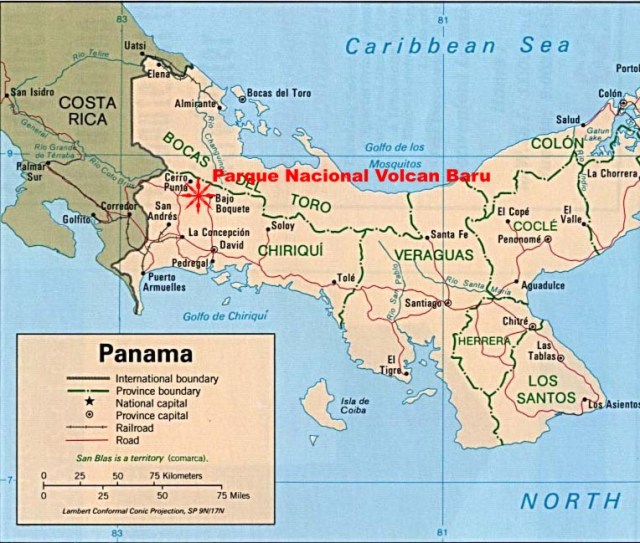
Barely 37km from the border of Costa Rica is Panama’s tallest mountain, Volcán Barú. At just under 3,500m, it’s still considered high altitude but is really just a molehill compared to 6,000m tall mountains of Andes. Volcán Barú is commonly climbed for the rare possibility of seeing both the Pacific Ocean to the south and the Caribbean sea to the north. It’s rare because the view to the Caribbean is often blocked by a layer of clouds.
wpid-101405669-idpllmbm-panama-2014-01-17-22-32.jpg

There’s two ways to the top of Volcán Barú, either taking a 4×4 vehicle tour or to hike. The hike is difficult and long at 13km from the trailhead to the peak (with a 1,750 climb in altitude) before 13km back again. What makes it a challenge is most people begin climbing at midnight, aiming to see the sunrise from the summit after walking 6 hours in the dark. Hiking 26km makes for a long day at the best of times, but beginning at midnight makes it just nasty. I even tried to nap in the afternoon, but only managed an hour, which was nowhere near enough.

wpid-dscf3124-2014-01-17-22-32.jpg

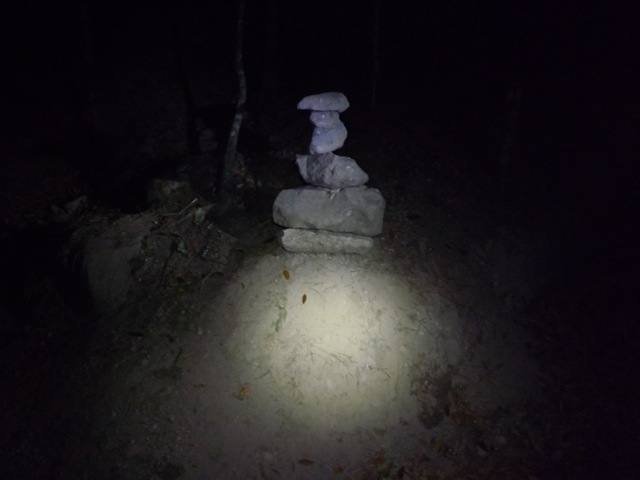
Getting to the trail head is fairly easy, with one of the hostels offering transport for US$5. Then after a very short briefing, we were pointed off along a wide track and told to just keep climbing no matter what forks in the trail we see. Except for 3 short descents, the 13km was a steady climb along the wide rocky trail. When you’re hiking at night all you have is your head torch and the ground directly ahead of you to look at.
wpid-dscf3128-2014-01-17-22-32.jpg

We were lucky to be walking under the full moon, so it wasn’t always necessary to use the head lamps. But even in daylight there would be little to see, as there are trees along both sides of the trail. We did come to several locations where we looked down upon the township of Boquete. The lights were beautiful but fleeting and too distant for good photos.

Getting to the summit for sunrise was not my aim, so I took is more slowly. When sunrise did hit, I was still half a kilometre from the summit but was able to watch it, seeing the same view as I would have from the top.

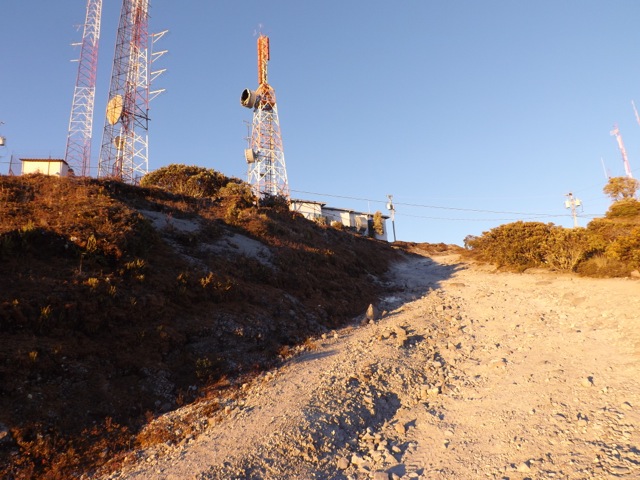
Unfortunately it was around this point where altitude sickness struck. It felt like someone had split my head in half and prodded at the insides with their fingers. As I climbed the last of the trail to the radio tower buildings at the top it grew worse and I started to feel ill.
wpid-dscf3132-2014-01-17-22-32.jpg

The last 500 metres was steeper than the rest and when I made it to the top I found the howling wind rough. I found a secluded spot and put on some warm clothing. When dressed, I looked around the buildings and took photos of the surrounds.

To the south was the city of David and the islands in the Gulf of Chiriqui beyond.

wpid-dscf3137-2014-01-17-22-32.jpg

To the west, Costa Rica.

wpid-dscf3138-2014-01-17-22-32.jpg

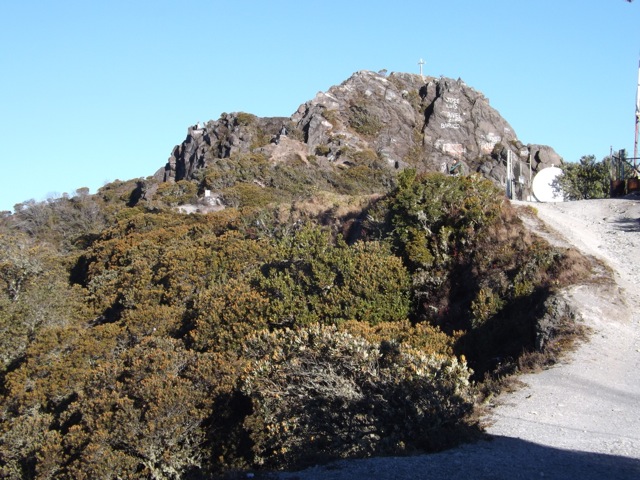
On the other side, I discovered the buildings were not at the absolute summit, as there was a rocky outcrop that climbed perhaps 30m higher. To get to the top was a rocky scramble, but with the state of my head and stomach I decided against it. The cross on top is the highest point in the country.
wpid-dscf3140-2014-01-17-22-32.jpg

From the northern side of the summit I was out of luck with seeing the Caribbean sea but instead clouds fading away into the distance.
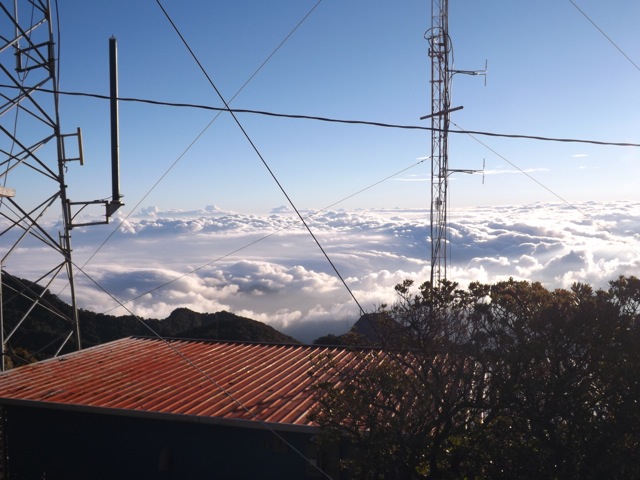
wpid-dscf3136-2014-01-17-22-32.jpg

While I sat huddled out of the wind, one of the girls from my hostel found me and sat with me while I brewed a cup of tea using my hiking stove.

The walk down was very long but straightforward. The trail descends for most of its length except for three points where it climbs. Half way up the first and longest of the three climbs, my tiredness gave out and I lay down on a large rock for a power nap, letting my friend walk on alone. I woke forty minutes later slightly refreshed and no longer feeling the altitude.

The rest of the walk was more of a stagger although I did manage to catch my friend again. We discovered there were many wild flowers growing along the trail but was too exhausted to take photos beyond this one…
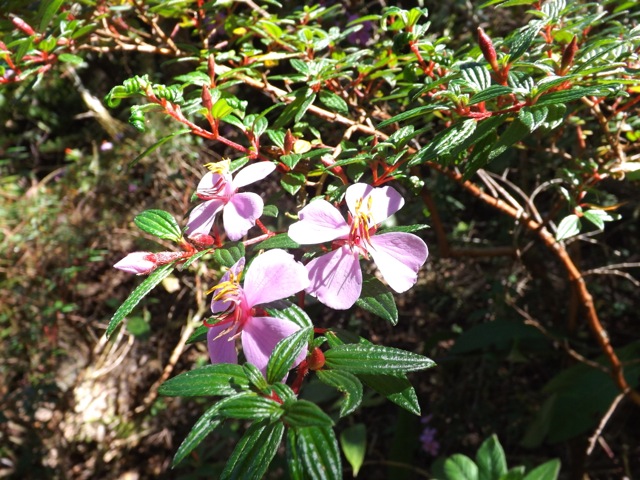
wpid-dscf3141-2014-01-17-22-32.jpg

We passed some of the lookouts and caught daylight glimpse of Boquete…
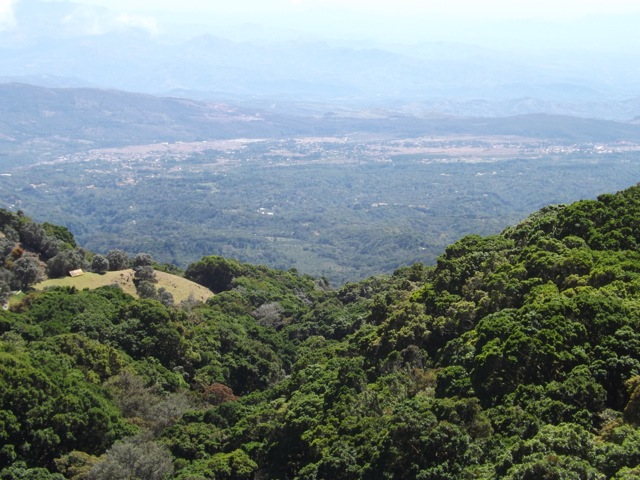
wpid-dscf3143-2014-01-17-22-32.jpg

We eventually made it to the end of the trail and exhausted, booked a taxi through the ranger before being whisked away back to the hostel for a shower and a well deserved sleep.

Overall, the hike up Volcán Barú was okay. I would have enjoyed it more if I hadn’t suffered altitude sickness at the end and if we’d started at a more reasonable time. While walking at night was fine – it’s cooler out of the sun and there isn’t much to see anyway – the main difficulty is the length. To make the hike more enjoyable, I would make it a two-day hike, camping just below the summit, climbing to see the sunrise early on morning two before the long walk back again.

The Lone Trail Wanderer.
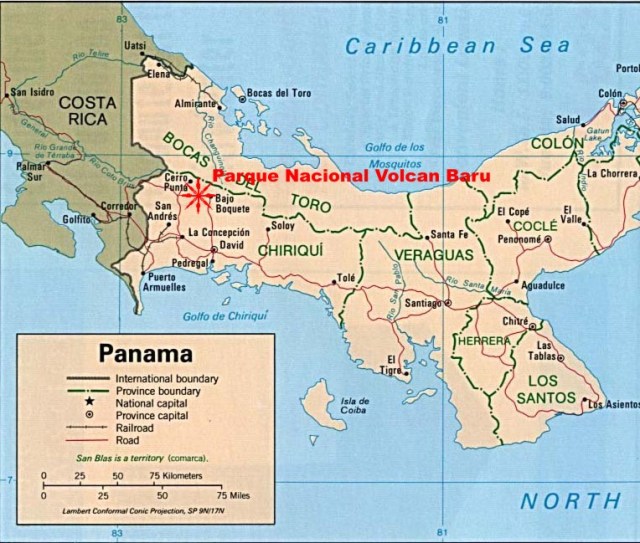
Boquete, Panama – Impressions.

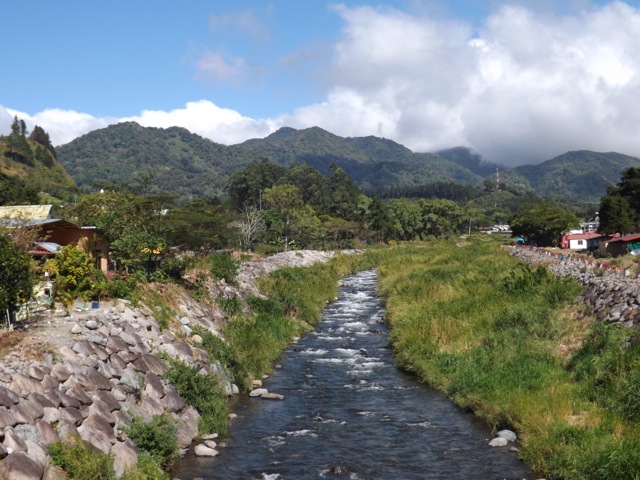
Nestled in the mountain plains 60km from the border of Costa Rica is the mountain town of Boquete (‘Boc-ket-e’). At 1,200 metres above sea level, the township is cooler than the rest of Panama and this makes it a popular holiday destination for both locals and travellers alike. It’s also one of the leading retirement locations for US citizens outside of the United States.

wpid-101405669-idpllmbm-panama-2014-01-18-16-43.jpg

Boquete is next to Parque Nacional Volcán Barú and is the primary starting point for those who wish to climb the volcano, the tallest mountain in Panama. The mountains around Boquete contain many short trails but the only real hike is the volcano climb, although it’s not the best of hikes as there’s little to see along its 26km length.

wpid-dscf3117-2014-01-18-16-43.jpg

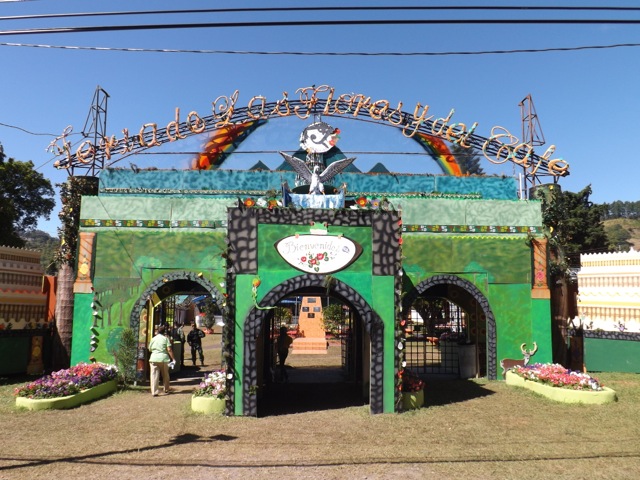
Every year in mid-January Boquete hosts a flower and coffee festival that runs for ten days. It’s a very popular occasion with people coming from all over the country to party late into the night at the dance hall. Feriado Las Flores y del Cafe – literal translation: Holiday Flowers and Coffee.

wpid-dscf3119-2014-01-18-16-43.jpg

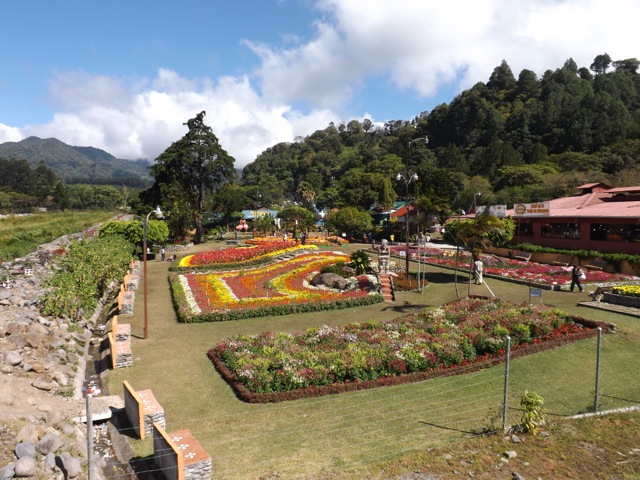
The fiesta is less crowded during the day, which allows better access to see the impressive flower displays.

wpid-dscf3118-2014-01-18-16-43.jpg

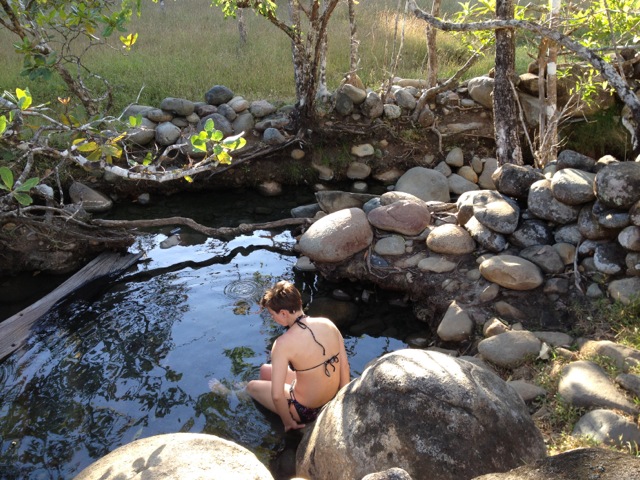
There are plenty of things to do in Boquete besides hiking and the festival, these include horse riding, visiting coffee plantations and farms, and the Aguas Calientes – hot springs.

For $2 you can spend all day on the property where several pools have been crudely set up. The crudeness gives it character, and if you get too hot there’s a river nearby to cool off in.

wpid-img_1631-2014-01-18-16-43.jpg

Overall, Boquete has a vibrant energy about it and is a great place to hide away from Panama’s year round heat.

Next, I cross the border into Costa Rica to the capital of San José.

The World Wanderer

Looking Back, Part 3 – Northern South America

Peru

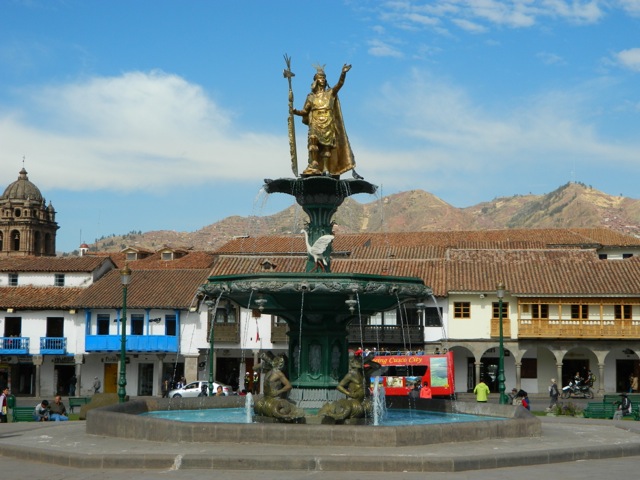
As I left Bolivia I made my way around Lake Titicaca and along the Andes to Cusco, capital city of the Inca Empire more than 600 hundred years ago. Cusco was built in the image of the Puma, a holy symbol of the Incas.

wpid-dscn3270-2013-12-22-17-56.jpg

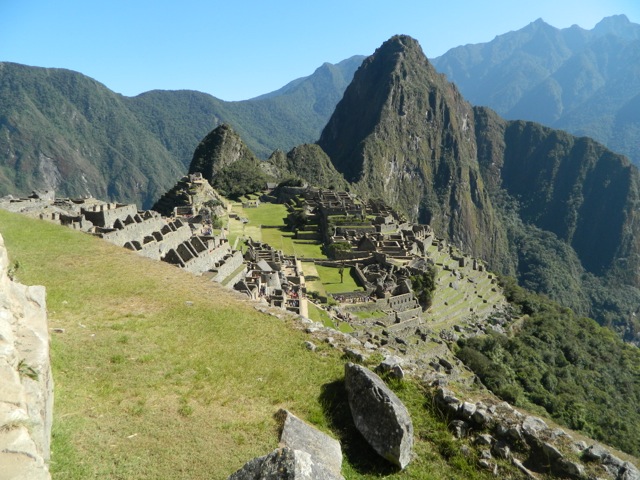
Cusco’s a popular tourist destination because of it’s closeness to Machu Picchu. To get to the ruins many people walk one of the expensive hikes in the region: the infamous Inca Trail, The Salkantay Trek or The Jungle Trek. While these hikes are said to be amazing, the expense and length of time needed to prebook put me off. Instead I caught the train to Aguas Caliente, the township at the base of Machu Picchu mountain, and climbed the near 2000 steps to the ruins. At altitude, these steps are still hard going. The ruins felt like Disneyland because of the huge number of tourists but it was still beautiful to behold…

wpid-dscn3405-2013-12-22-17-56.jpg

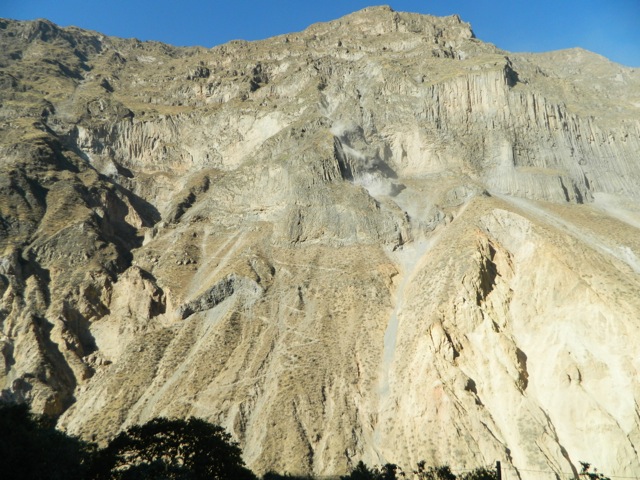
After Cusco, I travelled to the city of Arequipa, the southernmost city of Peru. Near Arequipa is the county’s third most popular destination, Colca Canyon. Colca Canyon is one of the largest canyon’s in the world, twice as deep as The Grand Canyon. The hiking there is very cheap and doesn’t require a guide. I explored the canyon for three days, including the final climb, a kilometre straight up.

wpid-dscn3461-2013-12-22-17-56.jpg

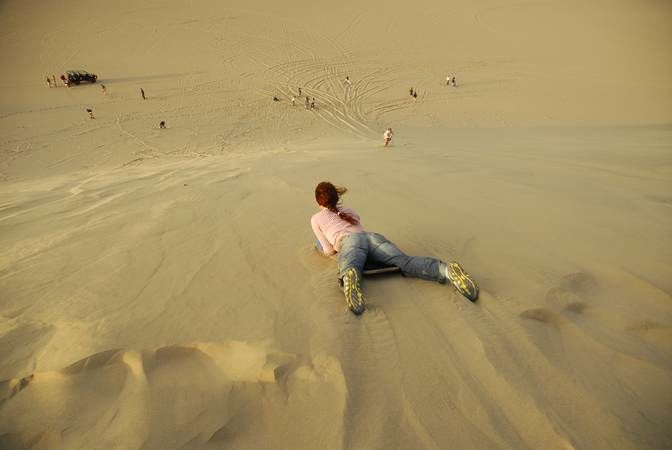
After Arequipa I headed down from the Andes for a time, stopping at Huacachina, a small town near the ocean renown for its massive sand dunes. I spent an afternoon sand boarding down the slopes.

wpid-huacachina21543-2013-12-22-17-56.jpg

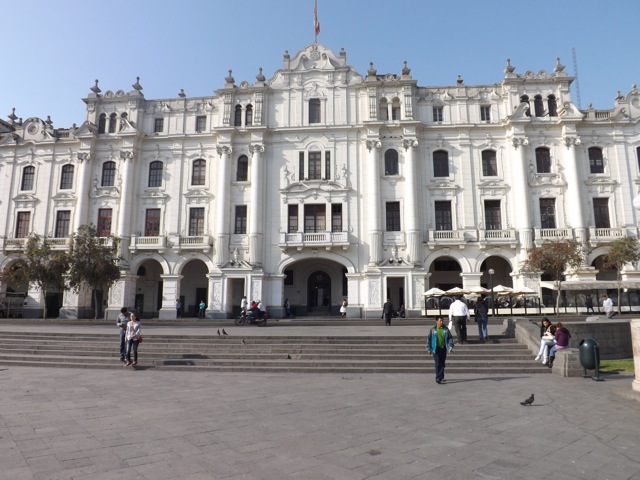
Next was a visit to the capital, Lima. I stayed in the tourist zone of Miraflores which felt like I was in the centre of any other city in the world. I then moved to the historical centre and this was more to my liking with great architecture and a distinct lack of tourists.

wpid-dscf2137-2013-12-22-17-56.jpg

I continued north and back into the Andes to the city of Huaraz nestled between the Cordilleras Blanca and Negra. From Huaraz a group of us hiked the four-day Santa Cruz trek, with one of the hardest climbs I’ve ever completed.

wpid-dscf2065-2013-12-22-17-56.jpg

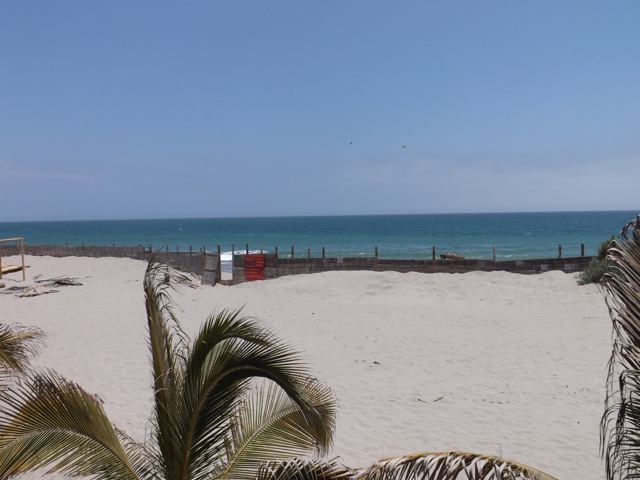
From Huaraz, I made my way to the far northern coast and the country’s second most visited destination, Mancora. Mancora is a beach town where I stayed for four days in a cabaña 20 metres from the Pacific Ocean. After the Santa Cruz hike, it was great to just sit and enjoy the beach for a few days.

wpid-dscf2147-2013-12-22-17-56.jpg

Ecuador

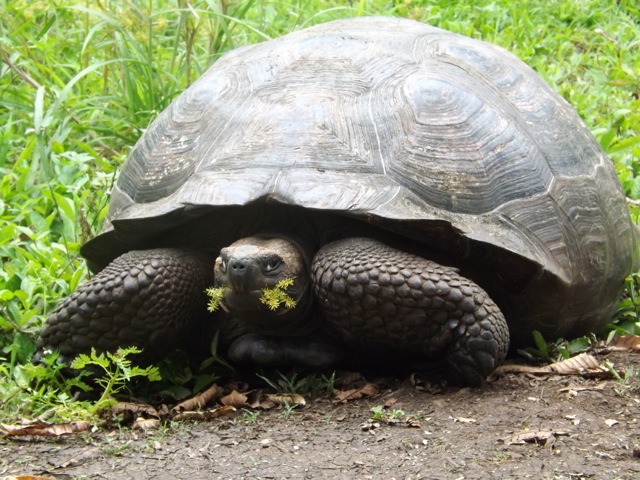
I left Peru and headed across the border to Ecuador’s capital, Quito, where I made plans to visit the Galapagos Islands. Two days later I was on a plane – my first since arriving in South America – and a few hours later landed on the famous archipelago. After booking a four-day cruise around the islands, I made friends with a Uruguayan guy at the hostel and spent the days prior to the cruise exploring Santa Cruz island with him, including a great swimming hole and the Giant Tortoise sanctuary.

wpid-dscf2185-2013-12-22-17-56.jpg

The cruise was amazing, I enjoyed snorkelling through the icy waters and swimming with penguins, fur seals, sea lions and sea turtles. On land there were many bird species including Blue Footed Boobies, the smaller water iguanas and the large land Iguanas.

wpid-dscf2303-2013-12-22-17-56.jpg

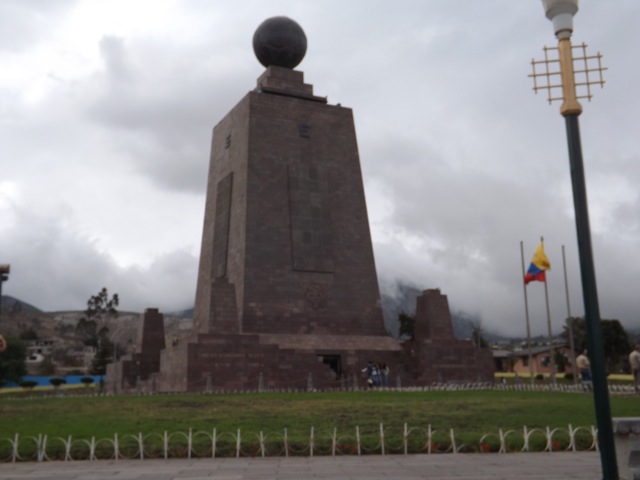
Back in Quito, I met some friends at the hostel and explored the city with them, including some amazing architecture, the original site of the equator and the newer more technologically accurate equatorial site. I had also prearranged with some locals to hang out with and spent a week enjoyed their company.

wpid-dscf2401-2013-12-22-17-56.jpg

With my friends from the hostel, I headed north for a weekend to the adventure town Minca buried in the rainforest, where we hung out with Hummingbirds, zip lined ourselves crazy and generally enjoyed our stay.

wpid-dscf2438-2013-12-22-17-56.jpg

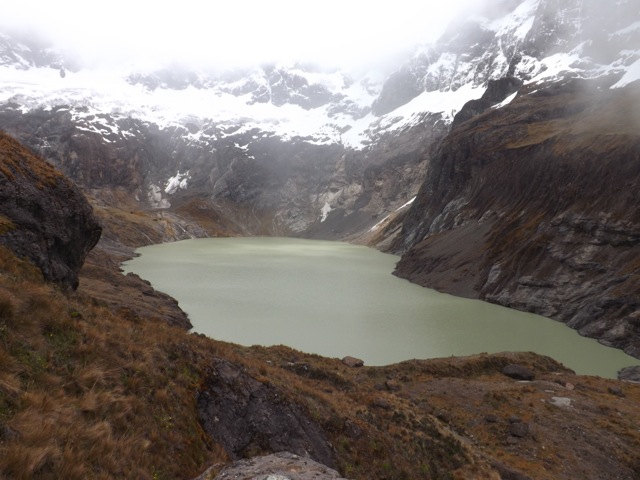
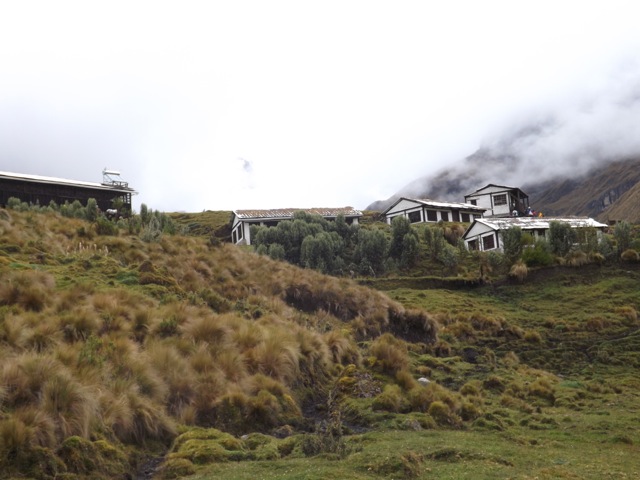
Next, two of us travelled south to the city of Riobamba where we hiked to the amazing crater lake of a collapsed volcano called El Altar. Most hiking in Ecuador must be done with a guide, but the two of us enjoyed the three-day hike without one.

wpid-dscf2555-2013-12-22-17-56.jpg

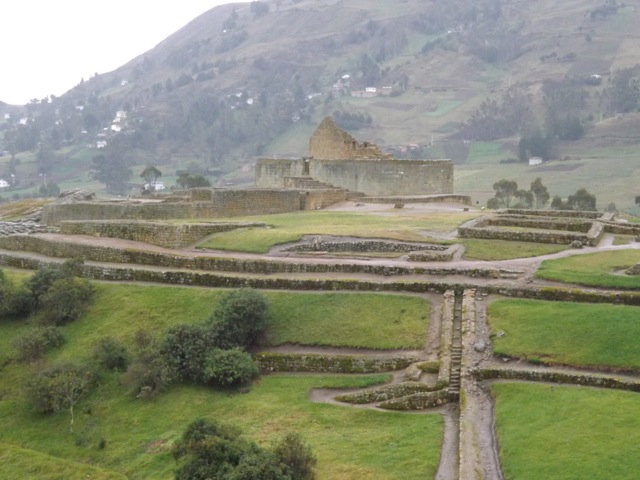
Then we headed south to the southern city of Cuenca where my friend headed into Peru and I explored Ingapirca, the ruins of an Incan Fortress.

wpid-dscf2689-2013-12-22-17-56.jpg

Colombia

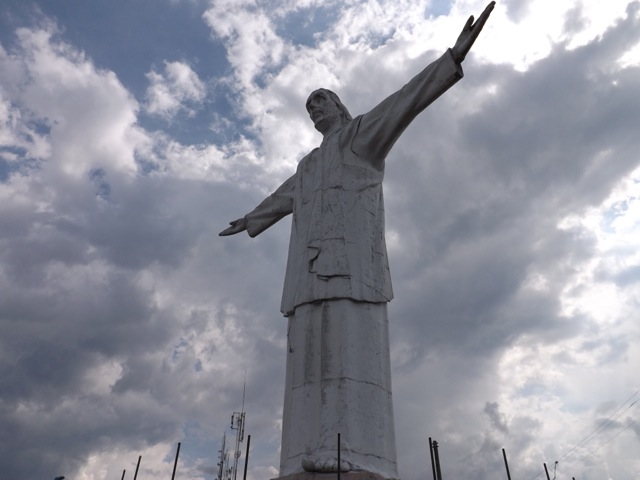
Then it was back to Quito for a last few days before I headed north into Colombia, to the city of Cali where I stayed for three days. I explored the city via a walking tour, learning its history, and climbed one of the hills to the local statue of Christ.

wpid-dscf2748-2013-12-22-17-56.jpg

From Cali I headed north via a very winding mountain road where the bus driver thought he was formula one driver. After the humidity in Cali, Bogota was cold. I’d prearranged to meet some people in Colombia’s capital and they were so friendly I stayed for three weeks to spend more time with them, including attending a huge Pop Culture Festival…S.O.F.A.

wpid-dscf2766-2013-12-22-17-56.jpg

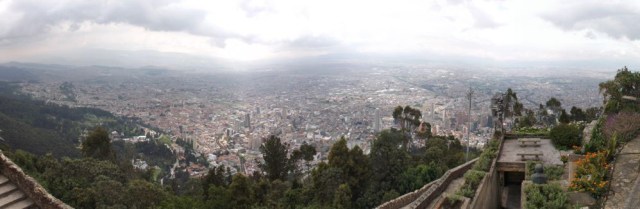
Bogota is not well set up as a tourist destination but during my stay I caught a cable car up to a temple of the hill giving awesome views across the city.

wpid-dscf2780-2013-12-22-17-56.jpg

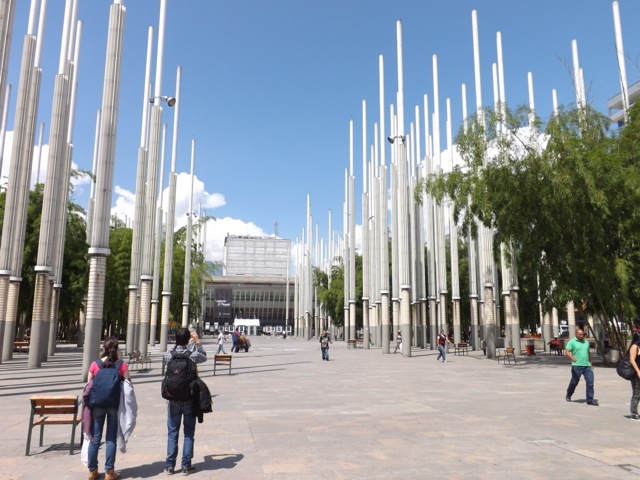
Then with general sadness at having to leave my friends in Bogota, I headed north to Medellin, a more popular city for tourists and home town of the late Pablo Escobar. I hung out at a New Zealand owned hostel and between a couple of nights partying I took a walking tour, both with a group and a separate one with a couple of guys from the hostel.

wpid-dscf2799-2013-12-22-17-56.jpg

Next I headed to Cartagena, a city on the Caribbean Sea where I hung out for a few days in the extreme humidity. Cartagena’s Old Town has a great stone wall around it that once protected it from pirate attacks 500 years ago. The entire old town is a world heritage site.

wpid-dscf2827-2013-12-22-17-56.jpg

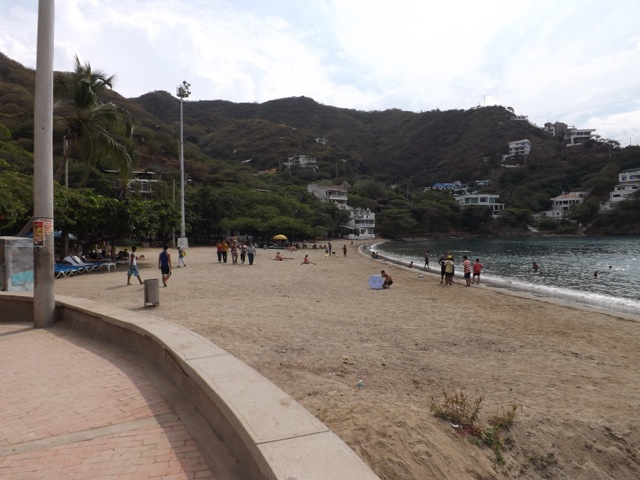
Further along the coast is a small beach town of Taganga where I stayed for a few of days. It was a quiet little town away from the bustle of the larger Colombian cities.

wpid-dscf2844-2013-12-22-17-56.jpg

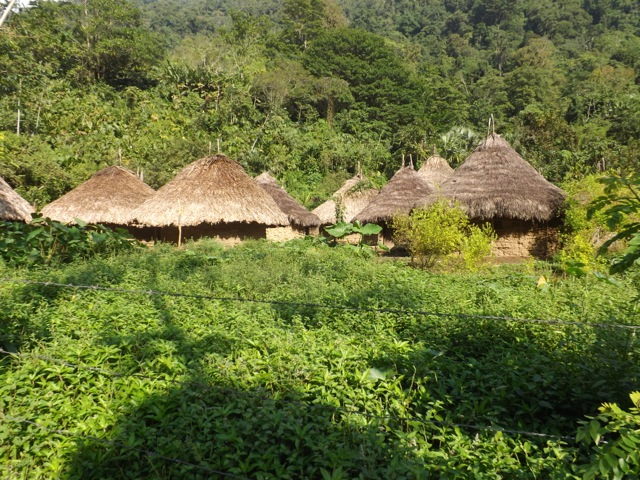
From Taganga I booked and walked the four-day jungle trek to find the Lost City, an amazing ruins of the local tribes that had been abandoned 500 years earlier. The trek was humid and sweaty, and this made the long climbs up clay trails more difficult. Swimming in the icy rivers were highlights of the sweaty days.

wpid-dscf2935-2013-12-22-17-56.jpg

After a couple of recovery days in Taganga, I headed back to Cartagena to say farewell to South America. After 9 and a half months of amazing adventure, it was sad to say farewell to the continent, although my travels were not yet at a conclusion. In Cartagena, I booked a cruise on a yacht with 11 others to make my way through the Caribbean Sea to Panama, and the beginning of my Central American adventures.

This will be an adventure I will never forget.

The World Wanderer

Looking Back, Part 2 – Central South America

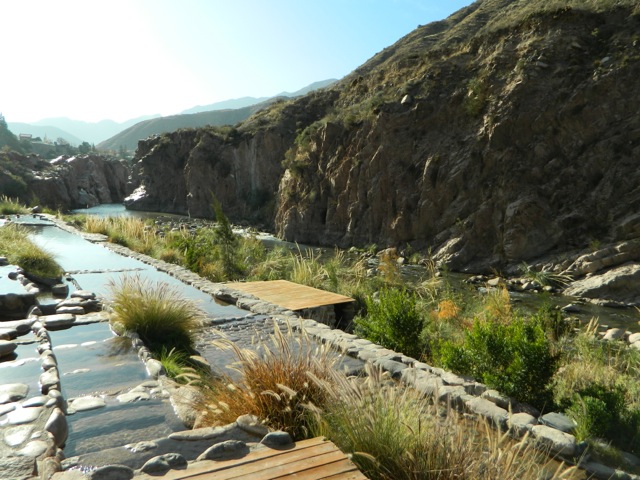
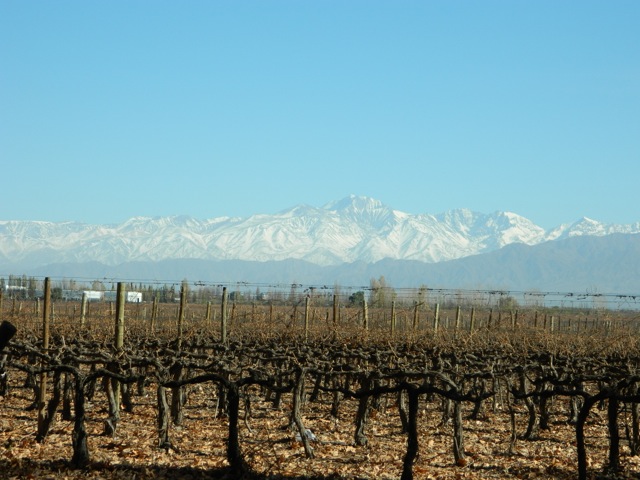
After a 20 hour bus ride from Patagonia, I arrived in Mendoza, Central Argentina. Mendoza is a wine region and boasts some of the best red wines in the world. While I wasn’t the biggest fan of red wine before, after my time in the city I was a Malbec convert. One of the fun things I did while in the City of Steak and Red Wine was to spend the day enjoying some aguas calientes, a set of hot pools near the city. While this might seem strange for a desert city, it was amazing and included a huge buffet lunch.

wpid-dscn2443-2013-12-17-12-23.jpg

Around Mendoza are several wine areas and the best way to see them is via bicycle tours. The wine was delicious and cycling around the area after many glasses of wine was both crazy and fun at the same time.

Beyond the vineyards, the tallest mountain of the Andes, Aconcagua.

wpid-dscn2467-2013-12-17-12-23.jpg

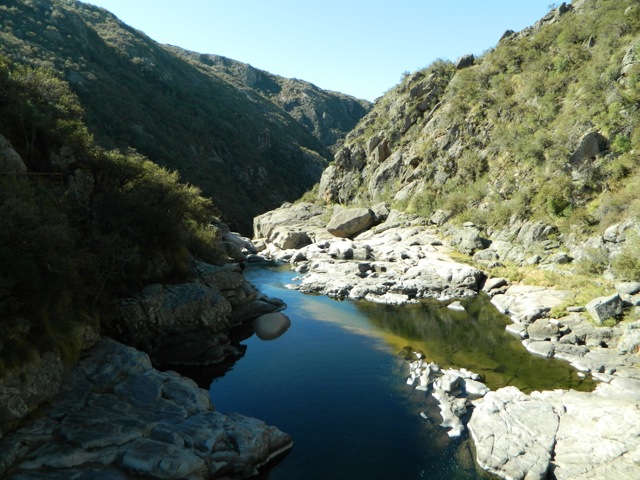
Next I caught a bus across Argentina to Cordoba, the country’s second largest city. While staying in the city I got out-of-town to Parque Nacional Quebrada del Condorito – Condor Gorge National Park – for a long day walk in the heat.

wpid-dscn2517-2013-12-17-12-23.jpg

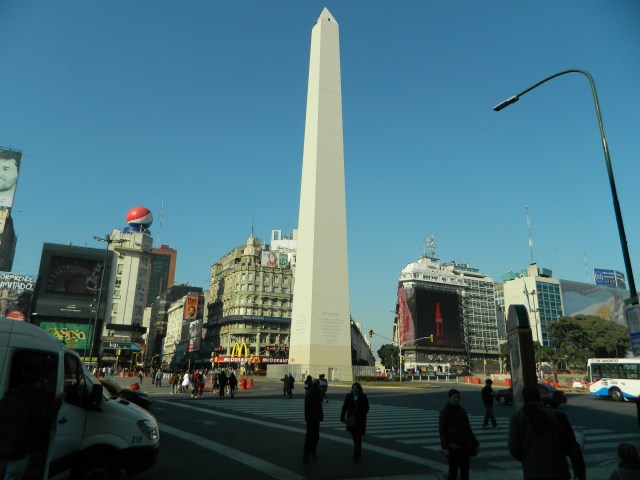
Next I headed to the Buenos Aires and stayed in a different area of the capital from the beginning of my trip. As I knew I was heading back to the city, I made contact with a friend of a friend and organised to hang out with him and his friends while I was in the city. They were very friendly and I stayed in the city over two weeks to spend time with them.

wpid-dscn2559-2013-12-17-12-23.jpg

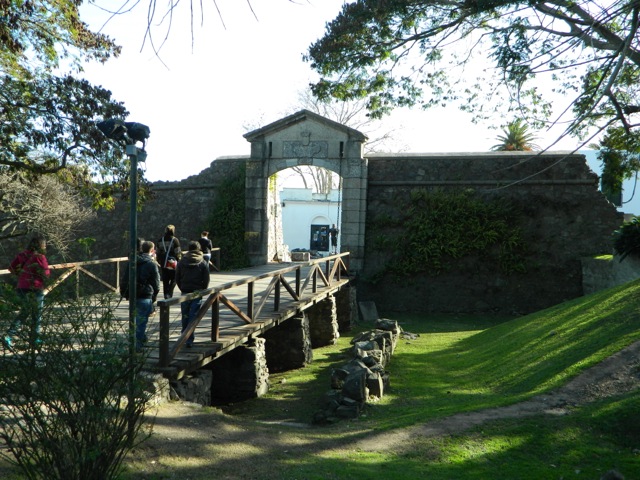
During my stay in Buenos Aires, I caught a ferry across the river to the Uruguayan city of Colonia. While I could have stayed in Uruguay longer I was happy to see the more expensive country for the day and get the stamp in my passport. I enjoyed learning about the city and the country in a guided tour.

wpid-dscn2524-2013-12-17-12-23.jpg

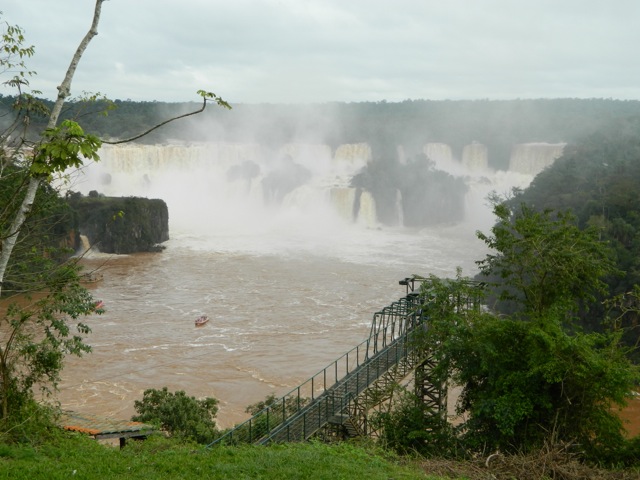
I then bused headed north for my final Argentinian destination, Puerto Iguazú. While the township was very touristy, it had good reason, Iguazú Falls is one of the more popularly visited places in the region. While it had been raining the day I visited the Argentinean side of the falls they were still like nothing I’d seen before. I even took a boat to get right up close to the spraying water.

wpid-dscn2634-2013-12-17-12-23.jpg

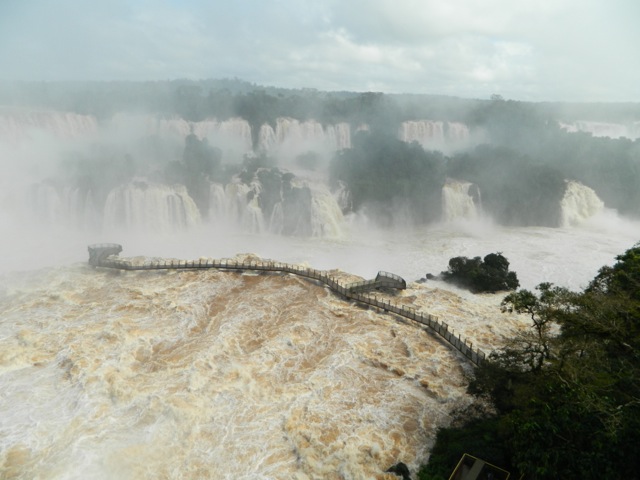
The following day, I took a bus across the border to the Brazilian side – Iguaçu Falls. While it’s the same set of falls, it’s a totally different sight and you get closer to the Devil’s Throat, a formation of rock that water pours into from three sides. Both Argentinian and Brazilian sides are a must see if travelling to this end of the world. It was then back across the border to Argentina for a final night before booking a bus to Rio de Janiero.

wpid-dscn2677-2013-12-17-12-23.jpg

After a 24 hour bus ride to Rio de Janeiro – the longest trip in a bus I would take – I found the city to be dirtier than expected. It also gave me a sense of danger I hadn’t experienced in either Argentina or Chile. I’d booked a cheap hostel near the location of Carnival and it turned out to be the smallest hostel I’ve ever stayed in, squeezing 18 people into the space most hostels would fit 6. It also only had one bathroom.

wpid-dscn2746-2013-12-17-12-23.jpg

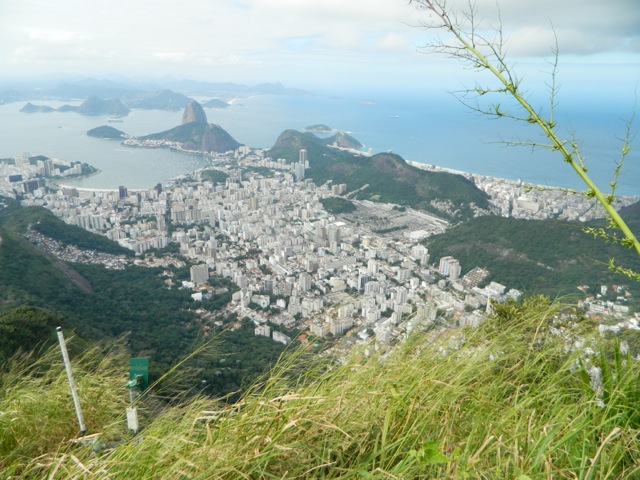
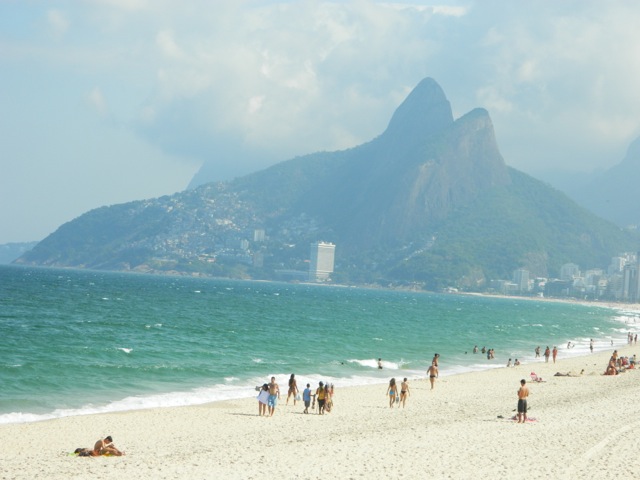
The hostel aside, the natural wonders of Rio were amazing. I visited Christ the Redeemer, Sugarloaf Mountain and took a bicycle ride along both Ipanema and Copacobana beaches.

wpid-dscn2820-2013-12-17-12-23.jpg

I then took my second 24 hour bus ride to a city called Campo Grande in western Brazil for an overnight tour through Brazil’s Pantanal. The Pantanal is a vast swampy area south of the Amazon. It’s similar to the jungle in many ways, just without the trees. We spent the night on the border of Brazil and Paraguay (the closest I would get to the landlocked country). On arrival we ate Piranha, the mean looking faces leering up at us from the pot. The next morning, we took a boat trip along the river to fish for more Piranha…

wpid-dscn2845-2013-12-17-12-23.jpg

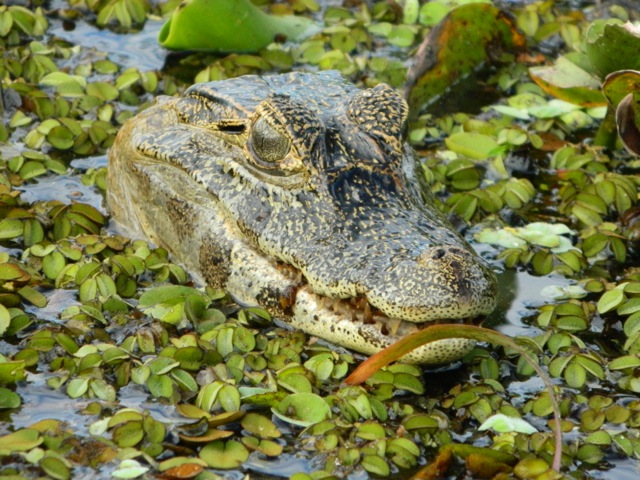
…and to see Caimans, smaller cousins of Alligators.

wpid-dscn2861-2013-12-17-12-23.jpg

Then it was over the border and into Bolivia. As soon as you enter it’s obvious that Bolivia is the poorest country on the continent. The roads are bad, the towns are dirty and the buses are owner operated family affairs and include the kids running up and down the aisles while badly dubbed Steven Segal movies are blasted very loudly. My first stop was the city of Santa Cruz, where I stayed at a brand new hostel for a couple of days before heading on to La Paz.

La Paz is a bustling city high in the Andes and when I arrived my head was exploding from the altitude. It only took a good night’s sleep to recover, thankfully. While the entirety of La Paz is terracotta in colour it grows on you as you explore the city centre and beyond. The lights at night are amazing up the walls of the bowl the city is built in.

wpid-dscn2896-2013-12-17-12-23.jpg

Using La Paz as a base, I had many adventures in Bolivia. For a start, you can’t come to the city without hearing about or doing Death Road. Death Road is a crazy stretch of dirt road 65km long and famous for the cliffs on one side with no barriers. It gets its name from the people who have plummeted to their deaths from it. Riding down it on a bike is one of the most thrilling and fun things I’ve done on this trip.

wpid-dsc01629-2013-12-17-12-23.jpg

Next I hiked along an alternative route to Death Road called El Choro, through cloud forests and past my first Incan ruins. During the hike I climbed to the highest I have ever hiked, 4900m, and at that altitude the climb was intense and difficult. It was a great hike and also my first with a guide. Not something I relish, preferring to carry all of my own gear and cook my own meals.

wpid-dscn2967-2013-12-17-12-23.jpg

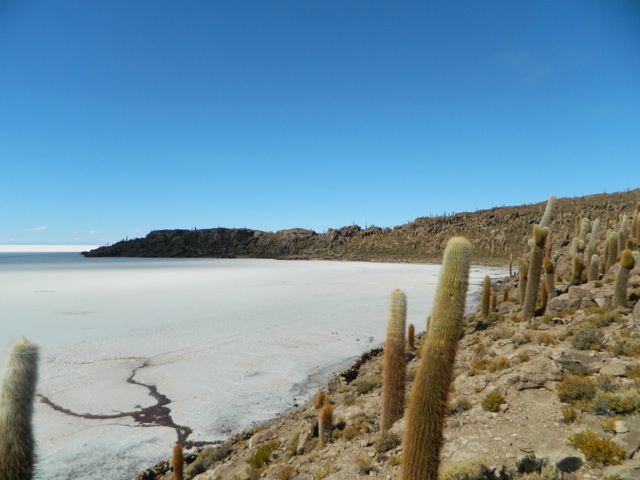
Then I caught a bus to Uyuni for a 3 day tour around the Salt Flats and along the Andean High Plains to the three-way border of Bolivia, Argentina and Chile. The Salt Flats are like an inland sea without the water.

wpid-dscn3077-2013-12-17-12-23.jpg

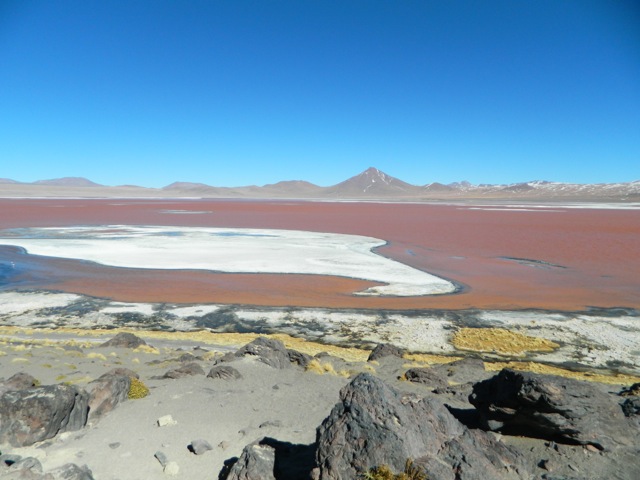
There were so many different terrains on the high plains and many stunning views. We visited some very interesting places, like the lodge made entirely from blocks of salt where we stayed on the first night. Views across Lago Roja – Red Lake.

wpid-dscn3174-2013-12-17-12-23.jpg

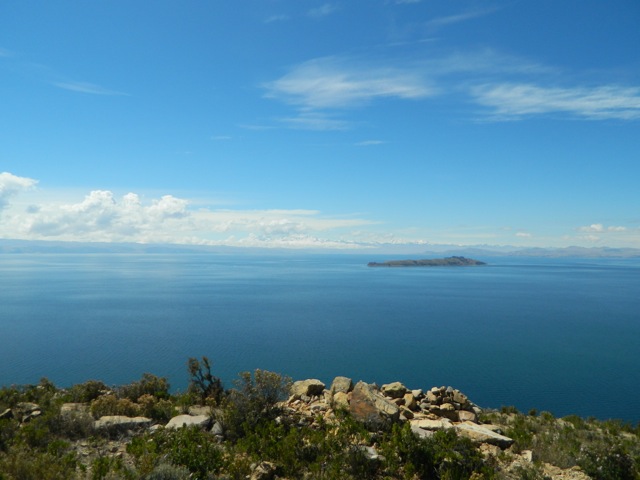
Then it was back to La Paz where I managed to suffer from food poisoning, an illness everyone seems to get in Bolivia. Don’t trust the street food! For my final days in Bolivia, I caught the bus up to Lake Titicaca, the highest navigable lake in the world. After a day tour to Isla del Sol, I booked a bus into Peru…

wpid-dscn3258-2013-12-17-12-23.jpg

Next, Part 3 of my Look Back Series where I complete my time in South America by working my way to Colombia.

The World Wanderer

Looking Back, Part 1 – Patagonia, South America

Patagonia is at the southern end of South America and is an area that is jointly owned by both Chile and Argentina. Patagonia contains the tail end of the Andes mountains, the second largest ice field in the world and is predominantly set up for tourism with is brilliant mountains, amazing lakes and so many hikes you could walk around it forever. Thankfully, that was the primary reason I came to Patagonia.

wpid-dscn2358-2013-06-9-18-24.jpg

I arrived in Usuhaia, Argentina in the last days of summer and was stunned by the beauty of the mountains and the seas near the most southern city in the world.

wpid-dscn1489-2013-06-9-18-24.jpg

With Autumn came low season and a slowing down of the tourism industry. This didn’t mean there was a lack of people, just not as many. And, if anything, it was a good thing because the numbers in high season can be overbearing. In Ushuaia, as I waited for a boat to Antarctica I did several hikes in and around the Martial Mountains.

wpid-dscn1598-2013-06-9-18-24.jpg

After a 12 day trip to the White Continent…

wpid-dscn1771-2013-06-9-18-24.jpg

I left Ushuaia for a 12 hour bus trip to Punta Arena, the southern most city in Chile, for a two day stop of before heading to Puerto Natales, another 5 hour bus ride north.

Puerto Natales has a large tourism industry set around two places, the southern fiords of Chile and Parque Nacional Torres del Paine, Chile’s most popular and most expensive national park. I spent a couple of days in Puerto Natales preparing for my hike before heading to the national park where I spent 9 days hiking around the Torres del Paine Massif. A fantastic hike.

wpid-dscn1815-2013-06-9-18-24.jpg

Back in Puerto Natales, I made the decision to catch the Navimag Ferry though the patagonian fiords, but I also wanted to head into Argentina to hike around Mt Fitz Roy. So I decided to do both. I booked the five day ferry trip and with several days before it departed, I caught a 5 hour bus across the border to El Calafate in Argentina.

wpid-dscn2189-2013-06-9-18-24.jpg

There is a famous glacier near El Calafate in Parque Nacional Los Glaciares called Perito Merino. But after coming back from 9 days hiking, and having seen plentiful glaciers in Antarctica, I decided to just rest in El Calafate for 3 days before heading north to El Chaltén. In El Calafate I had, perhaps, the best Asado – BBQ – I’ve had in South America.

El Chaltén is 3 hours by bus from El Calafate and is set at the north end of Parque Nacional Los Glaciares. The town principally supports hiking around Mt Fitz Roy, which is another name for Chaltén. For three days, I walked what I call the Fitz Roy Triangle around the mountains to see some wondrous peaks and lakes.

wpid-dscn2140-2013-06-9-18-24.jpg

Then I was back on a bus to El Calafate for the night before then heading back to Puerto Natales once more.

The following night I was on the Navimag Ferry and was preparing for the trip. The ferry left Puerto Natales at 4am the following morning and wended its way south west to pass through a thin gap before heading north. That was when the rain started and it stayed with us for the rest of the trip. It was a shame because we missed a lot of the mountain views due to the low clouds. So the only thing to do was to stay inside and get to know some of the travellers.

wpid-dscn2217-2013-06-9-18-24.jpg

I arrived in Puerto Montt at the end of the journey and made my way to my Hospedaje, a home stay style hostel. Compared to the small relaxed towns of lower Patagonia, Puerto Montt felt like a bustling atrocity set beneath a might volcano.

wpid-800px-puerto_montt_2009-2013-06-9-18-24.jpg

I guess it was just the more people all in one place. After a couple of days around town, I headed 2 hours north by bus to Osorno with the intention of hiking the Puyehue National Park and climbing a small volcano. I hitch-hiked out to the parque to find it had been closed because of a missing hiker. So I stayed the night in a cabin before flagging down a bus heading to Osorno.

wpid-dscn2271-2013-06-9-18-24.jpg

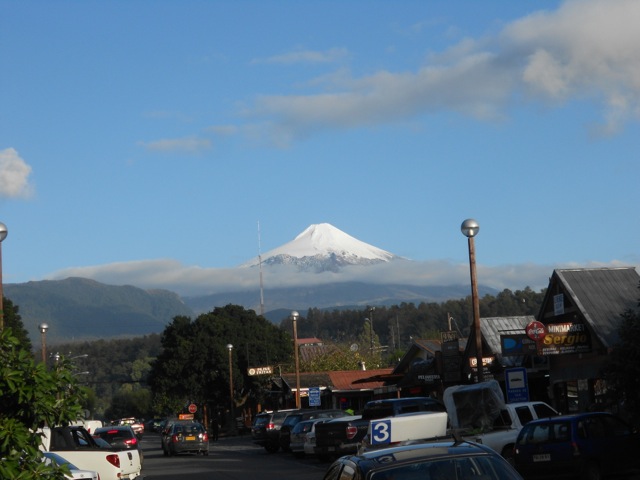
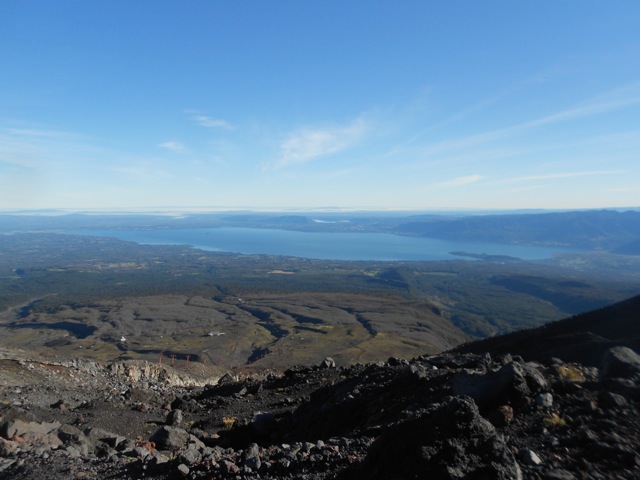
Three hours north of Osorno, again by bus, is the town of Pucón. Pucón is a beautiful little town on a lake and below a large active volcano. Every tourist seems to climb the volcano, so instead I’d planned a 6 day hike around the base of both it and the one behind it. All I needed was a nice space of fine weather, but after a fortnight the break in the weather never come. The time wasn’t wasted, I spent much of the time writing. Before leaving Pucón, I caved and climbed the volcano…

wpid-dscn2281-2013-06-9-18-24.jpg

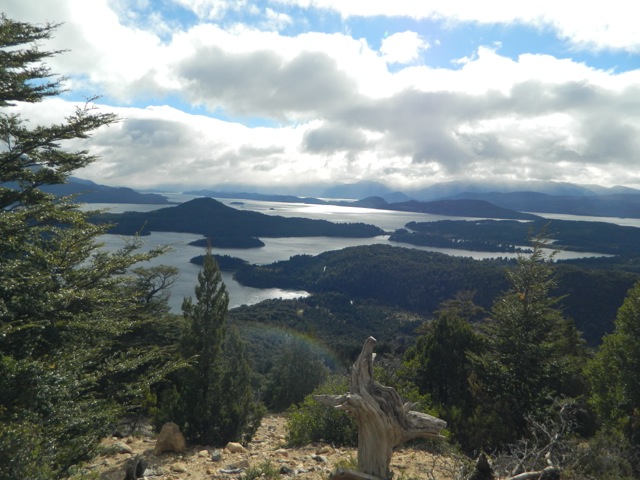
A day or so later, I said a final goodbye to Chile as I crossed the border back into Argentina to the city of Bariloche in the Lakes Region. In Bariloche, I decided to take a 2 week Spanish course,  But on the weekend prior I climbed to Refugio Lopez near the top of Cerro Lopez to look down upon the lakes that give this region its name.

wpid-dscn2305-2013-06-9-18-24.jpg

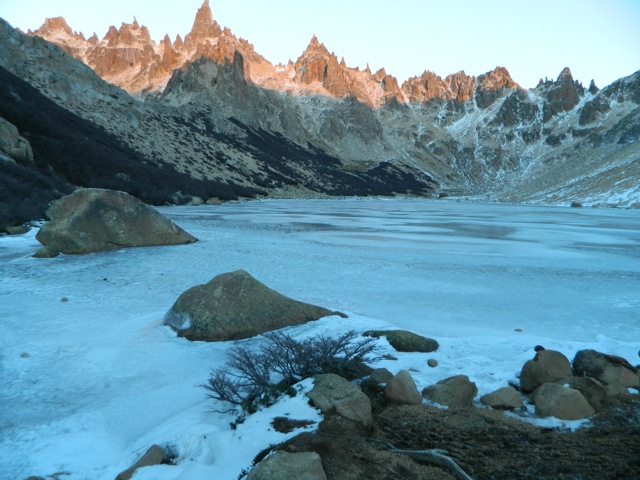
A week later, during my weekend off study, I climbed Cerro Catedral and stayed at Refugio Frey next to a frozen mountain lake.

wpid-dscn2396-2013-06-9-18-24.jpg

After my second week of study, I travelled a 100km south to the small not very hippie-like, hippie town of El Bolson. It would have been nice to have hiked in the mountains there, but due to the time of year, it turned out to be a rather uninspiring visit.

wpid-dscn2432-2013-06-9-18-24.jpg

After two nights, I was back to Bariloche for my final days in Patagonia before heading north by bus for 19.5 hours to the warmer wine regions of Argentina – Mendoza.

My trip to Patagonia was wondrous trip through the southern portion of South America, reminding me very much of the South Island of my home country, New Zealand. And being such a vast place, you just can’t see all of it. Perhaps one day I will come back and explore more of it…

Next, I head around northern Argentina and then through Central South America…

The World Wanderer

Taganga, Colombia – Impressions

The city of Santa Marta, birth place of pop singer Shakira, is a mere four hours by mini bus along the coast from Cartagena. A further five minutes along the coast is the little fishing village of Taganga.

wpid-dscf2839-2013-12-9-16-57.jpg

While the township looks sleepy, it’s actually a popular place for tourists with over 30 hostels and hotels scattered through the many dirt roads. Walking down any of these dirt roads towards the beach and the town changes, becoming more like a large beach resort with many restaurants and beach kiosks along the beachfront.

wpid-dscf2847-2013-12-9-16-57.jpg

While the town itself is sleepy, the bay is a prime location for snorkelling, diving and fishing. It’s also close to Tayrona National Park, with its short hikes and many other quiet beaches to visit.

wpid-dscf2844-2013-12-9-16-57.jpg

But more importantly, the beach town is the gateway to Sierra Nevada National Park and the popular Jungle Trek to Ciudad Perdida – Colombia’s Lost City. Taganga is also the perfect place to recover once having completed the trek.

And like most places in South America, Colombia is a Catholic culture, and they go crazy for christmas…

wpid-img_1592-2013-12-9-16-57.jpg

Next, I head back to Cartagena for my final couple of days in South America before I embark on a 6-day Caribbean cruise via the beautiful San Blas islands on my way to Panama.

The World Wanderer

The Lost City – Ciudad Perdida, Sierra Nevada National Park, Colombia

In the jungles of northern Colombia there’s a magical city known as Ciudad Perdida – ‘Lost City’ in spanish. Believed to be built around 800AD (650 years before Machu Picchu in Peru) the site is said to be the central city of the Tairona people, connecting the many small villages around it. Originally home to between 2,000 and 8,000 people the city is said to be four times as large as Machu Picchu and far more spread out.  Abandoned around the time of the Spanish conquests and the city was only rediscovered in 1972.

There are now regular jungle hikes to the site taking between 4 and 6 days. It’s considered a moderately difficult hike and since I was in the area I decided to do it.

Day 1
I was picked up from my hostel at 9am with just my little pack. I’m not used to carrying so little and I almost felt like I didn’t have enough with me. But then I usually don’t go on guided treks, preferring to walk alone with all my own equipment.

After a ten minute minivan ride from Taganga – the beach town where I’m staying – I was dropped off to the tour company’s office in Santa Marta where I was to meet the others in the group. I’d figured I wouldn’t be alone on this fairly popular trek but I didn’t expect to be one of 19 plus guides. With so many others hikers it was difficult to find the serenity of nature I enjoy when hiking alone. But I did my best.

wpid-dscf2848-2013-12-9-13-02.jpg

By 11am, we were off in a pair of 4x4s heading towards El Mamey, the village that serves as the hike’s trailhead. An hour later, we left the sealed highway and headed along a rough dirt road suitable only for 4x4s, motorcycles and horses. A further hour later and we arrived at El Mamey where we were provided with lunch.

After lunch and once we were all ready we headed out along a dirt road, crossing a pair of rivers as we went.

wpid-dscf2853-2013-12-9-13-02.jpg

It wasn’t long before we began to climb in the muggy heat. While the steep climb was not at altitude like my previous few hikes, where lack of oxygen slowed me down, the somewhat oppressive heat stripped me of my energy, having a similar effect. As we worked our way slowly up the tree covered hill, the clay of the trail seemed to capture the heat and send it at us from all directions. Sweat ran from everywhere and I was soon soaked completely, a state I was to be in for the entire four days of the hike.

We had reached the top of the hill and were walking along a ridge line when the afternoon rains finally arrived to cool us down.

wpid-dscf2866-2013-12-9-13-02.jpg

We took shelter at a small cabaña until the shower passed but it was not to be the end of the rain for the day. As we continued, low clouds began to move in around the hills, bringing a much appreciated cool breeze.

wpid-dscf2864-2013-12-9-13-02.jpg

We continued along the cloudy ridge until it dove down a long steep clay and mud trail before crossing the river to another village. Finally, we climbed a smaller hill to the cabaña where we’d be staying the night.

Under a wall-less tin roofed building there were line upon line of hammocks covered with mosquito netting.

wpid-dscf2870-2013-12-9-13-02.jpg

One section of the wall-less hut was a massive kitchen where the guides prepared our dinner of chicken, potatoes and rice. As we ate the rain returned, this time very heavily and accompanied by long peels of thunder and brilliant flashes of lightning. After dinner and a couple of beers – no South American hike would be complete without beer at the camps – I headed to bed in preparation for the next day.

Day 2
It rained heavily for a large portion of the night, well past the time I’d gone to sleep. Sleeping in a hammock was a first and quite comfortable using a blanket as a pillow. I used a second blanket briefly early in the morning when it grew a little cooler and I was thankful for the protection of the mosquito nets.

At 5am we were up and given breakfast. It was an early start to avoid the oppressive humidity later in the day. It was still hot, a wet heat that made it difficult to regulate my own temperature. But this was only a problem when I was climbing, which was much of the morning following the dirt trail through the endless trees of the jungle. During the climb we paused from time to time in various villages to get our breaths back and to take photos.

wpid-dscf2880-2013-12-9-13-02.jpg

The trail dove down hill again for a long period and at the bottom we were forced to remove our boots to cross a river. Wading across, the water came up to our thighs in all its cold and gloriousness.

With only 30 minutes to our evening’s cabaña, most of us stripped down to our shorts (or to bikinis for the girls) and went for a swim. It was difficult for us to leave the river, but we eventually tore ourselves away, dressed and walked the 30 minutes along one bank to the cabaña.

After lunch it was shower and relax time as we waited for the afternoon rains. We are only 1km away from the steps leading up to the Lost City. So close we could hear the buzzing of mosquitos.

Day 3
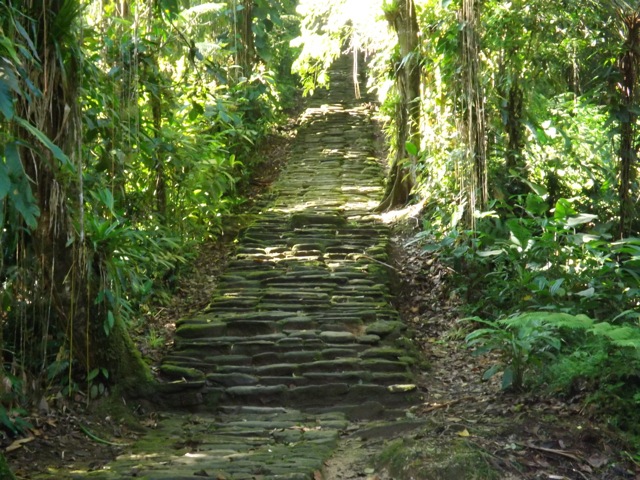
Many of us were woken by the breakfast crew at 3.30am, not because we had to get up but because they were being noisy. I managed to get back to sleep and at 5.30 was up and having breakfast. Then we were off along the bank for the 1km to another river crossing where we again had to remove our boots. Even first thing in the morning the cold of the river was refreshing. On the other side we found the 1,200 or so steps that lead up to Ciudad Perdida.

wpid-dscf2905-2013-12-9-13-02.jpg

The ancient tribes must have had small feet as the steps are tiny. Still, it didn’t take us long to get to the top where we emerged into the city’s market area covered in sweat. After reapplying insect repellant, I zipped on my leggings and rolled down my sleeves as defence against the mobs of ravenous insects.

We spent three hours walking around Ciudad Perdida…

wpid-dscf2915-2013-12-9-13-02.jpg

From the market, we headed up the hill by steps…

wpid-dscf2926-2013-12-9-13-02.jpg

…that led to the rich quarter of the city where the best views could be had.

wpid-dscf2935-2013-12-9-13-02.jpg

There aren’t any buildings left from the day of the city builders, as unlike the Incas, the Tairona built houses from bamboo, wood and mud. A few natives do live here but their buildings are recent.

In places around the city are gun toting soldiers, protecting visitors to the city for the last decade. The last kidnapping in the area was ten years ago in 2003. Next we headed down a long flight of steps to the poorer quarters.

wpid-dscf2939-2013-12-9-13-02.jpg

After some history lessons we climbed back down the main steps, very slowly and eventually made it to the river where the boots were off again as we crossed. 30 minutes later and we were back at our last nights accommodation for lunch.

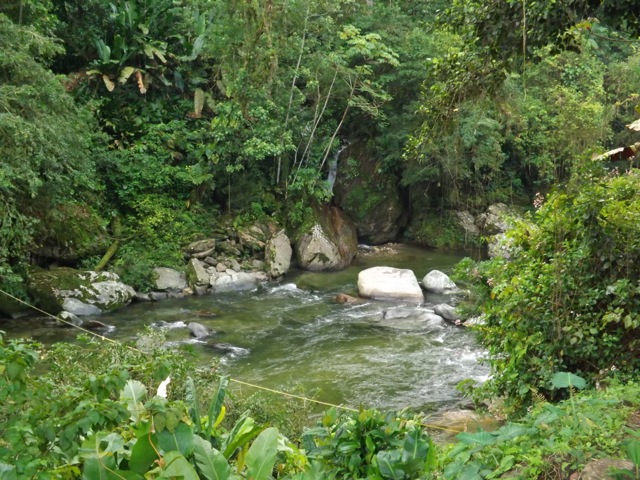
Next was a long ten kilometre hike back along the trail to our final night’s cabaña at the bottom of a very long downhill. In the heat of the afternoon, and still drenched with sweat, we were thankful to arrive at the camp. It didn’t take us long to get out of our wet clothes and into the cool river. On the far bank a waterfall feeds into a grotto behind a huge rock. There’s an elaborate technique for getting across, the last of which is to power swim through the strongest current. A couple of us made a chain to catch some of the less strong swimmers as they were being swept past.

wpid-dscf2946-2013-12-9-13-02.jpg

That evening we relaxed under the beady eyes of many Cane Toads enjoying the rain.

Day 4
The final day was simply returning along the trail we’d walked on our first day – up a steep long climb, back along the ridge line and down a very long climb. 15 minutes before we arrived back at El Mamey, we stopped at the river for a final swim – they couldn’t have stopped us if they tried! Then after 30 minutes in the water, we were back on the trail for the final short walk to the village, where we stopped for lunch before being transported to Santa Marta and the end of the adventure.

wpid-dscf2876-2013-12-9-13-02.jpg

Overall, the 4 day jungle trek was a great adventure, and while the constant sweating and dripping wet clothes left me covered in a heat rash, it was worth it to get to the Lost City and my final adventure in South America.

The Lone Trail Wanderer.
El Altar, Sanjay National Park, Ecuador

Nearly two years ago, the government of Ecuador changed the laws regarding multi-day hikes. Because so many people were getting lost or dying, all hikes in the national parks now require a certified guide. Peru has a similar law, although it doesn’t police it as stringently as Ecuador does. And at US$50-80 a day for a guide, my dreams of doing a multi-day hike in Ecuador came to a screaming holt.

My companion and I caught a bus to Riobamba, a city six hours south of Quito and set about finding a hike we could do without a guide. After some investigation we found one – El Altar – an overnight hike into an area of mountains only policed one day a week.

Day 1
We were up early and waiting for the taxi. A crazy drive through the mountains followed to Hacienda Releche, the ‘trail head’ of the hike. We met the owners of the hacienda who quoted us 5-6 hours to their lodge in the mountains and at $12 per person per night it’s far cheaper than a guide.

We began climbing along a dirt track following a gully. On either side was a thin line of trees and beyond were fields; one containing rows of flowers, the other grazing cows.

wpid-dscf2507-2013-10-13-21-07.jpg

For the first two hours of the walk the trail climbed steeply up the side of the hill with the occasional short area of boggy mud. While the skies were cloudy there was no rain. A look back along the valley gave great views of the surrounding hills. By the deep green of the hills, I’d suggest it rains here fairly regularly.

wpid-dscf2510-2013-10-13-21-07.jpg

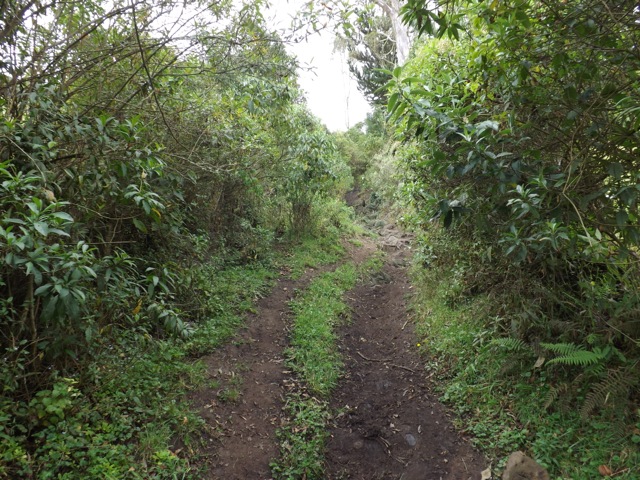
As we continued climbing, the trail grew less steep, but the mud increased dramatically. As the easiest way to get to the lodge is by horseback, this churns up the mud. In many places, it was difficult to pass without squelching our way through. Luckily, waterproof leather hiking boots have no issues with mud and we waded our way through, trying to fall over as little as possible. This is only a problem if the mud is soggy and wet, which for the most part it wasn’t.

wpid-dscf2525-2013-10-13-21-07.jpg

We stopped for a late lunch with a view of a road across the valley, before marching on. As the afternoon wore on, the rain began, and we decided to rest out of the rain for a bit, so following a short path we found a pair of large pine trees as shelter.

While we were waiting, we heard hooves on the track. I went to have a look in the rain and discovered around ten large horned, cows trampling along the trail. When they saw me they stared for a few moments before bolting back up the trail. A few minutes later, we heard hooves again, this time it was a group of riders leading the cows. Two of the cows had climbed the bank and charged through the area where we were sheltering, scaring the wits out of my companion.

wpid-dscf2537-2013-10-13-21-07.jpg

By this stage, we’d already walked 5-6 hours with no sign of the lodge. We continued on, crossing through gullies and the occasional stream. As darkness began to fall, we still hadn’t found the lodge and my companion began making suggestions of roughing it, as we didn’t have a tent with us. So under the light of our head torches we kept an eye out for sheltered spots but continued walking.

An hour and a half after dark we rounded a hill and could just make out buildings ahead in the vague moonlight. We reached the buildings and found the first one open. It was a dorm room with bunk beds and a bathroom. We dropped our packs and investigated the other four buildings. Two were locked dorms while the others were dining areas with kitchens and fireplaces. We found a bunch of candles and set up our room, cooked some dinner and collapsed into our sleeping bags.

Day 2

The next day we were up and after breakfast, we cleaned up the room, packed our bags and stowed them away in a hidden room off one of the kitchens. We then headed out across a stretch of soggy, rocky ground towards The Altar, a collapsed volcano surrounded by peaks. The valley is at about 4000m above seas level, and even with a slight grade crossing it was a struggle because of the altitude.

wpid-dscf2544-2013-10-13-21-07.jpg

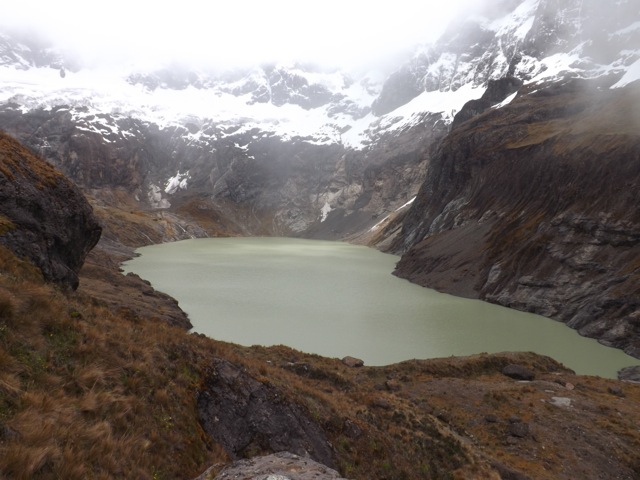
At the far side was a tough climb up the valley wall. While the sky was cloudy and mist covered many of the mountains, we could just make out a snowy peak above us as we climbed. My younger companion raced ahead while I struggled with the altitude, even without a pack. During one of our regular breaks, we discovered another pair of guys close behind us. This pushed us on and eventually we came over the ridge to see the large crater lake and the bottom of the mountains surrounding it. El Altar.
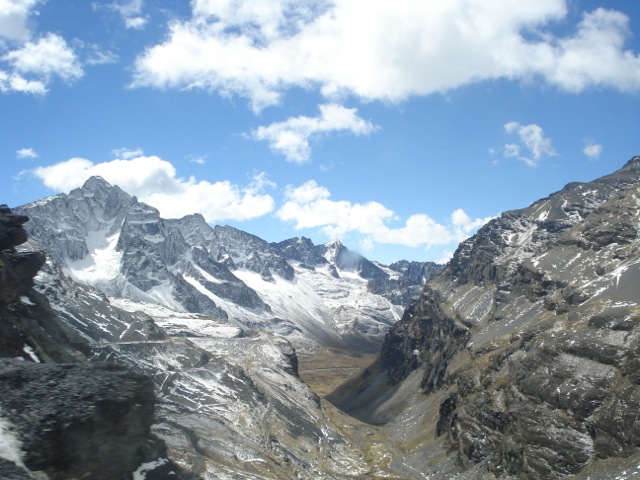
wpid-dscf2555-2013-10-13-21-07.jpg

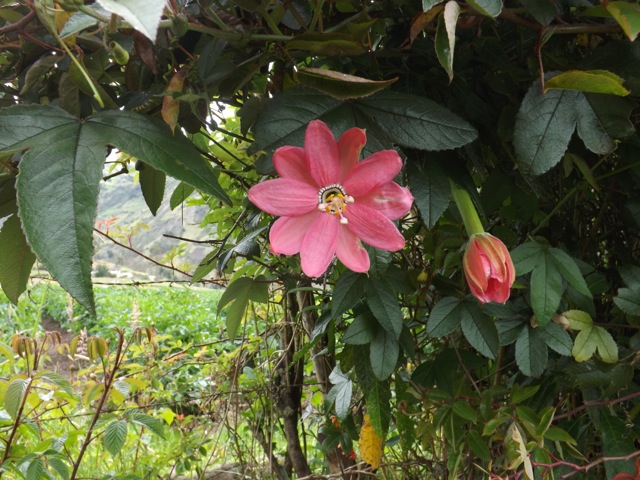
We waited up there for almost two hours, watching as the clouds came and went. I noticed more than a dozen kinds of wild flowers growing in the area so set about taking photos of as many as I could.
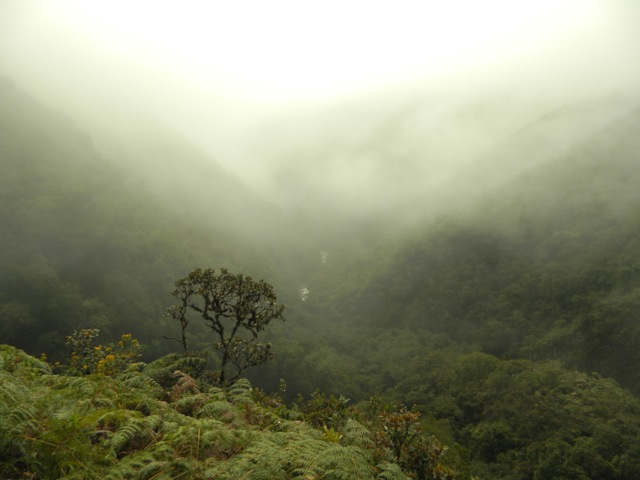
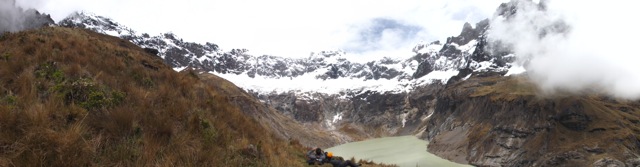
At about 1pm, the sky began to clear and I was able to take a panoramic shot – something I’d not done before on my new camera.

wpid-dscf2572-2013-10-13-21-07.jpg

On the way back we passed two other groups of people totalling 10 between them, before arriving back at the lodge to meet the lodge owner’s father, who was also the caretaker. Unfortunately, he didn’t speak english and our spanish wasn’t enough to get across that we had already paid for the previous night. The message finally got across with the help of one of the other guys and we booked another night. This time, we had a more luxury room – one of the locked ones.
Day 3

After breakfast, we packed and headed down from the lodge.

wpid-dscf2591-2013-10-13-21-07.jpg

The climb down was fairly uneventful. There was the occasional rain, but nothing worrying. Most of the trail was dry mud but we also passed through several different levels soggy levels of it as we went: dirt, wet dirt, hard mud, soft mud, sludge and water pooled mud. For the most part, we found little of the last two and mainly plentiful soft mud. When climbing down a dirt or rocky trail, it can be hard on your knees, even with walking poles. But soft mud cushions your footsteps without swallowing your boots totally. As we walked, we saw more of the wild flowers…

wpid-dscf2595-2013-10-13-21-07.jpg

We finally reached the owner’s hacienda just as the rain began. After a lunch prepared by the owner’s mother, we waited for the bus that didn’t come before talking the park rangers into giving us a lift back to Riobamba. This was ironic because they would have stopped us from doing the trek if they had caught us at the beginning. We arrived back to the hotel we’d been staying at and the luxury of hot showers.

Summary
Overall, the trek was a lot longer than we expected, but we still had an awesome time and saw one of the few sights available without a guide in Ecuador. While the trail was muddy, it made the trek more of a technical challenge than an annoyance. For the views and the lodge, I would recommend this to anyone looking for an overnight and cheap hike in Ecuador.
Next we are off to Cuenca in Southern Ecuador to see Ingapirka, the most famous Inkan ruins in Ecuador.

The Trail Wanderer

Mindo, Ecuador – Impressions

80km north of Quito is the town of Mindo, buried deep in the rainforest of North Ecuador.

As one of my friends leaves South America in the next week three of us, who’ve been hanging out in Quito, decided to go away for the weekend to have one last adventure together. Spending $8 in the taxi to the bus terminal, we paid $2.50 each for the 2 hour bus ride!

Mindo is a charming little town with a lot to offer, which is why it’s a common weekend destination for travellers stopping off in Quito. While it’d take a week to do everything on offer here, with only two days we decided to take it easy and enjoy ourselves.

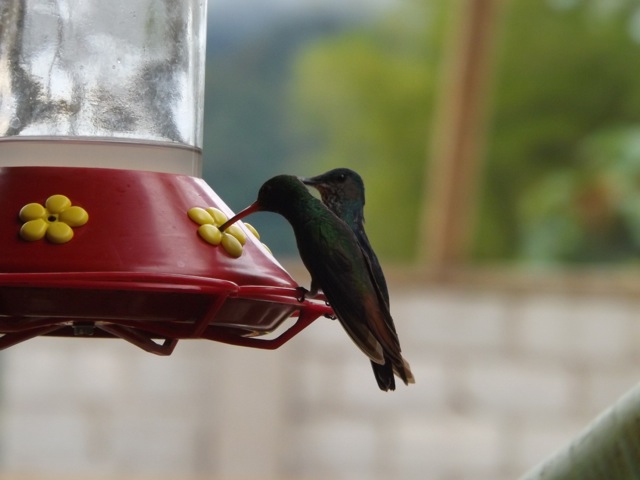
To start with, we found a place that served breakfast and ordered. While we were waiting on the balcony for the food to arrive, Hummingbirds flitted around, stopping to drink from a feeder.

wpid-dscf2404-2013-10-6-18-53.jpg

They skit and bob around like insects with their wings blurred and are the only birds that can fly backwards. It was impossible to get a clean photo of them while they were flying as the camera just couldn’t focus on them fast enough. There are 14 different types of them here.

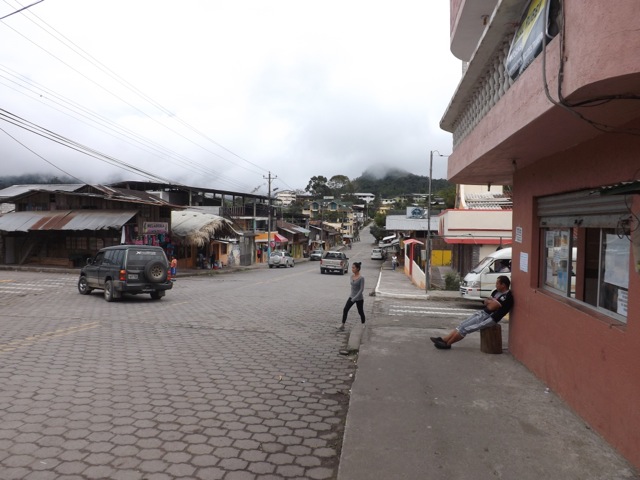
After breakfast, we went for a walk to check out what the town had to offer. 10 minutes later, we were done having seen the bar district and the restaurant district. The town consists of a main street, several short side streets and a plaza.

wpid-dscf2402-2013-10-6-18-53.jpg

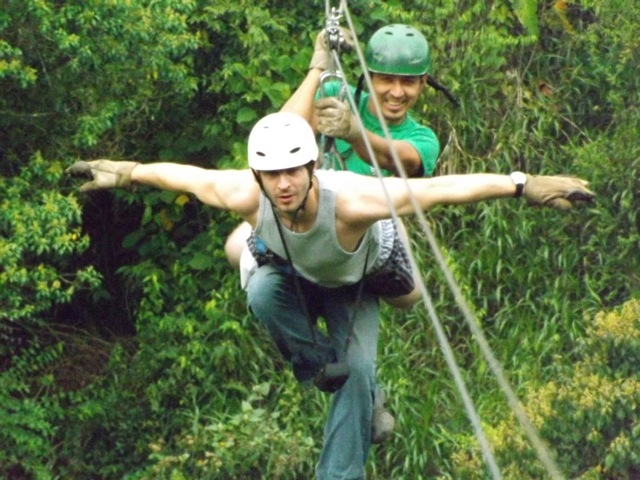
Next, we decided to go zip lining and walked the 3km up the hill to one of the companies that offered it. There were 10 different lines and on most of them we were able to ‘fly’ while accompanied by one of the two guides. Hanging from our backs we sped along with arms wide, aeroplane style. Overall, it was a most fun two hours.

wpid-dscf2438-2013-10-6-18-53.jpg

That evening, we headed out to the bar district for tapas and sangria. We discovered we were some of the only foreigners in town that night, so after eating, we headed back to hostel for our own little party, just the three of us.

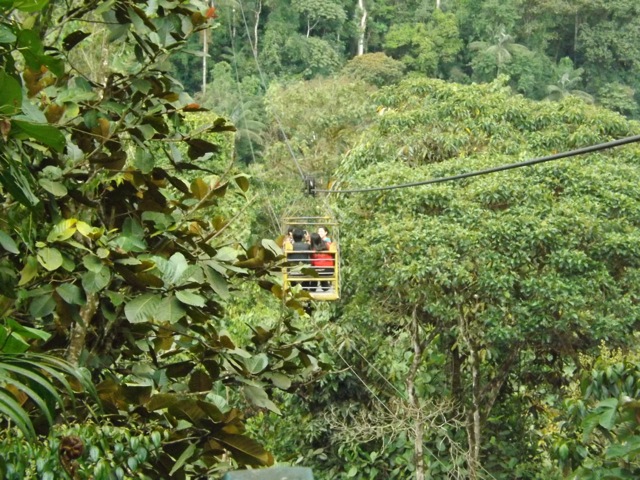
We woke late the next day and after breakfast, decided to visit the waterfalls. By the time we headed up there it was early afternoon. To get to the falls, we caught a taxi the 10km to a home-made cable car which took us across the valley. The engine was made from an old van with gears and all…

wpid-dscf2467-2013-10-6-18-53.jpg

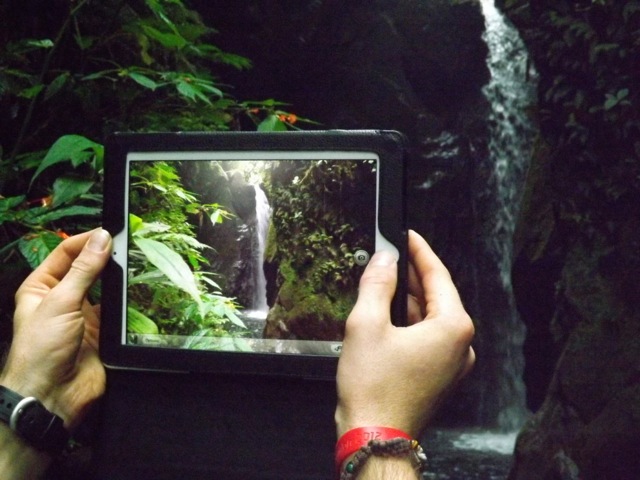
On the other side of the valley, we walked down a dirt trail in the rainforest for some time arriving at some of the waterfalls. Hot from the walk, two of us donned our swimmers and leapt in, and out again, as the water was as cold as expected. There are 7 sets of waterfalls in the area, but in the two hours before the cable car stopped for the day we got to four of them.

wpid-dscf2477-2013-10-6-18-53.jpg

That evening we hung out with a group of new arrivals at the hostel before heading to bed early. While we had only two days in the town, there are many other things we could have done, including canyoning (where you rappel down a waterfall), tubing down a river (like rafting but large tire tubes tied together) and an animal sanctuary, to name a few.

It’s a peaceful change from the city and at the price to visit and stay, it is well worth the effort if you are in Quito with a few days to spare. Just remember to take your Malaria tablets and try to avoid mosquitos, although it was the midges that feasted on us.

Next, it’s back to Quito to prepare for a four day walk around Cotopaxi, one of the world’s tallest active volcanos.

The Trail Wanderer

Galapagos Islands Cruise

The Galapagos Islands are an amazing set of volcanic islands just under 1000km from mainland Ecuador. There are several ways to see the islands each with benefits and drawbacks:

  • Pre-booked cruises are the most popular means to see the Islands and are commonly booked from the mainland. They are perfect for those with only a short vacation time but can also be the most expensive.
  • Booking a Last Minute cruise when you arrive on the islands is more suitable for long term travellers or those with plenty of available time. The cruises are up to half the price of a pre-booked cruise but there may be some wait before departure day.
  • Island hopping is possibly the cheapest means of seeing the islands and can be tailored to however long you have available. They take more work to organise and you can’t get to some of the more distant islands the cruises can take you to.

For my trip to the Galapagos, I simply flew to the Islands and booked a Last Minute 4-day cruise. The cruise started several days after I booked it, giving me time to explore parts of Isla Santa Cruz and Puerto Ayora.

Day 1
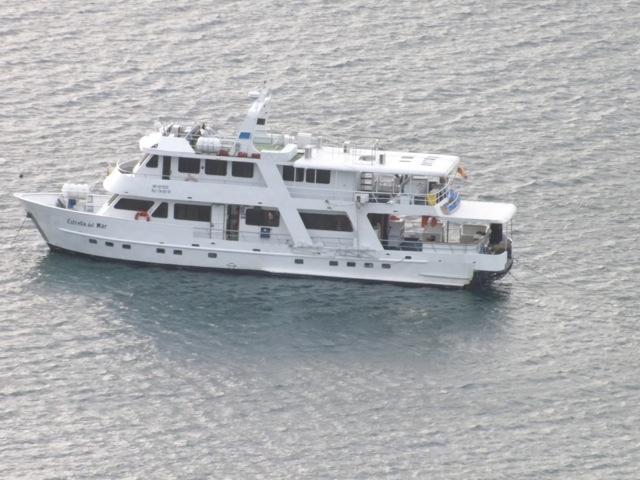
The day began early with myself and my Uraguayan friend leaving the hostel at 7a.m., having a quick breakfast in town before catching a taxi to the bus terminal. After a 90-minute mixed bus and ferry ride we arrived at the airport where we met our tour guide and some of the other passengers. We were taken to the boat, the Estrella del Mar – Star of the Sea. The boat’s passenger capacity was 16 and my friend and I were the oldest of the group.

wpid-dscf2273-2013-09-27-20-42.jpg

Onboard the Estrella del Mar we were given a delicious lunch and as we sailed to our first destination, Isla Bartolomé, had a chance to get to know the other passengers. As we travelled the choppy seas and the rocking of the small boat caused me to feel a little sick, so I took some sea sickness pills I had left over from my Antarctic cruise.

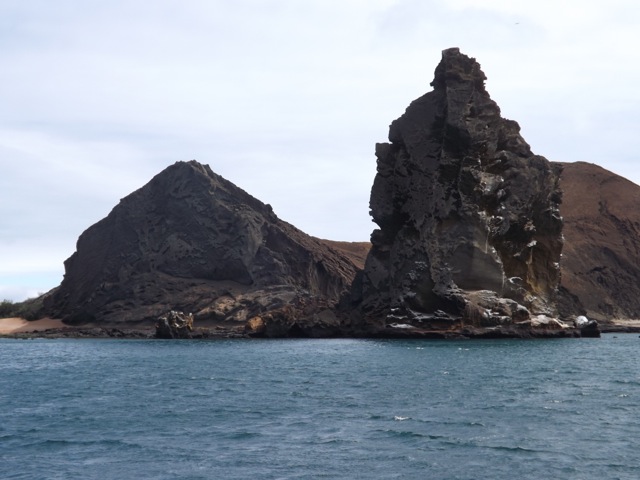
We arrived into the calm waters of Bartolome Island in the early afternoon and donned our wetsuits. We were dropped off on the shore and snorkelled for an hour around the pinnacle – a large piece of weathered rock sticking up at the edge of the beach.

wpid-dscf2240-2013-09-27-20-42.jpg

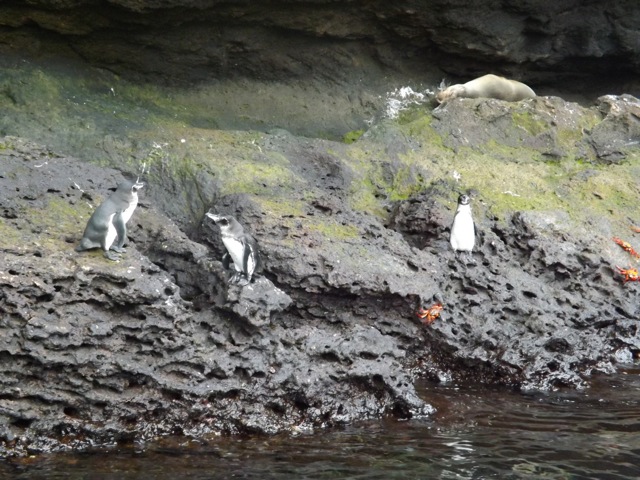
While there wasn’t any coral, there were plenty of fish. As we swam we located several Galapagos Penguins hanging out on the rocks and the occasional Galapagos sea lion doing the same.

wpid-dscf2252-2013-09-27-20-42.jpg

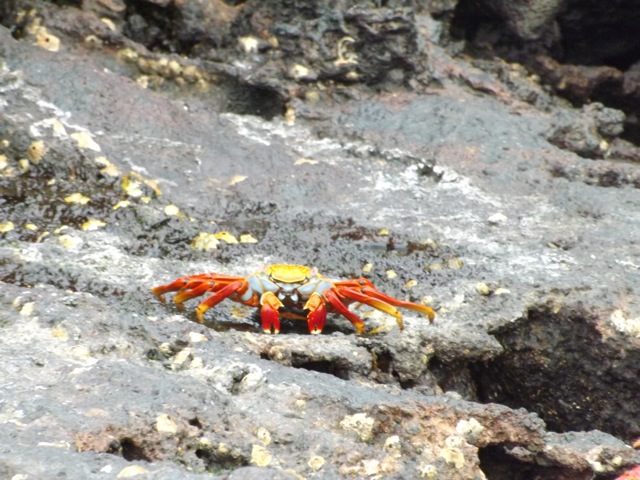
There were also plenty of small colourful crabs climbing the rocks so I swum in for a closer look. As I got nearer to the shore, I went underwater and came face to face with a White Tip Reef shark sleeping in a small cave under the rocks. While they aren’t usually aggressive, I was still cautious for the few minutes I watched it. I did eventually get a shot of the colourful rock crab.

wpid-dscf2249-2013-09-27-20-42.jpg

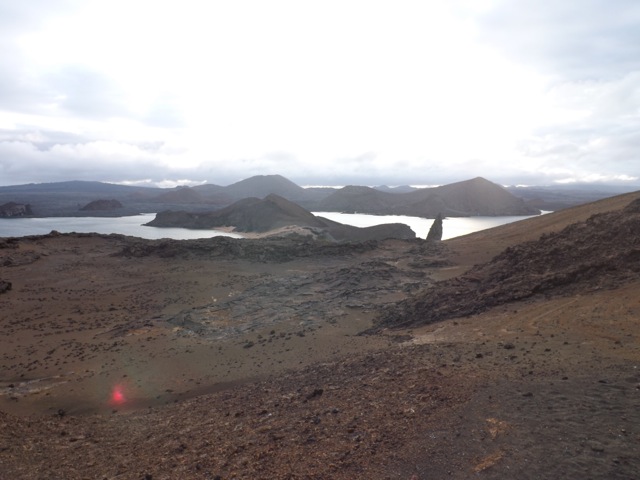
After returning to the beach, we were taxied to the boat where we changed before being delivered to another part of the island, to hike to the top of a volcanic hill. There were great views and our guide was very knowledgable about the formation of the islands.

wpid-dscf2266-2013-09-27-20-42.jpg

After the hike, we returned to the boat for dinner while it headed north. At about 11p.m. we cross the equator.

Day 2
Our cabin was on the lower level at the front of the boat. So, while we were in motioned overnight, the cabin was very hot even with the air conditioning on.

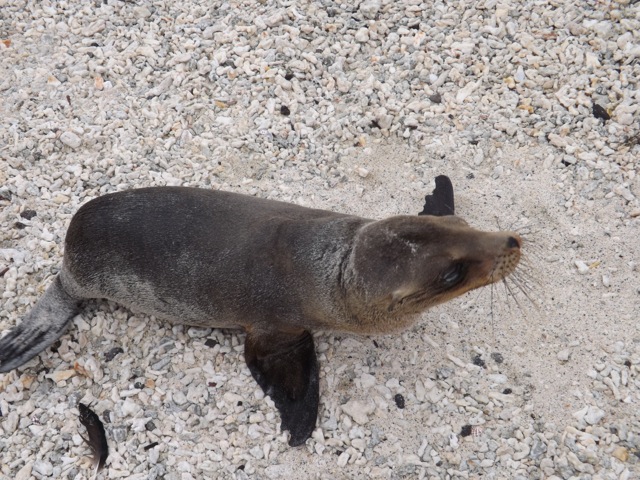
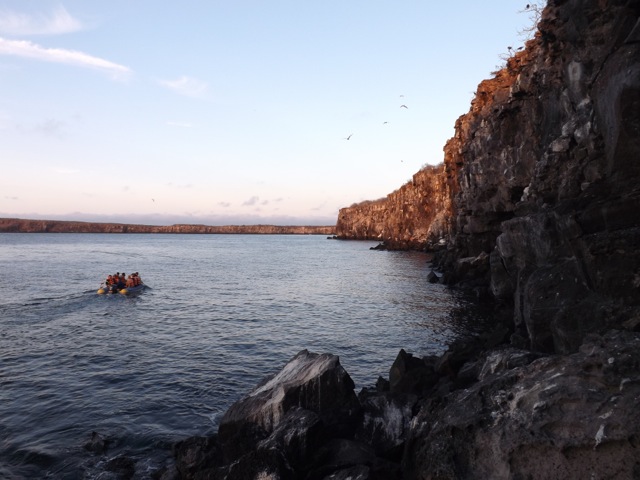
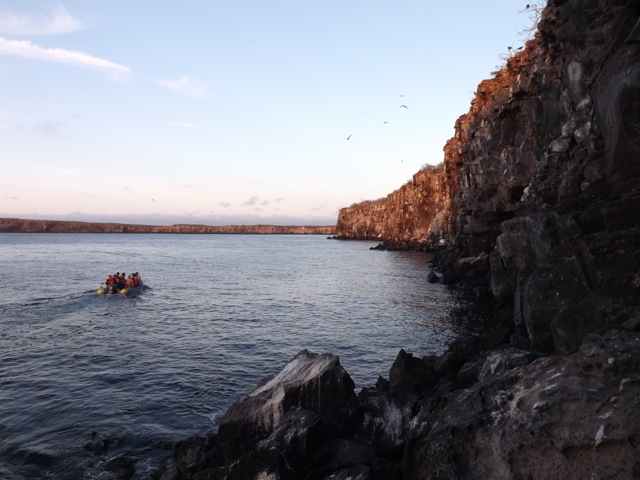
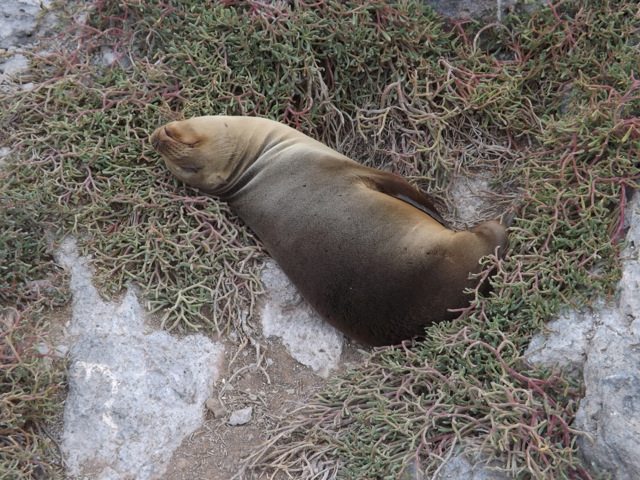
In the early hours of the morning we arrived at Isla Genovesa, an extinct volcano where a massive sinkhole had filled with water to form a natural harbour. After a large breakfast, we were taken in the zodiacs to the beach, where we went for a short walk around the beach and a small patch of mangroves. This allowed us to see several nesting species of birds, black Marine Iguanas and fur seals, including this cub.

wpid-dscf2281-2013-09-27-20-42.jpg

We then changed into our wetsuits on the beach before heading into the water. We snorkelled for about an hour in the fairly murky water. We saw plenty of fish similar to yesterday, but little else. We were taken back to the boat briefly before being taken across the bay for more snorkelling. This is the only spot on our cruise where Hammerhead sharks are commonly seen but after an hour in the water we had no luck. I had fun swimming a little way down the shelf that drops off to a depth deeper than the ships sonar can see, making it more than 350m deep.

wpid-dscf2303-2013-09-27-20-42.jpg

Back on the boat, we had lunch and relaxed for a couple of hours. Many of us napped after a long morning of swimming. When we were ready, a small group of us were taken to third spot in the bay for yet more snorkelling. It was calmer and warmer in the water as the sun had broken through the clouds during lunch. We swam along the wall of the bay, the rocks climbing up about 20 metres. We were joined by a couple of sea lions, but they only played for a few minutes before heading back to their rocks. We snorkelled on, but saw little more.

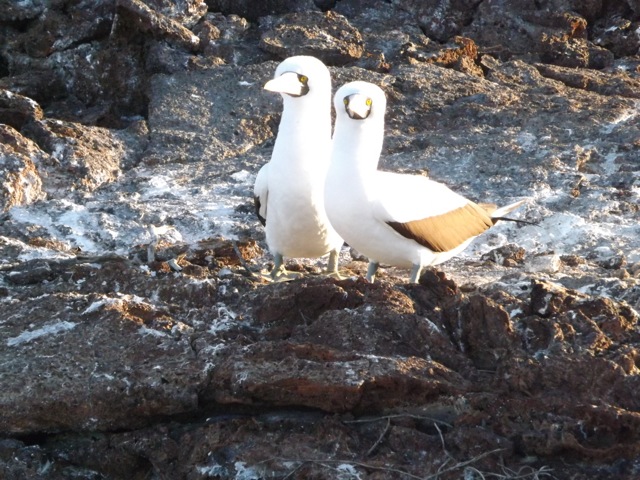
Lastly, after heading back to the boat for a shower, we climbed to the top of the rocky wall and walked through the hardy trees to see more wildlife. We spied the Blue Footed Boobie, a Petrel, a rare sighting of a Galapagos Owl – which actually hunts during the day – and a lovely pair of boobies, Nazca Boobies that is…

wpid-dscf2298-2013-09-27-20-42.jpg

After the hike, we were taken back to the boat for dinner and an early night following a very busy day. During the night we headed back across the equator and it was again very rocky aboard.

wpid-dscf2304-2013-09-27-20-42.jpg

Day 3
Overnight the rocking of the boat caused me to feel very sick, but only in my cabin, so I forwent my usual evening movie and just went to sleep. And this was after having taken seasickness pills. I awoke in the morning to calm seas and felt much better.

After a hearty breakfast, we set about getting ready for our first activity, a short hike across South Plaza Island to see some wildlife.

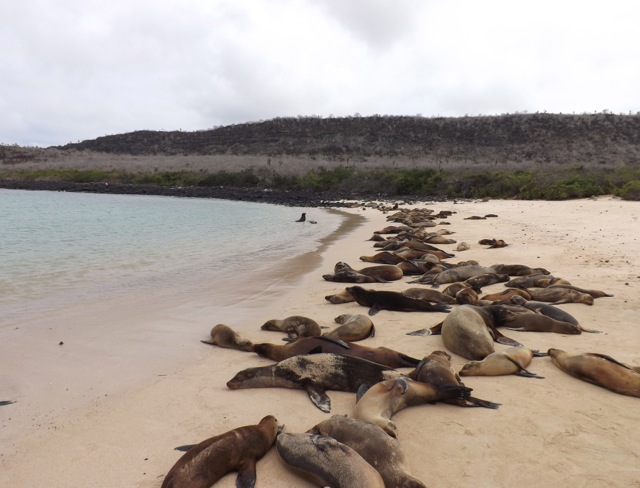
We started on the beach where many fur seals were sleeping.

wpid-dscf2308-2013-09-27-20-42.jpg

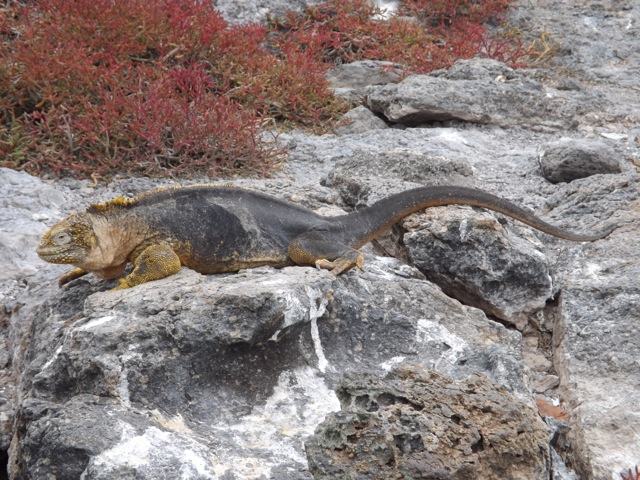
We then walked along the rocky trail stopping for photo opportunities and discussions about the flora and fauna. Among the various species of birds we spied a land Iguana. This one is a metre long.

wpid-dscf2309-2013-09-27-20-42.jpg

Then it was back to the boat and off across the strait to Isla Santa Fé where we had lunch and prepared for another walk. We landed on the beach amidst plentiful napping sea lions…

wpid-dscf2324-2013-09-27-20-42.jpg

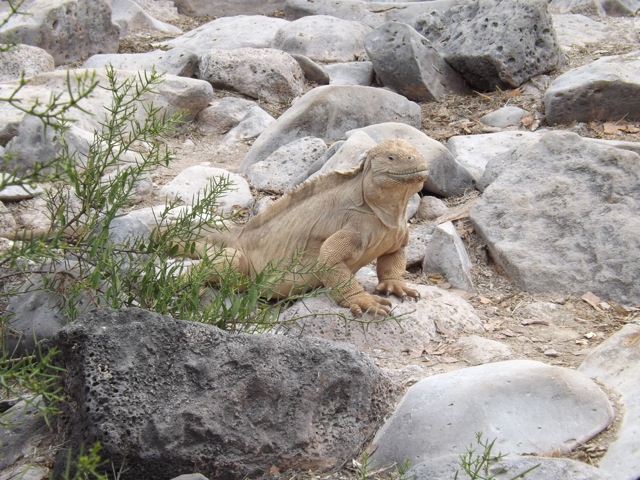
We walked along a rocky path seeing two species of lizard, the metre long yellow land Iguana…

wpid-dscf2334-2013-09-27-20-42.jpg

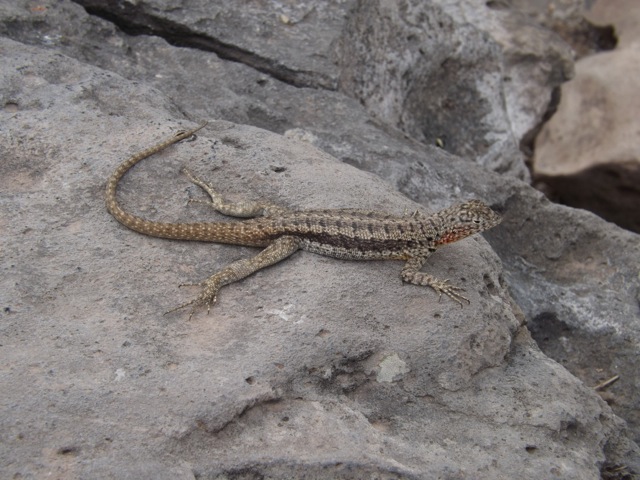
…and the 10cm long gecko.

wpid-dscf2332-2013-09-27-20-42.jpg

Then, it was back to the boat to change into our wetsuits in preparation for our final snorkelling session of the cruise. Swimming in the bay at Isla Santa Fé makes me want to buy an underwater camera. Firstly, there were playful sea lions and I finally found my first coral in the waters. It wasn’t very colourful, but some coral is better than no coral. Then, as we snorkelled across the small bay, we were joined by sea turtles and stingrays sucking at the sand on the bottom. All in all, an excellent snorkelling session for our final day.

wpid-dscf2336-2013-09-27-20-42.jpg

Back on the boat, we set sail for Puerto Ayora harbour where we dropped anchor for the evening.

Day 4
The final day on the cruise was a little disappointing. When booking the cruise, we enquired if they would be going to either the Giant Tortoise colony or to Charles Darwin Research Station, where they look after the young animals. We were told the cruise would finish at the Research station, so prior to the cruise, my Uraguayan friend and I headed up to see the Giant Tortoises. As it turned out, the group was taken to see the Giant Tortoises. But instead of seeing them again, we called an end to our trip and headed back to the hostel.

Summary
Overall, the cruise around the Galapagos Islands was great. While the islands don’t feel as tropical as other Pacific Islands, the diverse species of animals, especially the ones that are native to these islands were amazing. A most enjoyable cruise.

After a couple more days in the Galapagos Islands, I fly back to Quito.

The Trail Wanderer