Tag Archives: Island

Looking Back, Central America

While it took ten months to work my way up the massive continent of South America, three months seemed only a short time to explore the Central America sub-continent even though it’s barely larger than Colombia. But since I was in the neighbourhood…
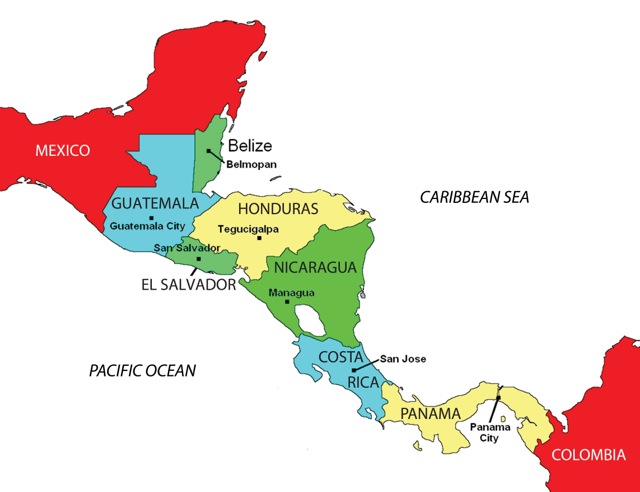
wpid-04838a73ba16566078c9dbd7f4f662c1-2014-03-25-19-32.jpg

Panama

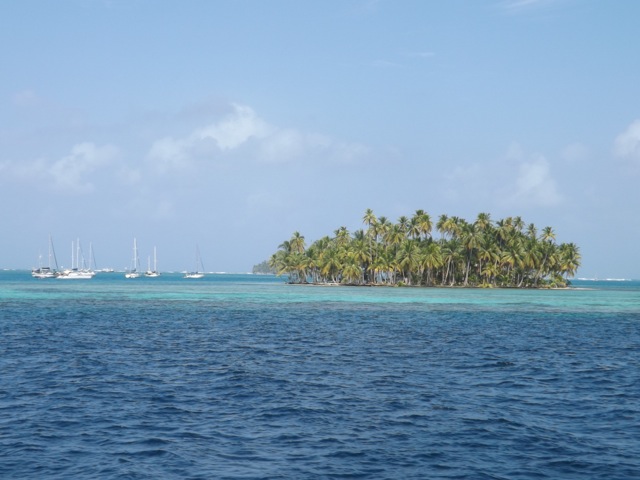
San Blas Islands

With no straightforward bus route from Colombia to Panama, I chose a five-day cruise through the San Blas Islands, finishing in Panama City. The San Blas Islands are a glorious chain of islands in the Caribbean Sea, but make sure you do your research as the cruises aren’t always up to standard.
wpid-dscf3016-2014-03-25-19-32.jpg

Panama City

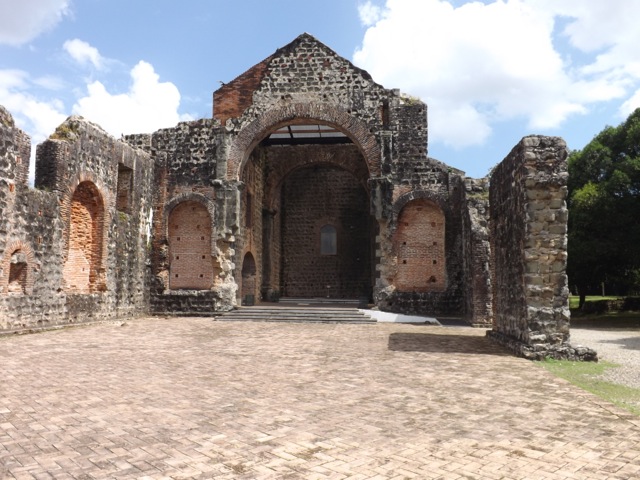
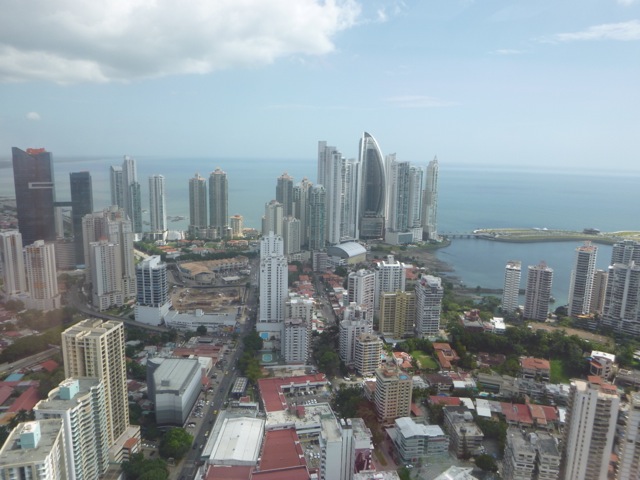
After so long in South America Panama City feels a little like home with its massive skyscrapers, malls, cinemas and fast food chains. When travelling long-term you lose the sense of time and on arrival in Panama days before Christmas I forget that it was prime holiday season for the locals. With most of the holiday destinations booked solid and long lines to get on any buses, I decided to spend the holidays hanging around the city. While there I visited the colonial old quarter of Casco Viejo, the canal and the ruins of Panama Viejo.
wpid-dscf3062-2014-03-25-19-32.jpg

Being in Panama City feels like being in the United States. There are so many Americans and I rarely needed to use my spanish skills as most people spoke english.
wpid-p1000006-2014-03-25-19-32.jpg

Bocas del Toro

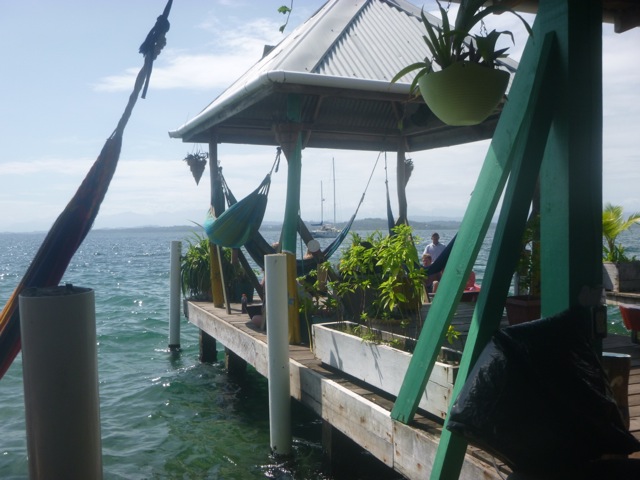
After the holiday break I headed west to Bocas del Toro, an archipelago on the border of Costa Rica. In the surf/party town I took the opportunity to spend a day on a catamaran snorkelling around the reefs and another sitting in a hammock at the hostel.
wpid-p1000110-2014-03-25-19-32.jpg

Boquete

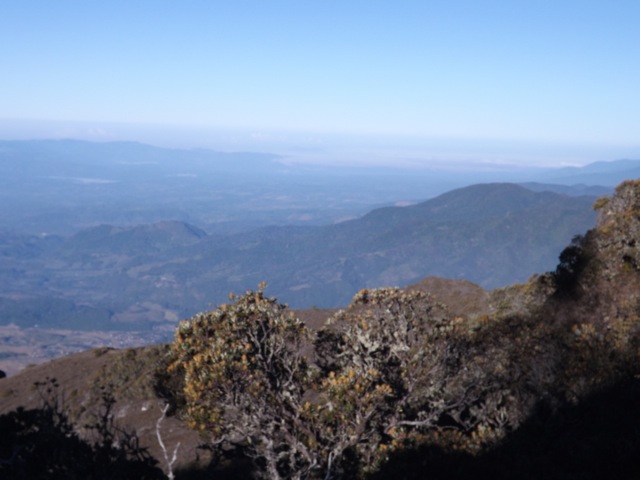
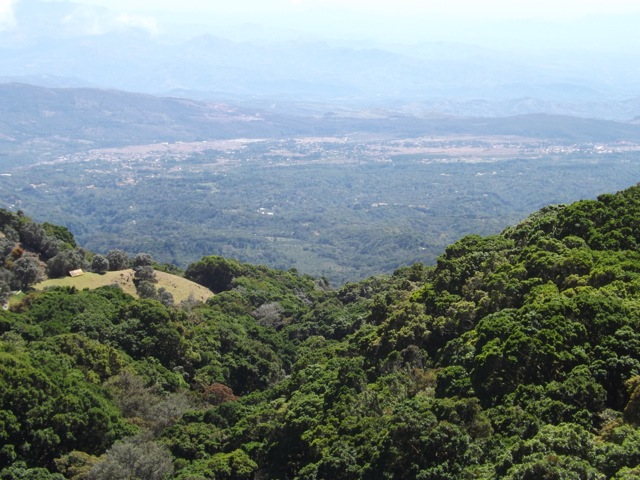
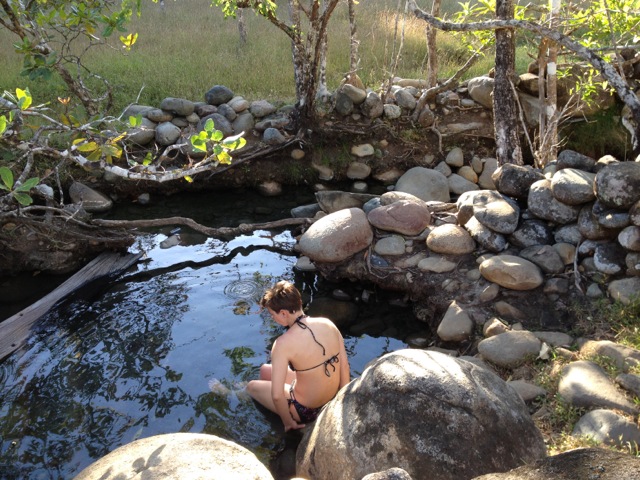
Then taking a chicken bus, I spent three days in the cooler climes of the mountain town of Boquete. While there I climbed the tallest mountain in the country – Volcán Barú. The views were wonderful from the top, but starting the 26km hike at midnight is difficult. So to recover I spent time in some natural hot springs just outside of town.
wpid-img_1631-2014-03-25-19-32.jpg

Costa Rica

San José

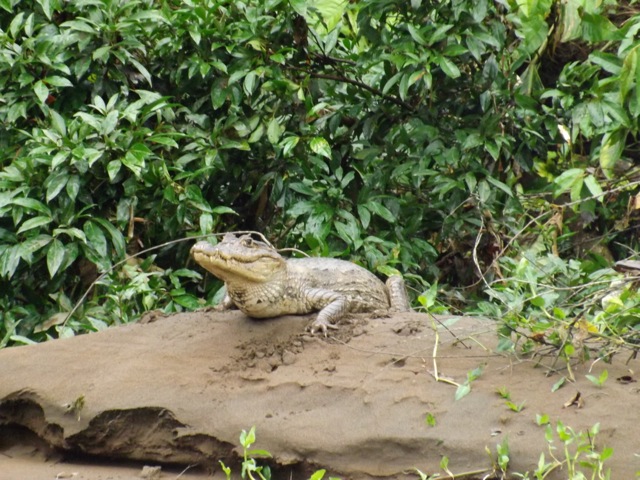
Costa Rica has a reputation for being the most expensive country in Central America. From the capital, San José, I took a tour to the top of a volcano before boating along a river to see monkeys, a sloth, caimans, crocodiles and many different types of birds. It was during this tour that Iguana was served for lunch.
wpid-dscf3195-2014-03-25-19-32.jpg

Liberia

Next I headed north to the city of Liberia from where I visited the beach town of Playa del Coco and a set of waterfalls.

wpid-img_1661-2014-03-25-19-32.jpg

Nicaragua

San Juan del Sur

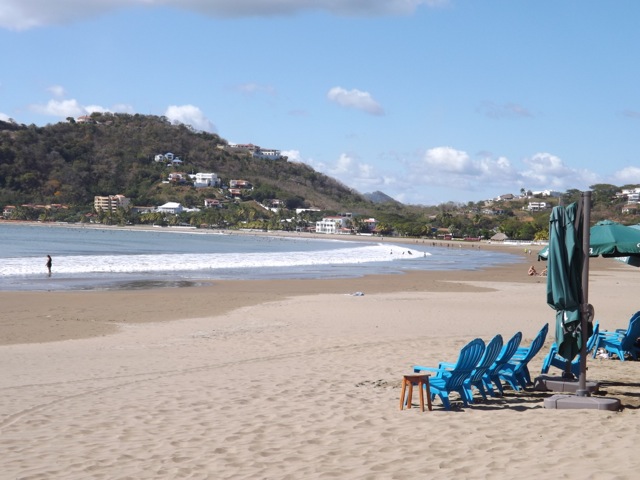
My first stop in Nicaragua was the surf town of San Juan del Sur. A beautiful place to spend a couple of days with bars and beach-front restaurants aplenty. The town even has a statue of Christ atop a hill at the end of the beach.
wpid-dscf3226-2014-03-25-19-32.jpg

Isla Ometepe

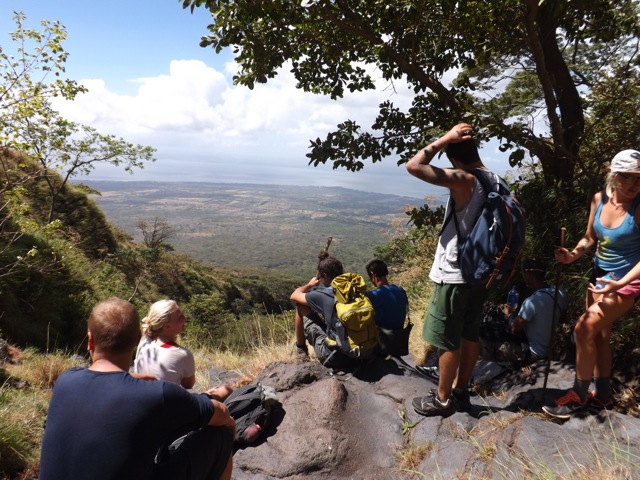
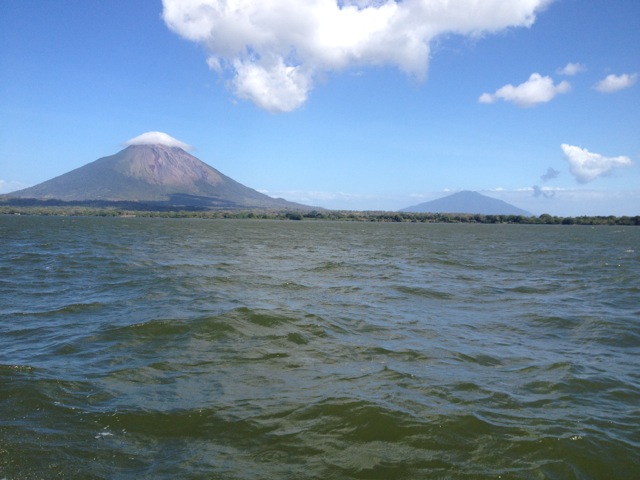
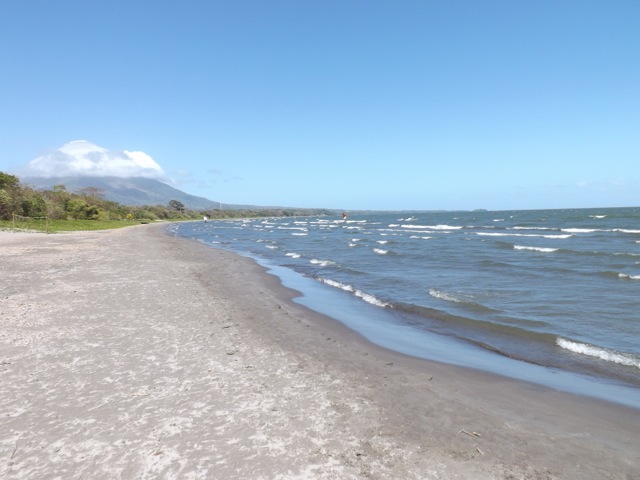
No trip to Nicaragua is complete without catching the ferry across Lake Nicaragua to Ometepe Island with its pair of volcanos. Cruising around the volcanos on a scooter is a lot of fun, visiting beaches, cafés and thermal pools. Both volcanos are climbable and a group of us scaled the largest of the two.
wpid-img_1677-2014-03-25-19-32.jpg

Granada

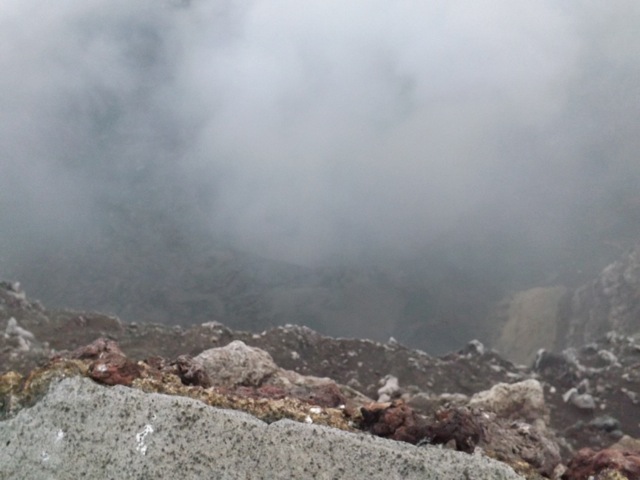
Next, I was on a bus to the touristic city of Granada at the northern end of the lake for some amazing food and a visit to yet another volcano, this one spewing smoke from the crater within its crater.
wpid-dscf3308-2014-03-25-19-32.jpg

León

Then a quick stop off on the city of Léon to go hurtling down the side of an active volcano on a volcano board.

wpid-dscf3378-2014-03-25-19-32.jpg

Honduras and El Salvador

With limited time, I set foot only briefly in both countries, mainly at customs on the borders. San Salvador, the capital of El Salvador seemed nice though for the thirty minutes we stopped there for lunch.

Guatemala

Antigua

Most travellers in Central America rave about Guatemala.  I arrived into Antigua to find another touristic city at the base of another volcano. Unlike other parts of Central America, Antigua has a lot of colonial architecture, although after numerous earthquakes over the centuries, many are in ruins.

wpid-dscf3448-2014-03-25-19-32.jpg

San Pedro la Laguna

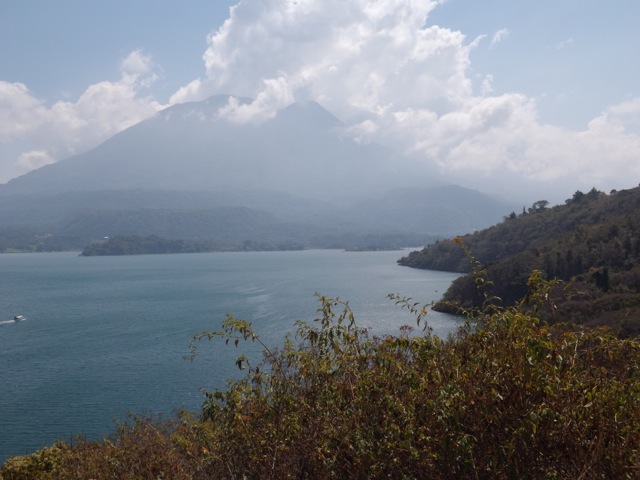
I enjoyed a couple of days in San Pedro la Laguna on Lago Antitla with its thin streets, crazy Tuk Tuk drivers, great small restaurants and amazing lake views.
wpid-dscf3471-2014-03-25-19-32.jpg

Flores and Tikal

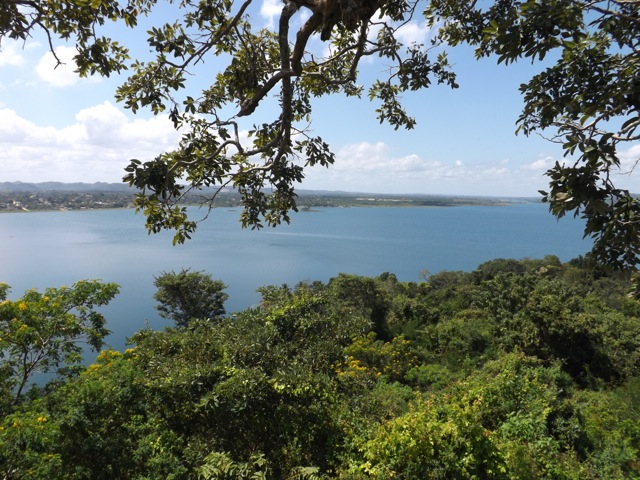
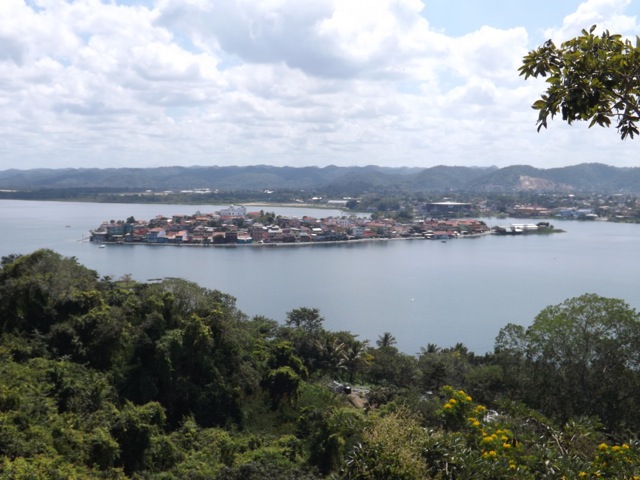
Then after a brief visit back in Antigua, I caught a bus to the north of the country to the island of Flores on Lago de Petén Itzá.
wpid-dscf3654-2014-03-25-19-32.jpg

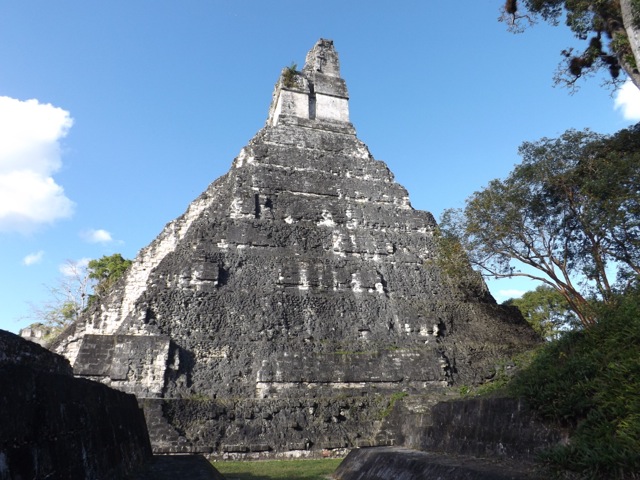
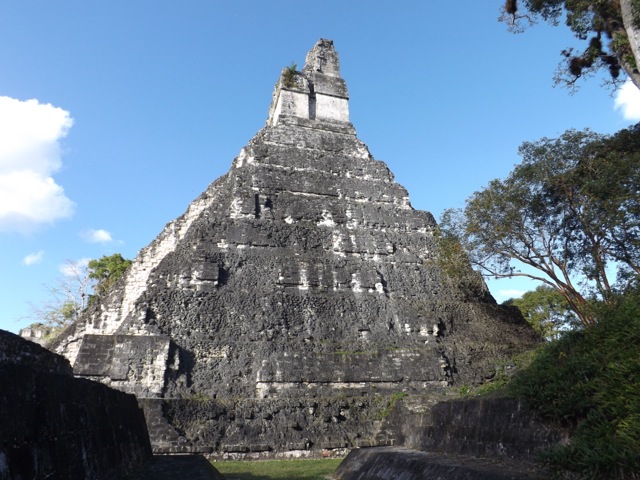
Flores is a tourist destination and gateway to the great Maya ruins of Tikal, where I spent several hours exploring.
wpid-dscf3560-2014-03-25-19-32.jpg

Belize

Caye Caulker

Then on the one year anniversary of my time in Latin America I arrived in Belize, an english speaking country. Staying on the party island of Caye Caulker, I spent some time in the pristine waters snorkelling with Nurse sharks and Eagle Rays, some larger than I am.

wpid-dscf3752-2014-03-25-19-32.jpg

Mexico

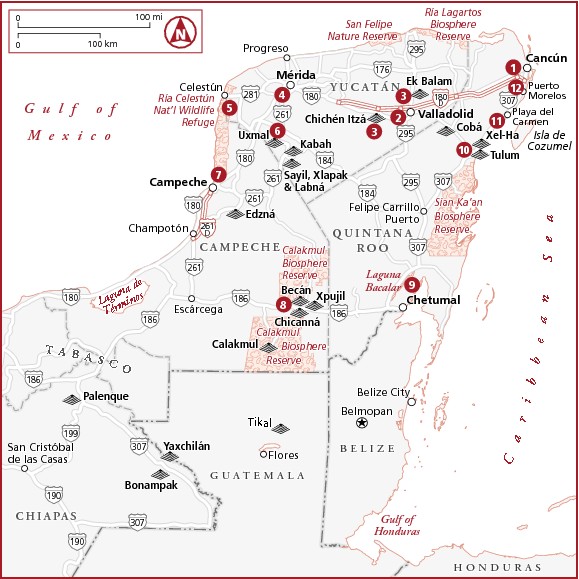
While Mexico is actually in North America I included the southern portions as part of my Central American adventure. From Caye Caulker, I caught a ferry to Chetumal in Mexico and stopped for the night before heading on.

Palenque and Yaxchilán

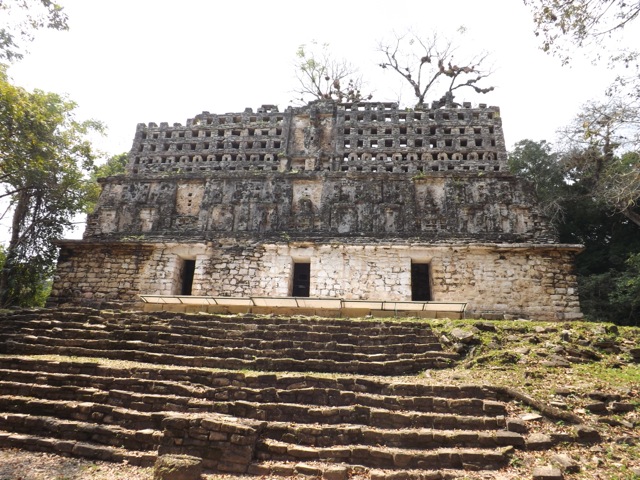
After an eight-hour bus ride I arrived at the city of Palenque to continue The Maya Ruins Trail I began at Tikal. My first stop was the peaceful ruins of Yaxchilán and its connected site of Bonampak on the Guatemalan Border.
wpid-dscf3863-2014-03-25-19-32.jpg

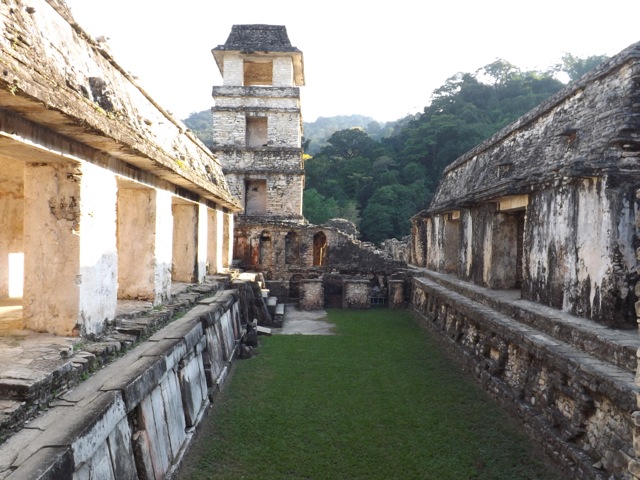
Next it was to the Palenque ruins only twenty minutes out of the city.
wpid-dscf3977-2014-03-25-19-32.jpg

Merida and Uxmal

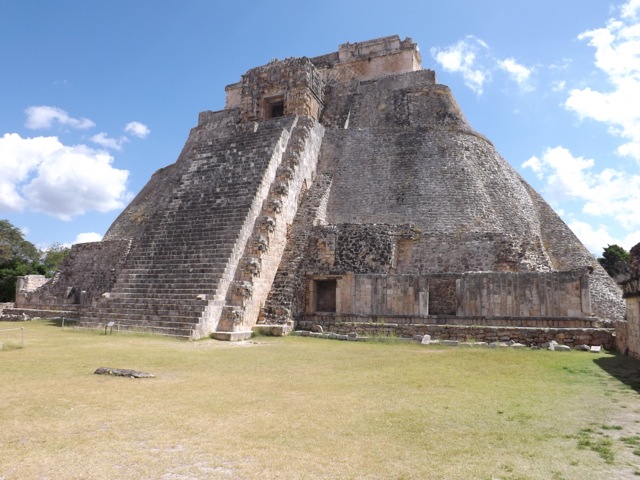
Four hours north in the Yucatán is Merida, a large and popular touristic city and the nearby ruins of Uxmal and one of its satellite cities, Kabah.
wpid-dscf4011-2014-03-25-19-32.jpg

Valladolid and Chichén Itzá

Then it was across to the city of Valladolid to see Mexico’s most visited archaeological site, Chichén Itzá, seen by more people every year than Peru’s Macchu Pichu.
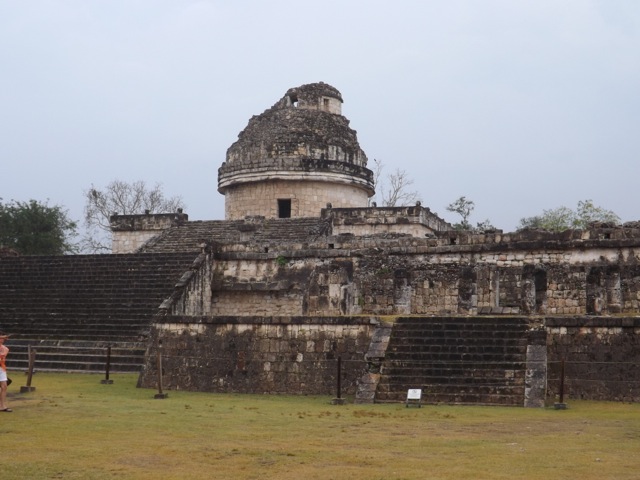
wpid-dscf4176-2014-03-25-19-32.jpg

Tulum

Then it was back to the Caribbean Coastline to the town of Tulum and the Maya fortress of the same name.
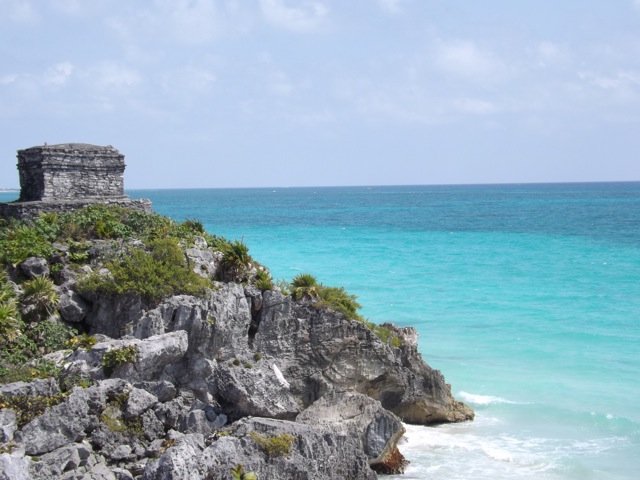
wpid-dscf4233-2014-03-25-19-32.jpg

Cancún and Playa del Carmen

The final distinction in my thirteen month trip through Latin America, Cancún, where I did little more than prepare for my exit from Latin America, but managed a quick visit to the beaches at Playa del Carmen.
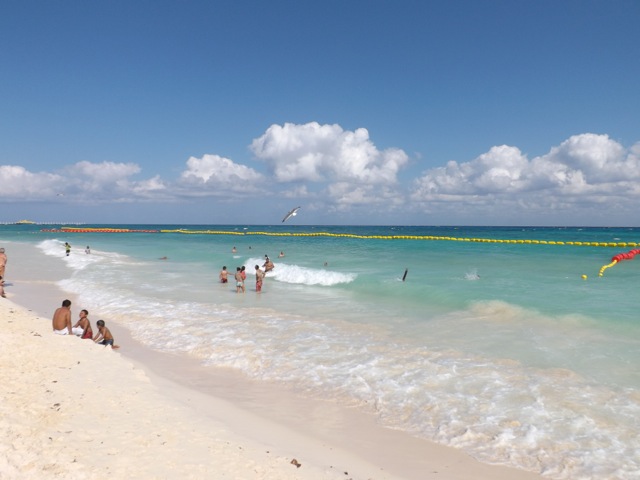
wpid-dscf4270-2014-03-25-19-32.jpg

Next, is a well deserved rest from travelling for six months to save and plan a year through Asia.

Adios America Latina,

The World Wanderer.
Cancún and Playa del Carmen, Mexico – Impressions

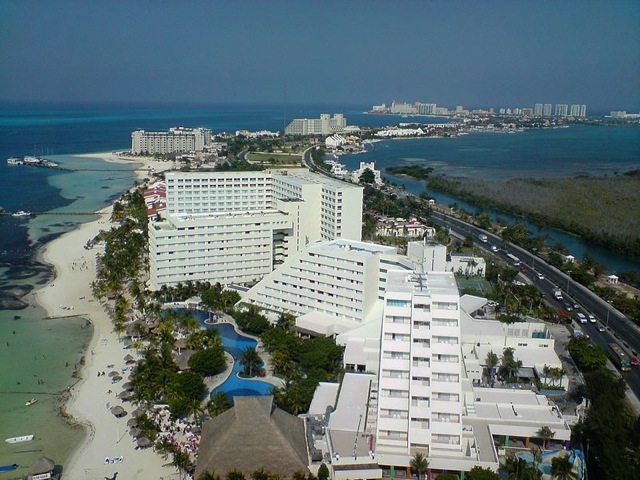
The ultra touristy Cancún at the tip of the Yucatán Peninsula is the final destination of my three-month whirlwind tour of Central America and southern Mexico.

wpid-487303-mp0404twoweeks-2014-03-19-23-30.jpg

Cancun’s main tourist area is Isla Cancún and was created in the mid 1970s by the Mexican government. The island is actually part of the second largest barrier reef in the world, stretching 1000km from the tip of the peninsula along the entire length of Belize to Honduras. Cancún is renown for being one of Mexico’s two most famous resort cities, the other being Acapulco on the Pacific Coast.

wpid-800px-cancun001-2014-03-19-23-30.jpg

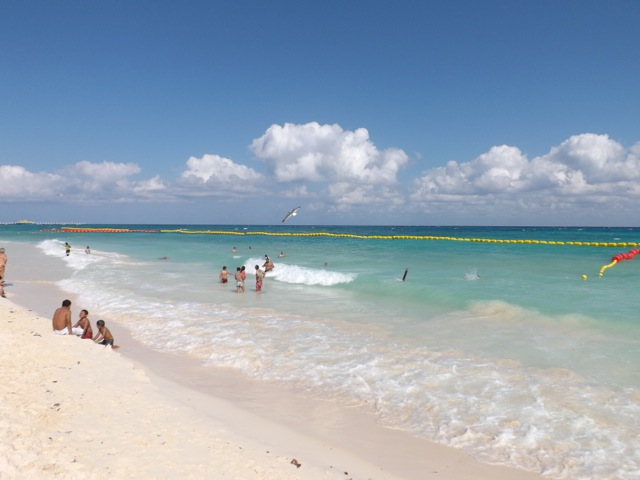
As Cancún was my final destination, I didn’t spend a lot of time exploring the city, instead preparing for my imminent departure. But I did take a day out to travel an hour along the coast to the popular tourist beach, Playa del Carmen.

wpid-dscf4270-2014-03-19-23-30.jpg

It’s easy to see why the beach town is so popular, the golden sandy beaches and clear blue waters are beautiful. And while the beachfront restaurants and resorts are numerous, they’re not as all-encompassing as those in Tulum, and hour further south.

wpid-dscf4267-2014-03-19-23-30.jpg

It’s been a long adventure through Latin America these past thirteen months but I’m ready for a well-earned rest. While the constant traveling has been both amazing and stressful at the same time, I’ll miss the diverse cultures and the beautiful places I’ve visited, not to mention the challenges of constant change that travel evokes. I do look forward to six months of stability before beginning my next set of travels.

For those few who’ve been following my travels, I hope you’ve enjoyed my posts and photos as much as I’ve enjoyed providing them.

Until my next trip,

The World Wanderer.

Caye Caulker, Belize – Impressions

Belize is a small country on the edge of the Yucatan peninsula. Unlike the countries that surround it, where they speak spanish, Belize’s primary language is english. After a year in spanish speaking countries where I couldn’t fully understand the everyday conversations around me, on arriving in an english speaking country it was a little overwhelming. It was like suddenly being able to read the thoughts of everyone around you.

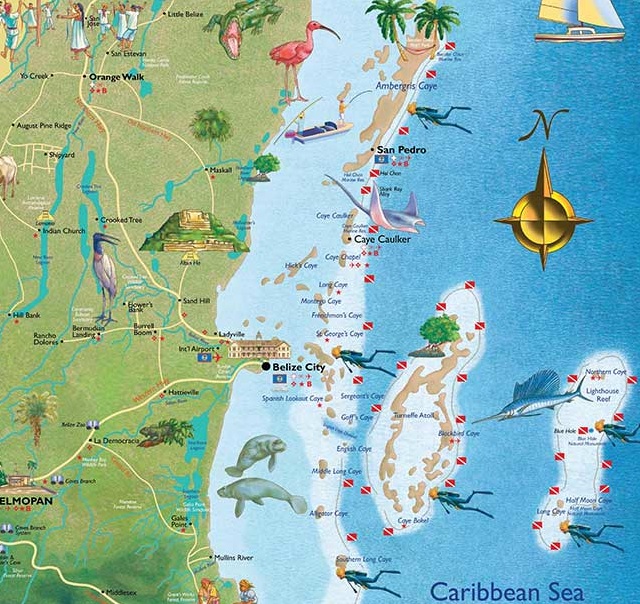
As I’m nearing the end of my Latin American journey, I’ve chosen to spend only three days in Belize and all of that time on the island of Caye Caulker. Thirty kilometres from Belize City by water taxi, Caye Caulker was made popular by hippies travelling through the area in the 1970s. Since then the tourism industry along the coast has blossomed.

wpid-cayecaulker-2014-02-24-15-07.jpg

On first impressions, arriving in Caye Caulker feels like arriving in Jamaica. There’s a strong reggae groove, plenty of locals with dreadlocks wearing rastafarian style clothing and that familiar accent: ‘yeh mon,’ and ‘want some gunga mon.’

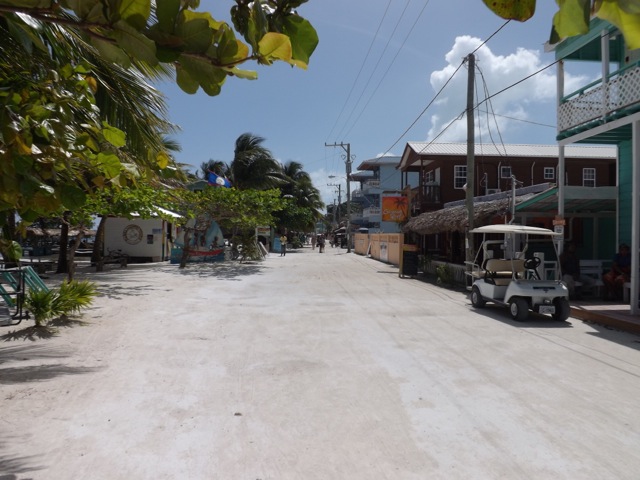
One end of the eight kilometre long island is criss-crossed with white sand roads while the other is still claimed by mangroves. There is an estimated 40 hotels, hostels and boarding houses on the island, with fresh fish on the menu of the many waterfront restaurants.

wpid-dscf3709-2014-02-24-15-07.jpg

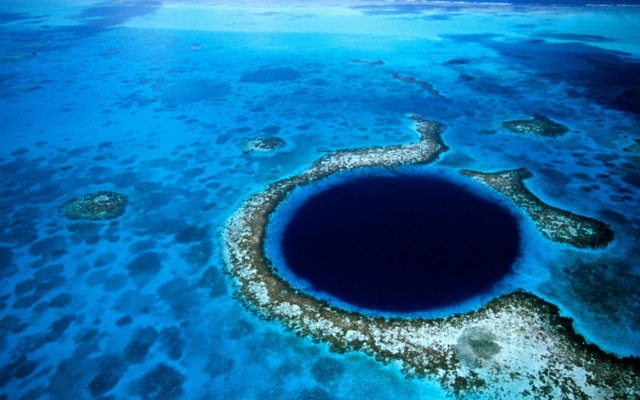
One of the more popular activities in the region is diving with divers hoping to swim in the infamous Great Blue Hole, an underwater sinkhole 300 metres across and 124 metres deep.

wpid-great-blue-hole-belize-13625-2014-02-24-15-07.jpg

But as I don’t dive, I chose to snorkel along the Great Barrier Reef and in Shark Alley. So, booking a tour, I set out with a group of fellow snorkelers for a day in the sun on a boat. And what a day it was… We began in Hol Chan marine reserve where the fish knew our arrival meant feeding time. Schools of large fish swum around the boat as our guide took us on a swim around the reef, spying a lone barracuda, sea turtles and even managing to lure a Moray Eel out from its hole in the rocks.

wpid-p1000167-2014-02-24-15-07.jpg

Along shark alley the Nurse sharks came looking for food. There were probably a dozen of them, some more than three metres long. We were able to ‘pet’ one of them although their scales felt hard to the touch. Then came the Eagle Rays, allowing us to write our names upon their back.

A german girl in a bikini, I mean, a friendly three metre Nurse shark swimming past.

wpid-p1000207-2014-02-24-15-07.jpg

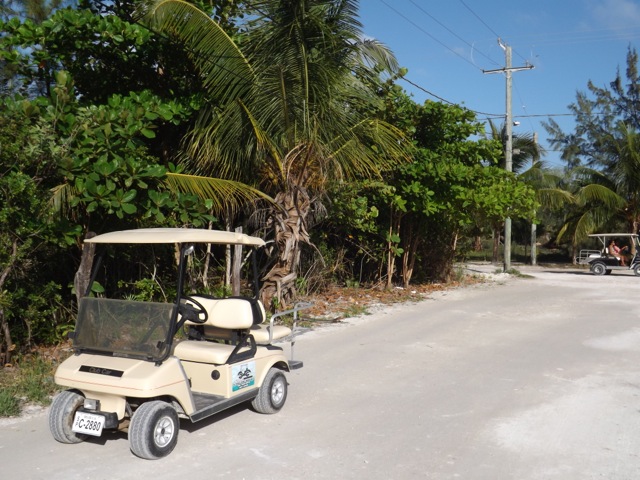
Back on the island, there are several ways to get around. Most people hire cycles and ride around the unsealed, potholed sandy roads but I chose to hire a golf cart, the only powered land vehicle on the island.

wpid-dscf3762-2014-02-24-15-07.jpg

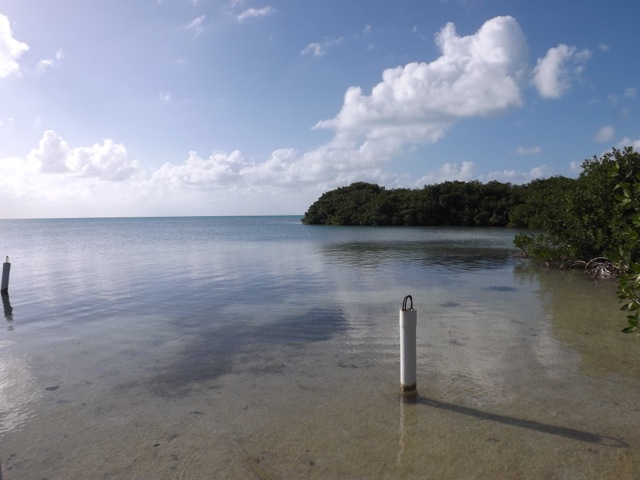
With my ‘wheels’, I toured the quieter end of the island where there were only a few secluded homes and hotels among the plentiful mangroves.

wpid-dscf3752-2014-02-24-15-07.jpg

Overall, Caye Caulker is a great place to spend a few days if you like water activities, seafood, partying or just hanging around with well-tanned beach clad people.

wpid-dscf3733-2014-02-24-15-07.jpg

Next I head into Mexico, my final Latin American country as I follow the trail of the Mayan Ruins.

The World Wanderer

Flores, El Petén, Guatemala – Impressions

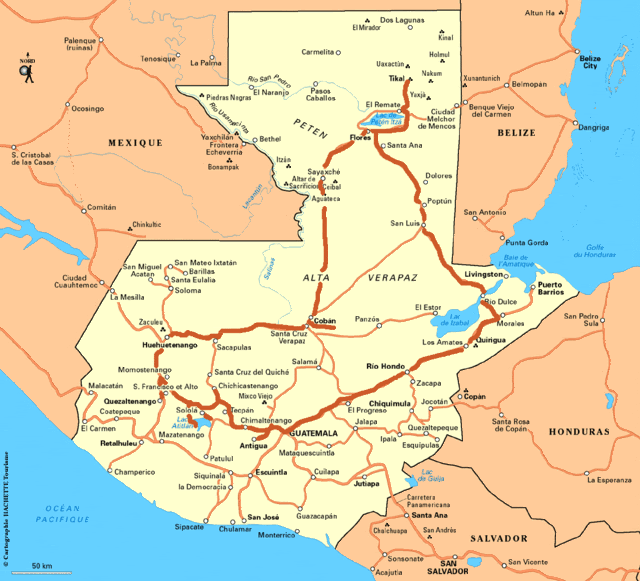
Why the northern province of Guatemala between Mexico and Belize looks like Bart Simpson’s head is anyone’s guess…

wpid-guatemala_map-2014-02-21-18-23.gif

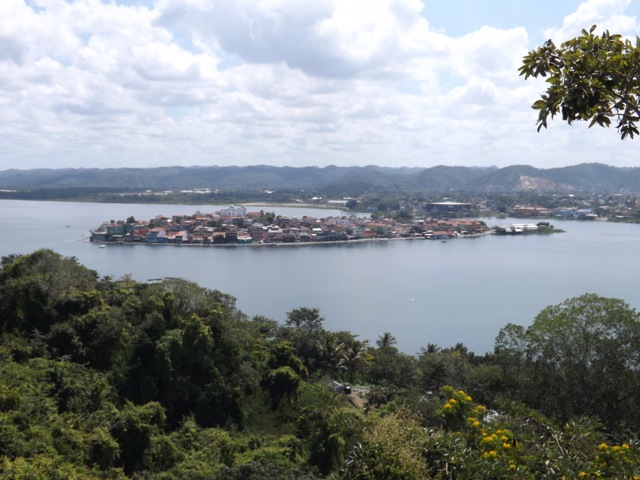
But about where Bart’s eye would be is a lake called Lago de Petén Itzá. And on that lake is the island of Flores.

wpid-dscf3654-2014-02-21-18-23.jpg

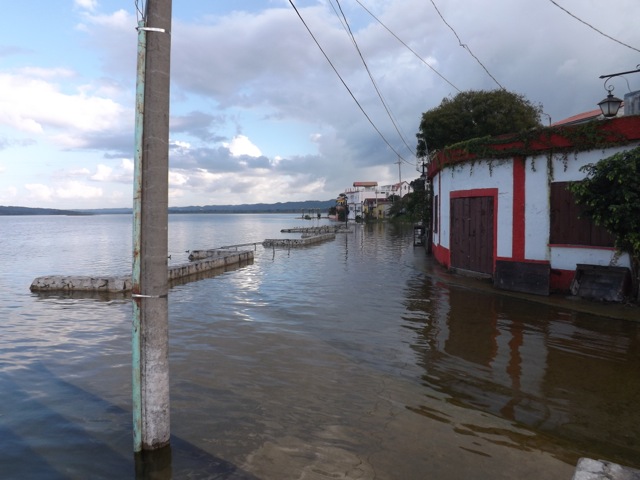
Connected to the mainland by a causeway, Flores is a popular tourist destination with plentiful hotels, hostels, restaurants and bars. The island isn’t that large and is easily walked around in about ten minutes, but unfortunately before my arrival substantial rains had caused the lake’s level to rise, flooding the road that runs around the island in several places.

wpid-dscf3491-2014-02-21-18-23.jpg

But flooded or not, water taxis transport locals and tourists alike from the island to many locations including the small colourful settlements around the edges of the lake…

wpid-dscf3663-2014-02-21-18-23.jpg

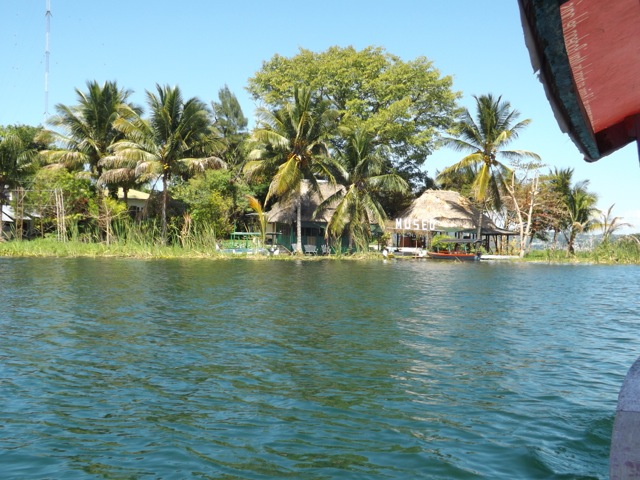
You can also visit the small island of Santa Barbara which holds the local museum, which was unfortunately also flooded when I arrived.

wpid-dscf3643-2014-02-21-18-23.jpg

On one side of the lake is a lookout, which after a stiff climb provides impressive views of both the island of Flores and other portions of the lake.

wpid-dscf3660-2014-02-21-18-23.jpg

A short Tuk Tuk ride from Flores is Las Cuevas Actun Kan, a natural system of caves being set up as a tourist attraction. When I visited the complex, which stretch through many caverns both large and small, I was the only one there. The silence underground and the sometimes misleading signs had me walking in circles, which I’m sure would be nerve-wracking for some, but something I thoroughly enjoyed as I eventually navigated my way out.

wpid-dscf3695-2014-02-21-18-23.jpg

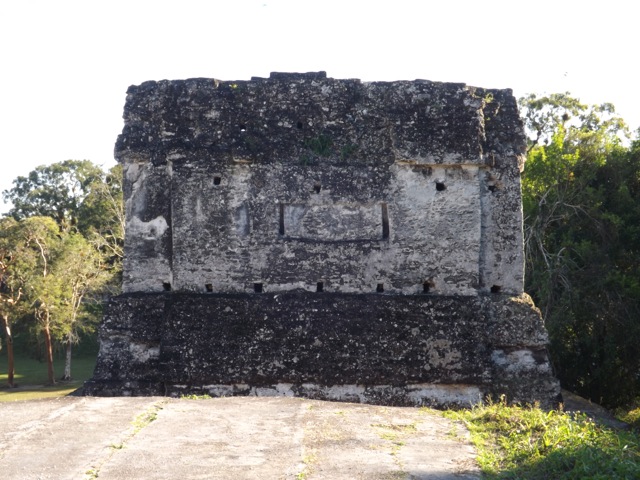
But Flores isn’t the primary reason most people come to this part of Guatemala. Barely an hour by bus north of Flores in the depths of the jungle is Tikal, a set of Mayan temples and ruins dating back before the birth of Christ.

wpid-dscf3567-2014-02-21-18-23.jpg

I chose to take a tour beginning at lunchtime and ending well after dark, walking for several kilometres to various structures in the spread out complex that once housed around ninety thousand people.
wpid-dscf3581-2014-02-21-18-23.jpg

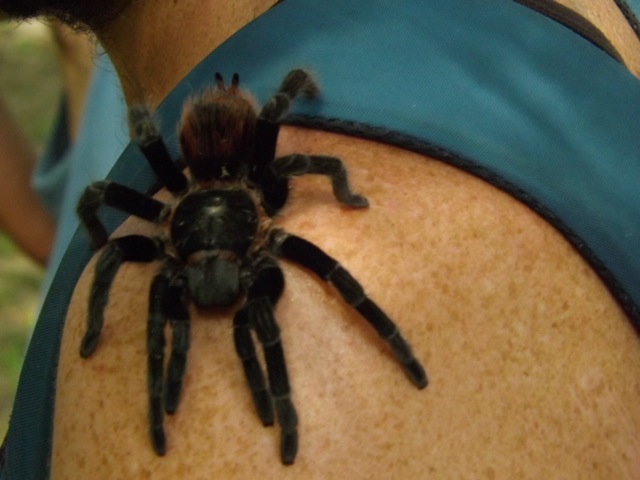
The tour also included encounters with spider monkeys and this cute little guy, a tarantula…

wpid-dscf3528-2014-02-21-18-23.jpg

Then as it began to grow dark we climbed one of the pyramids to watch the sun set across the jungle and the monumental temples rising from the trees.

wpid-dscf3605-2014-02-21-18-23.jpg

The many temples are a wonder to behold and add to the rich history of Latin America in a similar way as the ruins of Macchu Pichu in Peru, Incapirca in Ecuador and Ciudad Perdida in Colombia.

wpid-dscf3560-2014-02-21-18-23.jpg

My visit to Tikal is the first in a series of Mayan ruins I plan to visit in my last weeks in Latin America.

Next, I travel to the island of Caye Caulker in Belize.

The World Wanderer.
Volcán Concepción, Nicaragua

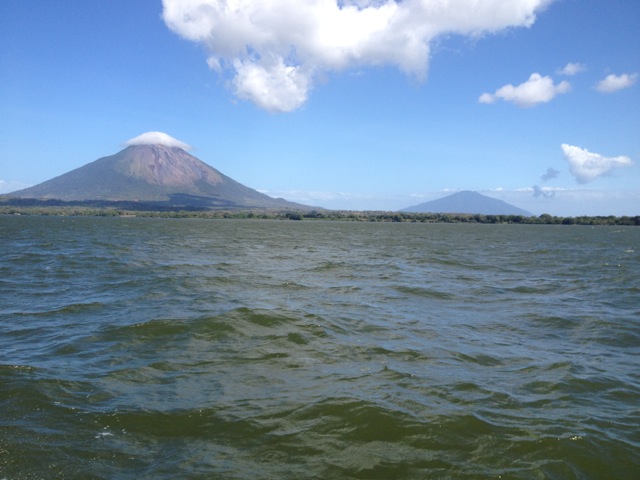
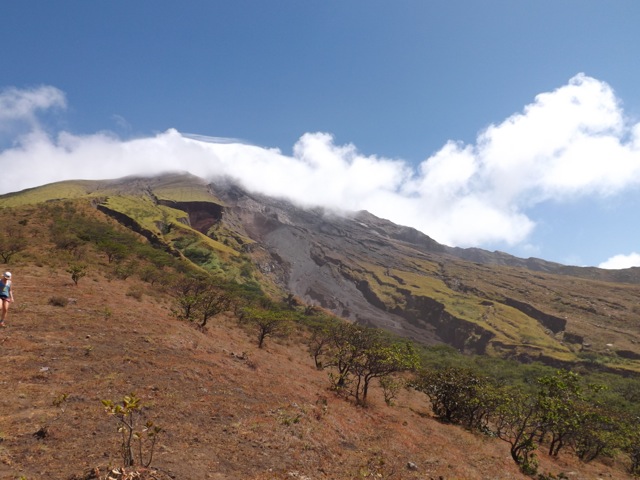
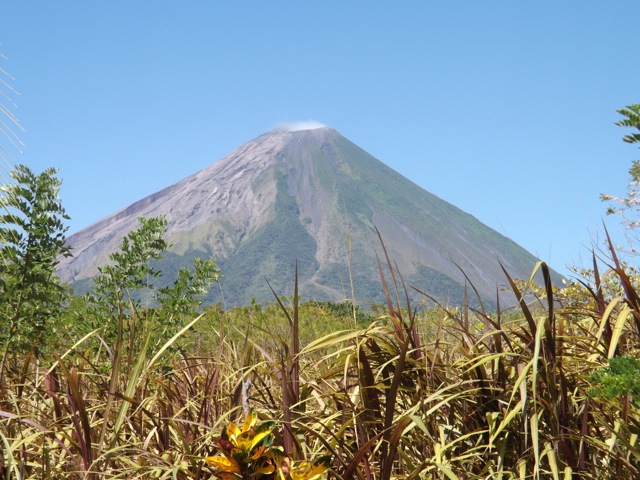
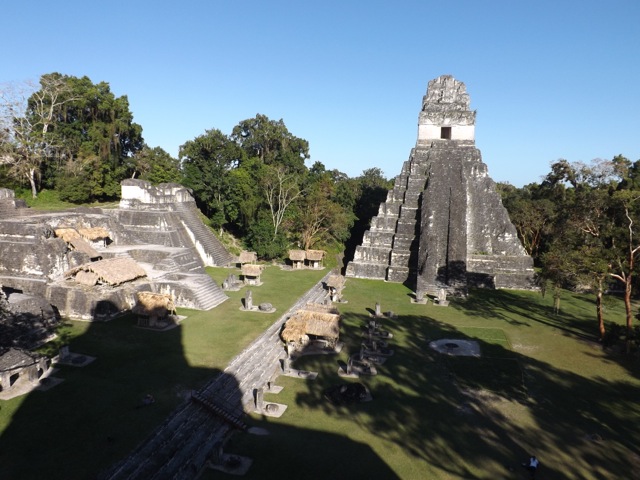
The towering cone of Volcán Concepción on Isla Ometepe looks imposing when crossing Lake Nicaragua towards it. The closer the perspective, the more intimidating the peak, which usually has a cap of cloud atop it…

wpid-img_1677-2014-02-3-13-57.jpg

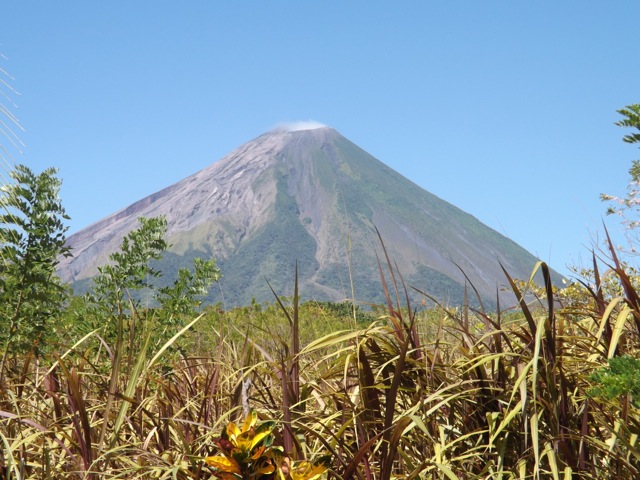
But on the rare occasion when the clouds do disappear the full cone is visible in all it’s splendour. This was how it was the day before we were due to climb it.

wpid-dscf3239-2014-02-3-13-57.jpg

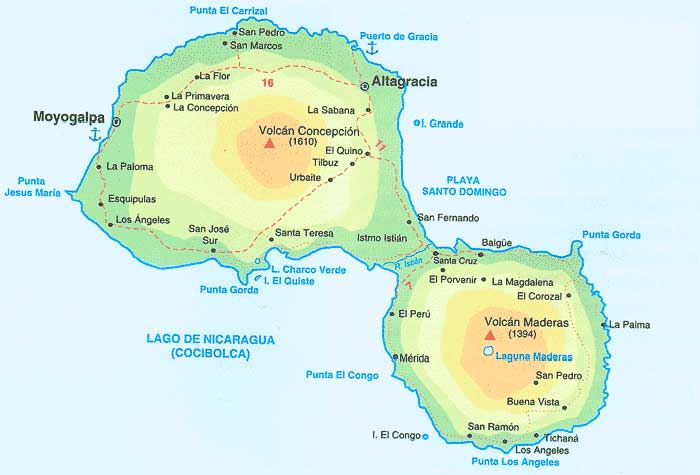
When looking to climb one of the two volcanos on Isla de Ometepe, I’d decided on Volcán Maderas, Volcán Concepción’s little sister. I was told that both volcanoes take the same amount of time to climb, but Volcán Maderas was muddier and less fun. So, eight of us from the hostel booked Volcán Concepción instead. We hoped for another beautifully clear day but we were to have no such luck.

wpid-ome-map700-2014-02-3-13-57.jpg

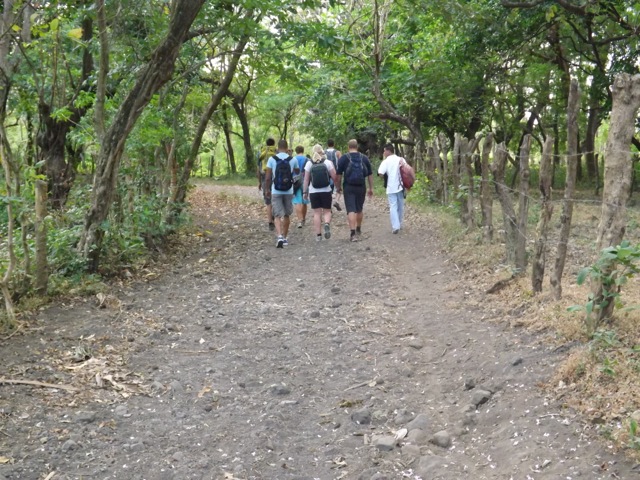
We met our guide during breakfast in the town of Moyogalpa and caught a chicken bus for 20 minutes to the trailhead where we began walking along the trail strewn with rocks and sand.

wpid-dscf3255-2014-02-3-13-57.jpg

We followed the track for 30 minutes, stopping to peer up at a group of Howler Monkey’s in the trees. It’s amazing how much noise these small monkeys actually make.

wpid-dscf3257-2014-02-3-13-57.jpg

The trail abruptly became steeper and our climb began. The trail began fairly steeply through the trees on roots and dirt steps. While the climb wasn’t overly hard, it seemed harder because of the humidity. We stopped regularly for 5-minute breaks, although there were no views available through the trees.

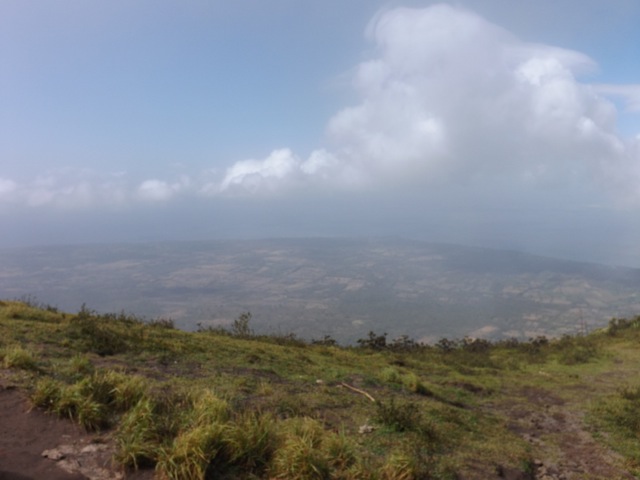
The only forewarning we had of coming to the tree line was the cool wind, a godsend in the humidity. When we did break the tree line we emerged into the clouds which again obscured our view. We stopped in a windy spot to decide our next course of action and managed to get a cloudy shot of the island below us.

wpid-dscf3258-2014-02-3-13-57.jpg

Then came the difficult decision: continue climbing to the top covered in cloud the entire time with no visibility or head down to a more scenic viewpoint. We decided to climb a little further but after ten minutes and being battered by cold winds in the dense clouds we turned back, deciding to take the scenic path instead. This upset two of the climbers, both of whom wanted to get to the top no matter what.

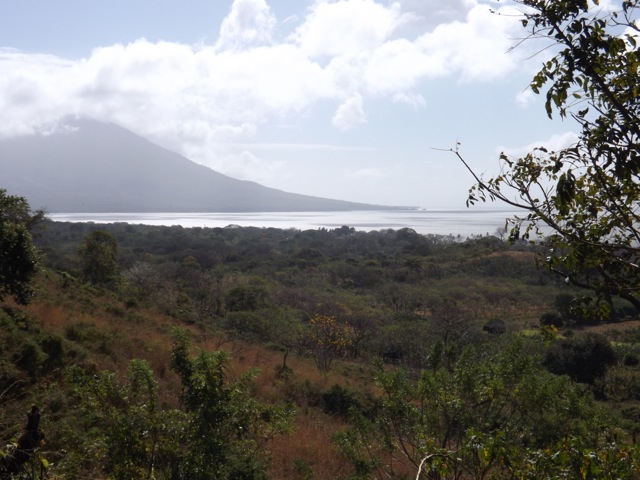
We followed a thin trail around the side of the volcano and dropped below the cloud line to a point where we could finally get some decent photographs of the island below and the lake around it.

wpid-dscf3268-2014-02-3-13-57.jpg

We continued climbing around to a large crack running down the volcano where lava had flowed years earlier. We took a break on the hardened lava.

wpid-dscf3270-2014-02-3-13-57.jpg

The lower we climbed, the more the mainland of Nicaragua could be seen on the other side of the lake and beyond that in the distance, the Pacific Ocean.

wpid-dscf3271-2014-02-3-13-57.jpg

As we neared the bottom, we looked back up the great crack in the side of the mountain.

wpid-dscf3274-2014-02-3-13-57.jpg

And because we hadn’t come back down the same way we’d climbed, we had to walk ninety minutes back across the island to Moyogalpa.

Overall, the hike was not as difficult as expected, although it may have grown more so had we pushed on through the clouds to the top. I’m not unhappy to not have made it to the top, as without pictures it would have been an empty victory.

The Lone Trail Wanderer

Isla de Ometepe, Nicaragua – Adventures by Scooter

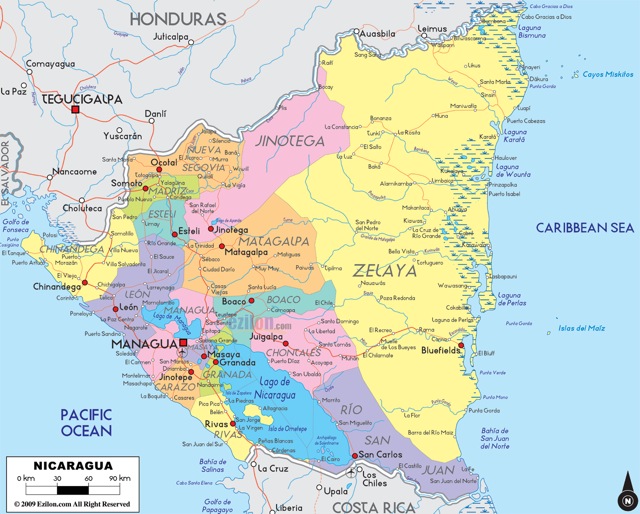
Lake Cocibolca (also known as Lake Nicaragua) is the 19th largest lake in the world taking up about 7% of the country’s land mass.

wpid-political-map-of-nicaragua-2014-02-2-17-24.jpg

Easily visible from the lake’s western shore, the largest island on the lake, Isla de Ometepe, is home to two volcanic cones, Concepción and Maderas. It’s these two volcanoes that bring much of the tourism to the island.

wpid-img_1677-2014-02-2-17-24.jpg

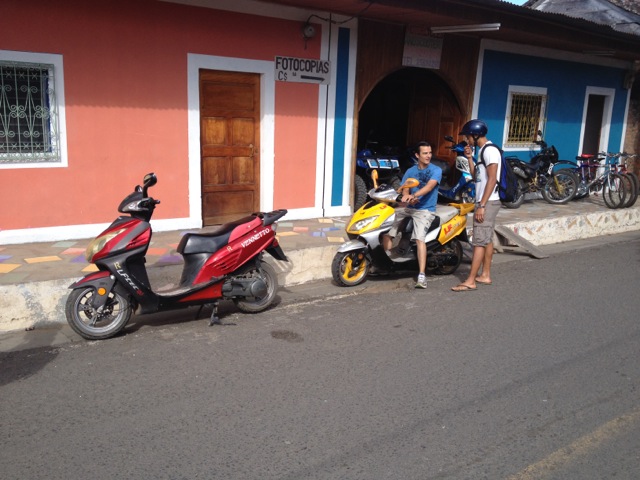
There are several ways to get around this 31km long island: by bus, bicycle, scooter, dirt bike or quad bike. While the bus doesn’t go very often, the bicycles can be rough on the hills, the dirt bike requires a prior riding history and the quad bikes were expensive, my friend from the hostel and I chose the scooters.

wpid-img_1688-2014-02-2-17-24.jpg

After picking up the scooters we decided to ride to the end of every paved road on the island before going to any of the attractions. It’s exhilarating riding down hills at a top speed of 90km/h with the wind flowing madly past, then screaming to halt at the many speed humps across the island, some taking us by surprise as they were unpainted. With the threat of having to pay for any damages, including scratches, we were overly careful.

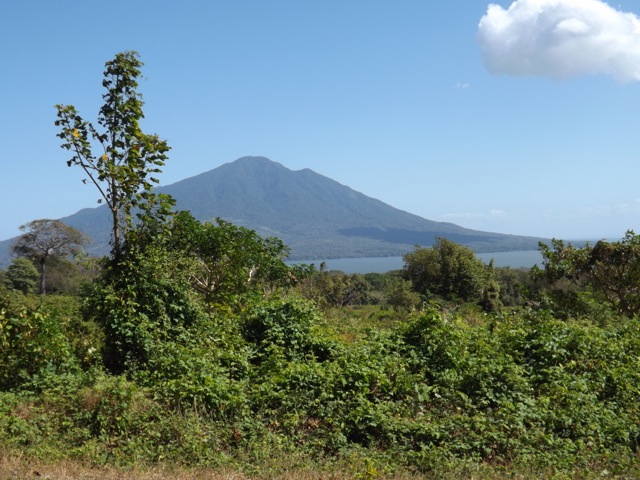
As we rounded the island we stopped to take in the view of Volcán Maderas still covered in clouds.

wpid-dscf3229-2014-02-2-17-24.jpg

It took only 90 minutes to ride all of the paved roads. The first of the island’s attractions was windblown Santo Domingo Beach with a kite surfer and a cloud drowned Volcán Concepción in the background.

wpid-dscf3231-2014-02-2-17-24.jpg

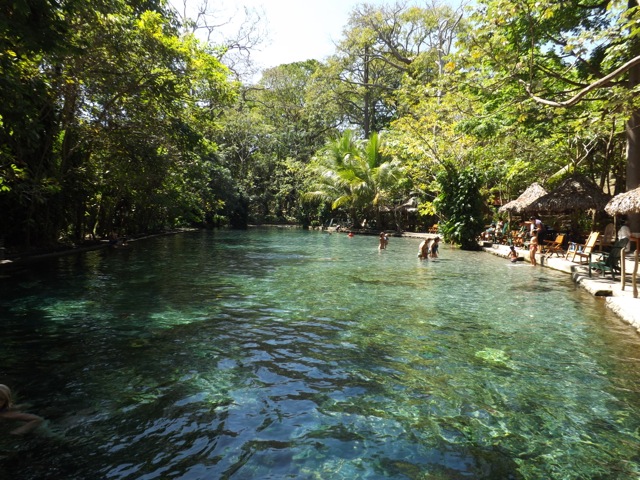
Next we stopped for a swim at Ojo de Agua – Eye of Water, a natural spring pool on the flat area between the two volcanoes. While the water wasn’t as warm as expected, it wasn’t too cold either. Great for a swim on a warm day!

wpid-dscf3236-2014-02-2-17-24.jpg

As we rode, the clouds cleared completely from the volcanos for the first time in 2 months. Volcán Maderas which last erupted more than 3000 years ago…

wpid-dscf3238-2014-02-2-17-24.jpg

And Volcán Concepción, erupting last in 1986…

wpid-dscf3239-2014-02-2-17-24.jpg

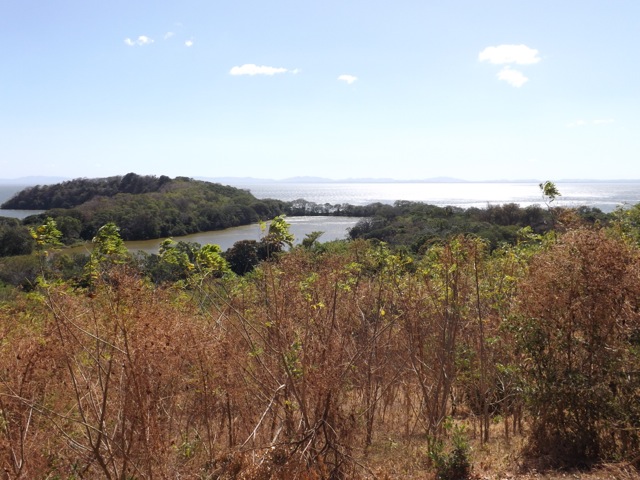
On the way back to town we stopped at the Conservation Park ‘Charco Verde’, and climbed a hill to get a view of Laguna Charco Verde, the largest lake on the island on the lake.

wpid-dscf3240-2014-02-2-17-24.jpg

Then as we walked around the laguna we came across a family of monkeys high in the trees…

wpid-dscf3245-2014-02-2-17-24.jpg

Lastly, we found our way to Punta Jesus Maria for a relaxing beer at the end of a great day.

wpid-ni6a6e1-2014-02-2-17-24.jpg

After an hour at the beachside, we drove back to town, dropped off the bikes and headed to the hostel for another beer.

There were more places on the island we could have visited, but most were inaccessible to our scooters. These included other beaches, a waterfall, and several other towns. But even though we missed them, we still had a full day and enjoyed the experience.

Next, we climb the cone of Volcán Concepción.

The World Wanderer

San Juan del Sur, Nicaragua – Impressions

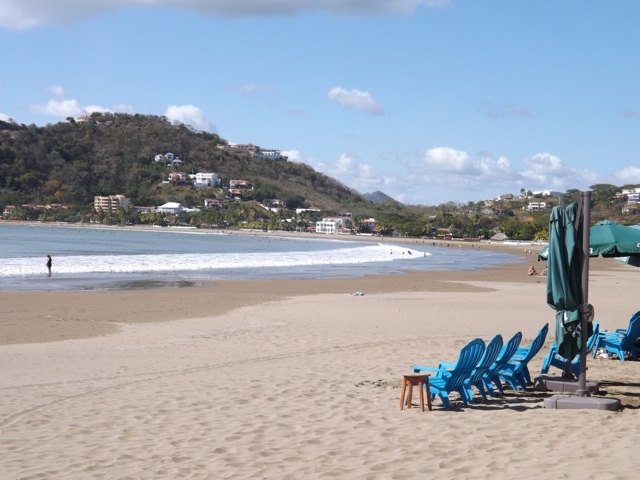
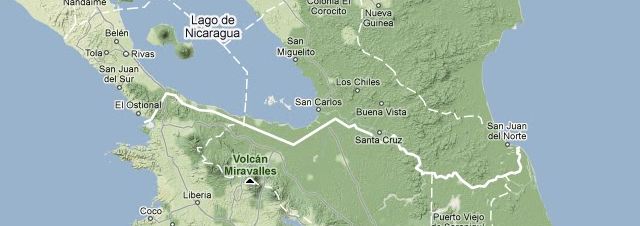
Thirty kilometres north of the Costa Rican border on the Pacific Coast is the beach town of San Juan del Sur (San Juan of the South). The town is known to tourists as San Juan del Surf because of its proximity to several good surf beaches.

wpid-dscf3226-2014-01-28-14-37.jpg

The oddity of the name is apparent when you realise that San Juan del Norte (San Juan of the North) – situated on the Caribbean Sea, is actually further south.

wpid-costanicaoverview-2014-01-28-14-37.jpg

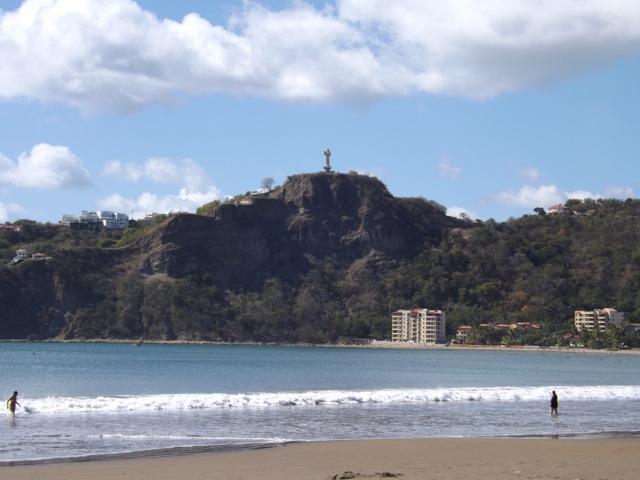
For over 130 years San Juan del Sur was a little backwater town in southern Nicaragua, then in 1992 a tsunami destroyed a large portion of the town. Its recovery was helped greatly by the ‘gringo’ invasion, with many migrants arriving from the US, Britain and Canada. Scattered throughout the surrounding hills are many mansions and resorts…

wpid-dscf3218-2014-01-28-14-37.jpg

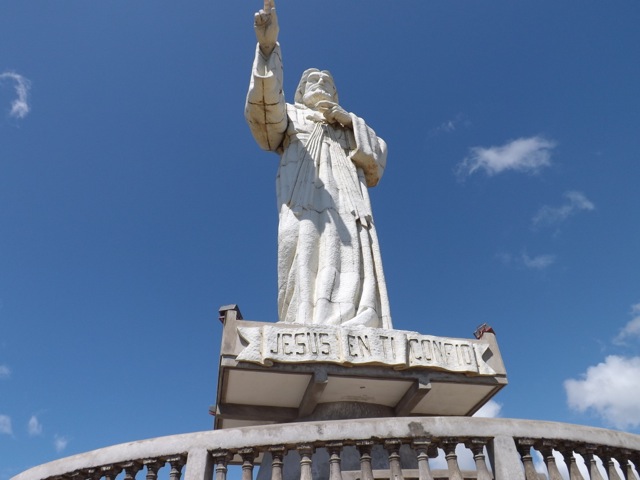
At the northern end of the cove is the statue of Jesus de la Misericordia – Christ of Mercy.

wpid-dscf3225-2014-01-28-14-37.jpg

It’s one of 17 giant statues of Christ throughout the world. The most famous being Christ the Redeemer in Rio de Janeiro, Brazil. La Paz, Bolivia has the tallest at 34m, while San Juan del Sur’s Jesus de la Misericordia is the 9th tallest at 26 metres tall.

wpid-dscf3209-2014-01-28-14-37.jpg

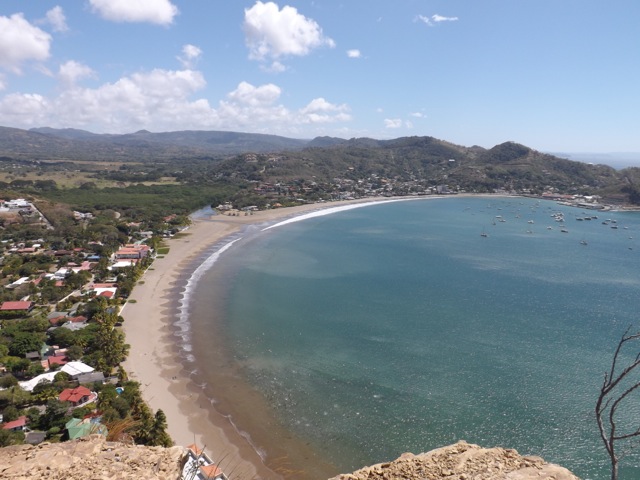
Climbing the hill to the statue is fairly easy, a cobbled road weaves it’s way to the top. While it’s steep at points, it’s not too strenuous and gives great views of the cove and township.

wpid-dscf3210-2014-01-28-14-37.jpg

Beyond surfing and swimming, the nightlife is the other main focus of the town as there are many beachfront restaurants and bars. As a large portion of the tourists visiting are in their 20’s, there are plenty of party hostels with raucous parties raging on until the wee hours most nights. But don’t let that put off the older traveller…

wpid-img_1674-2014-01-28-14-37.jpg

Overall, the beach town of San Juan del Sur is a great way to spend a couple of days, the surf town vibe is relaxing and fun.

Next, I head to Isla Ometepe, an island made up of twin volcanos in on Lake Nicaragua.

The World Wanderer

Volcán Barú, Panama

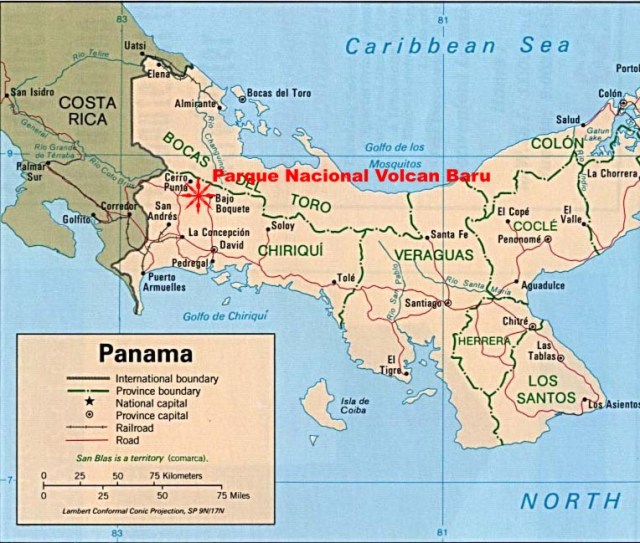
Barely 37km from the border of Costa Rica is Panama’s tallest mountain, Volcán Barú. At just under 3,500m, it’s still considered high altitude but is really just a molehill compared to 6,000m tall mountains of Andes. Volcán Barú is commonly climbed for the rare possibility of seeing both the Pacific Ocean to the south and the Caribbean sea to the north. It’s rare because the view to the Caribbean is often blocked by a layer of clouds.

wpid-101405669-idpllmbm-panama-2014-01-17-22-32.jpg

There’s two ways to the top of Volcán Barú, either taking a 4×4 vehicle tour or to hike. The hike is difficult and long at 13km from the trailhead to the peak (with a 1,750 climb in altitude) before 13km back again. What makes it a challenge is most people begin climbing at midnight, aiming to see the sunrise from the summit after walking 6 hours in the dark. Hiking 26km makes for a long day at the best of times, but beginning at midnight makes it just nasty. I even tried to nap in the afternoon, but only managed an hour, which was nowhere near enough.

wpid-dscf3124-2014-01-17-22-32.jpg

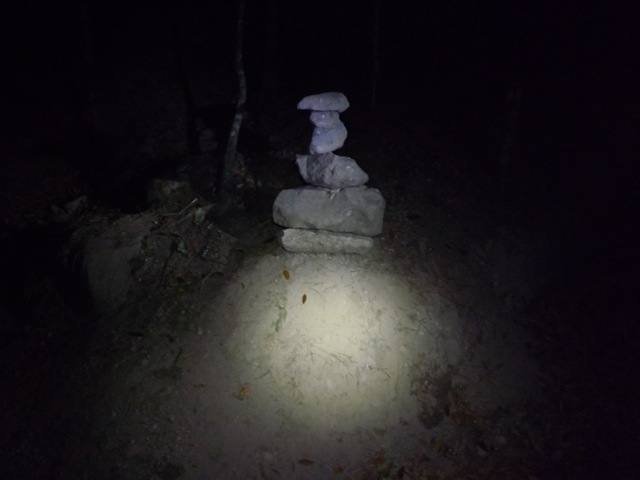
Getting to the trail head is fairly easy, with one of the hostels offering transport for US$5. Then after a very short briefing, we were pointed off along a wide track and told to just keep climbing no matter what forks in the trail we see. Except for 3 short descents, the 13km was a steady climb along the wide rocky trail. When you’re hiking at night all you have is your head torch and the ground directly ahead of you to look at.

wpid-dscf3128-2014-01-17-22-32.jpg

We were lucky to be walking under the full moon, so it wasn’t always necessary to use the head lamps. But even in daylight there would be little to see, as there are trees along both sides of the trail. We did come to several locations where we looked down upon the township of Boquete. The lights were beautiful but fleeting and too distant for good photos.

Getting to the summit for sunrise was not my aim, so I took is more slowly. When sunrise did hit, I was still half a kilometre from the summit but was able to watch it, seeing the same view as I would have from the top.

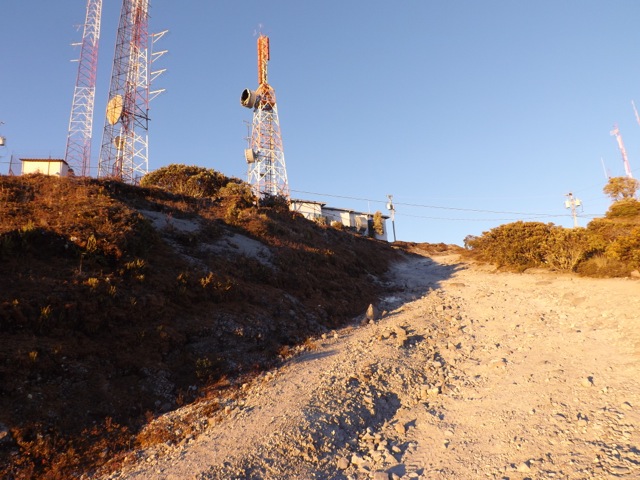
Unfortunately it was around this point where altitude sickness struck. It felt like someone had split my head in half and prodded at the insides with their fingers. As I climbed the last of the trail to the radio tower buildings at the top it grew worse and I started to feel ill.

wpid-dscf3132-2014-01-17-22-32.jpg

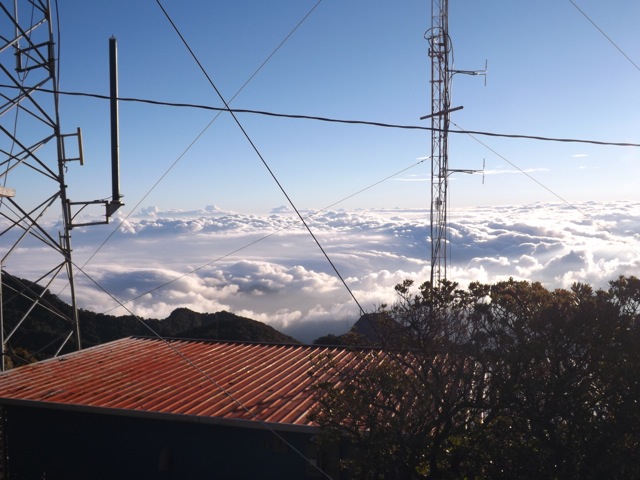
The last 500 metres was steeper than the rest and when I made it to the top I found the howling wind rough. I found a secluded spot and put on some warm clothing. When dressed, I looked around the buildings and took photos of the surrounds.

To the south was the city of David and the islands in the Gulf of Chiriqui beyond.

wpid-dscf3137-2014-01-17-22-32.jpg

To the west, Costa Rica.

wpid-dscf3138-2014-01-17-22-32.jpg

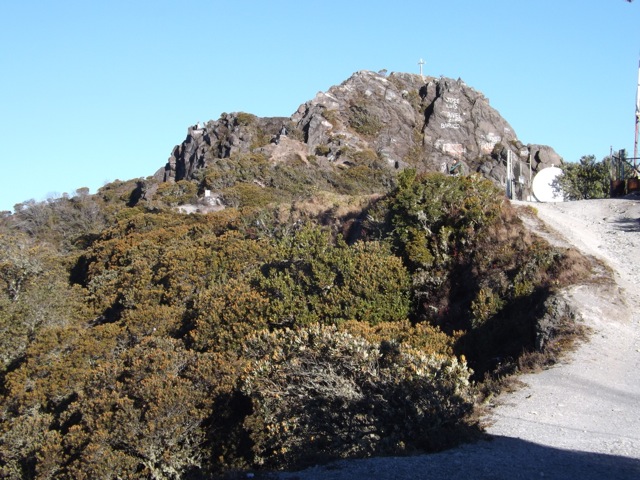
On the other side, I discovered the buildings were not at the absolute summit, as there was a rocky outcrop that climbed perhaps 30m higher. To get to the top was a rocky scramble, but with the state of my head and stomach I decided against it. The cross on top is the highest point in the country.

wpid-dscf3140-2014-01-17-22-32.jpg

From the northern side of the summit I was out of luck with seeing the Caribbean sea but instead clouds fading away into the distance.

wpid-dscf3136-2014-01-17-22-32.jpg

While I sat huddled out of the wind, one of the girls from my hostel found me and sat with me while I brewed a cup of tea using my hiking stove.

The walk down was very long but straightforward. The trail descends for most of its length except for three points where it climbs. Half way up the first and longest of the three climbs, my tiredness gave out and I lay down on a large rock for a power nap, letting my friend walk on alone. I woke forty minutes later slightly refreshed and no longer feeling the altitude.

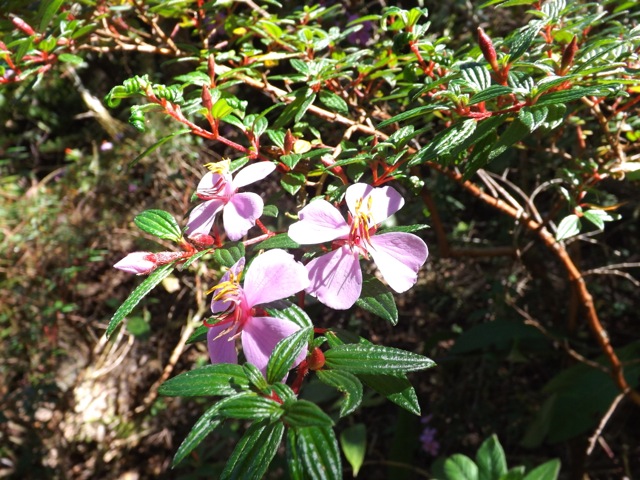
The rest of the walk was more of a stagger although I did manage to catch my friend again. We discovered there were many wild flowers growing along the trail but was too exhausted to take photos beyond this one…

wpid-dscf3141-2014-01-17-22-32.jpg

We passed some of the lookouts and caught daylight glimpse of Boquete…

wpid-dscf3143-2014-01-17-22-32.jpg

We eventually made it to the end of the trail and exhausted, booked a taxi through the ranger before being whisked away back to the hostel for a shower and a well deserved sleep.

Overall, the hike up Volcán Barú was okay. I would have enjoyed it more if I hadn’t suffered altitude sickness at the end and if we’d started at a more reasonable time. While walking at night was fine – it’s cooler out of the sun and there isn’t much to see anyway – the main difficulty is the length. To make the hike more enjoyable, I would make it a two-day hike, camping just below the summit, climbing to see the sunrise early on morning two before the long walk back again.

The Lone Trail Wanderer.
Bocas del Toro, Panama – Impressions

Not far from the Costa Rican border on the north-west Caribbean coast of Panama is Bocas del Toro. Meaning ‘Mouths of the Bull’ in spanish Bocas del Toro is one of Panama’s primary holiday destinations for both locals and travellers alike.

Bocas del Toro refers to many places: first the province, then the archipelago within the province and the provincial capital on Islá Colón, which is also known as Bocas Town. The island is named after Cristóbal Colón, the spanish name for Christopher Colombus, who visited the islands in 1502 looking for a way through to the Pacific.

wpid-700px-bocas_del_toro_archipelago_map-2014-01-9-17-48.jpg

Getting to Islá Colón is easy, either catch a 30-minute water taxi across the bay from the town of Almirante or fly in from the Costa Rican capital, San Jose. You can’t miss Bocas Town when crossing the bay as most of the shoreline around the town is utilised by hostels, bars and tour operators.

wpid-dscf3112-2014-01-9-17-48.jpg

The town itself feels very much like you’re in a surfing town. January being high season, the town is bloated with tourists, most of them early to mid-twenties, surfboard clad and heavily tanned.

wpid-dscf3091-2014-01-9-17-48.jpg

I call Panama the 51st state of the US, not only because there are so many americans here or that the US dollar is the currency, but because most people speak english, in a U.S. accent. Bocas del Toro is no different, with its upmarket hostels, shops and eating places, including a fantastic indian restaurant that I just had to visit twice.

While on Islá Colón, one of the easiest way to see the islands is via a sailing tour. They take a group out on a pair of catamarans to several choice spots around the islands.

wpid-p1000073-2014-01-9-17-48.jpg

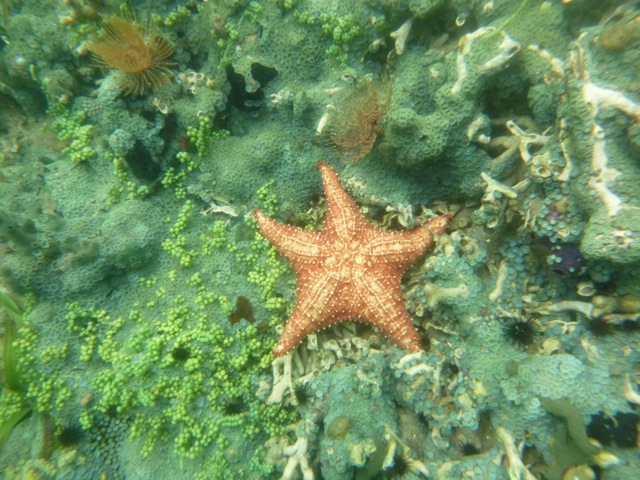
This included two different snorkelling spots, which would give me the opportunity to test out my new underwater camera. The first part of our mini cruise was to a bay they have nicknamed Dolphin Bay because of the dolphins that come to play around the boats.

wpid-dscf3106-2014-01-9-17-48.jpg

Then it’s off to the first snorkelling spot. Flippers aren’t really needed as the water is not deep and you float around a coral reef surrounding a mangrove island in a place they call Starfish Bay.

wpid-p1000047-2014-01-9-17-48.jpg

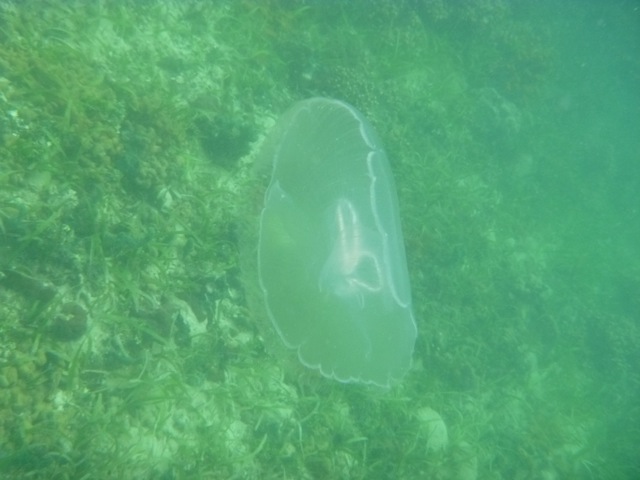
While there I swam with a pair of jellyfish. Cool to look at under the water, but I wasn’t letting them get too close.

wpid-p1000058-2014-01-9-17-48.jpg

The water was not the clearest, but at our second spot, there were more coloured fish and I got some shots of the brightly coloured coral.

wpid-p1000063-2014-01-9-17-48.jpg

There are several beaches on the islands that are well visited by tourists, but at an expensive US$5 to get to the sand, I decided against going.

For the three days I spent on the island, I managed to stay in three different hostels. On arrival, I discovered the hostel I wanted to stay at was full (you can’t prebook online), so I booked in for the next two days and went searching for another hostel. The following day I discovered my booking was no longer there. This time they located another hostel for me and ensured I would get a bed the following night. On the third day I finally got the bed I wanted and spent the day just relaxing on the side of the channel.

wpid-p1000110-2014-01-9-17-48.jpg

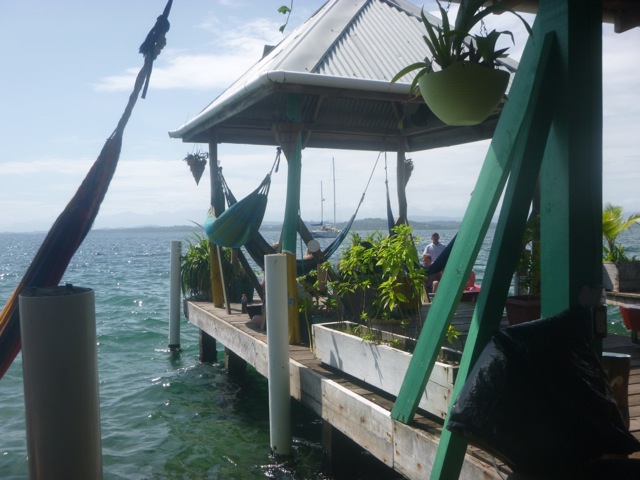
During the midday hours it gets rather hot in Bocas del Toro, even in winter, but all you need do is roll out of the hammock and into the sea to cool down. Then in the evening they set up a band and we rocked out to the sounds of Sublime, Blink 182 and the Red Hot Chili Peppers.

Next, I head back to David for the night, then up to the town of Boquete, a tourist town in the mountains.

The World Wanderer

Looking Back, Part 3 – Northern South America

Peru

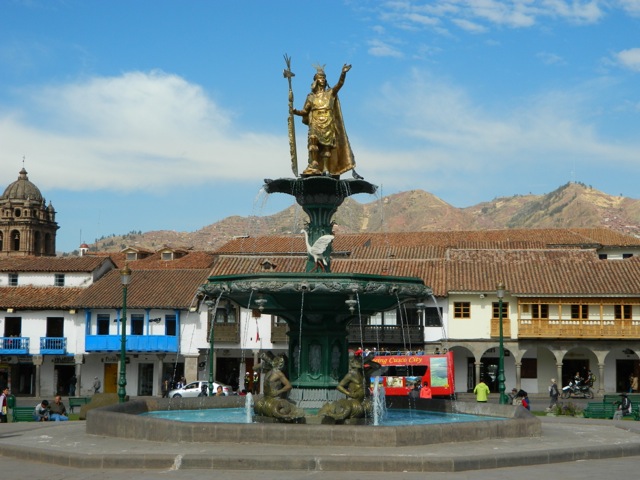
As I left Bolivia I made my way around Lake Titicaca and along the Andes to Cusco, capital city of the Inca Empire more than 600 hundred years ago. Cusco was built in the image of the Puma, a holy symbol of the Incas.

wpid-dscn3270-2013-12-22-17-56.jpg

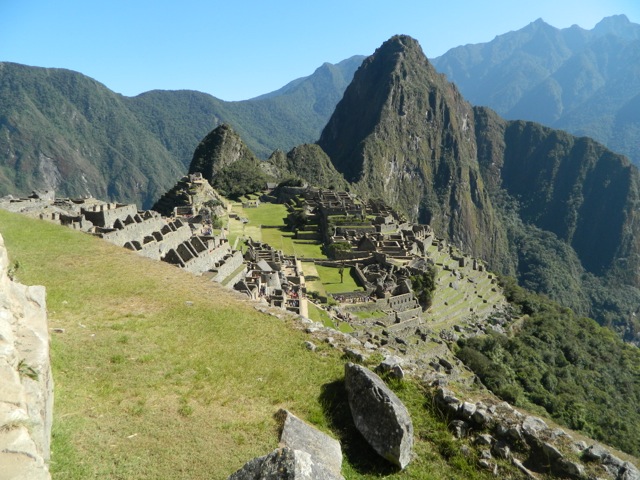
Cusco’s a popular tourist destination because of it’s closeness to Machu Picchu. To get to the ruins many people walk one of the expensive hikes in the region: the infamous Inca Trail, The Salkantay Trek or The Jungle Trek. While these hikes are said to be amazing, the expense and length of time needed to prebook put me off. Instead I caught the train to Aguas Caliente, the township at the base of Machu Picchu mountain, and climbed the near 2000 steps to the ruins. At altitude, these steps are still hard going. The ruins felt like Disneyland because of the huge number of tourists but it was still beautiful to behold…

wpid-dscn3405-2013-12-22-17-56.jpg

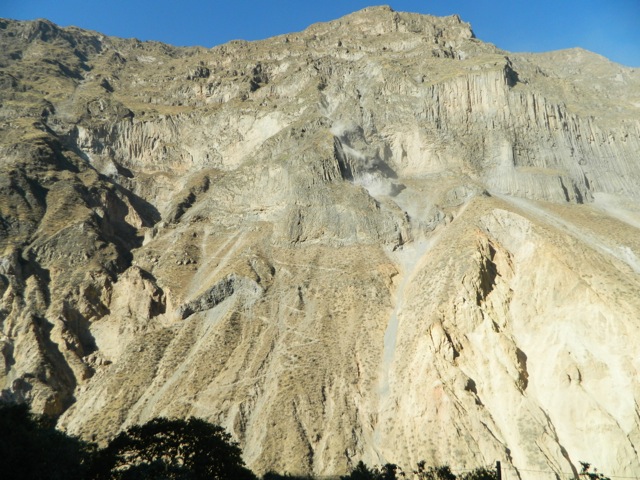
After Cusco, I travelled to the city of Arequipa, the southernmost city of Peru. Near Arequipa is the county’s third most popular destination, Colca Canyon. Colca Canyon is one of the largest canyon’s in the world, twice as deep as The Grand Canyon. The hiking there is very cheap and doesn’t require a guide. I explored the canyon for three days, including the final climb, a kilometre straight up.

wpid-dscn3461-2013-12-22-17-56.jpg

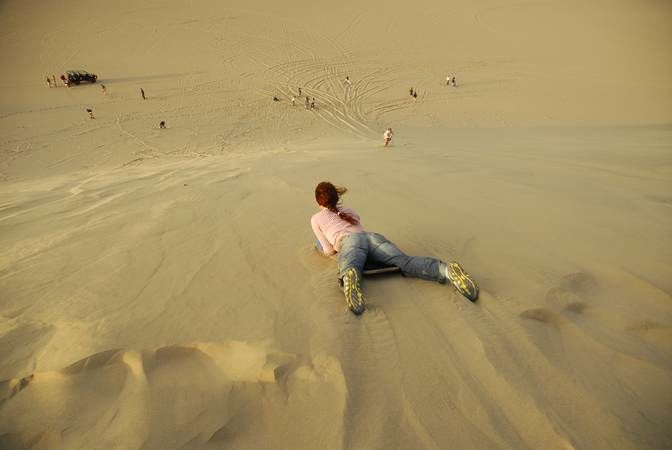
After Arequipa I headed down from the Andes for a time, stopping at Huacachina, a small town near the ocean renown for its massive sand dunes. I spent an afternoon sand boarding down the slopes.

wpid-huacachina21543-2013-12-22-17-56.jpg

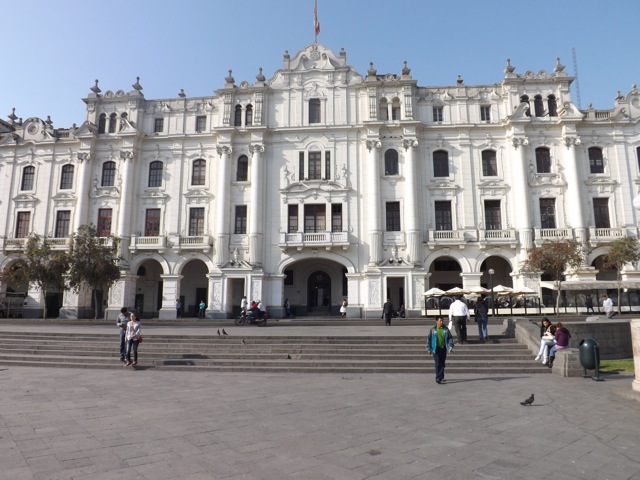
Next was a visit to the capital, Lima. I stayed in the tourist zone of Miraflores which felt like I was in the centre of any other city in the world. I then moved to the historical centre and this was more to my liking with great architecture and a distinct lack of tourists.

wpid-dscf2137-2013-12-22-17-56.jpg

I continued north and back into the Andes to the city of Huaraz nestled between the Cordilleras Blanca and Negra. From Huaraz a group of us hiked the four-day Santa Cruz trek, with one of the hardest climbs I’ve ever completed.

wpid-dscf2065-2013-12-22-17-56.jpg

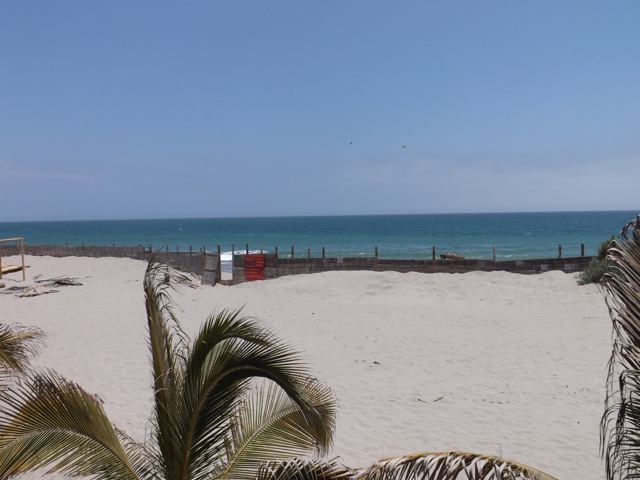
From Huaraz, I made my way to the far northern coast and the country’s second most visited destination, Mancora. Mancora is a beach town where I stayed for four days in a cabaña 20 metres from the Pacific Ocean. After the Santa Cruz hike, it was great to just sit and enjoy the beach for a few days.

wpid-dscf2147-2013-12-22-17-56.jpg

Ecuador

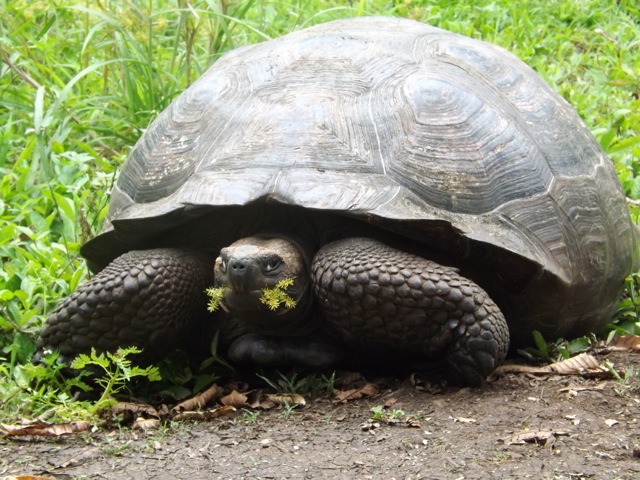
I left Peru and headed across the border to Ecuador’s capital, Quito, where I made plans to visit the Galapagos Islands. Two days later I was on a plane – my first since arriving in South America – and a few hours later landed on the famous archipelago. After booking a four-day cruise around the islands, I made friends with a Uruguayan guy at the hostel and spent the days prior to the cruise exploring Santa Cruz island with him, including a great swimming hole and the Giant Tortoise sanctuary.

wpid-dscf2185-2013-12-22-17-56.jpg

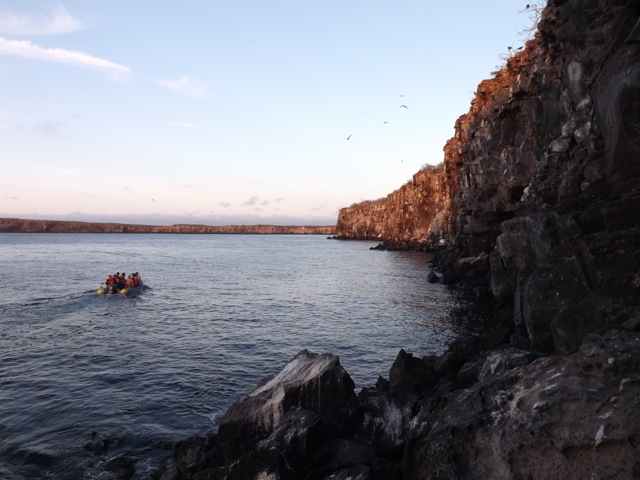
The cruise was amazing, I enjoyed snorkelling through the icy waters and swimming with penguins, fur seals, sea lions and sea turtles. On land there were many bird species including Blue Footed Boobies, the smaller water iguanas and the large land Iguanas.

wpid-dscf2303-2013-12-22-17-56.jpg

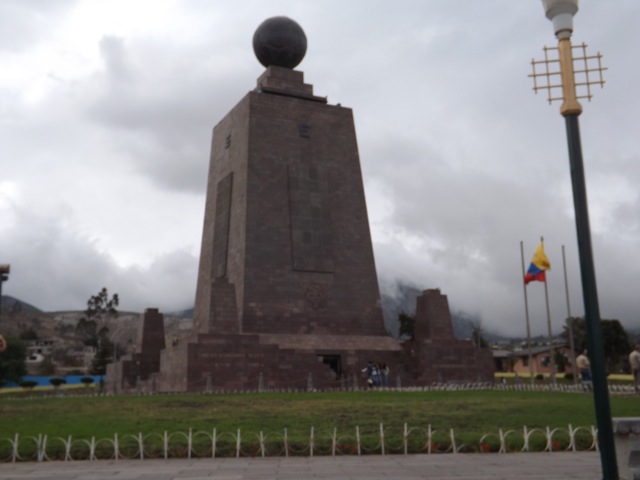
Back in Quito, I met some friends at the hostel and explored the city with them, including some amazing architecture, the original site of the equator and the newer more technologically accurate equatorial site. I had also prearranged with some locals to hang out with and spent a week enjoyed their company.

wpid-dscf2401-2013-12-22-17-56.jpg

With my friends from the hostel, I headed north for a weekend to the adventure town Minca buried in the rainforest, where we hung out with Hummingbirds, zip lined ourselves crazy and generally enjoyed our stay.

wpid-dscf2438-2013-12-22-17-56.jpg

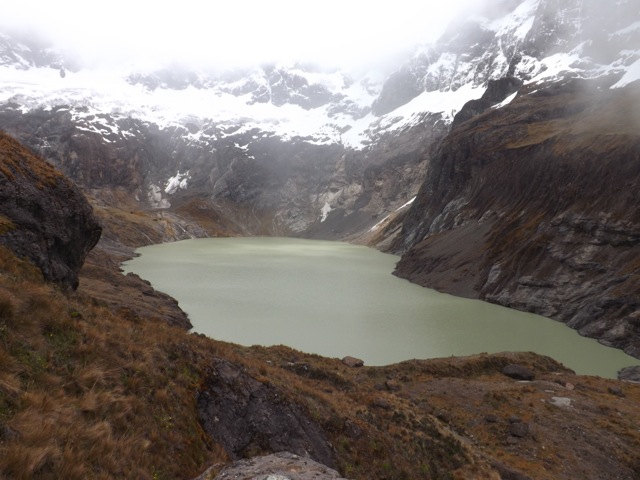
Next, two of us travelled south to the city of Riobamba where we hiked to the amazing crater lake of a collapsed volcano called El Altar. Most hiking in Ecuador must be done with a guide, but the two of us enjoyed the three-day hike without one.

wpid-dscf2555-2013-12-22-17-56.jpg

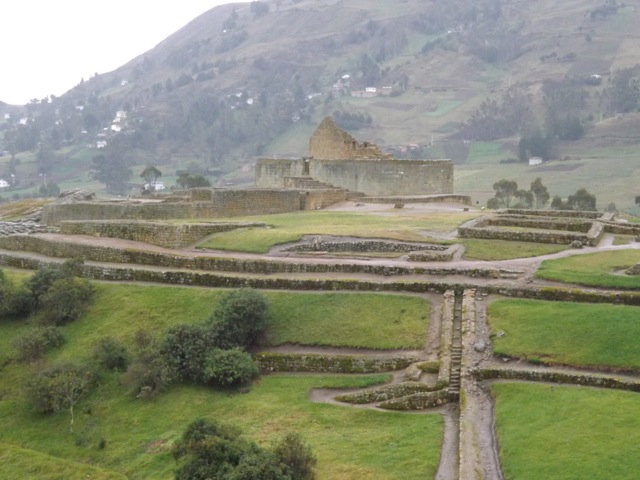
Then we headed south to the southern city of Cuenca where my friend headed into Peru and I explored Ingapirca, the ruins of an Incan Fortress.

wpid-dscf2689-2013-12-22-17-56.jpg

Colombia

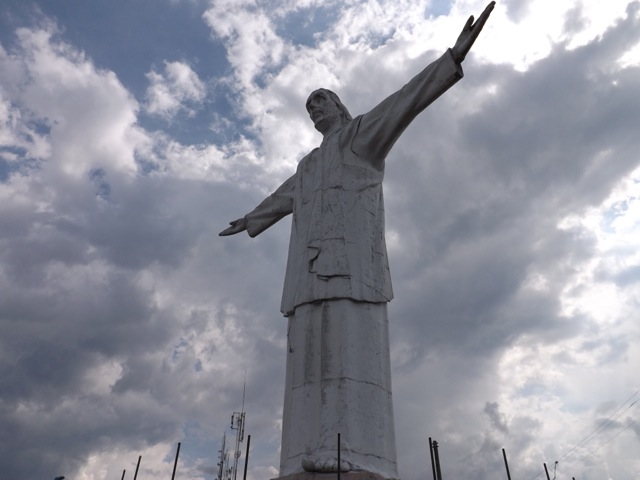
Then it was back to Quito for a last few days before I headed north into Colombia, to the city of Cali where I stayed for three days. I explored the city via a walking tour, learning its history, and climbed one of the hills to the local statue of Christ.

wpid-dscf2748-2013-12-22-17-56.jpg

From Cali I headed north via a very winding mountain road where the bus driver thought he was formula one driver. After the humidity in Cali, Bogota was cold. I’d prearranged to meet some people in Colombia’s capital and they were so friendly I stayed for three weeks to spend more time with them, including attending a huge Pop Culture Festival…S.O.F.A.
wpid-dscf2766-2013-12-22-17-56.jpg

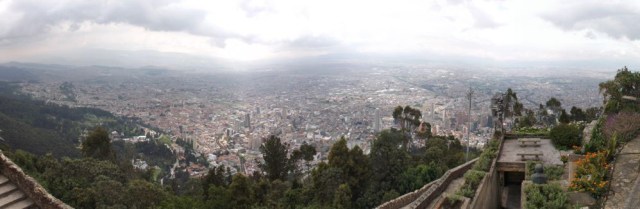
Bogota is not well set up as a tourist destination but during my stay I caught a cable car up to a temple of the hill giving awesome views across the city.

wpid-dscf2780-2013-12-22-17-56.jpg

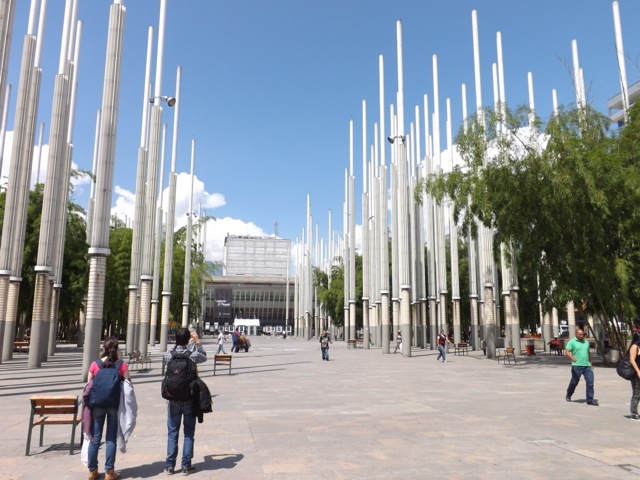
Then with general sadness at having to leave my friends in Bogota, I headed north to Medellin, a more popular city for tourists and home town of the late Pablo Escobar. I hung out at a New Zealand owned hostel and between a couple of nights partying I took a walking tour, both with a group and a separate one with a couple of guys from the hostel.
wpid-dscf2799-2013-12-22-17-56.jpg

Next I headed to Cartagena, a city on the Caribbean Sea where I hung out for a few days in the extreme humidity. Cartagena’s Old Town has a great stone wall around it that once protected it from pirate attacks 500 years ago. The entire old town is a world heritage site.

wpid-dscf2827-2013-12-22-17-56.jpg

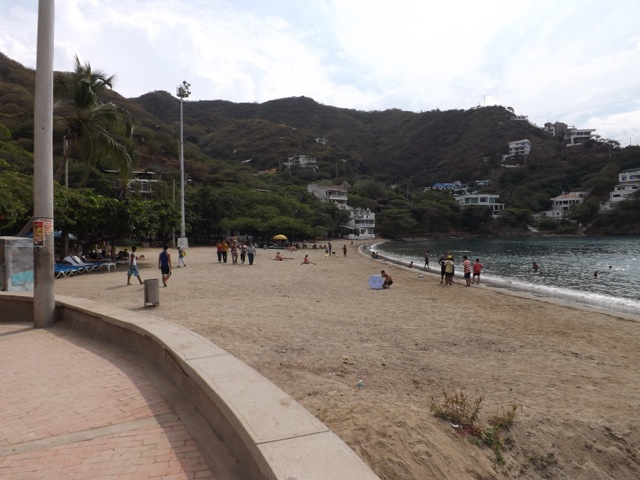
Further along the coast is a small beach town of Taganga where I stayed for a few of days. It was a quiet little town away from the bustle of the larger Colombian cities.

wpid-dscf2844-2013-12-22-17-56.jpg

From Taganga I booked and walked the four-day jungle trek to find the Lost City, an amazing ruins of the local tribes that had been abandoned 500 years earlier. The trek was humid and sweaty, and this made the long climbs up clay trails more difficult. Swimming in the icy rivers were highlights of the sweaty days.

wpid-dscf2935-2013-12-22-17-56.jpg

After a couple of recovery days in Taganga, I headed back to Cartagena to say farewell to South America. After 9 and a half months of amazing adventure, it was sad to say farewell to the continent, although my travels were not yet at a conclusion. In Cartagena, I booked a cruise on a yacht with 11 others to make my way through the Caribbean Sea to Panama, and the beginning of my Central American adventures.

This will be an adventure I will never forget.

The World Wanderer