Tag Archives: Beach

Costa Rica – Adventures

With an official end date to my Latin American adventures quickly approaching I’ve had to make some hard decisions. One of these was to only spend a week in Costa Rica, this being on the basis that it’s the most expensive country in Central America.
wpid-political-map-of-costa-rica-2014-01-24-16-48.jpg

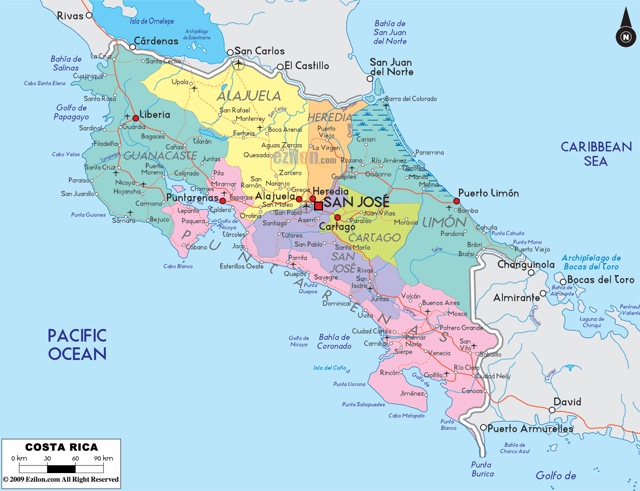
From David in Panama, I caught a bus to Costa Rica’s capital, San Jose. The bus ride was around eight hours including the border crossing, which wasn’t as stressful as I was led to believe. Like Panama, when entering the country ‘proof of exit’ is required. This time I had a fake booking set up but was not asked for it.

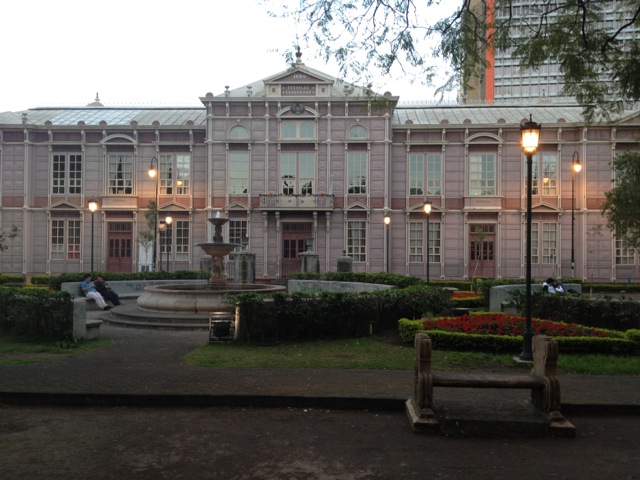
San Jose isn’t as influenced by the US as Panama City is, and since my plan was to stay in the city only two nights I didn’t spend a lot of time exploring the city beyond finding a restaurant and a supermarket. This still took me past a municipal building.
wpid-img_1648-2014-01-24-16-48.jpg

Soon after arriving, I arranged for a full day tour to see as much as I could in the short time I was here. I confirmed the time of pick up and was prepared for the early start. The next morning the tour operator arrived 30 minutes early and when I wasn’t ready, left without me. This led me to wonder if I’d heard the wrong time. When the staff member at the hostel arrived for the morning, he confirmed that I had been correct and set about getting my money back. He booked me on another tour for the following day, a cheaper one, with the difference in price covering the cost of another night in the hostel.

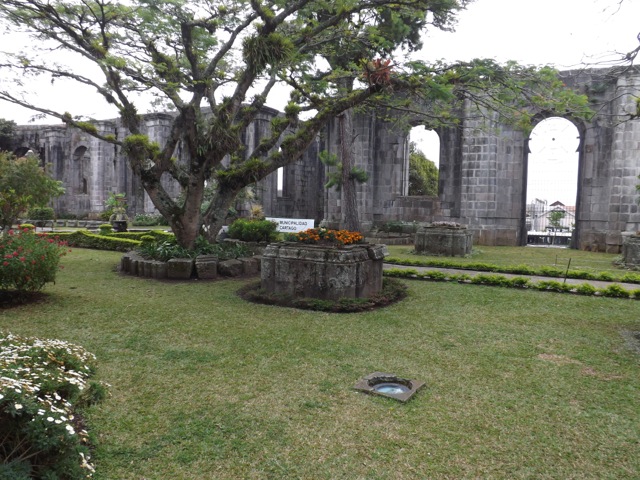
The next morning the tour operator arrived at the correct time and we were off. First stop was the ruins of the Temple of the Santiago Apostle Parish. The building of the temple began in 1870 but stalled after an earthquake destroyed part of it. Building again began several years later but again stalled because of another earthquake. This happened several times over the course of 40 years until in 1910 when it was decreed that God didn’t wish the temple built and construction was abandoned.
wpid-dscf3147-2014-01-24-16-48.jpg

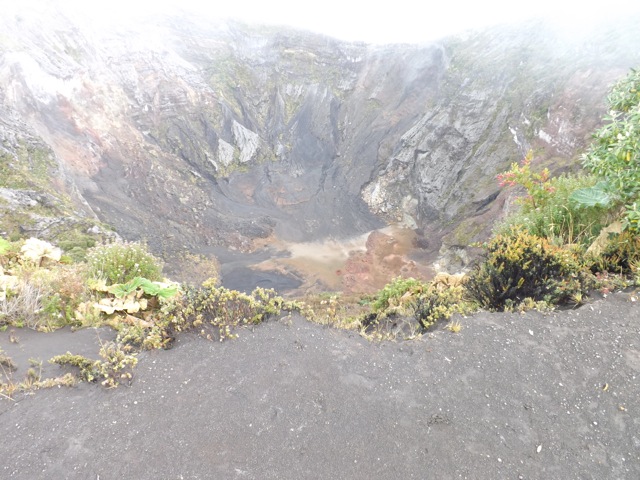
Our next stop was Volcán Irazú, the tallest active volcano in Costa Rica. As we drove to the top, the cone was shrouded in clouds so it was unclear if we’d be able to see much. At the top the crater was barely visible through the mist and we put on rain jackets to save getting wet. Like Volcán Barú in Panama, Volcán Irazú can sometimes give views of both the Pacific Ocean and the Caribbean Sea, but today was not one of those rare days. The clouds cleared enough after 10 minutes and we finally got to see the crater.
wpid-dscf3159-2014-01-24-16-48.jpg

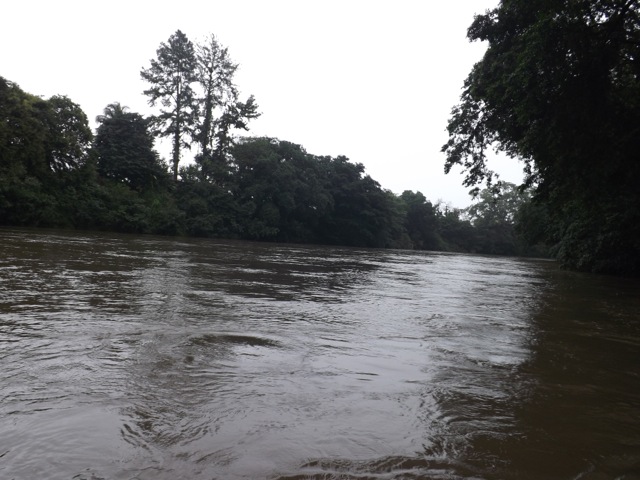
After the volcano visit, the tour headed to a restaurant for breakfast then north across the continental divide to the Caribbean side of the country. After a couple of hours in the bus we stopped at Rio Puerto Veijo and got on a river boat for a 90 minute cruise along the river.
wpid-dscf3170-2014-01-24-16-48.jpg

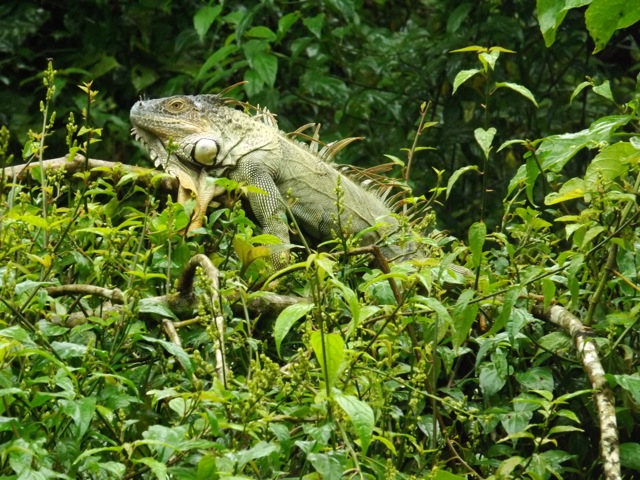
On the trip we spied plentiful birds, including the rare Red Macaw – which are often poached and sold on the black market for US$30,000 each. We then encountered a lone Iguana sitting in the bushes on the side of the river…
wpid-dscf3177-2014-01-24-16-48.jpg

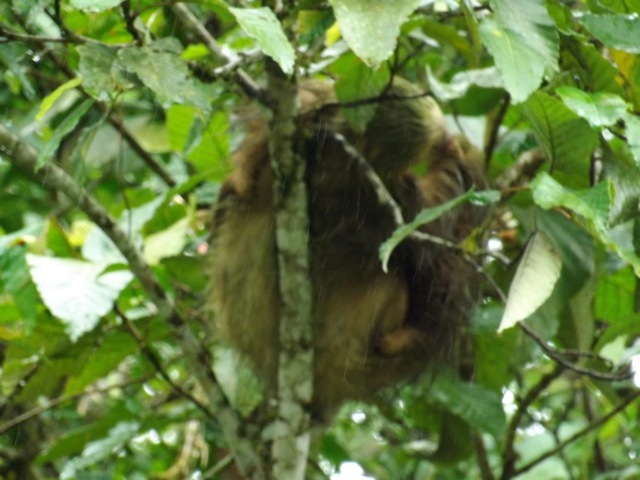
There were also sightings of a Sloth and its baby asleep in high boughs…
wpid-dscf3182-2014-01-24-16-48.jpg

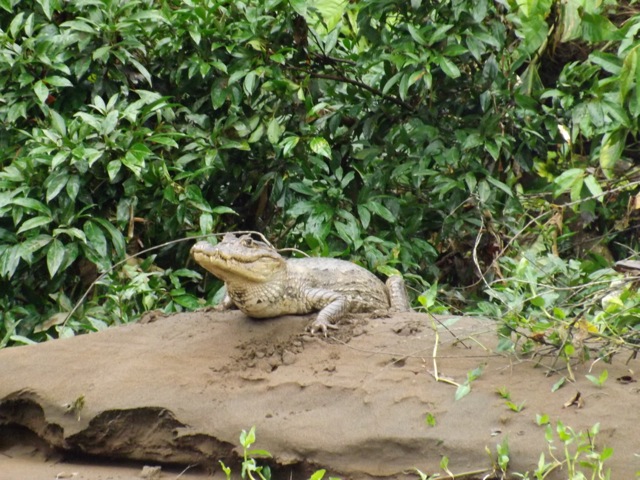
Then a lone Caiman about the length of my arm. Caimans have no ridges along their backs and are much smaller than their larger cousins…
wpid-dscf3195-2014-01-24-16-48.jpg

We heard several Howler Monkeys, although only caught glimpses in the trees. Then small camouflaged micro-bats on the trunk of a tree and lastly, Crocodiles. This one is about three metres long.

wpid-dscf3198-2014-01-24-16-48.jpg

We then stopped at an animal sanctuary that houses poisonous frogs, an Asper snake and a butterfly conservatory. The poisonous frogs were the most interesting. There were two varieties, one black with luminous green spots about the size of your big toenail, and the other tiny and red about the size of your little fingernail. Their poison was used in blow guns by natives of Latin America. Lunch was a traditional Costa Rican meal but included Iguana, which like crocodile, tastes very like chicken. Then it was a 2 hour bus ride back to the hostel.

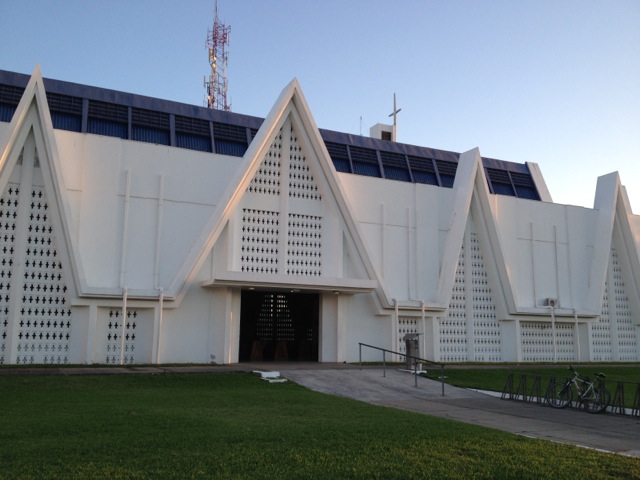
The following day, I caught a bus to the northern city of Liberia, a hub of tourism in Costa Rica. Like many Costa Rican cities, it has a more modern church…
wpid-img_1655-2014-01-24-16-48.jpg

During the couple of days I stayed, I made my way to Playa del Coco – Coco Beach, which is a touristy beach town set on the Pacific Ocean. As much of Costa Rica is tropical, even in winter, I enjoyed a swim in the cool waters of the ocean.

wpid-img_1657-2014-01-24-16-48.jpg

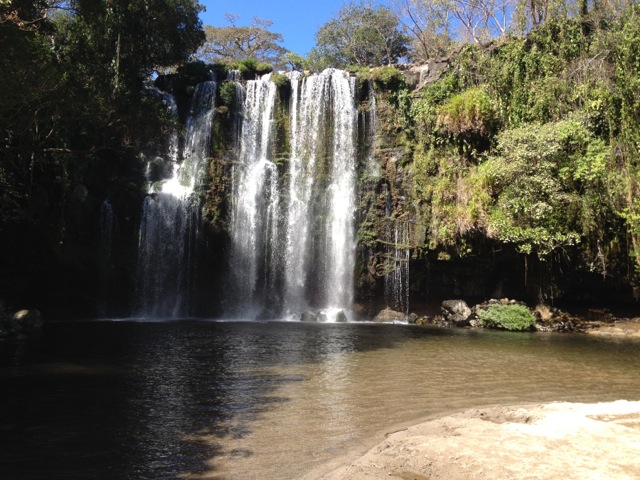
For my last day in the country, I visited Llanos de Cortez waterfall where myself and three women from the hostel enjoyed swimming. This is just one of the many waterfalls in the area…
wpid-img_1661-2014-01-24-16-48.jpg

Next I head to the beach town of San Juan del Sur in southern Nicaragua.

The World Wanderer

Bocas del Toro, Panama – Impressions

Not far from the Costa Rican border on the north-west Caribbean coast of Panama is Bocas del Toro. Meaning ‘Mouths of the Bull’ in spanish Bocas del Toro is one of Panama’s primary holiday destinations for both locals and travellers alike.

Bocas del Toro refers to many places: first the province, then the archipelago within the province and the provincial capital on Islá Colón, which is also known as Bocas Town. The island is named after Cristóbal Colón, the spanish name for Christopher Colombus, who visited the islands in 1502 looking for a way through to the Pacific.

wpid-700px-bocas_del_toro_archipelago_map-2014-01-9-17-48.jpg

Getting to Islá Colón is easy, either catch a 30-minute water taxi across the bay from the town of Almirante or fly in from the Costa Rican capital, San Jose. You can’t miss Bocas Town when crossing the bay as most of the shoreline around the town is utilised by hostels, bars and tour operators.

wpid-dscf3112-2014-01-9-17-48.jpg

The town itself feels very much like you’re in a surfing town. January being high season, the town is bloated with tourists, most of them early to mid-twenties, surfboard clad and heavily tanned.

wpid-dscf3091-2014-01-9-17-48.jpg

I call Panama the 51st state of the US, not only because there are so many americans here or that the US dollar is the currency, but because most people speak english, in a U.S. accent. Bocas del Toro is no different, with its upmarket hostels, shops and eating places, including a fantastic indian restaurant that I just had to visit twice.

While on Islá Colón, one of the easiest way to see the islands is via a sailing tour. They take a group out on a pair of catamarans to several choice spots around the islands.

wpid-p1000073-2014-01-9-17-48.jpg

This included two different snorkelling spots, which would give me the opportunity to test out my new underwater camera. The first part of our mini cruise was to a bay they have nicknamed Dolphin Bay because of the dolphins that come to play around the boats.

wpid-dscf3106-2014-01-9-17-48.jpg

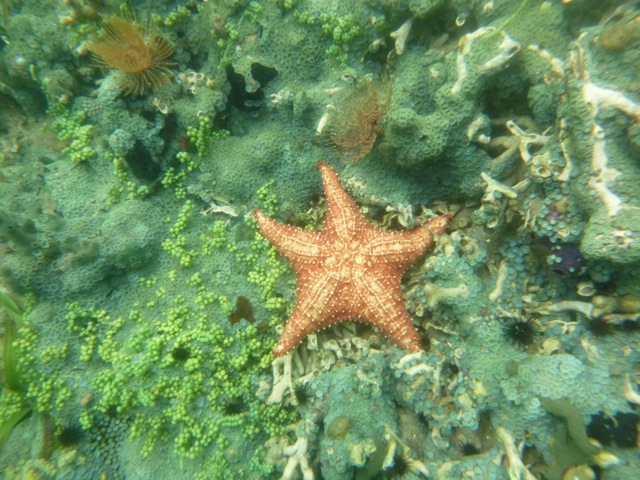
Then it’s off to the first snorkelling spot. Flippers aren’t really needed as the water is not deep and you float around a coral reef surrounding a mangrove island in a place they call Starfish Bay.

wpid-p1000047-2014-01-9-17-48.jpg

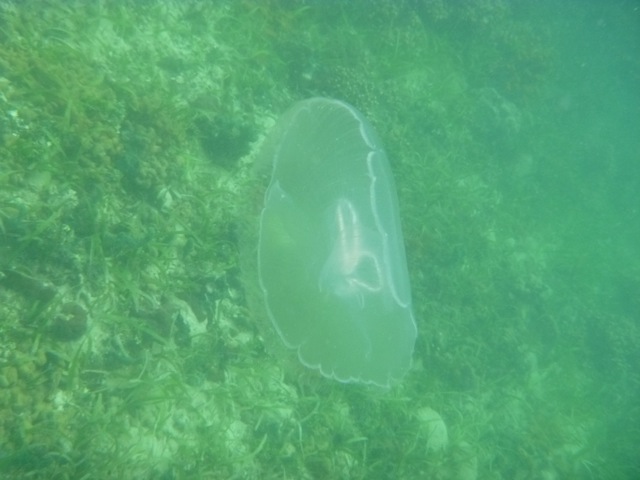
While there I swam with a pair of jellyfish. Cool to look at under the water, but I wasn’t letting them get too close.

wpid-p1000058-2014-01-9-17-48.jpg

The water was not the clearest, but at our second spot, there were more coloured fish and I got some shots of the brightly coloured coral.

wpid-p1000063-2014-01-9-17-48.jpg

There are several beaches on the islands that are well visited by tourists, but at an expensive US$5 to get to the sand, I decided against going.

For the three days I spent on the island, I managed to stay in three different hostels. On arrival, I discovered the hostel I wanted to stay at was full (you can’t prebook online), so I booked in for the next two days and went searching for another hostel. The following day I discovered my booking was no longer there. This time they located another hostel for me and ensured I would get a bed the following night. On the third day I finally got the bed I wanted and spent the day just relaxing on the side of the channel.

wpid-p1000110-2014-01-9-17-48.jpg

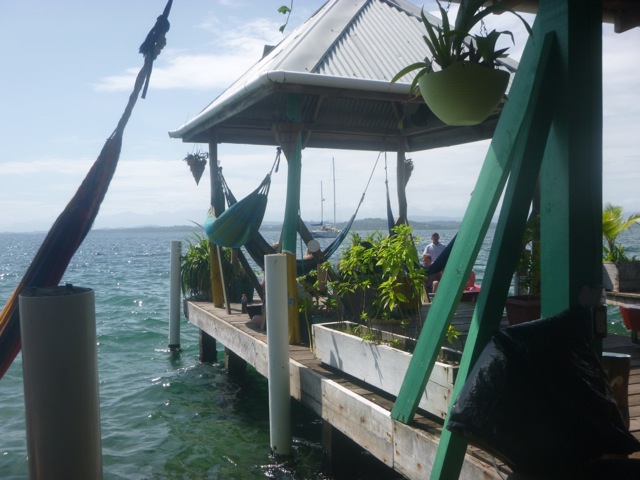
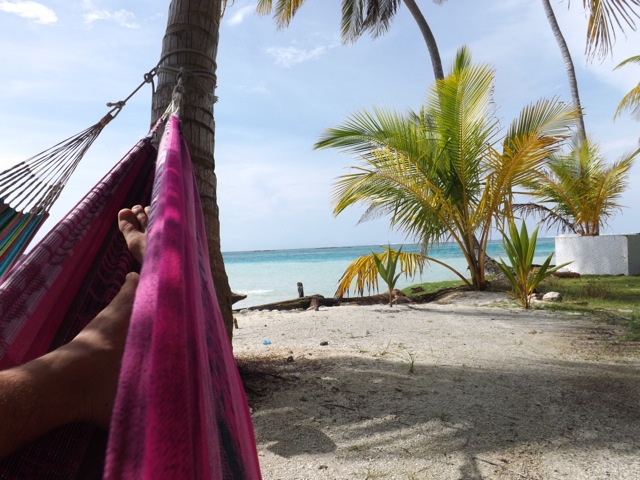
During the midday hours it gets rather hot in Bocas del Toro, even in winter, but all you need do is roll out of the hammock and into the sea to cool down. Then in the evening they set up a band and we rocked out to the sounds of Sublime, Blink 182 and the Red Hot Chili Peppers.

Next, I head back to David for the night, then up to the town of Boquete, a tourist town in the mountains.

The World Wanderer

Looking Back, Part 3 – Northern South America

Peru

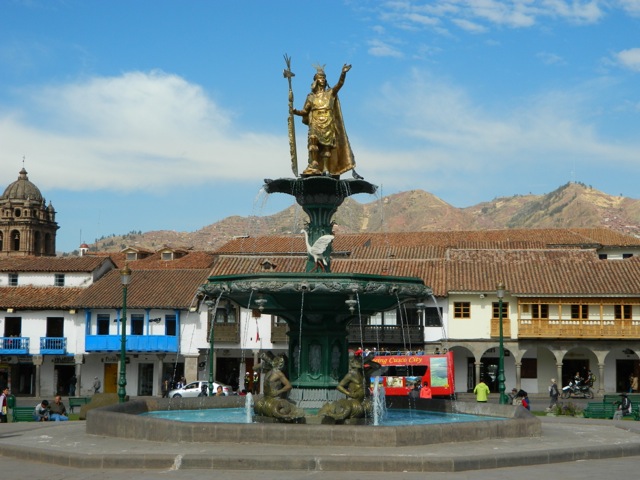
As I left Bolivia I made my way around Lake Titicaca and along the Andes to Cusco, capital city of the Inca Empire more than 600 hundred years ago. Cusco was built in the image of the Puma, a holy symbol of the Incas.

wpid-dscn3270-2013-12-22-17-56.jpg

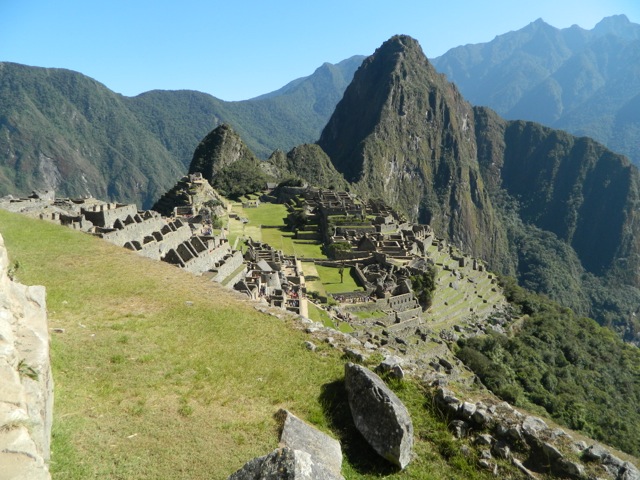
Cusco’s a popular tourist destination because of it’s closeness to Machu Picchu. To get to the ruins many people walk one of the expensive hikes in the region: the infamous Inca Trail, The Salkantay Trek or The Jungle Trek. While these hikes are said to be amazing, the expense and length of time needed to prebook put me off. Instead I caught the train to Aguas Caliente, the township at the base of Machu Picchu mountain, and climbed the near 2000 steps to the ruins. At altitude, these steps are still hard going. The ruins felt like Disneyland because of the huge number of tourists but it was still beautiful to behold…

wpid-dscn3405-2013-12-22-17-56.jpg

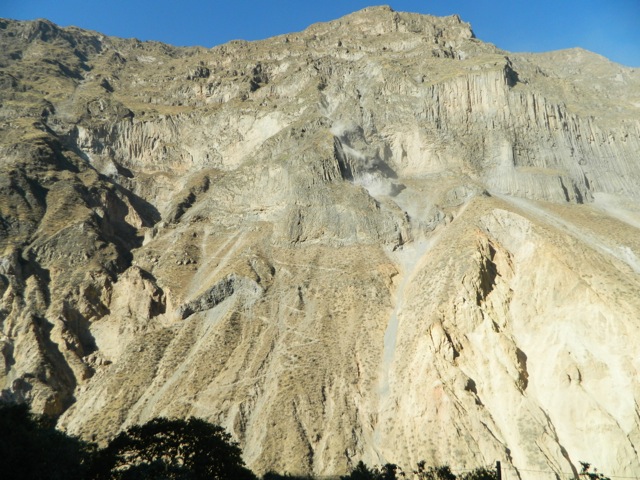
After Cusco, I travelled to the city of Arequipa, the southernmost city of Peru. Near Arequipa is the county’s third most popular destination, Colca Canyon. Colca Canyon is one of the largest canyon’s in the world, twice as deep as The Grand Canyon. The hiking there is very cheap and doesn’t require a guide. I explored the canyon for three days, including the final climb, a kilometre straight up.

wpid-dscn3461-2013-12-22-17-56.jpg

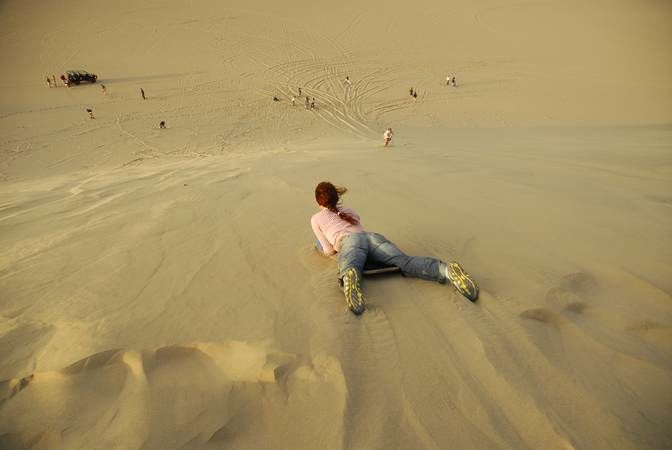
After Arequipa I headed down from the Andes for a time, stopping at Huacachina, a small town near the ocean renown for its massive sand dunes. I spent an afternoon sand boarding down the slopes.

wpid-huacachina21543-2013-12-22-17-56.jpg

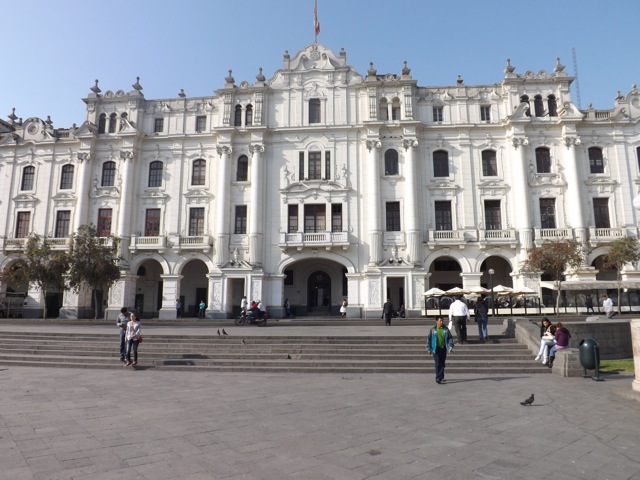
Next was a visit to the capital, Lima. I stayed in the tourist zone of Miraflores which felt like I was in the centre of any other city in the world. I then moved to the historical centre and this was more to my liking with great architecture and a distinct lack of tourists.

wpid-dscf2137-2013-12-22-17-56.jpg

I continued north and back into the Andes to the city of Huaraz nestled between the Cordilleras Blanca and Negra. From Huaraz a group of us hiked the four-day Santa Cruz trek, with one of the hardest climbs I’ve ever completed.

wpid-dscf2065-2013-12-22-17-56.jpg

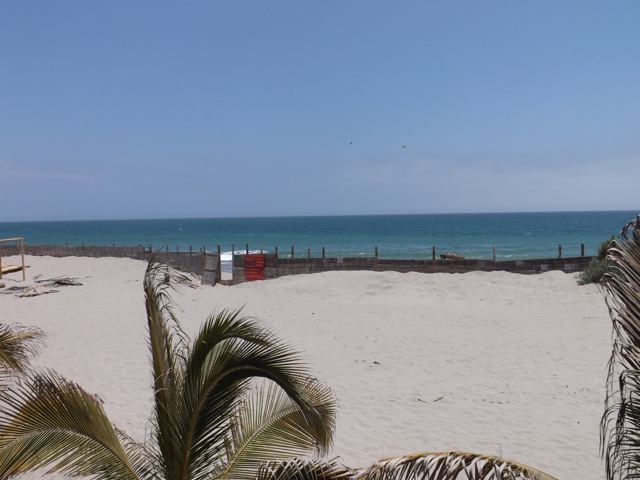
From Huaraz, I made my way to the far northern coast and the country’s second most visited destination, Mancora. Mancora is a beach town where I stayed for four days in a cabaña 20 metres from the Pacific Ocean. After the Santa Cruz hike, it was great to just sit and enjoy the beach for a few days.

wpid-dscf2147-2013-12-22-17-56.jpg

Ecuador

I left Peru and headed across the border to Ecuador’s capital, Quito, where I made plans to visit the Galapagos Islands. Two days later I was on a plane – my first since arriving in South America – and a few hours later landed on the famous archipelago. After booking a four-day cruise around the islands, I made friends with a Uruguayan guy at the hostel and spent the days prior to the cruise exploring Santa Cruz island with him, including a great swimming hole and the Giant Tortoise sanctuary.

wpid-dscf2185-2013-12-22-17-56.jpg

The cruise was amazing, I enjoyed snorkelling through the icy waters and swimming with penguins, fur seals, sea lions and sea turtles. On land there were many bird species including Blue Footed Boobies, the smaller water iguanas and the large land Iguanas.

wpid-dscf2303-2013-12-22-17-56.jpg

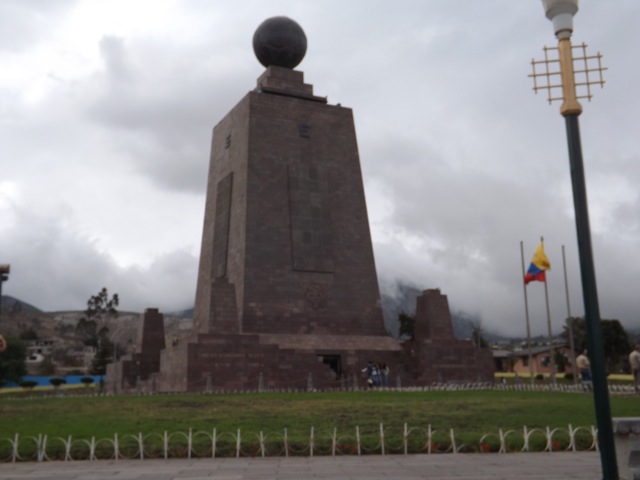
Back in Quito, I met some friends at the hostel and explored the city with them, including some amazing architecture, the original site of the equator and the newer more technologically accurate equatorial site. I had also prearranged with some locals to hang out with and spent a week enjoyed their company.

wpid-dscf2401-2013-12-22-17-56.jpg

With my friends from the hostel, I headed north for a weekend to the adventure town Minca buried in the rainforest, where we hung out with Hummingbirds, zip lined ourselves crazy and generally enjoyed our stay.

wpid-dscf2438-2013-12-22-17-56.jpg

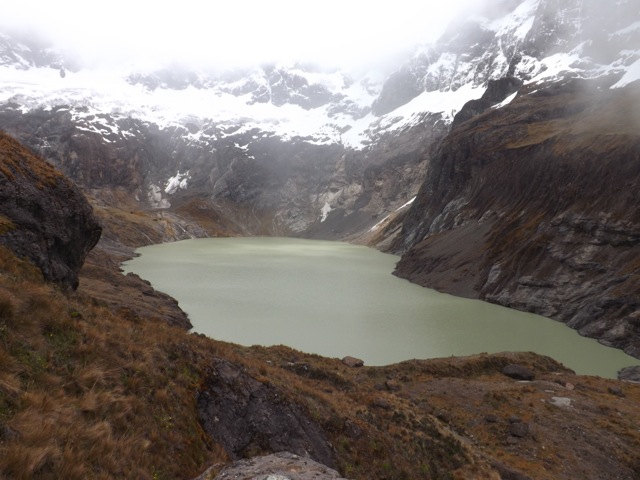
Next, two of us travelled south to the city of Riobamba where we hiked to the amazing crater lake of a collapsed volcano called El Altar. Most hiking in Ecuador must be done with a guide, but the two of us enjoyed the three-day hike without one.

wpid-dscf2555-2013-12-22-17-56.jpg

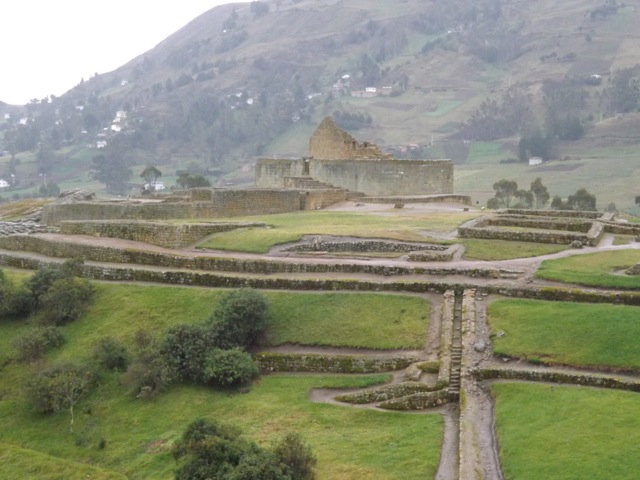
Then we headed south to the southern city of Cuenca where my friend headed into Peru and I explored Ingapirca, the ruins of an Incan Fortress.

wpid-dscf2689-2013-12-22-17-56.jpg

Colombia

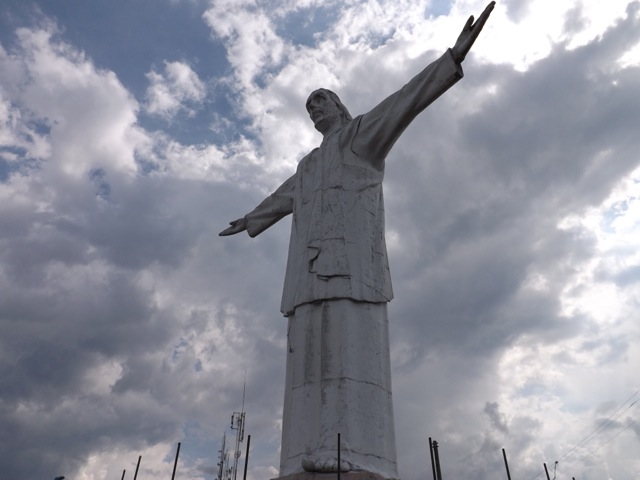
Then it was back to Quito for a last few days before I headed north into Colombia, to the city of Cali where I stayed for three days. I explored the city via a walking tour, learning its history, and climbed one of the hills to the local statue of Christ.

wpid-dscf2748-2013-12-22-17-56.jpg

From Cali I headed north via a very winding mountain road where the bus driver thought he was formula one driver. After the humidity in Cali, Bogota was cold. I’d prearranged to meet some people in Colombia’s capital and they were so friendly I stayed for three weeks to spend more time with them, including attending a huge Pop Culture Festival…S.O.F.A.

wpid-dscf2766-2013-12-22-17-56.jpg

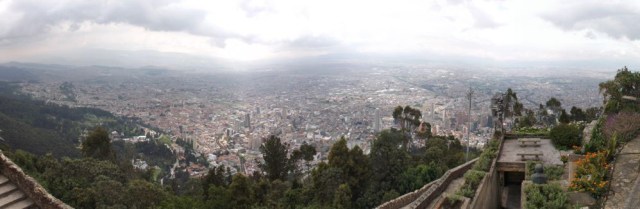
Bogota is not well set up as a tourist destination but during my stay I caught a cable car up to a temple of the hill giving awesome views across the city.

wpid-dscf2780-2013-12-22-17-56.jpg

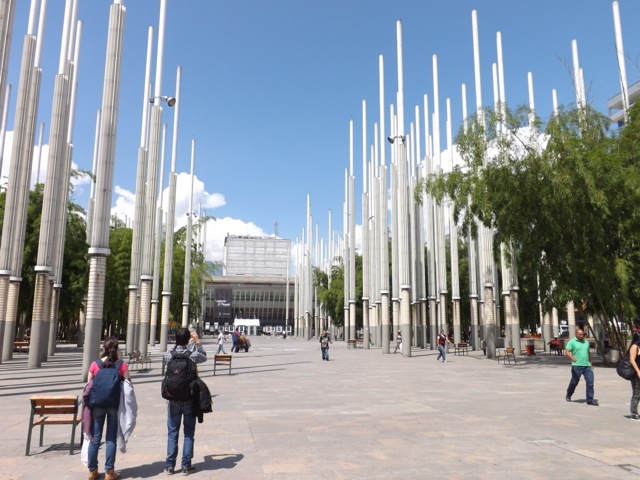
Then with general sadness at having to leave my friends in Bogota, I headed north to Medellin, a more popular city for tourists and home town of the late Pablo Escobar. I hung out at a New Zealand owned hostel and between a couple of nights partying I took a walking tour, both with a group and a separate one with a couple of guys from the hostel.

wpid-dscf2799-2013-12-22-17-56.jpg

Next I headed to Cartagena, a city on the Caribbean Sea where I hung out for a few days in the extreme humidity. Cartagena’s Old Town has a great stone wall around it that once protected it from pirate attacks 500 years ago. The entire old town is a world heritage site.

wpid-dscf2827-2013-12-22-17-56.jpg

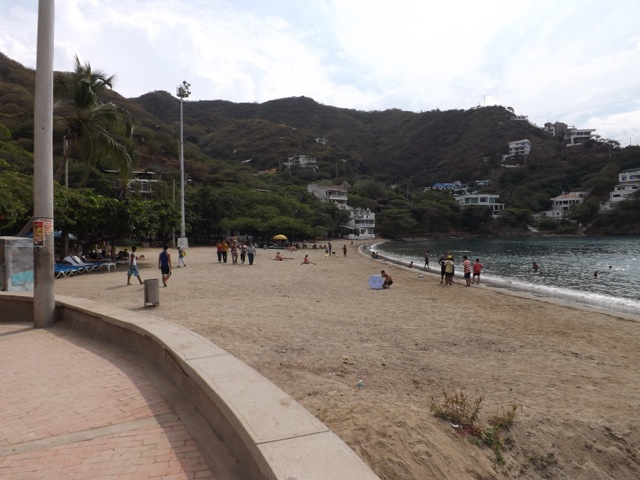
Further along the coast is a small beach town of Taganga where I stayed for a few of days. It was a quiet little town away from the bustle of the larger Colombian cities.

wpid-dscf2844-2013-12-22-17-56.jpg

From Taganga I booked and walked the four-day jungle trek to find the Lost City, an amazing ruins of the local tribes that had been abandoned 500 years earlier. The trek was humid and sweaty, and this made the long climbs up clay trails more difficult. Swimming in the icy rivers were highlights of the sweaty days.

wpid-dscf2935-2013-12-22-17-56.jpg

After a couple of recovery days in Taganga, I headed back to Cartagena to say farewell to South America. After 9 and a half months of amazing adventure, it was sad to say farewell to the continent, although my travels were not yet at a conclusion. In Cartagena, I booked a cruise on a yacht with 11 others to make my way through the Caribbean Sea to Panama, and the beginning of my Central American adventures.

This will be an adventure I will never forget.

The World Wanderer

Colombia to Panama Cruise via San Blas Islands


After nine and a half months in South America it’s time to make my way north into Central America. I’ve mainly travelled by bus around the continent, but as the border between Colombia and Panama is said to be controlled by guerrilla groups and dangerous – whether true or not – I decided to look for other options. Because I’m carrying excess baggage I avoid flying so I decided on a 5-day cruise through the Caribbean Sea via the San Blas Islands instead.

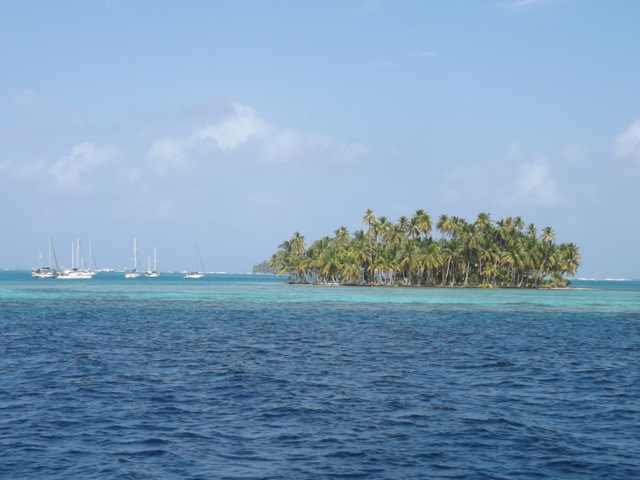
The San Blas Islands are to the east of the Panama Canal and of the approximately 378 palm covered, golden sand islands, 49 are inhabited.

wpid-dscf2998-2013-12-15-13-50.jpg

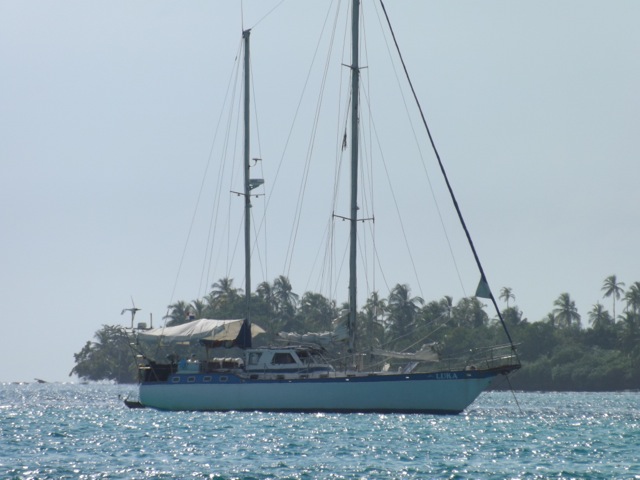
The boat I booked was the Luka, a 56’ yacht that has been converted into a cruise vessel. For the 12 passengers and 2 crew there are few rooms and most are crammed. Because I’m a solo traveller I drew the short straw of sleeping in the saloon. While it’s not ideal, the couch like seats are longer than the berths in the rooms, and as I’m 189cm (6’3”) a longer bed is better.

Day 0
We all arrived at the dock at 8pm and were ferried out to the yacht where we waited in the calm of the harbour. We were due to leave at 10pm but it was closer to midnight before we set off. Eventually we set sail under motor which caused many of the rooms to be rather hot overnight, even with their built-in fans.

Cartagena Harbour at night…

wpid-dscf2951-2013-12-15-13-50.jpg

Day 1
No-one slept well and two of our number suffered major seasickness overnight, spending the night on the deck throwing up. I woke very hot and tired after 9 hours sleep. With the motion of the sea and the heat of the cabin, I couldn’t stomach breakfast. Standing up also caused me to feel sick, so I went back to sleep until the early afternoon. When I awoke I also couldn’t stomach lunch so went on deck where the cool wind made me feel a lot better. There wasn’t much to see though, no sea birds or land, only the waters of the Caribbean sea and the very occasional dolphin – too quick for the cameras.

wpid-dscf3022-2013-12-15-13-50.jpg

I stayed on the deck for much of the rest of the day enjoying the sun and the cool of the wind. While it’s winter in the northern hemisphere and I’m told it’s snowing in parts of the US, I’m spending most of my time in just shorts, even late into the evening. And though I slept for most of the day, without anything else to do I was ready for bed at 10pm. With the flashes of lightning on the horizon we prepared for a rainy night.

Day 2
It did rain overnight, while not heavy it meant we had to close the hatches which increased the heat of the rooms below deck. I woke early, not surprisingly, and just hung out in the galley until breakfast was served. After breakfast I went on the deck and enjoyed the breeze on the overcast day. Along one side we could make out the mainland as the San Blas islands came into view.

wpid-dscf2966-2013-12-15-13-50.jpg

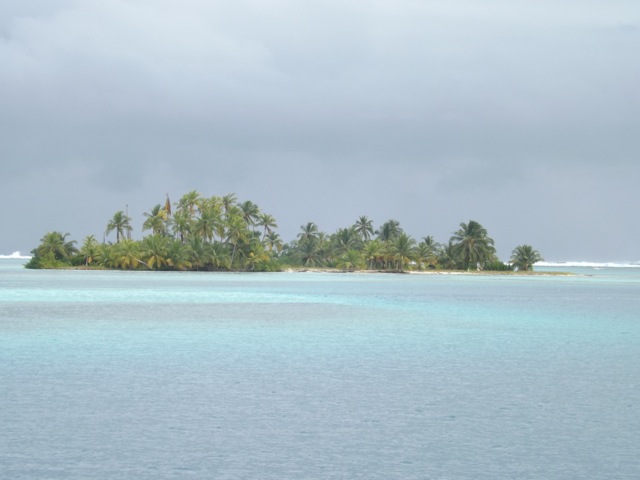
The smaller San Blas islands reminded me of the islands of the Pacific – beautiful golden beaches, palm trees and not much else, all surrounded by reefs that keep out the heavy seas. We were ferried across to one of the islands, known as Turtle Island because sea turtles are known to lay eggs here in September.

wpid-dscf2983-2013-12-15-13-50.jpg

The day was spent hanging out in hammocks on the beach, swimming, eating and drinking. What else is there to do on a virtually deserted island in the Caribbean sea?

wpid-dscf2987-2013-12-15-13-50.jpg

In the evening, we cooked beef skewers over an open fire as we continued to take in the surroundings. After dinner, the weather turned against us and it began to rain. After the first shower, several of us headed back to the yacht. We’d only just made it when the clouds opened and it poured, drenching those still on the island.

Day 3
In the morning, the captain went to pick up the three passengers that had chosen to stay on the island for the night. While there was a hut where the locals lived, it was not the best in rain, so the three slept little as they shivered in the cold and wet.

After breakfast, we set sail for the next group of islands. While we were told it was only 45 minutes away, it took us nearly 2 and a half hours to get there in the heavy cross winds. When we arrived, most of us couldn’t wait to get over the side and into the clear warm water.
wpid-dscf3016-2013-12-15-13-50.jpg

Then after lunch, we were dropped off at one of the islands and left to our own devices. While it had been gorgeous weather when we’d arrived, it turned sour after an hour or so, so we headed back to the boat where we hung out for the afternoon swimming between showers.

While we were on the island, the captain had brought a bucket of Lobsters to the boat that was to be our dinner. This was to be our only taste of seafood on the trip.

Day 4
In the morning we sailed for another set of islands. These islands were actually only 45 minutes from where we had anchored the previous day. We were ferried to one of the larger islands and hung out on the beach drinking beer in the sun while a bronzed blonde girl kite-surfed back and forth along the beach.

wpid-dscf3029-2013-12-15-13-50.jpg

After midday we were ferried back to the boat for lunch before many of us swum out to a small desert island not far from the boat. I made it to the island without issue, but because of an old sports injury, on the return trip my shoulder locked up and I had to be collected by the crew. A little embarrassing, but you get that.

wpid-dscf3027-2013-12-15-13-50.jpg

In the afternoon the captain changed his plan and instead of sailing overnight for Portobelo harbour, our end point, we set sail at 3pm instead. Most of us slept through the rocky 8-hour journey as it was difficult to sit on deck. We were woken for an early dinner, then it was back to sleep again until morning.

Day 5
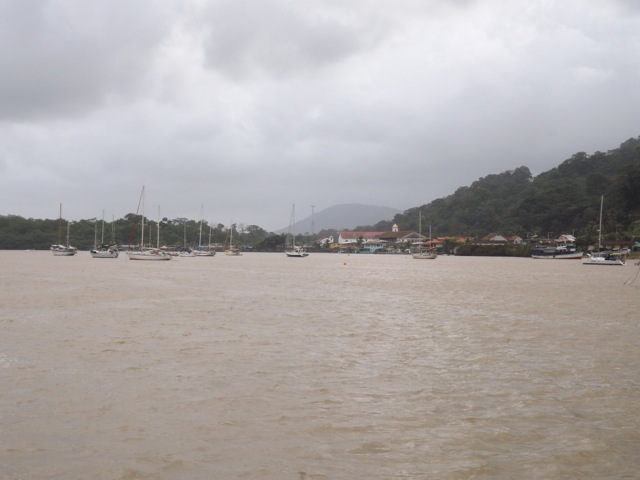
We woke on our last day to the dirty brown waters of Portobelo harbour and waited while the captain took our passports to immigration.

wpid-dscf3035-2013-12-15-13-50.jpg

Panama has recently passed a law requiring travellers to show proof of onward travel out of Panama or suffer a US$105 tax. Onward travel must be in the form of airline tickets. This has resulted in most travellers creating false flight tickets to avoid this absurd tax. While the rest of my boat mates had copies of real or fake tickets, I did not. As it turns out it didn’t matter and we finally got to land without any further fees.

A Not So Good Cruise
While I’ve painted a fairly positive picture of this cruise, it wasn’t all happy travels. Beyond the rough seas, rainy afternoons and the chap who was sea sick for the entire 5 days – none of which could be helped – the cruise was particularly badly organised. The Owner didn’t come with us on this cruise, so the two Panamanian crew had free rein. The captain spoke english well but the chef did not. Briefings were non-existent, so for the most part we had no idea what we were doing each day unless we pestered the captain, who gave us information that changed regularly. Sure, trying to estimate travel times when winds go against you is hit and miss, but the different between 45 minutes and 2.5 hours is vast even for an experienced captain in the region. Then dumping us on an island and disappearing while the locals on the island hound us for the US$2 per person entry fee is poor form.

The cruise was not cheap, but having hot dogs for meals 4 times was not acceptable. In fact, beyond the BBQ Crayfish and the beef skewers on the beach (which we made ourselves), most of the meals were sub par, including stale breakfast cereals, stale bread and potato slush.

Overall, the trip was an experience and while the location was great with the beautiful islands, pristine beaches and seas, the cruise itself was a great let down.

Next I explore Panama City…

The World Wanderer

Taganga, Colombia – Impressions

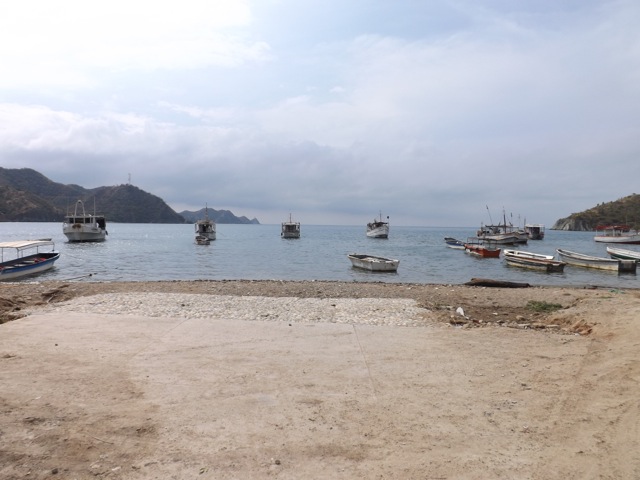
The city of Santa Marta, birth place of pop singer Shakira, is a mere four hours by mini bus along the coast from Cartagena. A further five minutes along the coast is the little fishing village of Taganga.

wpid-dscf2839-2013-12-9-16-57.jpg

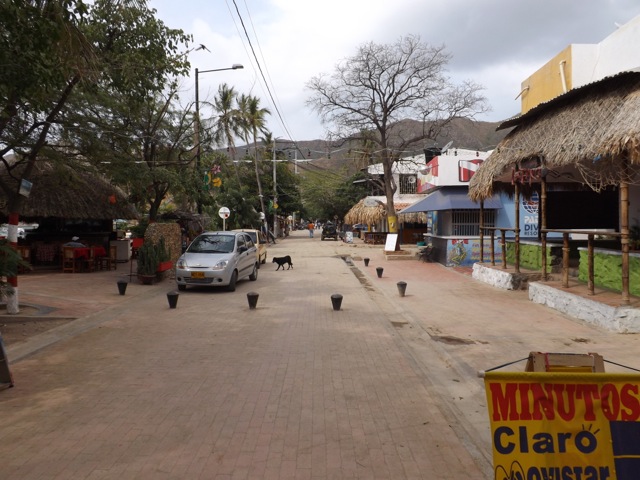
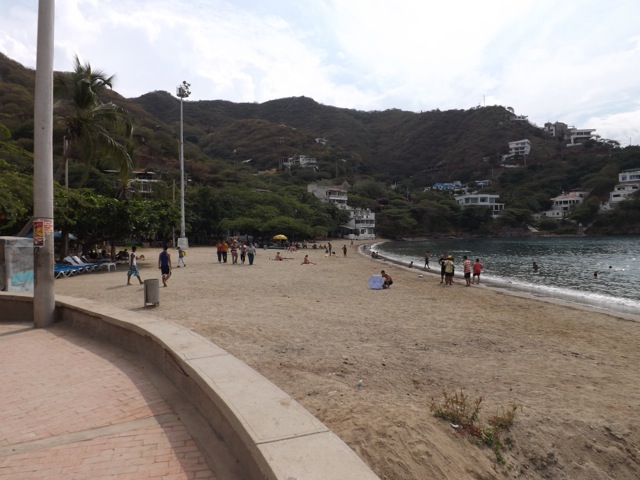
While the township looks sleepy, it’s actually a popular place for tourists with over 30 hostels and hotels scattered through the many dirt roads. Walking down any of these dirt roads towards the beach and the town changes, becoming more like a large beach resort with many restaurants and beach kiosks along the beachfront.

wpid-dscf2847-2013-12-9-16-57.jpg

While the town itself is sleepy, the bay is a prime location for snorkelling, diving and fishing. It’s also close to Tayrona National Park, with its short hikes and many other quiet beaches to visit.

wpid-dscf2844-2013-12-9-16-57.jpg

But more importantly, the beach town is the gateway to Sierra Nevada National Park and the popular Jungle Trek to Ciudad Perdida – Colombia’s Lost City. Taganga is also the perfect place to recover once having completed the trek.

And like most places in South America, Colombia is a Catholic culture, and they go crazy for christmas…

wpid-img_1592-2013-12-9-16-57.jpg

Next, I head back to Cartagena for my final couple of days in South America before I embark on a 6-day Caribbean cruise via the beautiful San Blas islands on my way to Panama.

The World Wanderer
Cartagena, Colombia – Impressions

Cartagena is a famous sea port on the Caribbean Coast in northern Colombia. Thirteen hours north of Medellin, it’s the hottest place I’ve been on my travels so far. At the beginning of winter it was averaging a humid 33ºC.

Cartagena is famous for being the seat of the Spanish Inquisition from where, in their lust for gold, they destroyed many of the South America’s native cultures. It was also one of the most popular plunder sites for the infamous pirates of the Caribbean.

To defend against the pirate attacks the city was surrounded by a thick wall. Five hundred years later and the wall is now a World Heritage site with Old Town – the well maintained area within it – a popular tourist destination.

wpid-dscf2821-2013-12-3-20-35.jpg

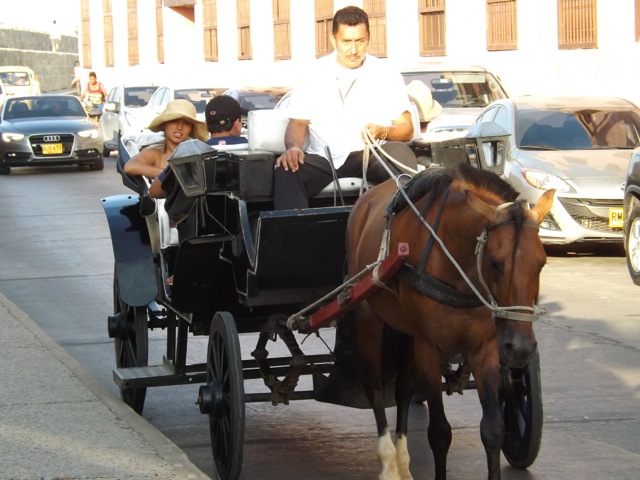
Old Town is not large, taking only 20-30 minutes to walk around. And while car traffic is permitted along the thin streets, it’s not uncommon to see people being ferried around in something little more eco-friendly…

wpid-dscf2830-2013-12-3-20-35.jpg

While no longer needed to protect against pirates, the wall is used by day as a major walkway around the city and on weekend as a place to dance the salsa. While the murky brown waters and rocky beaches of the coast are not wonderful to look at, and are dangerous to swim in, they do offer sea breezes providing some relief from the muggy heat.

wpid-dscf2827-2013-12-3-20-35.jpg

To defend the walls cannons were placed along its length. Now only the barrels remain protecting Cafe del Mar, a popular but expensive restaurant and nightspot.

wpid-dscf2831-2013-12-3-20-35.jpg

In the distance and under repair is the Palace of the Inquisition, a regular stop for party buses most weekends. The buses, each having their own salsa band, drive to many places around the city, eventually finishing at the party zone of Old Town.

wpid-dscf2822-2013-12-3-20-35.jpg

You can get lost in the romance of Old City, in the sea, the sun and the charm, until you round the corner and discover New City on the other side of the harbour.

wpid-dscf2832-2013-12-3-20-35.jpg

Next, I’m back on the Malaria tablets as I head along the coast to Taganga, a small beach town beside Tayrona National Park, the gateway to the jungle and Colombia’s Lost City, Ciudad Perdida.

The World Wanderer

Galapagos Islands Cruise

The Galapagos Islands are an amazing set of volcanic islands just under 1000km from mainland Ecuador. There are several ways to see the islands each with benefits and drawbacks:

  • Pre-booked cruises are the most popular means to see the Islands and are commonly booked from the mainland. They are perfect for those with only a short vacation time but can also be the most expensive.
  • Booking a Last Minute cruise when you arrive on the islands is more suitable for long term travellers or those with plenty of available time. The cruises are up to half the price of a pre-booked cruise but there may be some wait before departure day.
  • Island hopping is possibly the cheapest means of seeing the islands and can be tailored to however long you have available. They take more work to organise and you can’t get to some of the more distant islands the cruises can take you to.

For my trip to the Galapagos, I simply flew to the Islands and booked a Last Minute 4-day cruise. The cruise started several days after I booked it, giving me time to explore parts of Isla Santa Cruz and Puerto Ayora.

Day 1
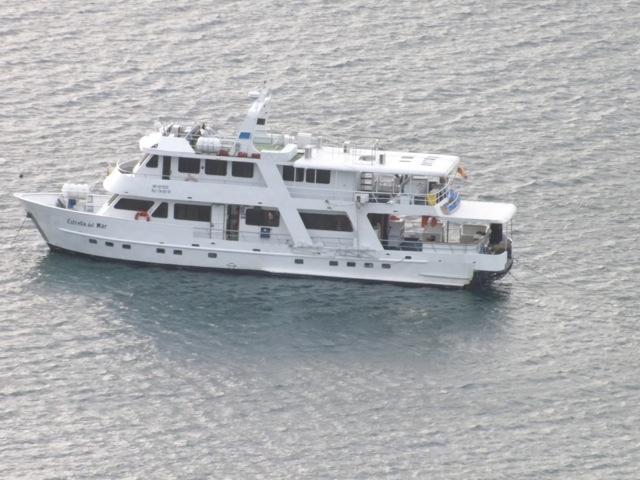
The day began early with myself and my Uraguayan friend leaving the hostel at 7a.m., having a quick breakfast in town before catching a taxi to the bus terminal. After a 90-minute mixed bus and ferry ride we arrived at the airport where we met our tour guide and some of the other passengers. We were taken to the boat, the Estrella del Mar – Star of the Sea. The boat’s passenger capacity was 16 and my friend and I were the oldest of the group.

wpid-dscf2273-2013-09-27-20-42.jpg

Onboard the Estrella del Mar we were given a delicious lunch and as we sailed to our first destination, Isla Bartolomé, had a chance to get to know the other passengers. As we travelled the choppy seas and the rocking of the small boat caused me to feel a little sick, so I took some sea sickness pills I had left over from my Antarctic cruise.

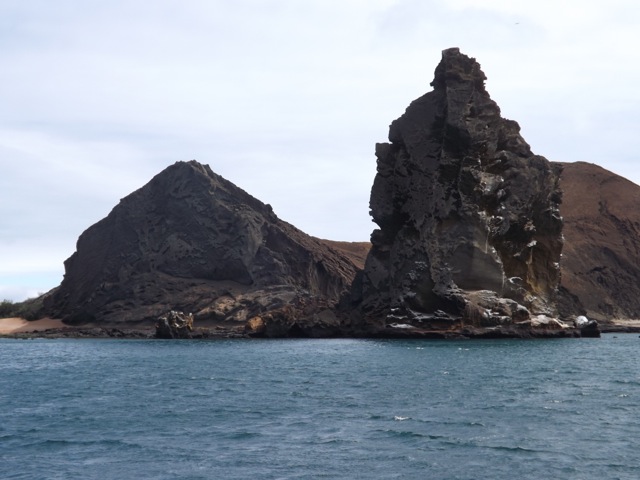
We arrived into the calm waters of Bartolome Island in the early afternoon and donned our wetsuits. We were dropped off on the shore and snorkelled for an hour around the pinnacle – a large piece of weathered rock sticking up at the edge of the beach.

wpid-dscf2240-2013-09-27-20-42.jpg

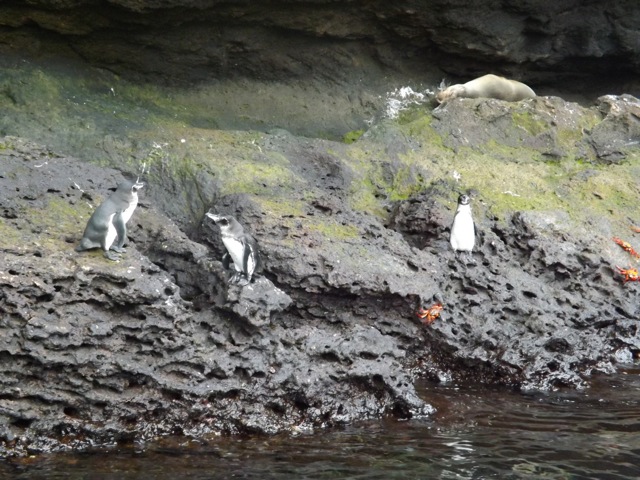
While there wasn’t any coral, there were plenty of fish. As we swam we located several Galapagos Penguins hanging out on the rocks and the occasional Galapagos sea lion doing the same.

wpid-dscf2252-2013-09-27-20-42.jpg

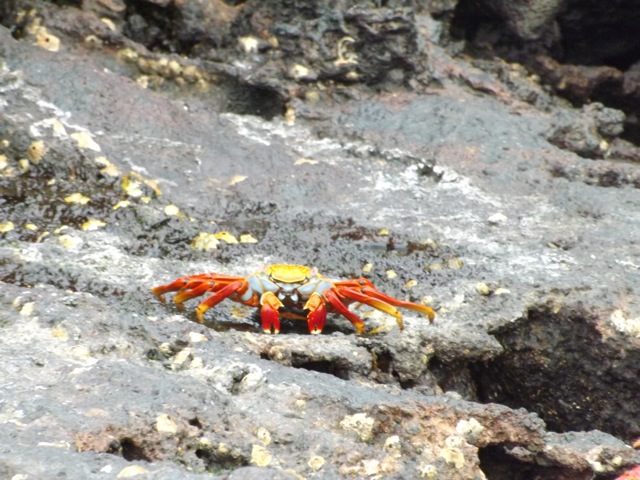
There were also plenty of small colourful crabs climbing the rocks so I swum in for a closer look. As I got nearer to the shore, I went underwater and came face to face with a White Tip Reef shark sleeping in a small cave under the rocks. While they aren’t usually aggressive, I was still cautious for the few minutes I watched it. I did eventually get a shot of the colourful rock crab.

wpid-dscf2249-2013-09-27-20-42.jpg

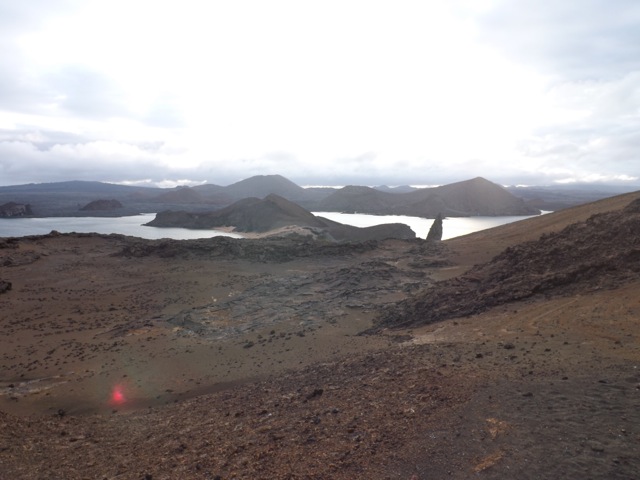
After returning to the beach, we were taxied to the boat where we changed before being delivered to another part of the island, to hike to the top of a volcanic hill. There were great views and our guide was very knowledgable about the formation of the islands.

wpid-dscf2266-2013-09-27-20-42.jpg

After the hike, we returned to the boat for dinner while it headed north. At about 11p.m. we cross the equator.

Day 2
Our cabin was on the lower level at the front of the boat. So, while we were in motioned overnight, the cabin was very hot even with the air conditioning on.

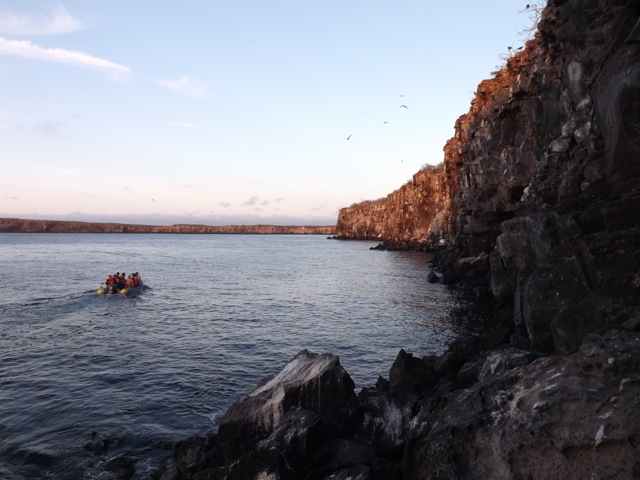
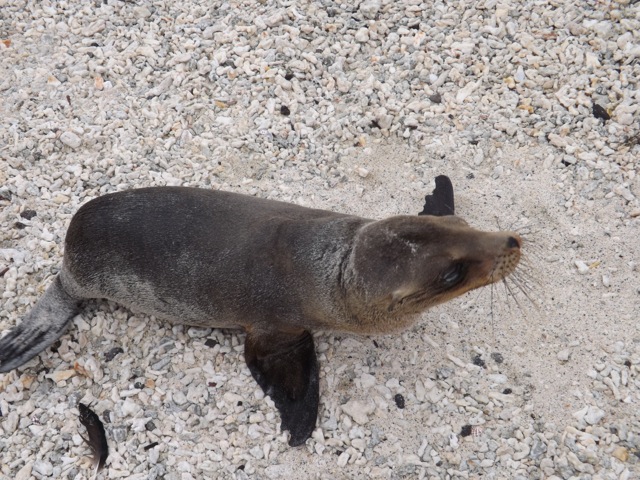
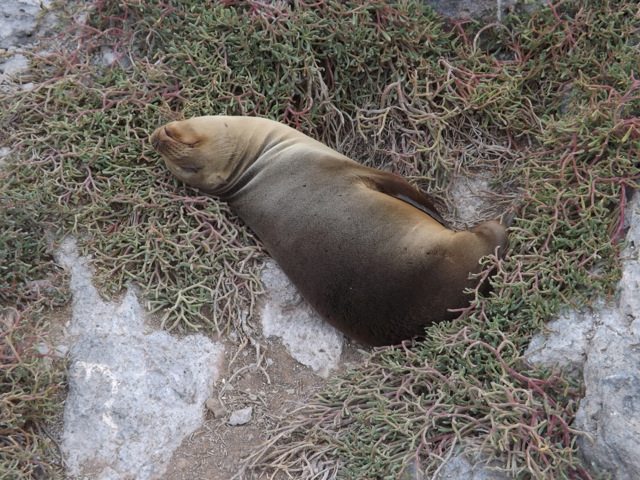
In the early hours of the morning we arrived at Isla Genovesa, an extinct volcano where a massive sinkhole had filled with water to form a natural harbour. After a large breakfast, we were taken in the zodiacs to the beach, where we went for a short walk around the beach and a small patch of mangroves. This allowed us to see several nesting species of birds, black Marine Iguanas and fur seals, including this cub.

wpid-dscf2281-2013-09-27-20-42.jpg

We then changed into our wetsuits on the beach before heading into the water. We snorkelled for about an hour in the fairly murky water. We saw plenty of fish similar to yesterday, but little else. We were taken back to the boat briefly before being taken across the bay for more snorkelling. This is the only spot on our cruise where Hammerhead sharks are commonly seen but after an hour in the water we had no luck. I had fun swimming a little way down the shelf that drops off to a depth deeper than the ships sonar can see, making it more than 350m deep.

wpid-dscf2303-2013-09-27-20-42.jpg

Back on the boat, we had lunch and relaxed for a couple of hours. Many of us napped after a long morning of swimming. When we were ready, a small group of us were taken to third spot in the bay for yet more snorkelling. It was calmer and warmer in the water as the sun had broken through the clouds during lunch. We swam along the wall of the bay, the rocks climbing up about 20 metres. We were joined by a couple of sea lions, but they only played for a few minutes before heading back to their rocks. We snorkelled on, but saw little more.

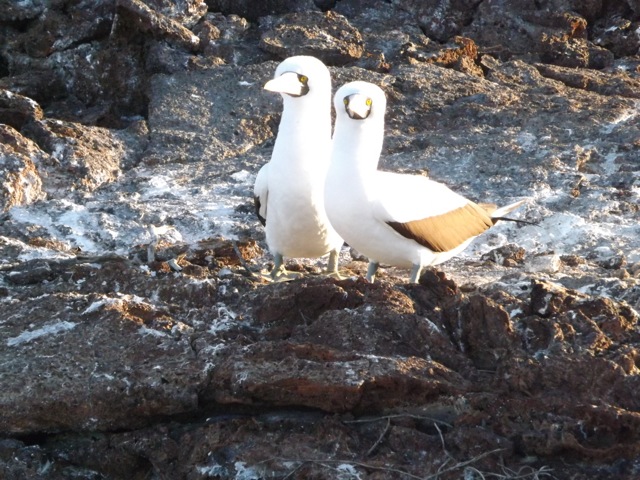
Lastly, after heading back to the boat for a shower, we climbed to the top of the rocky wall and walked through the hardy trees to see more wildlife. We spied the Blue Footed Boobie, a Petrel, a rare sighting of a Galapagos Owl – which actually hunts during the day – and a lovely pair of boobies, Nazca Boobies that is…

wpid-dscf2298-2013-09-27-20-42.jpg

After the hike, we were taken back to the boat for dinner and an early night following a very busy day. During the night we headed back across the equator and it was again very rocky aboard.

wpid-dscf2304-2013-09-27-20-42.jpg

Day 3
Overnight the rocking of the boat caused me to feel very sick, but only in my cabin, so I forwent my usual evening movie and just went to sleep. And this was after having taken seasickness pills. I awoke in the morning to calm seas and felt much better.

After a hearty breakfast, we set about getting ready for our first activity, a short hike across South Plaza Island to see some wildlife.

We started on the beach where many fur seals were sleeping.

wpid-dscf2308-2013-09-27-20-42.jpg

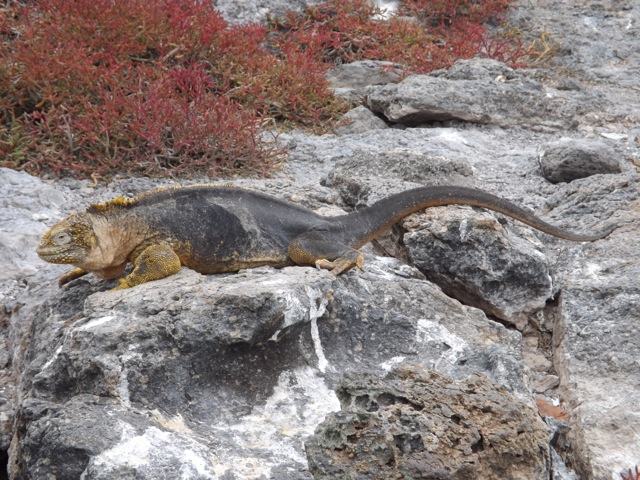
We then walked along the rocky trail stopping for photo opportunities and discussions about the flora and fauna. Among the various species of birds we spied a land Iguana. This one is a metre long.

wpid-dscf2309-2013-09-27-20-42.jpg

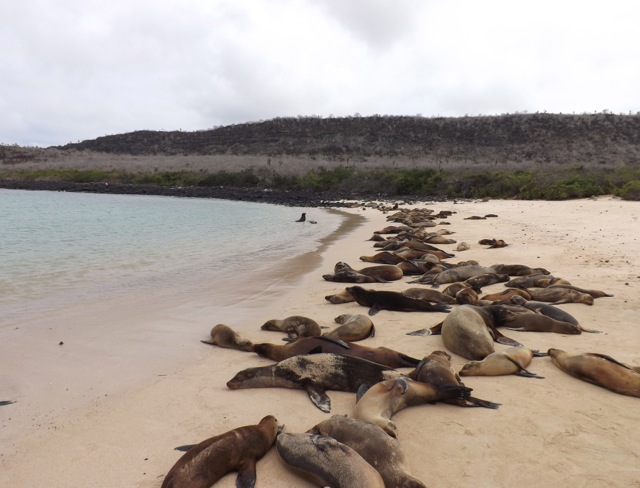
Then it was back to the boat and off across the strait to Isla Santa Fé where we had lunch and prepared for another walk. We landed on the beach amidst plentiful napping sea lions…

wpid-dscf2324-2013-09-27-20-42.jpg

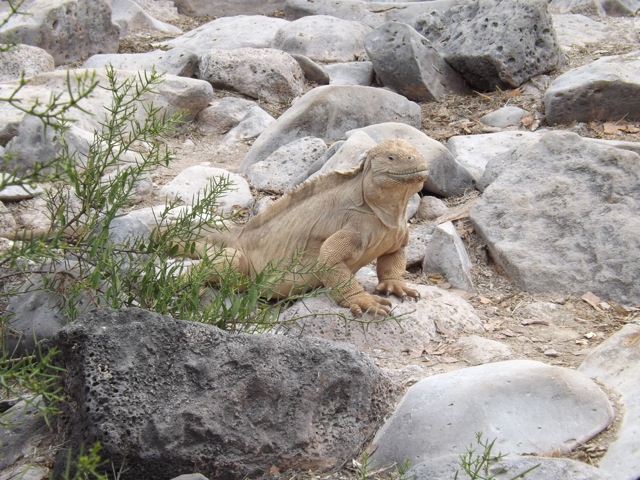
We walked along a rocky path seeing two species of lizard, the metre long yellow land Iguana…

wpid-dscf2334-2013-09-27-20-42.jpg

…and the 10cm long gecko.

wpid-dscf2332-2013-09-27-20-42.jpg

Then, it was back to the boat to change into our wetsuits in preparation for our final snorkelling session of the cruise. Swimming in the bay at Isla Santa Fé makes me want to buy an underwater camera. Firstly, there were playful sea lions and I finally found my first coral in the waters. It wasn’t very colourful, but some coral is better than no coral. Then, as we snorkelled across the small bay, we were joined by sea turtles and stingrays sucking at the sand on the bottom. All in all, an excellent snorkelling session for our final day.

wpid-dscf2336-2013-09-27-20-42.jpg

Back on the boat, we set sail for Puerto Ayora harbour where we dropped anchor for the evening.

Day 4
The final day on the cruise was a little disappointing. When booking the cruise, we enquired if they would be going to either the Giant Tortoise colony or to Charles Darwin Research Station, where they look after the young animals. We were told the cruise would finish at the Research station, so prior to the cruise, my Uraguayan friend and I headed up to see the Giant Tortoises. As it turned out, the group was taken to see the Giant Tortoises. But instead of seeing them again, we called an end to our trip and headed back to the hostel.

Summary
Overall, the cruise around the Galapagos Islands was great. While the islands don’t feel as tropical as other Pacific Islands, the diverse species of animals, especially the ones that are native to these islands were amazing. A most enjoyable cruise.

After a couple more days in the Galapagos Islands, I fly back to Quito.

The Trail Wanderer
Galapagos Islands, Equador – Adventures

The Galapagos Islands is an archipelago of volcanic islands about 1,000 kilometres off the coast of Ecuador. While they’re technically Pacific Islands, they don’t have the same tropical islands feel like that of Tonga or Fiji. There are no palm trees here, for example.

Most people travelling to the Galapagos come for a cruise to see the diverse animal species. Most cruises are organised from the mainland before arriving and can be expensive. So, I decided to book a flight to the islands and to look for a ‘last minute’ deal when I got there, like I had for Antarctica 7 months ago. If you have time to spare, this is the cheaper way to go.

After an hour in a taxi from the hostel to the airport, a 30 minute stop off in the port city of Guayaquil and a 90 minute flight, I finally arrived on the islands. The airport is situated on a desert island, not the sandy romantic type, but a more rough dry vegetation type. What they don’t advertise is the US$100 entry fee into the National Marine Park – which covers all of the islands. Luckily, I had just enough on me, otherwise they would have taken my passport and I would have had to pay and collect it somewhere in town.

wpid-dscf2162-2013-09-22-22-081.jpg

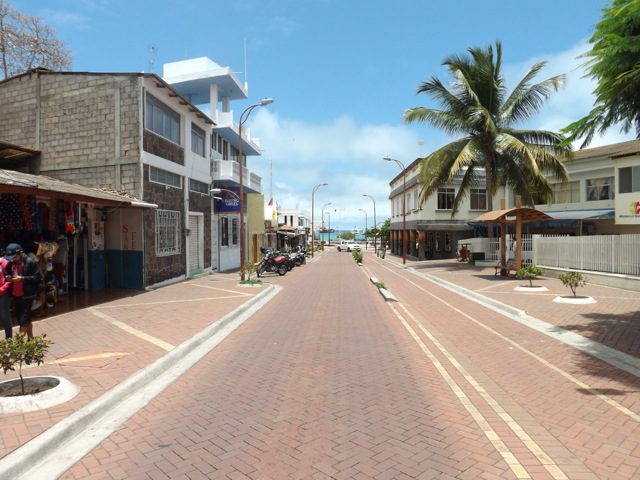
I caught a bus to the ferry pier, caught a ferry to Santa Cruz Island, and another bus to Puerto Ayora. After my early flight I napped for the hour and a half it took to cross the island. I woke as I arrived in the port town…

wpid-dscf2170-2013-09-22-22-08.jpg

At the hostel I met a Uraguayan guy, Ernesto, who I ended up hanging out with for the rest of my time on the islands. We were greeted by the owner Kevin, from the US. Kevin took us on a free tour of the town introducing many of the aspects that were useful to know. At the end of the tour, Ernesto and I booked a 4-day cruise at a fairly good price. It was a couple of days away, so we explored some parts of the island.

Giant Tortoises
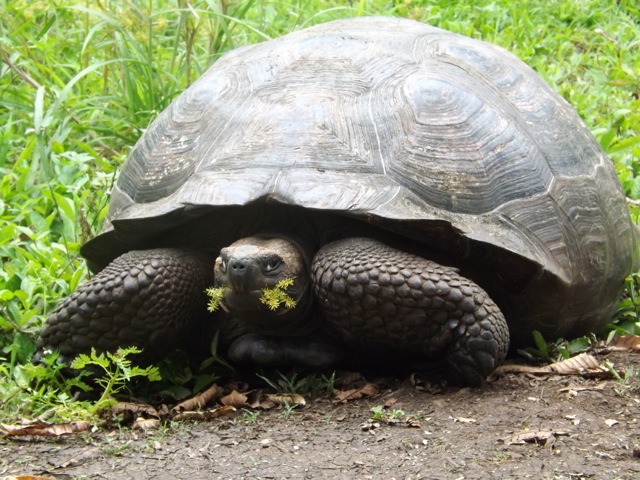
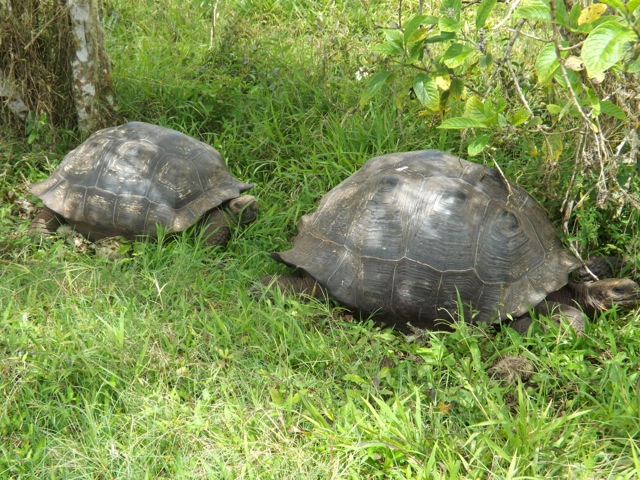
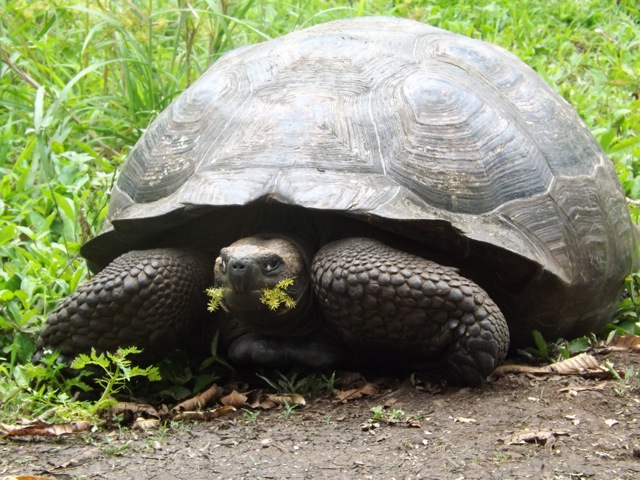
At the top of the island is a sanctuary for the massive giant tortoises that can only be found on these islands. They wallow in mud, chew grass and take very leisurely strolls down the side of the main cross island road. While fencing is used to separate properties on the islands, the tortoises are allowed to go anywhere they want, albeit slowly.

A taxi to anywhere in town is US$1 by law, but to get to the Giant Tortoise sanctuary it costs US$30 and the driver who takes you up there becomes your impromptu tour guide – thankfully Ernesto could translate. At the end of the tour, the driver takes you to several other places before dropping you back at your hostel.

wpid-dscf2201-2013-09-22-22-08.jpg

The reserve on Santa Cruz Island isn’t large but we met many of the tortoises who were just sitting around munching grass or drinking muddy water. The very large ones are the males (some 1.5m long) while females are smaller. There were several young aged 3-5 years, which were about the size of normal turtles. You’re not allow to approach to within 2 metres of the animals, but even at 5 metres some of them pull in their heads and hiss. They could no doubt give a nasty bite, so we kept our distance.

wpid-dscf2185-2013-09-22-22-08.jpg

Lava Tube
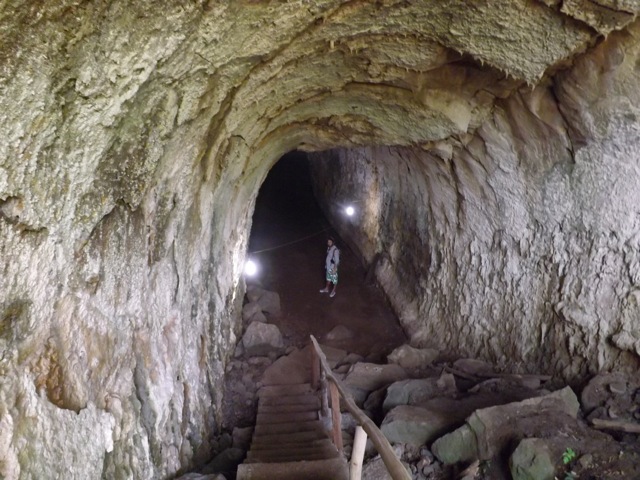
After visiting the tortoises, the driver took us to a large lava tunnel and dropped us at the start before going to wait for us at the exit. Stairs descend into the tube, which was slightly taller and wider than a train tunnel. The tube is nearly 500m long and is lit by sporadic lights.

wpid-dscf2207-2013-09-22-22-08.jpg

Near the end the tunnel roof descends, giving only a crawl space for about 2 metres. After crawling through on our bellies we met the taxi and were taken back to town.

Swimming Hole
While it’s not steaming hot in the islands, it can be a little muggy first thing in the morning. The day before the cruise was cloudy but warm, so we decided to find the swimming hole we’d been told about. Just prior to leaving, an English couple arrived at the hostel and we invited them to join us.

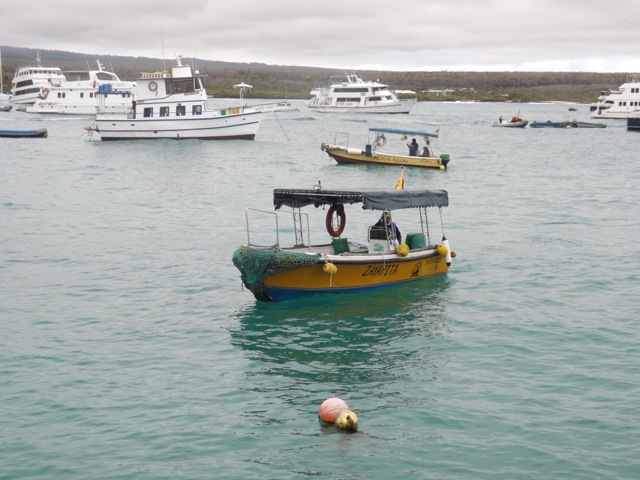
From the pier at the centre of town a water taxi takes us across the small harbour for 60 cents, zig-zagging through the yachts.
wpid-dscf2229-2013-09-22-22-08.jpg

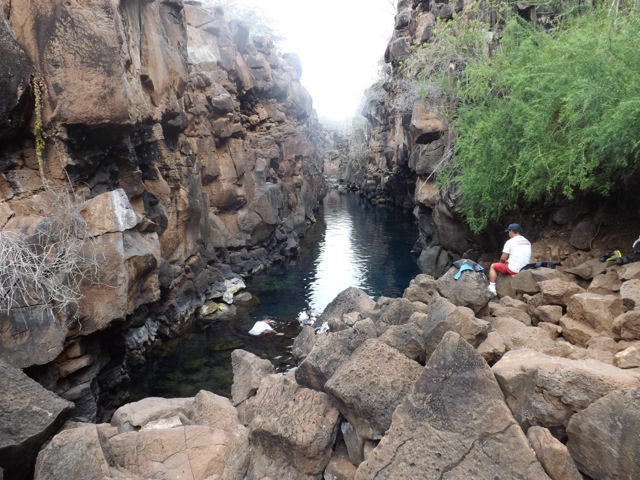
We then walked across volcanic rock for 20 minutes to a natural fissure in the rock about 40 metres deep. The bottom 10 metres is filled with water.

wpid-dscf2217-2013-09-22-22-08.jpg

A pair of bikini clad girls from Florida at the edge of the swimming hole told us the water was cold. Of course the best way to get into cold water is to dive. But, the water wasn’t as cold as expected and the four of us ended up swimming for an hour, occasionally climbing up the sides and jumping from the rocks.

Eating
Puerto Ayroa has plentiful restaurants and being in the Pacific, seafood is common. For the three nights we stayed we ate in three different places. Firstly, at the pier where the boats bring daily fresh catches. In the morning they sell their catches of fish and crayfish, then in the evening they have a cheap seafood fry up. Very tasty.

wpid-dscf2358-2013-09-22-22-08.jpg

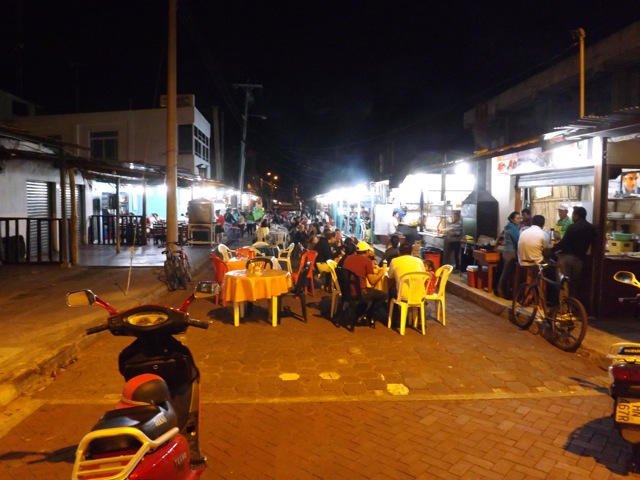
On night two, we discovered a street where all the small restaurants block the road by setting up plastic tables down the middle. At one particular restaurant, I ate a local fish dish – Caviche – where they slowly cook raw fish in a lime throughout the day. Yum!

wpid-dscf2361-2013-09-22-22-08.jpg

Day three, with our new English friends, we ate at a normal restaurant. Boring, but still tasty.

Tortuga Bay Beach
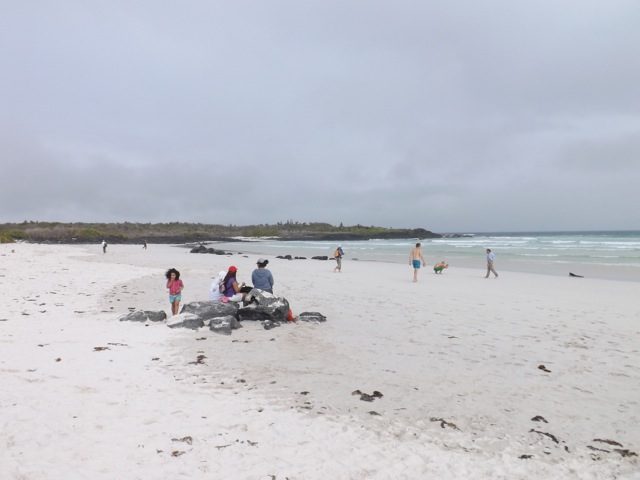
Lastly, on returning from the cruise, we decided to head to Tortuga Bay beach, a 30 minute walk along a 2.5km path. The day we went was warm but very cloudy and when we arrived at the beach it was beautiful but rather cold.

wpid-dscf2349-2013-09-22-22-08.jpg

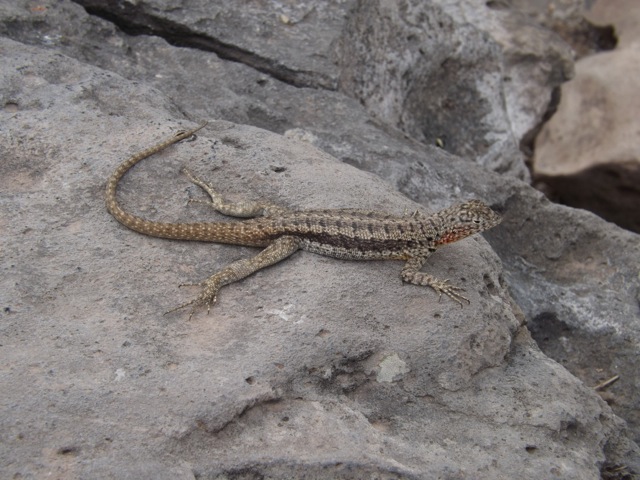
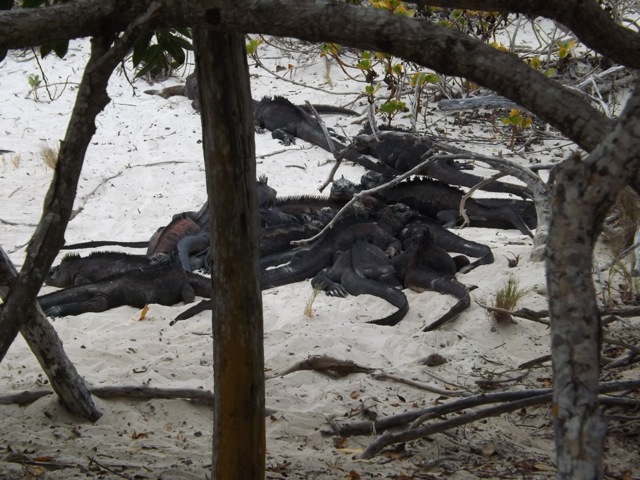
As we walked we spotted several black Marine Iguanas wandering down the beach. Middle right in the above picture. When necessary, he uses his long tail to swim through the surf. Then, at one end of the beach, we also found an Iguana pile…

wpid-dscf2356-2013-09-22-22-08.jpg

As evening approaches, the Iguanas head a special location and pile on top of each other to conserve heat during the night. The Marine Iguanas are the only species of in the world that do this, and at a half a metre long each, that’s a big pile.

Next, the 4-day cruise around the islands.

The Trail Wanderer

Mancora, Northern Peru – Impressions

Máncora is the second most popular tourist destination in Peru, with Cusco / Machu Picchu the first and Arequipa / Colca Canyon the third. While most of Peru’s tourist destinations have plentiful tours – hiking, boating, climbing, rafting and the like; Máncora is different. There are tours, but the main attraction is the sand and the amazing beaches.

My original plan was to skip Máncora on the way to Ecuador. But the bus from Lima to Quito is nearly 2 days long, so to break it up, I decided to wait for the bus to pass through by hanging out at the beach for a few days. Sounds horrible, I know, all that waiting.

Máncora has a local population of just over 9,000 people and has an average altitude of 11m above sea level. This is of interest because I’ve spent most of my time in Peru at 3,000m and above.

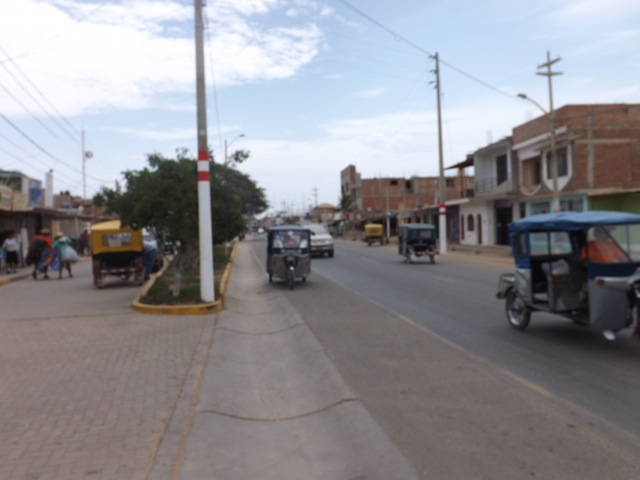
On arriving in the town, the first thing I noticed was the number of Tuk Tuks on the main street.

wpid-dscf2149-2013-09-22-22-08.jpg

As I stepped off the bus I was accosted by the usual taxi drivers but made sure I booked my ticket to Quito first. Then it was a mad dash on a slow Tuk Tuk to my hostel, which was right on the beach front.

wpid-dscf2147-2013-09-22-22-08.jpg

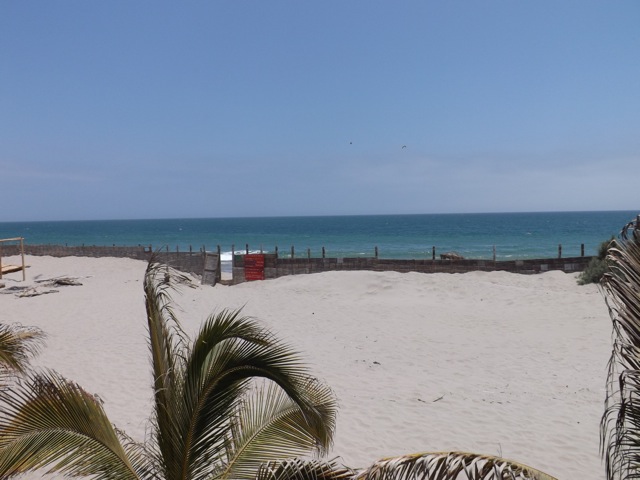
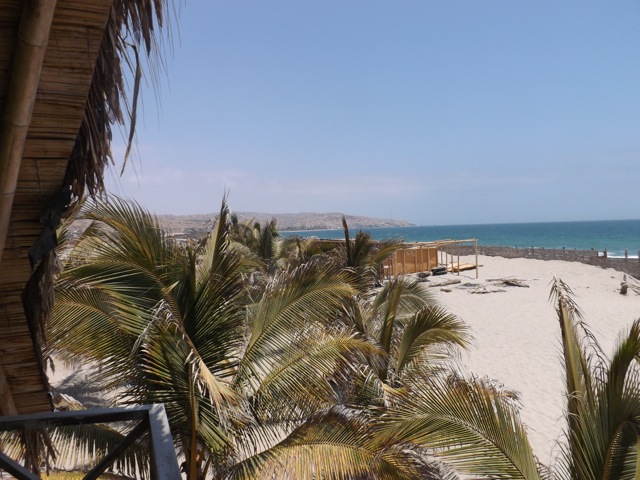
My cabaña was a two level dorm with 5 beds and a balcony which looked out of the Pacific Ocean, only 20 metres away. The golden sand is hot and the sun blaring, but what do you expect from the beach?

While I went into town a couple of times; once for dinner at one of Máncora’s many amazing restaurants, and once for a look around. But I didn’t find much there as it’s a beachside town and people don’t visit for its shopping. So, for most of the four days I was in town, I just lay around on the beach, wrote, or swapped movies. It seemed that everyone staying at the hostel had a hard drive. So, while we were sitting on the beach, our computers were copying our selections. Honestly, what else is there to do on the beach? Such a hard life!

wpid-dscf2148-2013-09-22-22-08.jpg

Then at the end of the 4 days, my bus arrived and I was off again to Quito.

The Trail Wanderer
Ica and the Huacachina Oasis, Central Peru

Ica is a small city in central Peru about 300 km south of the capital, Lima. Ica lies at the top of the Atacama desert that stretches south for over 1000 km into northern Chile. It’s the driest hot desert in the world (Antarctica is the driest cold desert), with parts receiving only 1 mm rainfall a year. The fact that Ica is in the desert is very obvious because it’s surrounded by massive sand dunes.

wpid-dscn3521-2013-09-3-14-54.jpg

As a size reference, that small black shape near the top is a dune buggy designed to carry 12 people…
wpid-dscn3522-2013-09-3-14-54.jpg

While Ica doesn’t have that much to offer the tourist, just west of the city is a place called the Huacachina Oasis (pronounced waka-chee-na). The oasis is literally a large pond surrounded by the massive sand dunes.

wpid-dscn3524-2013-09-3-14-54.jpg

A very small township has been built in a horseshoe in the gaps between the dunes and the pond; with hotels, hostels, bars, clubs and restaurants – the most popular being The Huacafuckingchina.

After arriving, checking into my hostel and having breakfast, I went for a walk around the pond. Five minutes later, I was back after having seen most of the town. So, I decided to take a ride across the pond on a pedal boat with a friend from the hostel.

wpid-dscn3531-2013-09-3-14-54.jpg

That killed another half an hour and while getting out of the boat at the end, I managed to drop my camera into the water. BUGGER! Guess I’ll be buying a new camera when I get to Lima… So, that ended my ability to take photos. Pictures from here on aren’t mine.

In the afternoon, I booked in for what most people come here to do… Sand boarding. Late in the afternoon, ten of us piled into dune buggy with the driver and drove madly across the dunes (madly is the only way possible on these sand dunes!) skidding and bouncing around before stopping at the top of a large dune.

For those that had previously snow boarded are able to sand board standing up, while the rest of us went down on our bellies.

wpid-huacachina21543-2013-09-3-14-54.jpg

The buggy then picked us up at the bottom and shot us off to another, taller and steeper dune; each one growing more and more intense. It was exhilarating to say the least, but two hours goes past far too quickly…

While the sand boarding is fairly inexpensive, hiring quad-bikes and touring the dunes is far more expensive. Beyond that, there’s not much to do and staying longer than a day leaves you to just sunbathe, if that’s your thing. Early the next morning, I caught the bus to Lima.

After a few days in Lima, I plan to travel to Huarez to do some hiking in the Cordillera Blanca – the White Mountains.

The Lone Trail Wanderer