Tag Archives: Ruins

Merida & Uxmal, Mexico – Impressions

Capital city of the Yucatán peninsula region and with one million people, Merida is the 12th largest city in Mexico. Merida was built by the spanish conquistadors in 1542 and named after a city in mother Spain. It was built on top of a Maya city and some consider it to be the oldest continually lived in city in the Americas.

wpid-487303-mp0404twoweeks-2014-03-4-19-46.jpg

Merida also has the esteemed privilege of once having the most millionaires in the world living there and the architecture in the city shows both this and its colonial decent.

wpid-dscf3990-2014-03-4-19-46.jpg

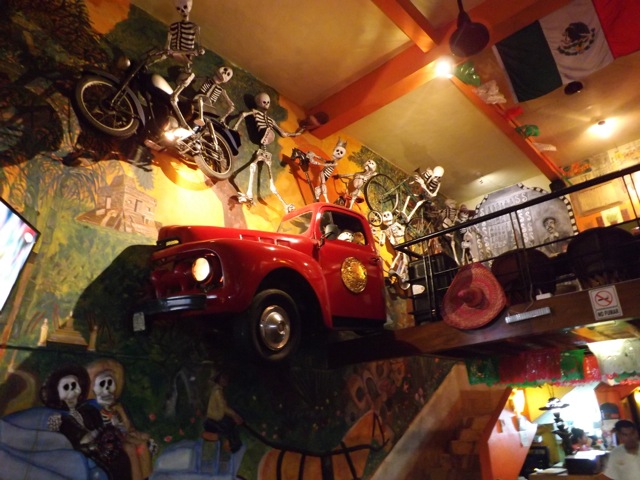
The centre of the city was alive with people during my visit, with the main plaza seemingly full at all hours of the day and night. This was primarily due to the city celebrating Carnival, plus, like many other plazas in Latina America, the main plaza is a free internet hotspot. A quick walk around the historical centre and I found many hotels, restaurants, horse-drawn imperial wagons and smaller plazas, all well maintained and functional. My favourite restaurant even has a wall commemorating the day of the dead…

wpid-dscf4091-2014-03-4-19-46.jpg

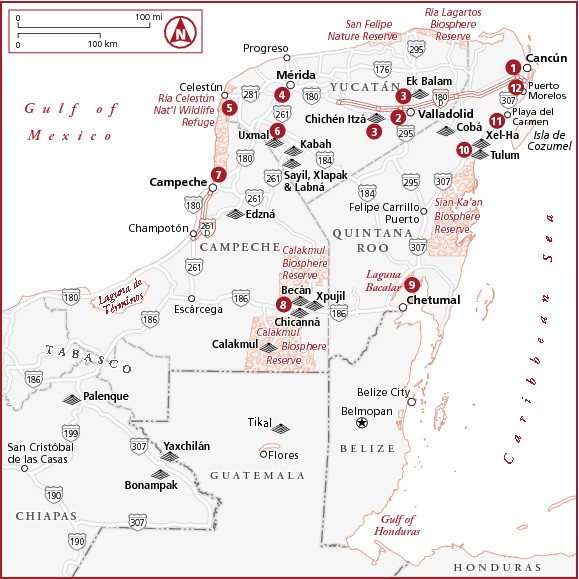
Beyond the city, the Yucatán Peninsula was the main region of the Maya civilisation with the majority of ancient cities scattered around the countryside. Studies have estimated the number of Maya cities at nearly 5000 and this includes one of the most important cities, Uxmal – pronounced ‘ooshmaal’.

wpid-dscf4011-2014-03-4-19-46.jpg

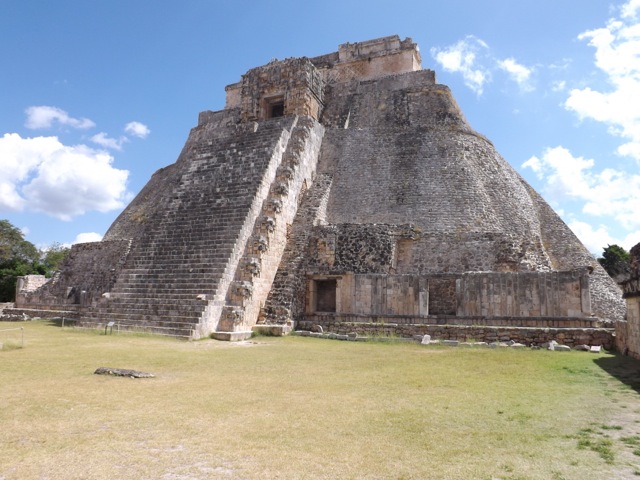
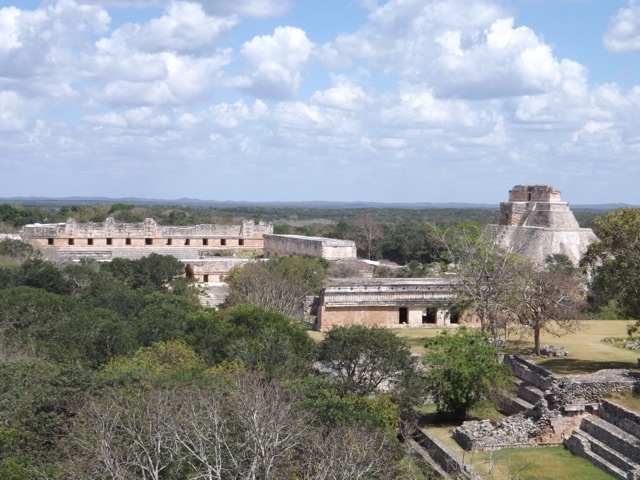
Uxmal was thought to have been built around 200BC and was abandoned before the arrival of the spanish 1700 years later. The city is said to span 35 square kilometres, with more than 95% still covered in jungle.

wpid-dscf4050-2014-03-4-19-46.jpg

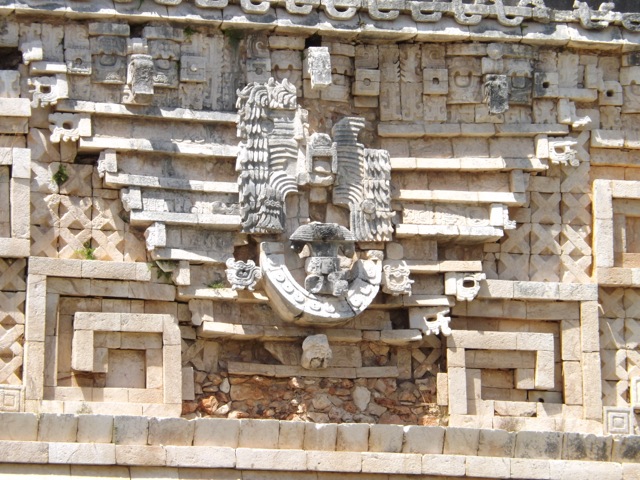
The derived meaning of the name Uxmal is ‘three times’, because the city was said to have been rebuilt three times by different kings through ages. The intricacies of the carvings on the buildings also surpass any of the other ruins I’ve seen to date.

wpid-dscf4057-2014-03-4-19-46.jpg

Uxmal has a large section set aside for nuns, who were bred for ritual sacrifice. This large plaza and its associated buildings are among the original buildings in the city.

wpid-dscf4028-2014-03-4-19-46.jpg

There is also a very well-defined ‘court’ for their ball games, which was a similar sport played in most other Mayan cities. Teams could only use the grassy area in the centre and using only their hips – and sometimes paddles – to get a ball made from rubber through a goal. A goal is the just visible protruding ring on the right, the one on the left is no longer there. Because of the growth of rubber trees here, rubber balls were invented in this part of the world 3,500 years ago.

wpid-dscf4035-2014-03-4-19-46.jpg

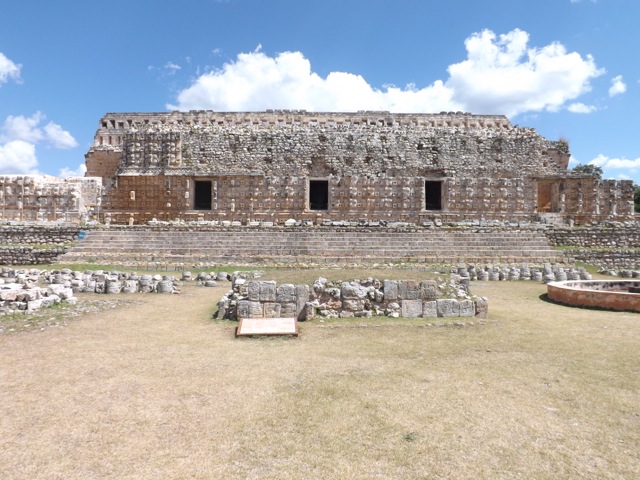
After a two hour tour around the ruins in the heat, we were taken 16km south to Kabah, a smaller city that was invaded and integrated into the city-state of Uxmal, one of several in the region.

wpid-dscf4076-2014-03-4-19-46.jpg

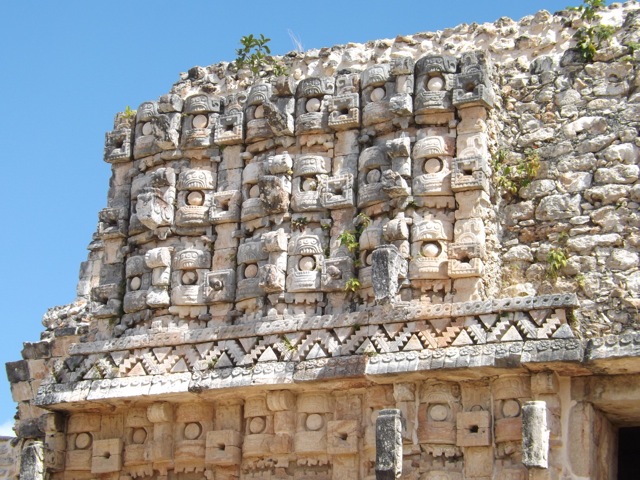
Kabah’s temples are being restored and will eventually hold the original 260 masks on its walls, representing the 260 days as defined in the Maya ritual calendar.

wpid-dscf4079-2014-03-4-19-46.jpg

Next I head to the town of Valladolid to visit another Maya site, the city of Chichén Itzá.

The World Wanderer

Palenque, Mexico – Impressions

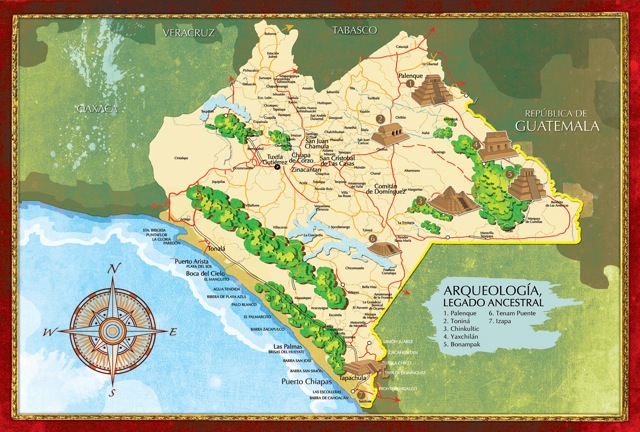
Palenque is a small city in the Chiapas region of southern Mexico on the border of Guatemala. There’s not much going on in the city itself with the city’s recognised monuments all being covered for restoration while I was there. But it’s not the city that draws people to this region, it’s the nearby ruins of the same name only 20 minutes away.

wpid-chiapas-mapa-arqueologia-2014-03-1-19-36.jpg

The Palenque ruins aren’t the only ones in this area though, there’s also Yaxchilán nestled on the Guatemalan border and Bonampak a further 40km south. It’s not difficult to get to any of the sites, with regular collectivos – taxi buses – going to the Palenque ruins every few minutes and daily tours leaving to the other two sites.

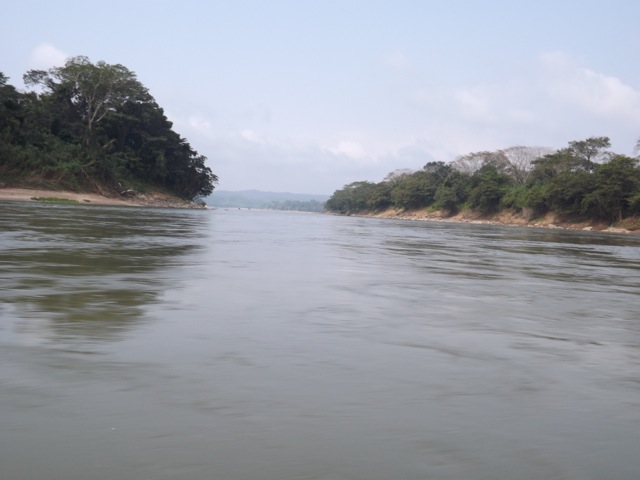
I began with a tour to Yaxchilán, a two and a half tour bus ride south of Palenque. The tour picked me up from my hostel at 6am and delivering me home at 7.30pm, so I prepared for a long day. The roads in Mexico are no better than anywhere else in Central America, but because of the early start I slept through the bumps and regular speed humps. There was even a stop for breakfast along the way, all included in the tour. We eventually arrived at Rio Usumacinta, the river that separates Mexico from Guatemala, and boarded a river boat for a 45 minutes trip.

wpid-dscf3778-2014-03-1-19-36.jpg

The river is wide and deep and is said to contain five metre crocodiles, but we only spied two small ones that were shy at our approach.

wpid-dscf3780-2014-03-1-19-36.jpg

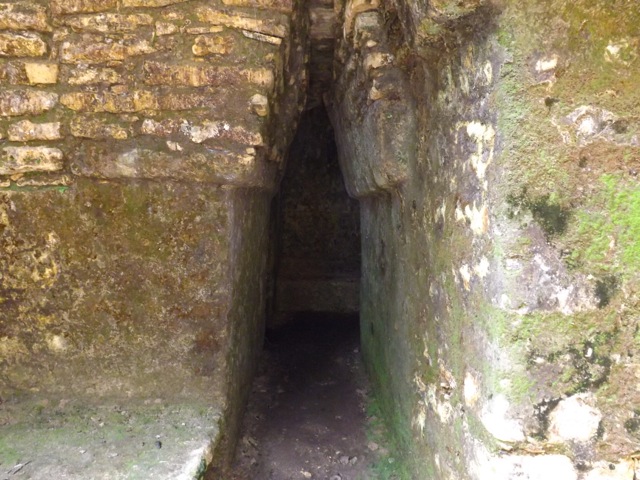
After another nap, we eventually arrived at the Yaxchilán ruins. To get into the site you need to walk through some dark tunnels made by the Mayans around 700AD. The tunnels are said to travel 30-40km to Bonampak to the south, but most are closed. There’s also an ancient ritual associated with the tunnels which involved the ingestion of magic mushrooms and walking through the tunnels in the dark being casted depending on which exit you emerge from.

wpid-dscf3794-2014-03-1-19-36.jpg

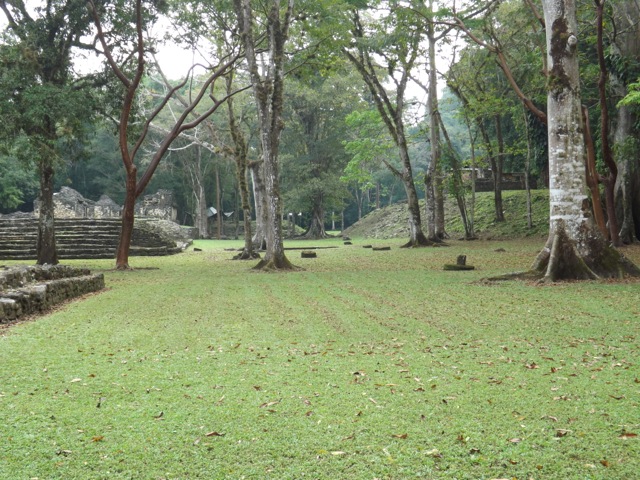
On the other side of the tunnels is the Grand Plaza stretching 750 metres in length with temples and buildings along each side. It was originally an open plaza, the trees have grown in the 14 centuries since the city was built.

wpid-dscf3808-2014-03-1-19-36.jpg

The Mayans had a fascination with ball games, where inevitably one of the players gets his head cut off. If it’s the captured leader of another city and he loses, chop chop and his head becomes the ball, if he wins he’s set free. If the match is between people from the same city then it’s the winner that faces the chop, that’s right, the winner. It’s an honour for him to be beheaded, as he goes forth into the underworld in style.

wpid-dscf3825-2014-03-1-19-36.jpg

In the Mayan world the royal family and priests had to be the fittest people, as they were the only ones allowed to climb the many steps to the temples or to the Grand Acropolis.

wpid-dscf3863-2014-03-1-19-36.jpg

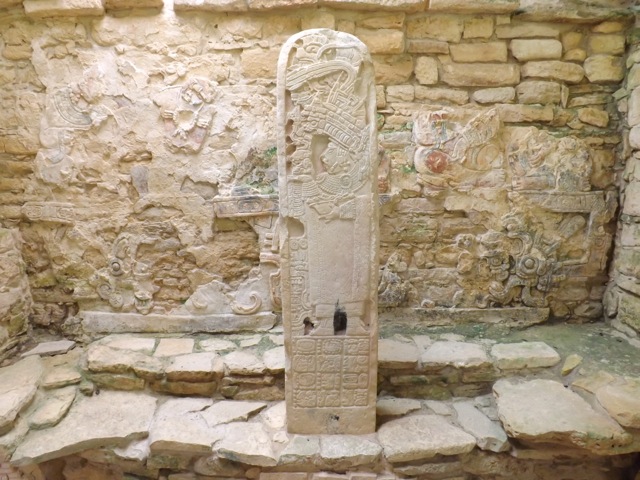
Dotted around the Grand Plaza are several Esteli – carved stone blocks. Most depict members of the royal family in different poses, often giving blood sacrifices such as the queen piercing her tongue and running a two metre rope through it, or the king having his penis pierced. Lovely.

wpid-dscf3860-2014-03-1-19-36.jpg

After a couple of hours at the site, we travelled back along the river to the bus then set off to Bonampak, which also has a grand plaza, although smaller than Yixchilán.

wpid-dscf3891-2014-03-1-19-36.jpg

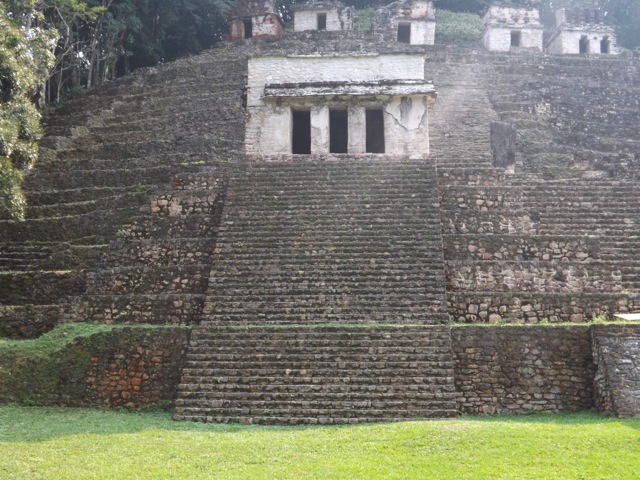
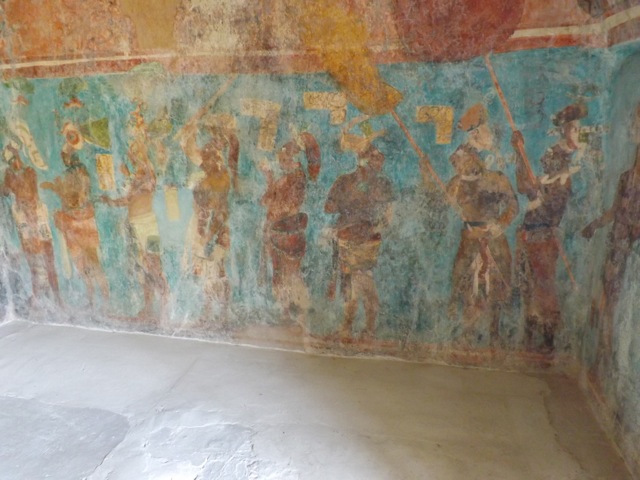
Bonampak was a ceremonial site important to the Yixchilán kings. Bonampak means ‘painted walls’ in the ancient Mayan language as on the inner walls of one acropolis are several full colour paintings.

wpid-dscf3912-2014-03-1-19-36.jpg

We only had an hour at Bonampak before it was time to head back to the city. We were thankful for the air-conditioned tour bus as the last couple of hours of the day became quite humid.

The following day, a couple of us caught a collectivo to the Palenque Ruins.

wpid-dscf3948-2014-03-1-19-36.jpg

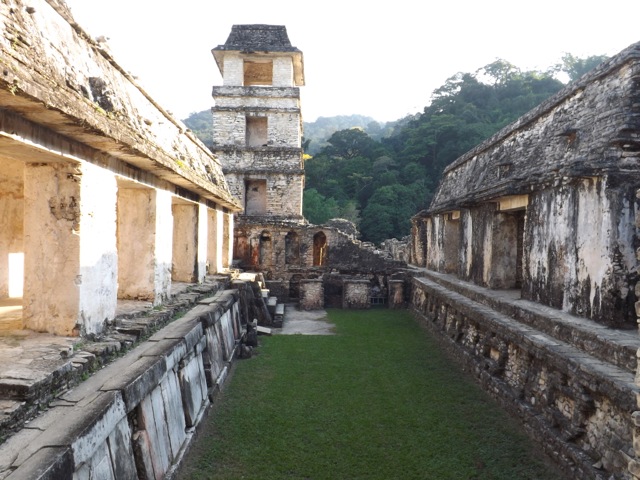
But since we arrived an hour before closing, entry was free but meant we had to rush around the complex. Still it was a wondrous place to visit and thankfully quieter near closing time. Similar to Yixchilán they have a grand acropolis, several temples and a palace boasting a tall watch tower.

wpid-dscf3977-2014-03-1-19-36.jpg

Next, I head north to the city of the Merida on the Yucatán to explore the ruins of Uxmal.

The World Wanderer

Antigua, Guatemala – Impressions

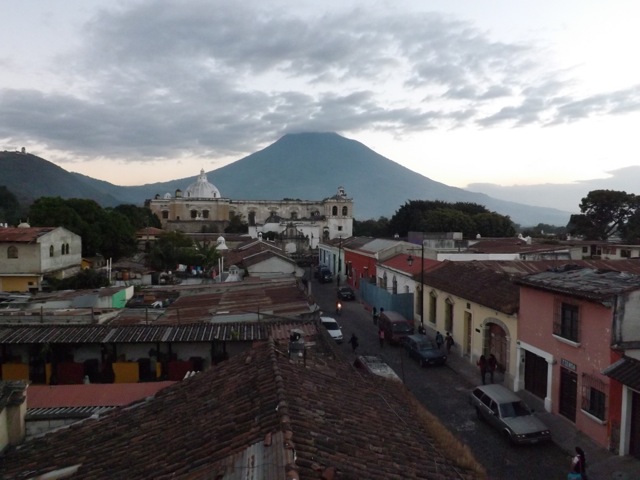
Nestled under Volcán de Agua in the Guatemalan highlands is the colonial city of Antigua. The city was once capital of Guatemala but has had a rocky history, literally. In 1717 an earthquake destroyed 3000 buildings, then in 1783 another earthquake decimated more of the city, causing those in power to move the capital to the safer Guatemala City.

wpid-guatemala_westernhighlands-2014-02-11-18-02.gif

Because of its location Antigua is a hub to explore Guatemala, with Guatemala City only 45km to the east, the port of San Jose on the Pacific coast an hour south and Lago Atitlan to the west. For those keen enough, a long shuttle ride to the famous Mayan ruins of Tikal far to the north of the country can be organised.

Volcán de Agua…

wpid-dscf3448-2014-02-11-18-02.jpg

The streets themselves are cobbled. But not the perfect jigsaw of cobbles seen in some modern streets, instead a crazy mash of rounded stones that make driving on them in Tuk Tuks a bumpy experience. The city is flat, however, so unless you’re carrying a lot of baggage or just lazy, walking is the best way to get around.

wpid-dscf3434-2014-02-11-18-02.jpg

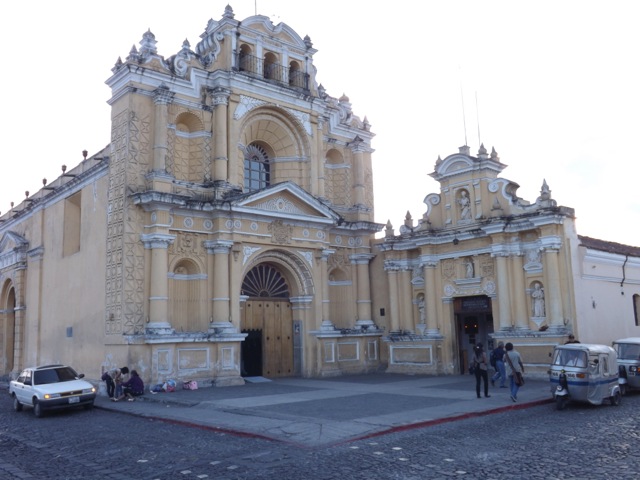
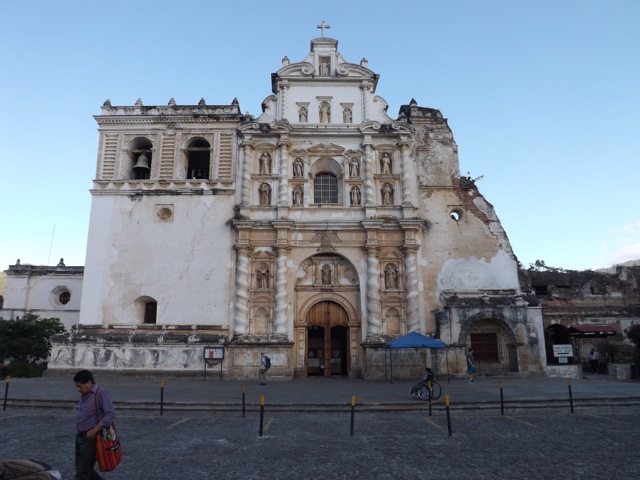
Beyond climbing the volcano it’s the scattered colonial buildings and churches that draw the most interest in the city. While some of the old churches survived the earthquakes…

wpid-dscf3420-2014-02-11-18-02.jpg

… some were not so lucky although still usable.

wpid-dscf3413-2014-02-11-18-02.jpg

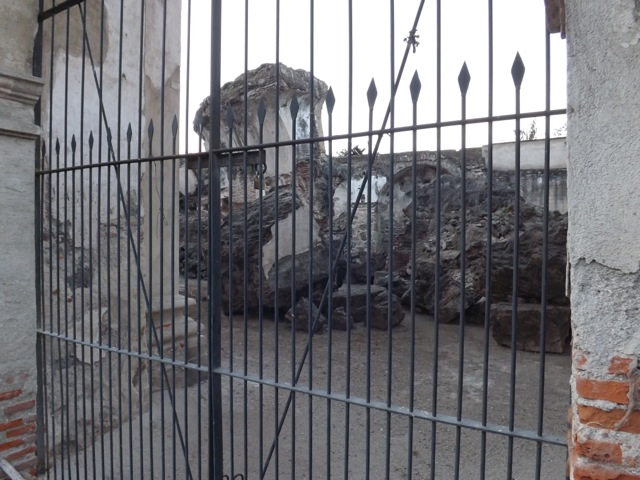
Those that didn’t fare so well have been cordoned off and for good reason.

wpid-dscf3442-2014-02-11-18-02.jpg

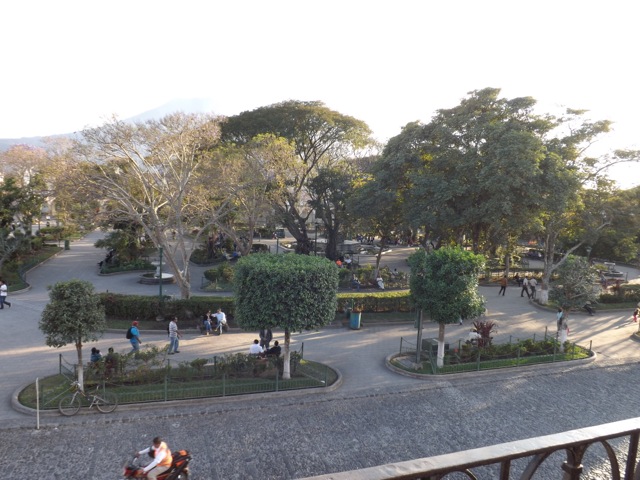
The city does have a touristy feel about to it and because of this it’s more expensive than other places in Guatemala. Around the central park there are many fine restaurants and bars. And for the first time in Central America, a working fountain!

wpid-dscf3424-2014-02-11-18-02.jpg

Next I head west to San Pedro la Laguna on the shores of Lago Atitlan.

The World Wanderer

Costa Rica – Adventures

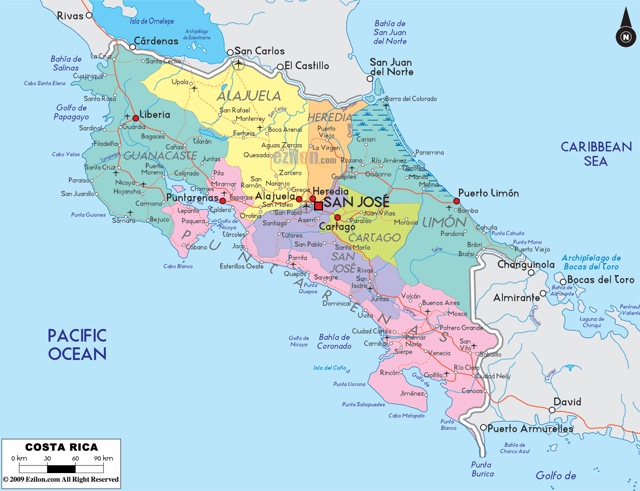
With an official end date to my Latin American adventures quickly approaching I’ve had to make some hard decisions. One of these was to only spend a week in Costa Rica, this being on the basis that it’s the most expensive country in Central America.

wpid-political-map-of-costa-rica-2014-01-24-16-48.jpg

From David in Panama, I caught a bus to Costa Rica’s capital, San Jose. The bus ride was around eight hours including the border crossing, which wasn’t as stressful as I was led to believe. Like Panama, when entering the country ‘proof of exit’ is required. This time I had a fake booking set up but was not asked for it.

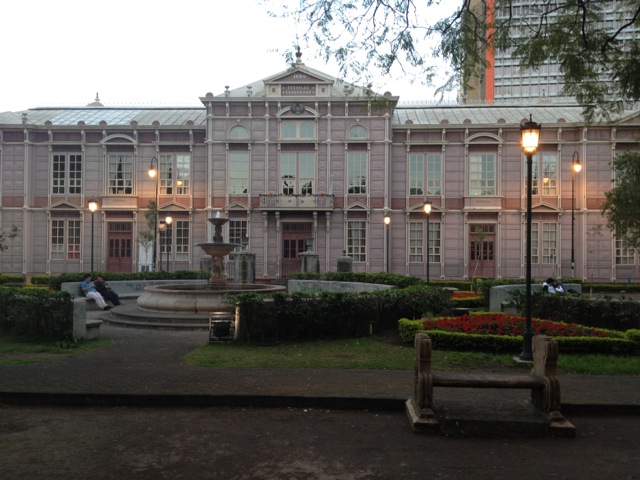
San Jose isn’t as influenced by the US as Panama City is, and since my plan was to stay in the city only two nights I didn’t spend a lot of time exploring the city beyond finding a restaurant and a supermarket. This still took me past a municipal building.

wpid-img_1648-2014-01-24-16-48.jpg

Soon after arriving, I arranged for a full day tour to see as much as I could in the short time I was here. I confirmed the time of pick up and was prepared for the early start. The next morning the tour operator arrived 30 minutes early and when I wasn’t ready, left without me. This led me to wonder if I’d heard the wrong time. When the staff member at the hostel arrived for the morning, he confirmed that I had been correct and set about getting my money back. He booked me on another tour for the following day, a cheaper one, with the difference in price covering the cost of another night in the hostel.

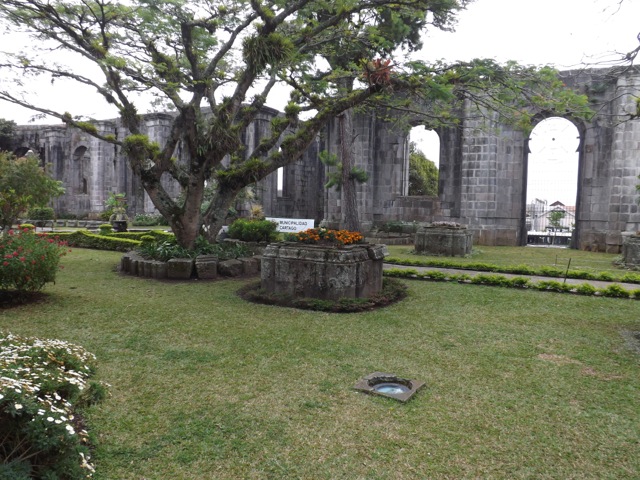
The next morning the tour operator arrived at the correct time and we were off. First stop was the ruins of the Temple of the Santiago Apostle Parish. The building of the temple began in 1870 but stalled after an earthquake destroyed part of it. Building again began several years later but again stalled because of another earthquake. This happened several times over the course of 40 years until in 1910 when it was decreed that God didn’t wish the temple built and construction was abandoned.

wpid-dscf3147-2014-01-24-16-48.jpg

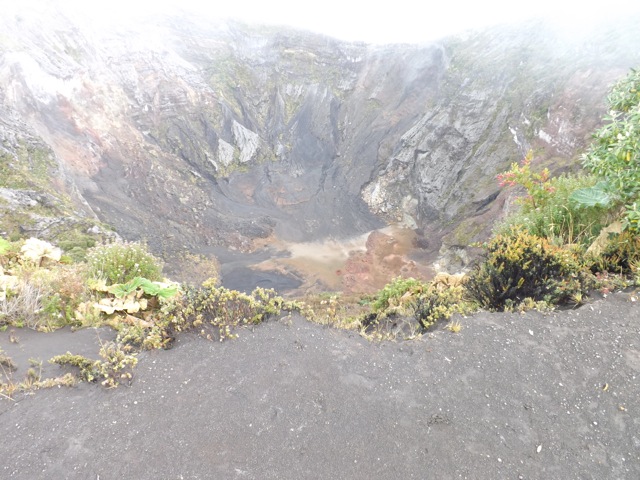
Our next stop was Volcán Irazú, the tallest active volcano in Costa Rica. As we drove to the top, the cone was shrouded in clouds so it was unclear if we’d be able to see much. At the top the crater was barely visible through the mist and we put on rain jackets to save getting wet. Like Volcán Barú in Panama, Volcán Irazú can sometimes give views of both the Pacific Ocean and the Caribbean Sea, but today was not one of those rare days. The clouds cleared enough after 10 minutes and we finally got to see the crater.

wpid-dscf3159-2014-01-24-16-48.jpg

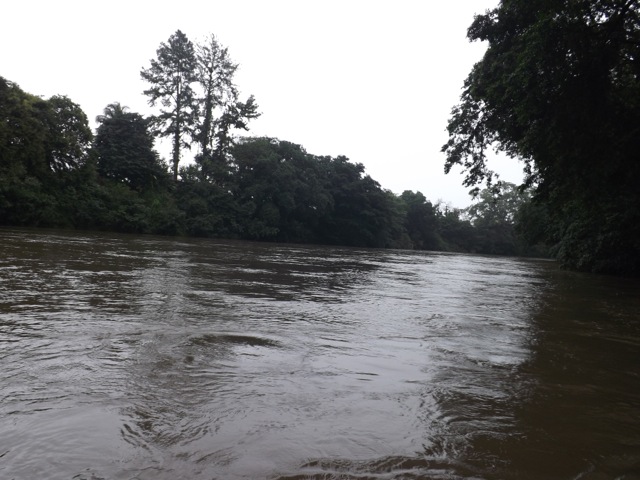
After the volcano visit, the tour headed to a restaurant for breakfast then north across the continental divide to the Caribbean side of the country. After a couple of hours in the bus we stopped at Rio Puerto Veijo and got on a river boat for a 90 minute cruise along the river.

wpid-dscf3170-2014-01-24-16-48.jpg

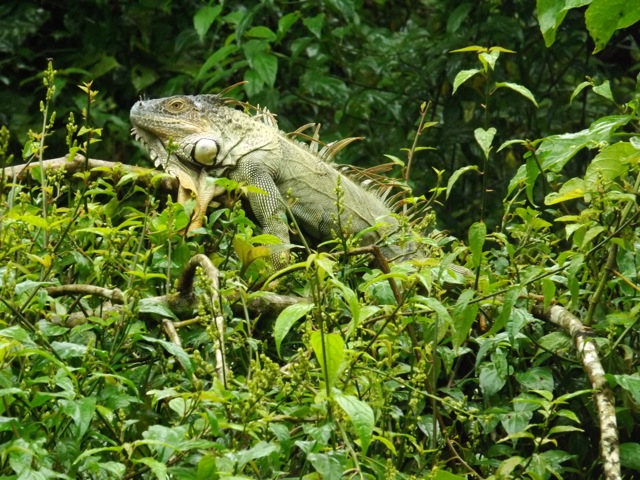
On the trip we spied plentiful birds, including the rare Red Macaw – which are often poached and sold on the black market for US$30,000 each. We then encountered a lone Iguana sitting in the bushes on the side of the river…

wpid-dscf3177-2014-01-24-16-48.jpg

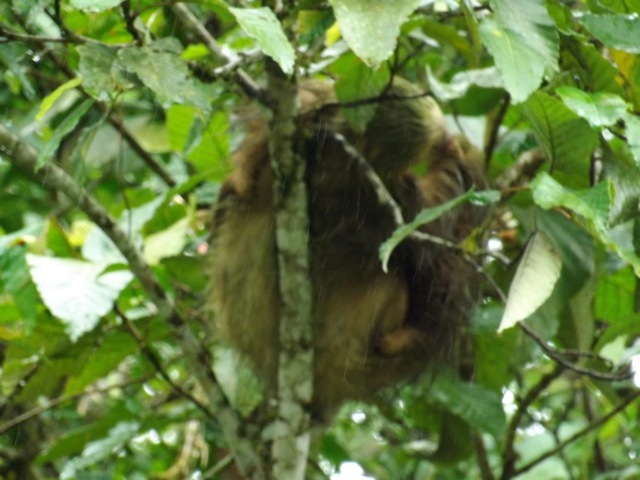
There were also sightings of a Sloth and its baby asleep in high boughs…

wpid-dscf3182-2014-01-24-16-48.jpg

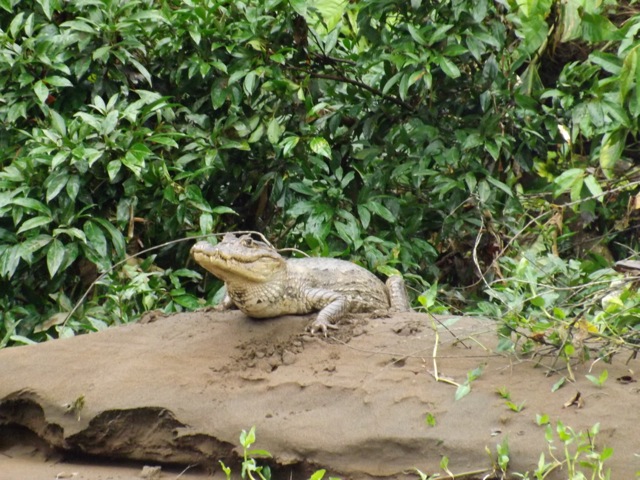
Then a lone Caiman about the length of my arm. Caimans have no ridges along their backs and are much smaller than their larger cousins…

wpid-dscf3195-2014-01-24-16-48.jpg

We heard several Howler Monkeys, although only caught glimpses in the trees. Then small camouflaged micro-bats on the trunk of a tree and lastly, Crocodiles. This one is about three metres long.

wpid-dscf3198-2014-01-24-16-48.jpg

We then stopped at an animal sanctuary that houses poisonous frogs, an Asper snake and a butterfly conservatory. The poisonous frogs were the most interesting. There were two varieties, one black with luminous green spots about the size of your big toenail, and the other tiny and red about the size of your little fingernail. Their poison was used in blow guns by natives of Latin America. Lunch was a traditional Costa Rican meal but included Iguana, which like crocodile, tastes very like chicken. Then it was a 2 hour bus ride back to the hostel.

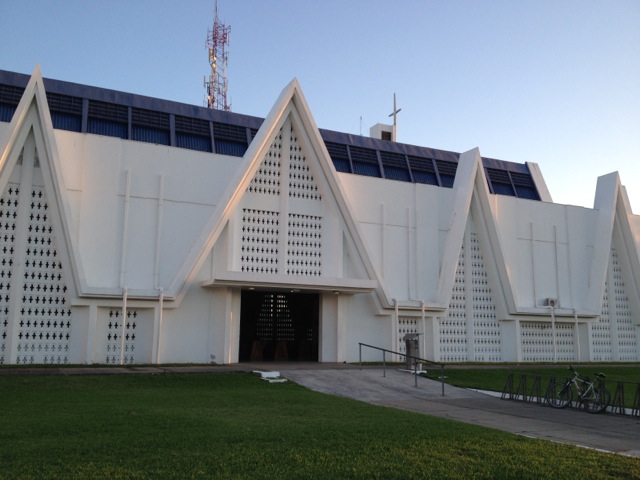
The following day, I caught a bus to the northern city of Liberia, a hub of tourism in Costa Rica. Like many Costa Rican cities, it has a more modern church…

wpid-img_1655-2014-01-24-16-48.jpg

During the couple of days I stayed, I made my way to Playa del Coco – Coco Beach, which is a touristy beach town set on the Pacific Ocean. As much of Costa Rica is tropical, even in winter, I enjoyed a swim in the cool waters of the ocean.

wpid-img_1657-2014-01-24-16-48.jpg

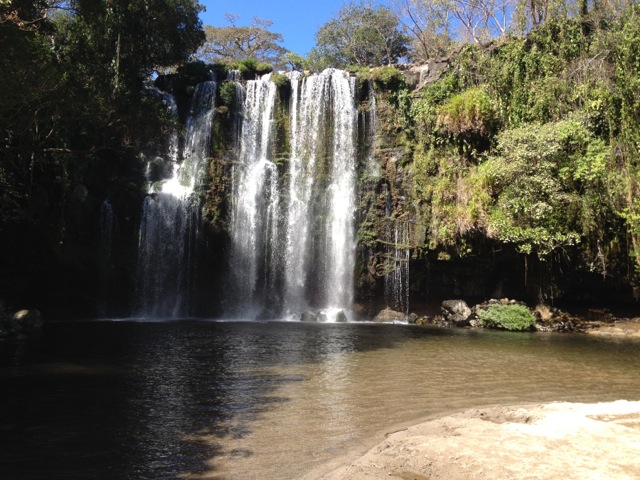
For my last day in the country, I visited Llanos de Cortez waterfall where myself and three women from the hostel enjoyed swimming. This is just one of the many waterfalls in the area…

wpid-img_1661-2014-01-24-16-48.jpg

Next I head to the beach town of San Juan del Sur in southern Nicaragua.

The World Wanderer

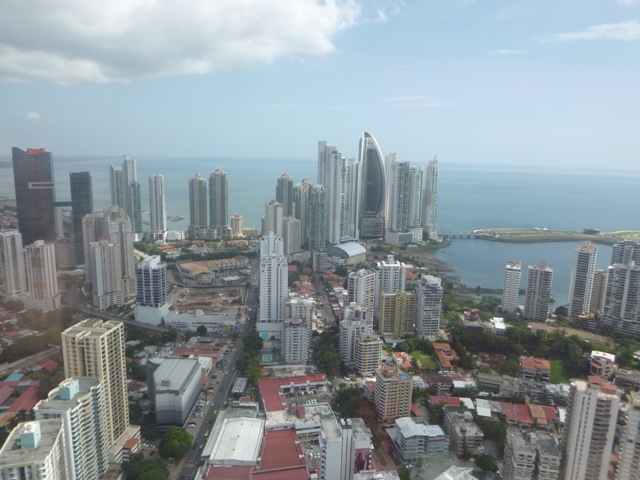
Panama City, Panama – Impressions

When you think about Panama, the first thing that comes to mind is turkey. That’s right, turkey. Actually, it’s the Canal, but sometimes its nice to think about turkey…right?

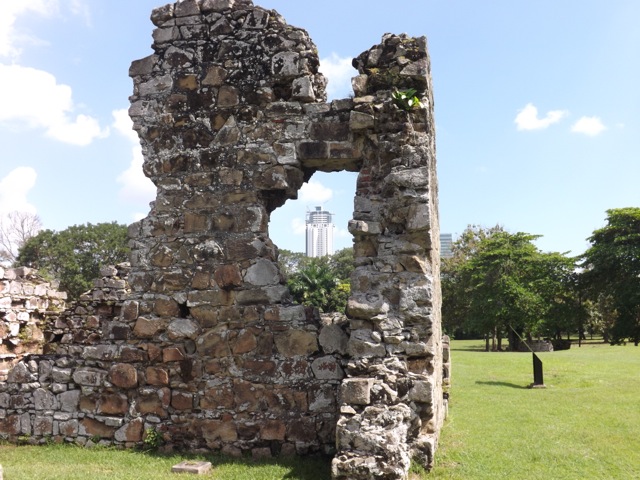
But there’s more to Panama than just the Canal and this time I’m not talking about turkey. Panama City was founded in 1519 by the spanish as a launching point for the eventual conquest of Peru. Then, 150 years later, the city was attacked by pirates – over 1200 of them – and burnt to the ground. The ruins are still there as a tourist attraction – Panama Viejo (Old City).

One of the more complete buildings that remained…

wpid-dscf3062-2013-12-26-18-28.jpg

Two years later a new city was built further along the coast. It would eventually grow to surround the site of the old city, which is now a World Heritage Site.

wpid-dscf3048-2013-12-26-18-28.jpg

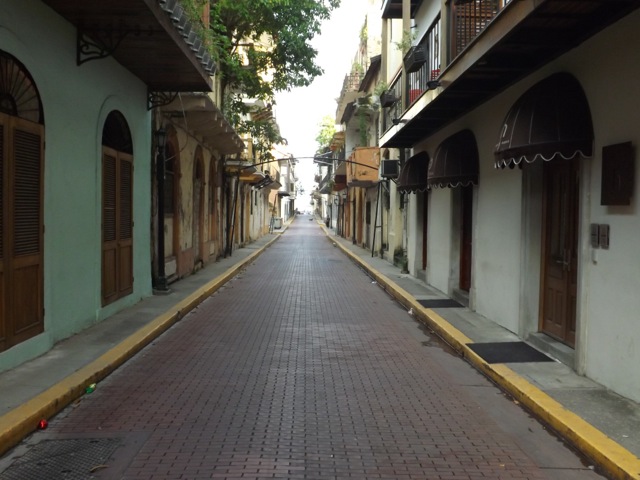
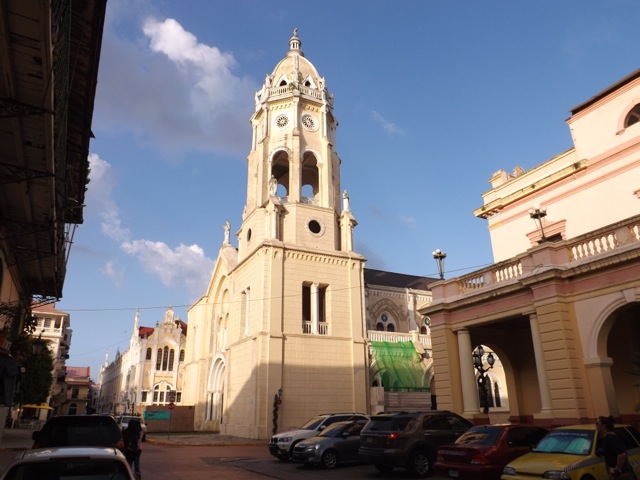
Similar to Cartagena in northern Colombia the new city was built with a wall surrounding it to protect it from future pirate attacks. This new city has more similarities to Cartagena than just a wall, the entire district within the walls look similar too.

wpid-dscf3068-2013-12-26-18-28.jpg

It has also been given a World Heritage status – Casco Viejo (Old Quarter).

wpid-dscf3071-2013-12-26-18-28.jpg

The Panama Canal was begun by the french in the late 1800s, but after an estimated 20,000 workers died during its construction – many from Yellow Fever and Malaria – the project was abandoned. The United States took over the project in 1904 and ten years later – 2 weeks after the break out of WWI – it was officially opened.

wpid-dscf3078-2013-12-26-18-28.jpg

The locks system is fairly basic. Water is locked off in sections allowing ships to enter. Then the water is slowly released into the next bank of locks, equalising the water level so the ships can move further along. This happens three times before the ships are through the locks. There are three sets of locks along the 48km of the canal.

wpid-dscf3088-2013-12-26-18-28.jpg

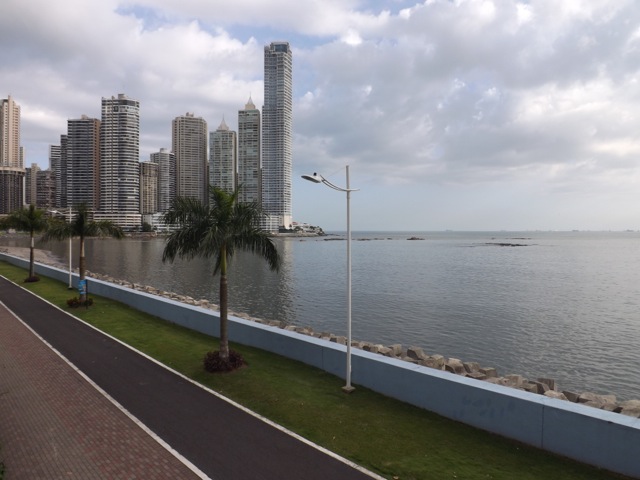
Between the Canal and the US presence over the next 100 years, Panama City has grown along the beach front.

wpid-dscf3065-2013-12-26-18-28.jpg

The central city has a decidedly western feel, like the business districts of most other large cities. My arrival coincided with Christmas and New Years, meaning bus services and travel destinations were filled to the brim with locals for the holiday season. But after 10 months in Latin America it’s nice to spend a couple of weeks in a place that feels a little like home.

Views from atop the Hard Rock Hotel…

wpid-p1000006-2013-12-26-18-28.jpg

Next, after the holiday season, I travel to Bocas del Toro in northern Panama.

The World Wanderer

Looking Back, Part 3 – Northern South America

Peru

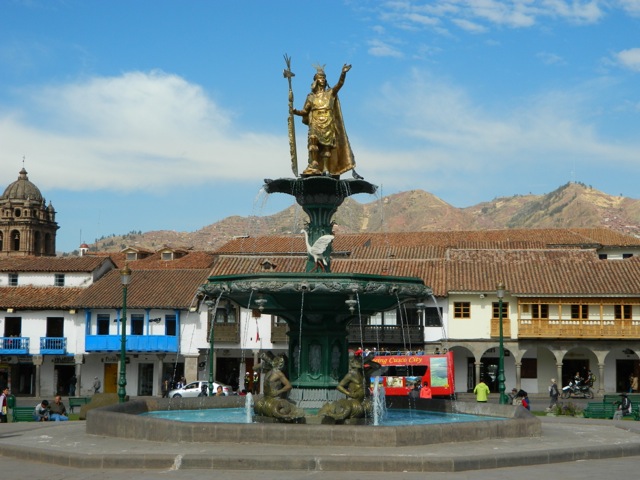
As I left Bolivia I made my way around Lake Titicaca and along the Andes to Cusco, capital city of the Inca Empire more than 600 hundred years ago. Cusco was built in the image of the Puma, a holy symbol of the Incas.

wpid-dscn3270-2013-12-22-17-56.jpg

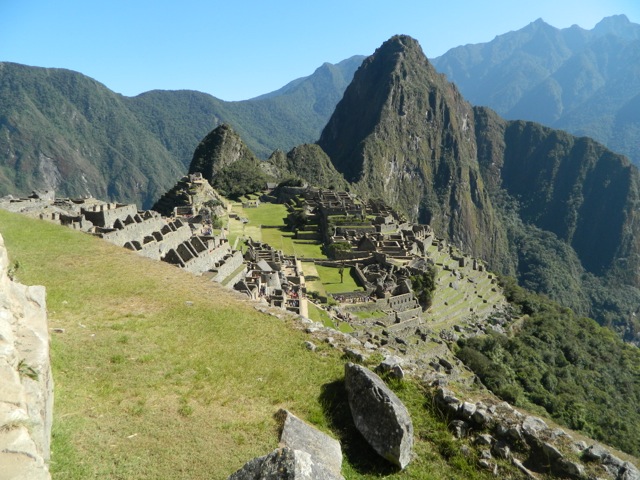
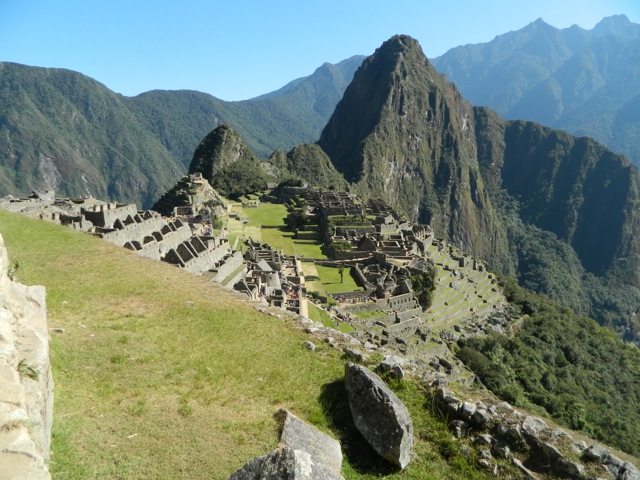
Cusco’s a popular tourist destination because of it’s closeness to Machu Picchu. To get to the ruins many people walk one of the expensive hikes in the region: the infamous Inca Trail, The Salkantay Trek or The Jungle Trek. While these hikes are said to be amazing, the expense and length of time needed to prebook put me off. Instead I caught the train to Aguas Caliente, the township at the base of Machu Picchu mountain, and climbed the near 2000 steps to the ruins. At altitude, these steps are still hard going. The ruins felt like Disneyland because of the huge number of tourists but it was still beautiful to behold…

wpid-dscn3405-2013-12-22-17-56.jpg

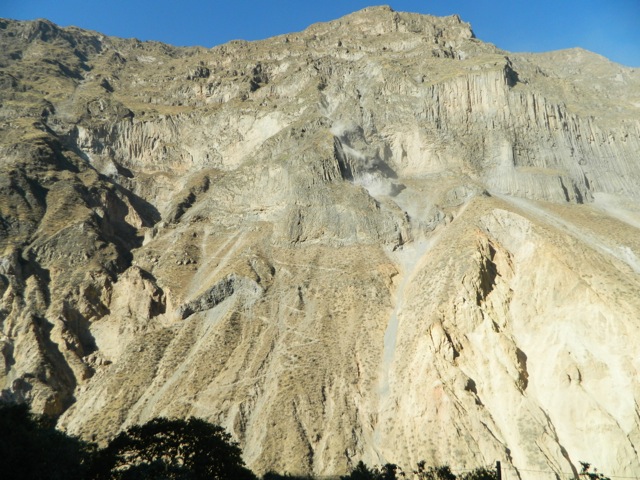
After Cusco, I travelled to the city of Arequipa, the southernmost city of Peru. Near Arequipa is the county’s third most popular destination, Colca Canyon. Colca Canyon is one of the largest canyon’s in the world, twice as deep as The Grand Canyon. The hiking there is very cheap and doesn’t require a guide. I explored the canyon for three days, including the final climb, a kilometre straight up.

wpid-dscn3461-2013-12-22-17-56.jpg

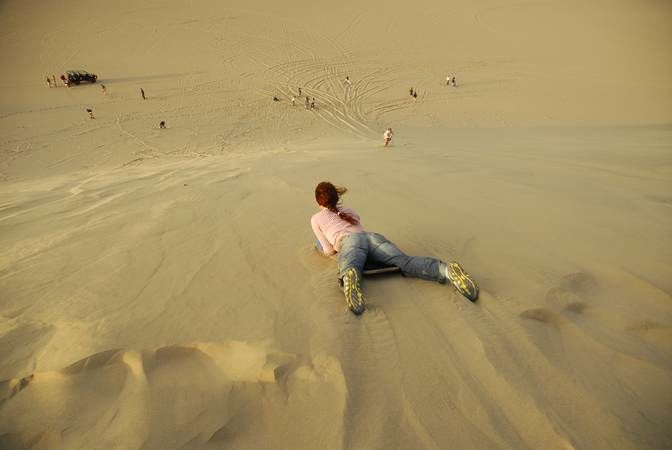
After Arequipa I headed down from the Andes for a time, stopping at Huacachina, a small town near the ocean renown for its massive sand dunes. I spent an afternoon sand boarding down the slopes.

wpid-huacachina21543-2013-12-22-17-56.jpg

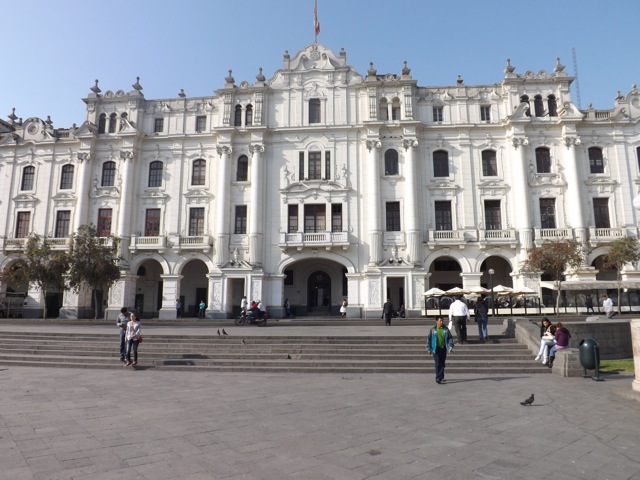
Next was a visit to the capital, Lima. I stayed in the tourist zone of Miraflores which felt like I was in the centre of any other city in the world. I then moved to the historical centre and this was more to my liking with great architecture and a distinct lack of tourists.

wpid-dscf2137-2013-12-22-17-56.jpg

I continued north and back into the Andes to the city of Huaraz nestled between the Cordilleras Blanca and Negra. From Huaraz a group of us hiked the four-day Santa Cruz trek, with one of the hardest climbs I’ve ever completed.

wpid-dscf2065-2013-12-22-17-56.jpg

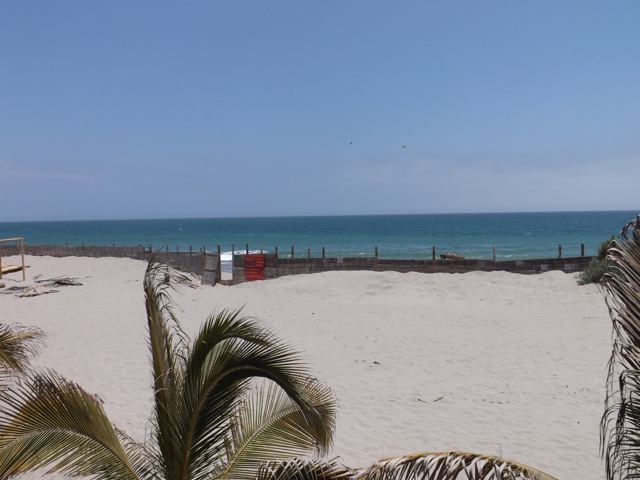
From Huaraz, I made my way to the far northern coast and the country’s second most visited destination, Mancora. Mancora is a beach town where I stayed for four days in a cabaña 20 metres from the Pacific Ocean. After the Santa Cruz hike, it was great to just sit and enjoy the beach for a few days.

wpid-dscf2147-2013-12-22-17-56.jpg

Ecuador

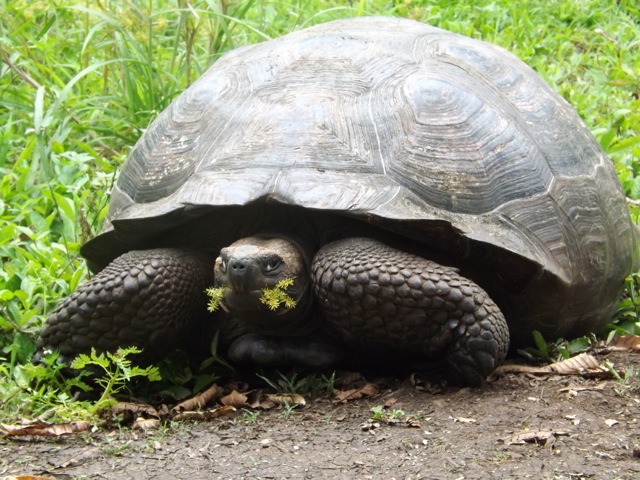
I left Peru and headed across the border to Ecuador’s capital, Quito, where I made plans to visit the Galapagos Islands. Two days later I was on a plane – my first since arriving in South America – and a few hours later landed on the famous archipelago. After booking a four-day cruise around the islands, I made friends with a Uruguayan guy at the hostel and spent the days prior to the cruise exploring Santa Cruz island with him, including a great swimming hole and the Giant Tortoise sanctuary.

wpid-dscf2185-2013-12-22-17-56.jpg

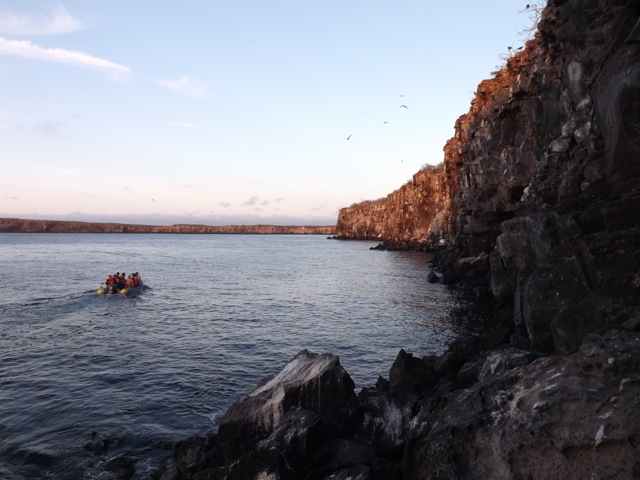
The cruise was amazing, I enjoyed snorkelling through the icy waters and swimming with penguins, fur seals, sea lions and sea turtles. On land there were many bird species including Blue Footed Boobies, the smaller water iguanas and the large land Iguanas.

wpid-dscf2303-2013-12-22-17-56.jpg

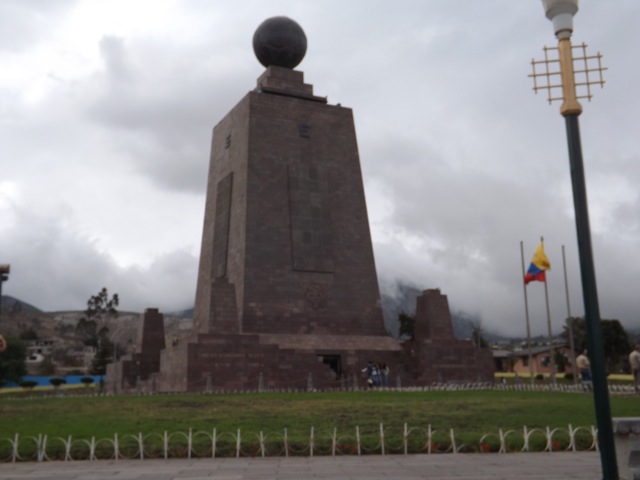
Back in Quito, I met some friends at the hostel and explored the city with them, including some amazing architecture, the original site of the equator and the newer more technologically accurate equatorial site. I had also prearranged with some locals to hang out with and spent a week enjoyed their company.

wpid-dscf2401-2013-12-22-17-56.jpg

With my friends from the hostel, I headed north for a weekend to the adventure town Minca buried in the rainforest, where we hung out with Hummingbirds, zip lined ourselves crazy and generally enjoyed our stay.

wpid-dscf2438-2013-12-22-17-56.jpg

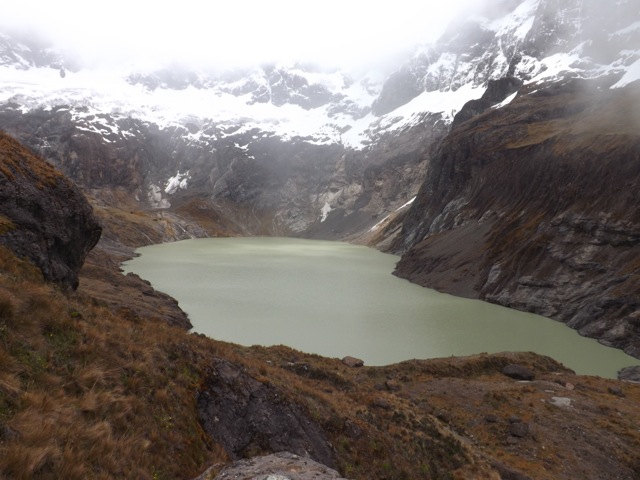
Next, two of us travelled south to the city of Riobamba where we hiked to the amazing crater lake of a collapsed volcano called El Altar. Most hiking in Ecuador must be done with a guide, but the two of us enjoyed the three-day hike without one.

wpid-dscf2555-2013-12-22-17-56.jpg

Then we headed south to the southern city of Cuenca where my friend headed into Peru and I explored Ingapirca, the ruins of an Incan Fortress.

wpid-dscf2689-2013-12-22-17-56.jpg

Colombia

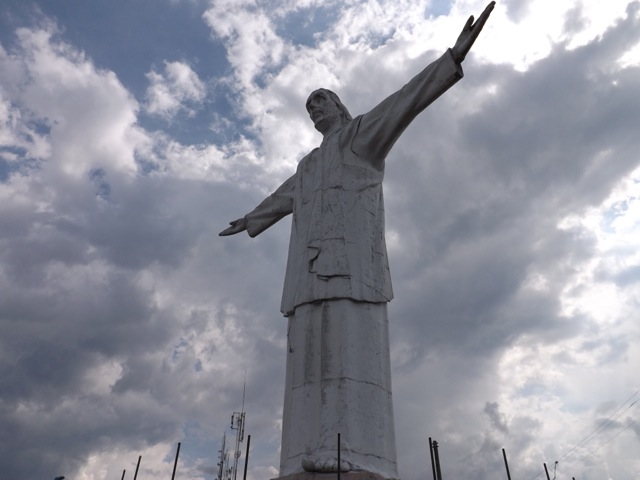
Then it was back to Quito for a last few days before I headed north into Colombia, to the city of Cali where I stayed for three days. I explored the city via a walking tour, learning its history, and climbed one of the hills to the local statue of Christ.

wpid-dscf2748-2013-12-22-17-56.jpg

From Cali I headed north via a very winding mountain road where the bus driver thought he was formula one driver. After the humidity in Cali, Bogota was cold. I’d prearranged to meet some people in Colombia’s capital and they were so friendly I stayed for three weeks to spend more time with them, including attending a huge Pop Culture Festival…S.O.F.A.

wpid-dscf2766-2013-12-22-17-56.jpg

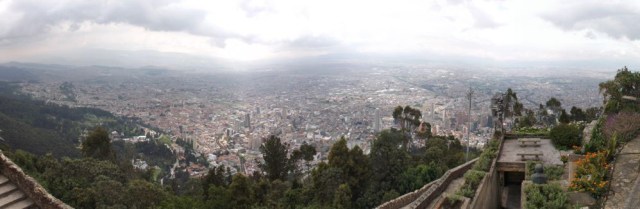
Bogota is not well set up as a tourist destination but during my stay I caught a cable car up to a temple of the hill giving awesome views across the city.

wpid-dscf2780-2013-12-22-17-56.jpg

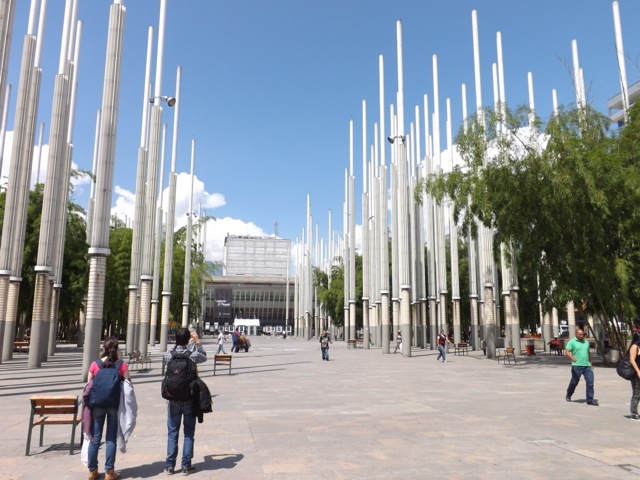
Then with general sadness at having to leave my friends in Bogota, I headed north to Medellin, a more popular city for tourists and home town of the late Pablo Escobar. I hung out at a New Zealand owned hostel and between a couple of nights partying I took a walking tour, both with a group and a separate one with a couple of guys from the hostel.

wpid-dscf2799-2013-12-22-17-56.jpg

Next I headed to Cartagena, a city on the Caribbean Sea where I hung out for a few days in the extreme humidity. Cartagena’s Old Town has a great stone wall around it that once protected it from pirate attacks 500 years ago. The entire old town is a world heritage site.

wpid-dscf2827-2013-12-22-17-56.jpg

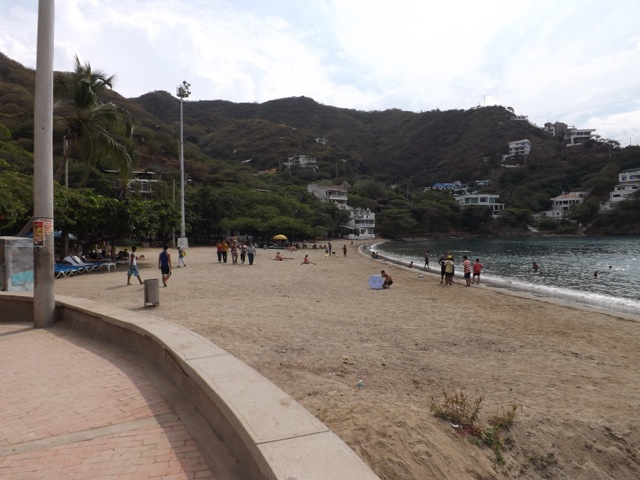
Further along the coast is a small beach town of Taganga where I stayed for a few of days. It was a quiet little town away from the bustle of the larger Colombian cities.

wpid-dscf2844-2013-12-22-17-56.jpg

From Taganga I booked and walked the four-day jungle trek to find the Lost City, an amazing ruins of the local tribes that had been abandoned 500 years earlier. The trek was humid and sweaty, and this made the long climbs up clay trails more difficult. Swimming in the icy rivers were highlights of the sweaty days.

wpid-dscf2935-2013-12-22-17-56.jpg

After a couple of recovery days in Taganga, I headed back to Cartagena to say farewell to South America. After 9 and a half months of amazing adventure, it was sad to say farewell to the continent, although my travels were not yet at a conclusion. In Cartagena, I booked a cruise on a yacht with 11 others to make my way through the Caribbean Sea to Panama, and the beginning of my Central American adventures.

This will be an adventure I will never forget.

The World Wanderer

Looking Back, Part 2 – Central South America

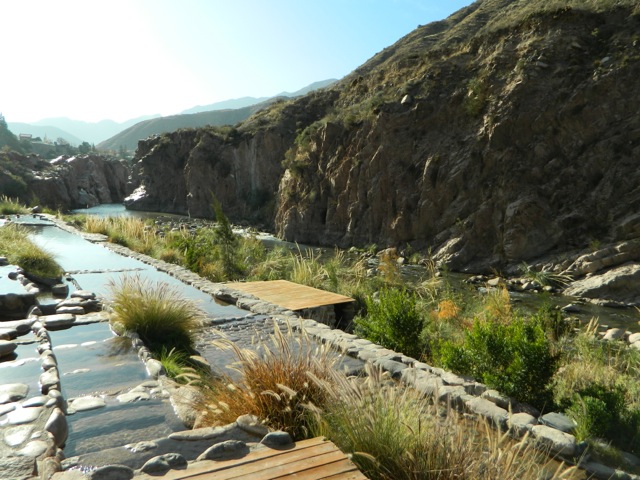
After a 20 hour bus ride from Patagonia, I arrived in Mendoza, Central Argentina. Mendoza is a wine region and boasts some of the best red wines in the world. While I wasn’t the biggest fan of red wine before, after my time in the city I was a Malbec convert. One of the fun things I did while in the City of Steak and Red Wine was to spend the day enjoying some aguas calientes, a set of hot pools near the city. While this might seem strange for a desert city, it was amazing and included a huge buffet lunch.

wpid-dscn2443-2013-12-17-12-23.jpg

Around Mendoza are several wine areas and the best way to see them is via bicycle tours. The wine was delicious and cycling around the area after many glasses of wine was both crazy and fun at the same time.

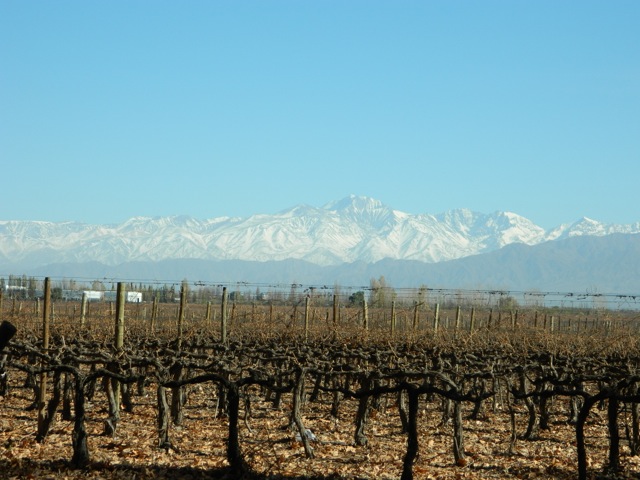
Beyond the vineyards, the tallest mountain of the Andes, Aconcagua.

wpid-dscn2467-2013-12-17-12-23.jpg

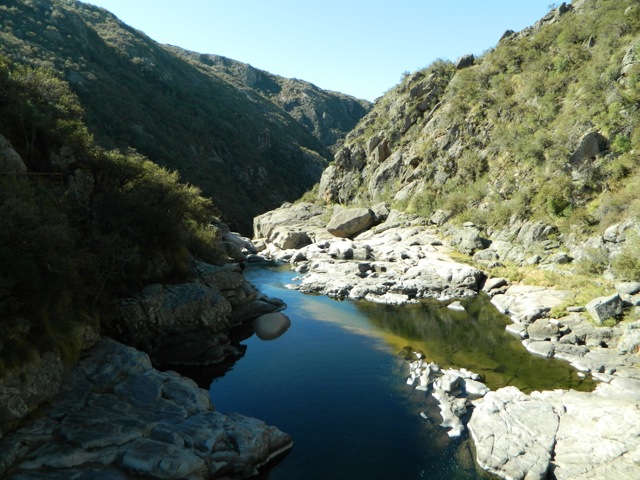
Next I caught a bus across Argentina to Cordoba, the country’s second largest city. While staying in the city I got out-of-town to Parque Nacional Quebrada del Condorito – Condor Gorge National Park – for a long day walk in the heat.

wpid-dscn2517-2013-12-17-12-23.jpg

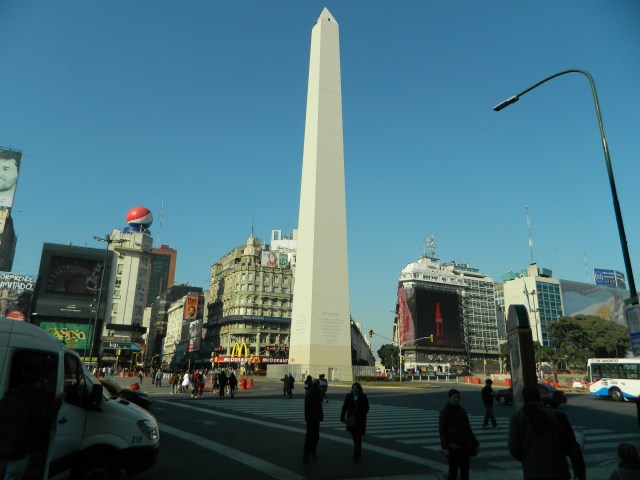
Next I headed to the Buenos Aires and stayed in a different area of the capital from the beginning of my trip. As I knew I was heading back to the city, I made contact with a friend of a friend and organised to hang out with him and his friends while I was in the city. They were very friendly and I stayed in the city over two weeks to spend time with them.

wpid-dscn2559-2013-12-17-12-23.jpg

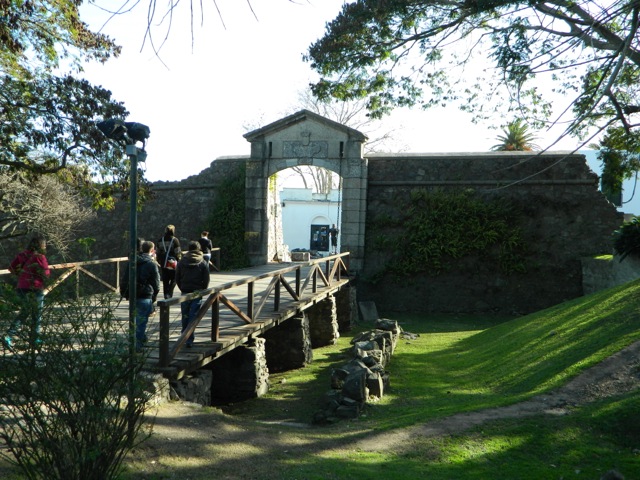
During my stay in Buenos Aires, I caught a ferry across the river to the Uruguayan city of Colonia. While I could have stayed in Uruguay longer I was happy to see the more expensive country for the day and get the stamp in my passport. I enjoyed learning about the city and the country in a guided tour.

wpid-dscn2524-2013-12-17-12-23.jpg

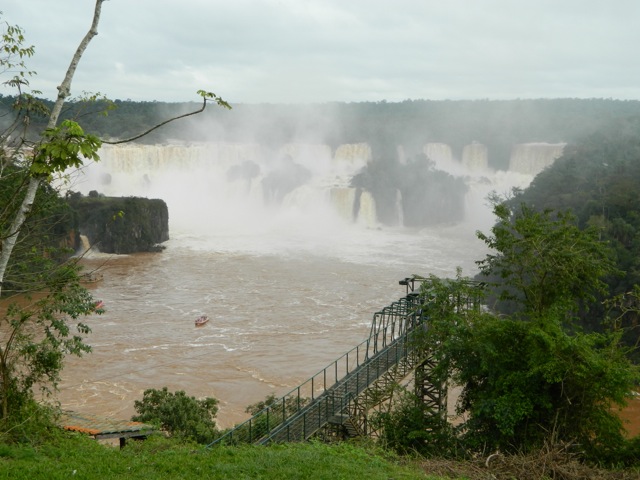
I then bused headed north for my final Argentinian destination, Puerto Iguazú. While the township was very touristy, it had good reason, Iguazú Falls is one of the more popularly visited places in the region. While it had been raining the day I visited the Argentinean side of the falls they were still like nothing I’d seen before. I even took a boat to get right up close to the spraying water.

wpid-dscn2634-2013-12-17-12-23.jpg

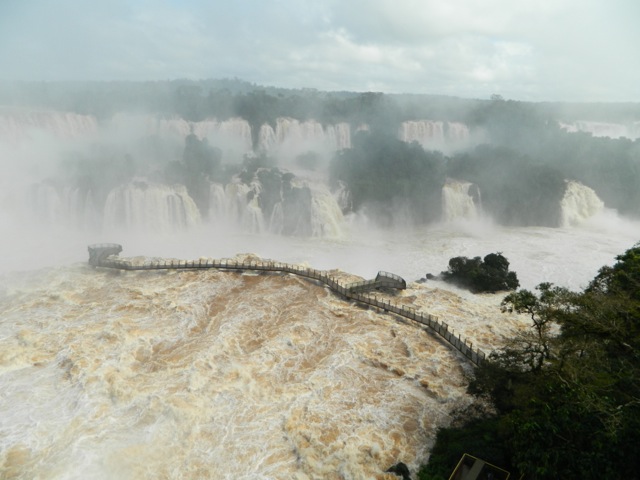
The following day, I took a bus across the border to the Brazilian side – Iguaçu Falls. While it’s the same set of falls, it’s a totally different sight and you get closer to the Devil’s Throat, a formation of rock that water pours into from three sides. Both Argentinian and Brazilian sides are a must see if travelling to this end of the world. It was then back across the border to Argentina for a final night before booking a bus to Rio de Janiero.

wpid-dscn2677-2013-12-17-12-23.jpg

After a 24 hour bus ride to Rio de Janeiro – the longest trip in a bus I would take – I found the city to be dirtier than expected. It also gave me a sense of danger I hadn’t experienced in either Argentina or Chile. I’d booked a cheap hostel near the location of Carnival and it turned out to be the smallest hostel I’ve ever stayed in, squeezing 18 people into the space most hostels would fit 6. It also only had one bathroom.

wpid-dscn2746-2013-12-17-12-23.jpg

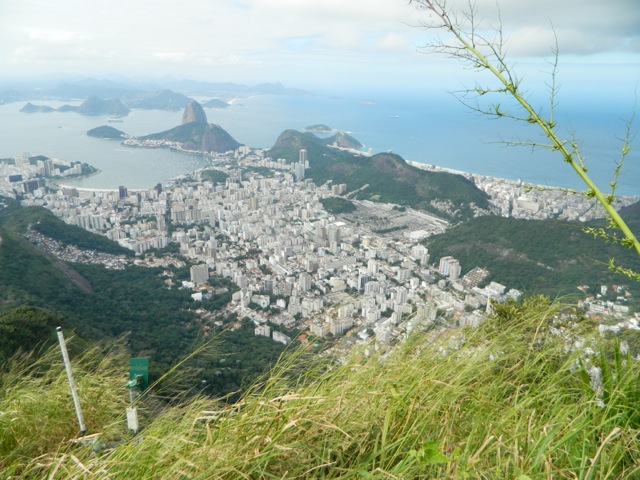
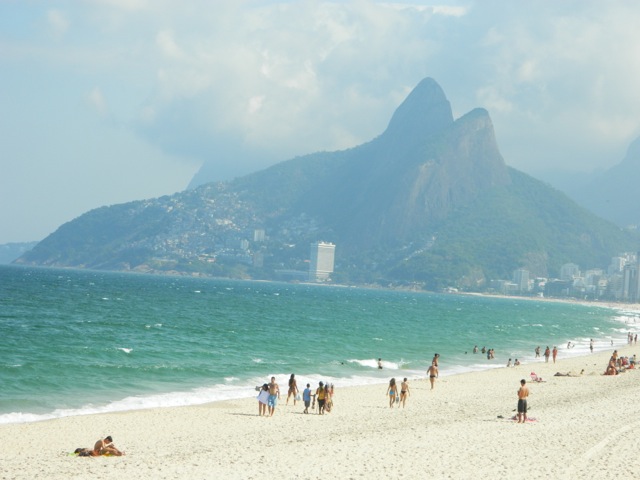
The hostel aside, the natural wonders of Rio were amazing. I visited Christ the Redeemer, Sugarloaf Mountain and took a bicycle ride along both Ipanema and Copacobana beaches.

wpid-dscn2820-2013-12-17-12-23.jpg

I then took my second 24 hour bus ride to a city called Campo Grande in western Brazil for an overnight tour through Brazil’s Pantanal. The Pantanal is a vast swampy area south of the Amazon. It’s similar to the jungle in many ways, just without the trees. We spent the night on the border of Brazil and Paraguay (the closest I would get to the landlocked country). On arrival we ate Piranha, the mean looking faces leering up at us from the pot. The next morning, we took a boat trip along the river to fish for more Piranha…

wpid-dscn2845-2013-12-17-12-23.jpg

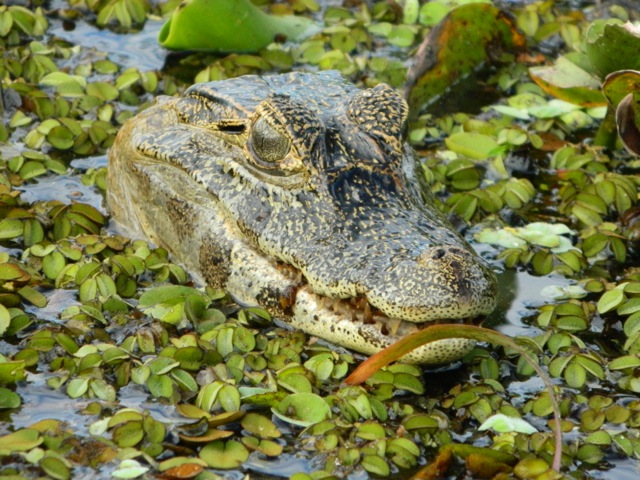
…and to see Caimans, smaller cousins of Alligators.

wpid-dscn2861-2013-12-17-12-23.jpg

Then it was over the border and into Bolivia. As soon as you enter it’s obvious that Bolivia is the poorest country on the continent. The roads are bad, the towns are dirty and the buses are owner operated family affairs and include the kids running up and down the aisles while badly dubbed Steven Segal movies are blasted very loudly. My first stop was the city of Santa Cruz, where I stayed at a brand new hostel for a couple of days before heading on to La Paz.

La Paz is a bustling city high in the Andes and when I arrived my head was exploding from the altitude. It only took a good night’s sleep to recover, thankfully. While the entirety of La Paz is terracotta in colour it grows on you as you explore the city centre and beyond. The lights at night are amazing up the walls of the bowl the city is built in.

wpid-dscn2896-2013-12-17-12-23.jpg

Using La Paz as a base, I had many adventures in Bolivia. For a start, you can’t come to the city without hearing about or doing Death Road. Death Road is a crazy stretch of dirt road 65km long and famous for the cliffs on one side with no barriers. It gets its name from the people who have plummeted to their deaths from it. Riding down it on a bike is one of the most thrilling and fun things I’ve done on this trip.

wpid-dsc01629-2013-12-17-12-23.jpg

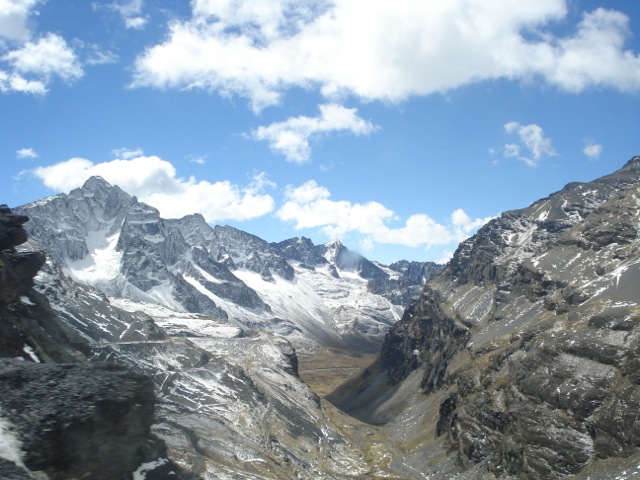
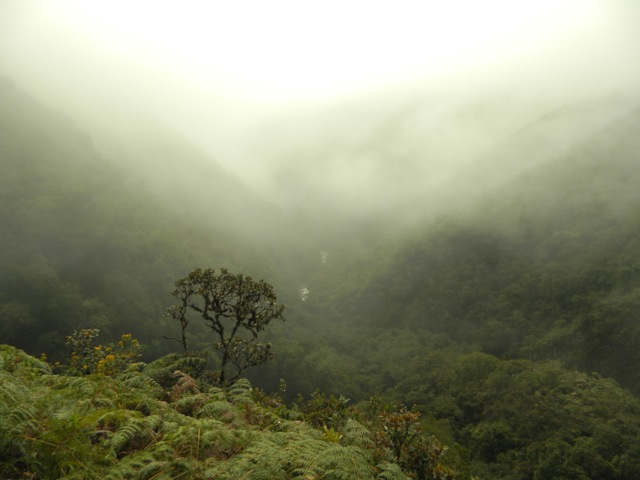
Next I hiked along an alternative route to Death Road called El Choro, through cloud forests and past my first Incan ruins. During the hike I climbed to the highest I have ever hiked, 4900m, and at that altitude the climb was intense and difficult. It was a great hike and also my first with a guide. Not something I relish, preferring to carry all of my own gear and cook my own meals.

wpid-dscn2967-2013-12-17-12-23.jpg

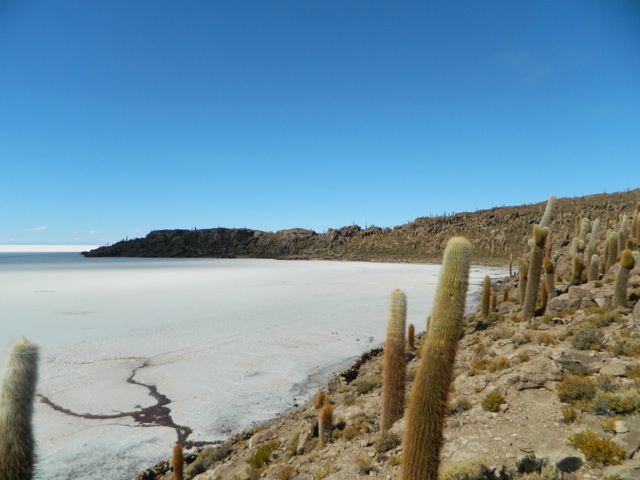
Then I caught a bus to Uyuni for a 3 day tour around the Salt Flats and along the Andean High Plains to the three-way border of Bolivia, Argentina and Chile. The Salt Flats are like an inland sea without the water.

wpid-dscn3077-2013-12-17-12-23.jpg

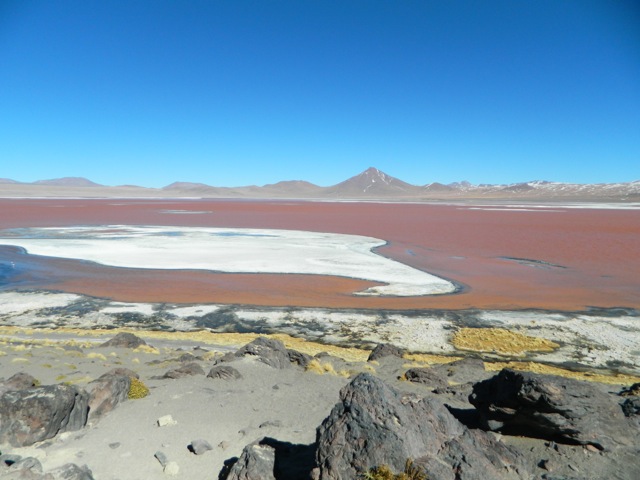
There were so many different terrains on the high plains and many stunning views. We visited some very interesting places, like the lodge made entirely from blocks of salt where we stayed on the first night. Views across Lago Roja – Red Lake.

wpid-dscn3174-2013-12-17-12-23.jpg

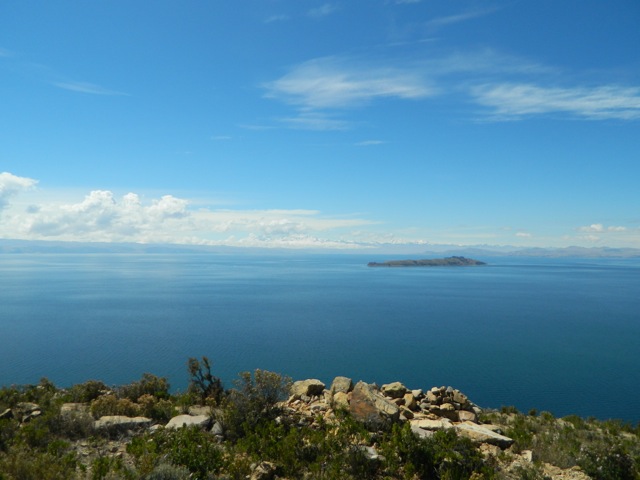
Then it was back to La Paz where I managed to suffer from food poisoning, an illness everyone seems to get in Bolivia. Don’t trust the street food! For my final days in Bolivia, I caught the bus up to Lake Titicaca, the highest navigable lake in the world. After a day tour to Isla del Sol, I booked a bus into Peru…

wpid-dscn3258-2013-12-17-12-23.jpg

Next, Part 3 of my Look Back Series where I complete my time in South America by working my way to Colombia.

The World Wanderer

The Lost City – Ciudad Perdida, Sierra Nevada National Park, Colombia

In the jungles of northern Colombia there’s a magical city known as Ciudad Perdida – ‘Lost City’ in spanish. Believed to be built around 800AD (650 years before Machu Picchu in Peru) the site is said to be the central city of the Tairona people, connecting the many small villages around it. Originally home to between 2,000 and 8,000 people the city is said to be four times as large as Machu Picchu and far more spread out.  Abandoned around the time of the Spanish conquests and the city was only rediscovered in 1972.

There are now regular jungle hikes to the site taking between 4 and 6 days. It’s considered a moderately difficult hike and since I was in the area I decided to do it.

Day 1
I was picked up from my hostel at 9am with just my little pack. I’m not used to carrying so little and I almost felt like I didn’t have enough with me. But then I usually don’t go on guided treks, preferring to walk alone with all my own equipment.

After a ten minute minivan ride from Taganga – the beach town where I’m staying – I was dropped off to the tour company’s office in Santa Marta where I was to meet the others in the group. I’d figured I wouldn’t be alone on this fairly popular trek but I didn’t expect to be one of 19 plus guides. With so many others hikers it was difficult to find the serenity of nature I enjoy when hiking alone. But I did my best.

wpid-dscf2848-2013-12-9-13-02.jpg

By 11am, we were off in a pair of 4x4s heading towards El Mamey, the village that serves as the hike’s trailhead. An hour later, we left the sealed highway and headed along a rough dirt road suitable only for 4x4s, motorcycles and horses. A further hour later and we arrived at El Mamey where we were provided with lunch.

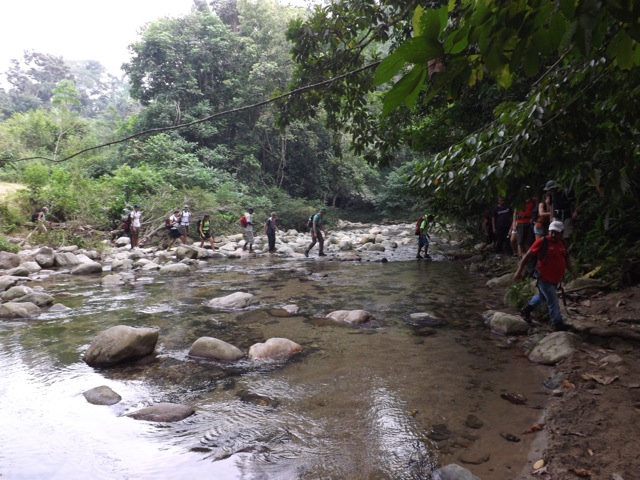
After lunch and once we were all ready we headed out along a dirt road, crossing a pair of rivers as we went.
wpid-dscf2853-2013-12-9-13-02.jpg

It wasn’t long before we began to climb in the muggy heat. While the steep climb was not at altitude like my previous few hikes, where lack of oxygen slowed me down, the somewhat oppressive heat stripped me of my energy, having a similar effect. As we worked our way slowly up the tree covered hill, the clay of the trail seemed to capture the heat and send it at us from all directions. Sweat ran from everywhere and I was soon soaked completely, a state I was to be in for the entire four days of the hike.

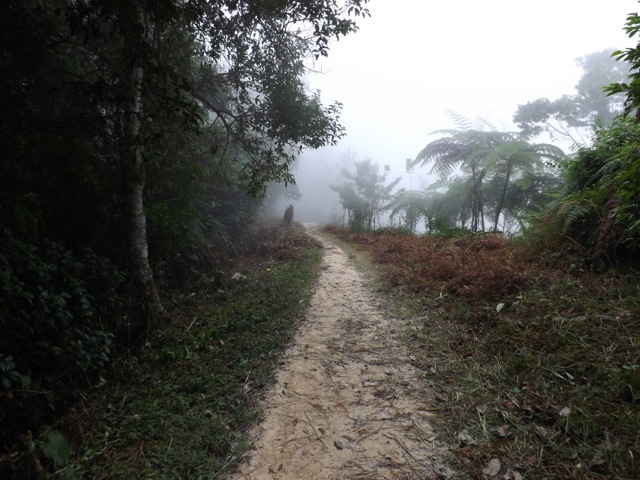
We had reached the top of the hill and were walking along a ridge line when the afternoon rains finally arrived to cool us down.
wpid-dscf2866-2013-12-9-13-02.jpg

We took shelter at a small cabaña until the shower passed but it was not to be the end of the rain for the day. As we continued, low clouds began to move in around the hills, bringing a much appreciated cool breeze.
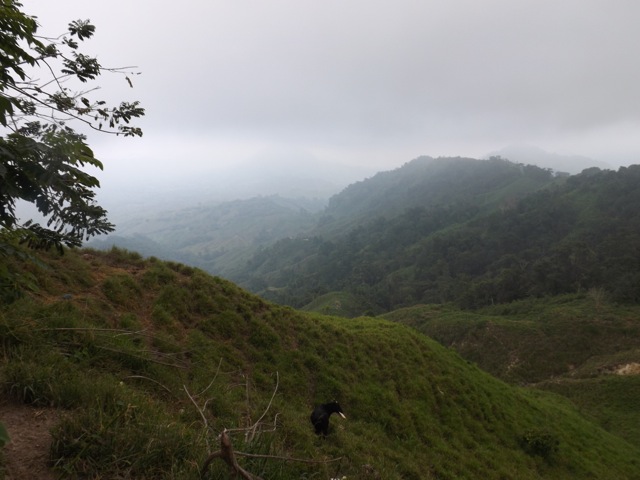
wpid-dscf2864-2013-12-9-13-02.jpg

We continued along the cloudy ridge until it dove down a long steep clay and mud trail before crossing the river to another village. Finally, we climbed a smaller hill to the cabaña where we’d be staying the night.

Under a wall-less tin roofed building there were line upon line of hammocks covered with mosquito netting.

wpid-dscf2870-2013-12-9-13-02.jpg

One section of the wall-less hut was a massive kitchen where the guides prepared our dinner of chicken, potatoes and rice. As we ate the rain returned, this time very heavily and accompanied by long peels of thunder and brilliant flashes of lightning. After dinner and a couple of beers – no South American hike would be complete without beer at the camps – I headed to bed in preparation for the next day.

Day 2
It rained heavily for a large portion of the night, well past the time I’d gone to sleep. Sleeping in a hammock was a first and quite comfortable using a blanket as a pillow. I used a second blanket briefly early in the morning when it grew a little cooler and I was thankful for the protection of the mosquito nets.

At 5am we were up and given breakfast. It was an early start to avoid the oppressive humidity later in the day. It was still hot, a wet heat that made it difficult to regulate my own temperature. But this was only a problem when I was climbing, which was much of the morning following the dirt trail through the endless trees of the jungle. During the climb we paused from time to time in various villages to get our breaths back and to take photos.
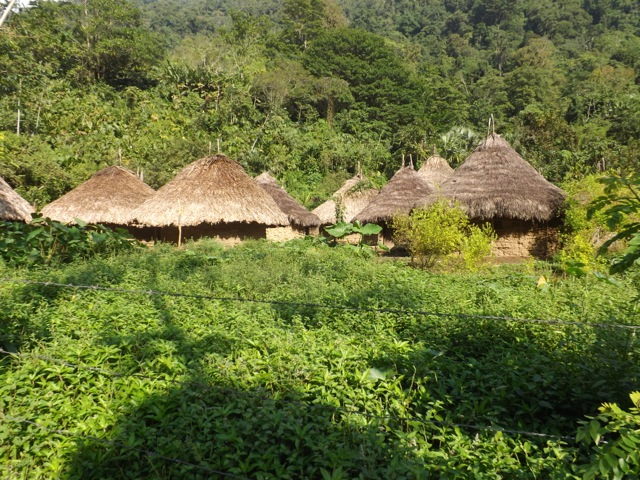
wpid-dscf2880-2013-12-9-13-02.jpg

The trail dove down hill again for a long period and at the bottom we were forced to remove our boots to cross a river. Wading across, the water came up to our thighs in all its cold and gloriousness.

With only 30 minutes to our evening’s cabaña, most of us stripped down to our shorts (or to bikinis for the girls) and went for a swim. It was difficult for us to leave the river, but we eventually tore ourselves away, dressed and walked the 30 minutes along one bank to the cabaña.

After lunch it was shower and relax time as we waited for the afternoon rains. We are only 1km away from the steps leading up to the Lost City. So close we could hear the buzzing of mosquitos.

Day 3
Many of us were woken by the breakfast crew at 3.30am, not because we had to get up but because they were being noisy. I managed to get back to sleep and at 5.30 was up and having breakfast. Then we were off along the bank for the 1km to another river crossing where we again had to remove our boots. Even first thing in the morning the cold of the river was refreshing. On the other side we found the 1,200 or so steps that lead up to Ciudad Perdida.

wpid-dscf2905-2013-12-9-13-02.jpg

The ancient tribes must have had small feet as the steps are tiny. Still, it didn’t take us long to get to the top where we emerged into the city’s market area covered in sweat. After reapplying insect repellant, I zipped on my leggings and rolled down my sleeves as defence against the mobs of ravenous insects.

We spent three hours walking around Ciudad Perdida…

wpid-dscf2915-2013-12-9-13-02.jpg

From the market, we headed up the hill by steps…
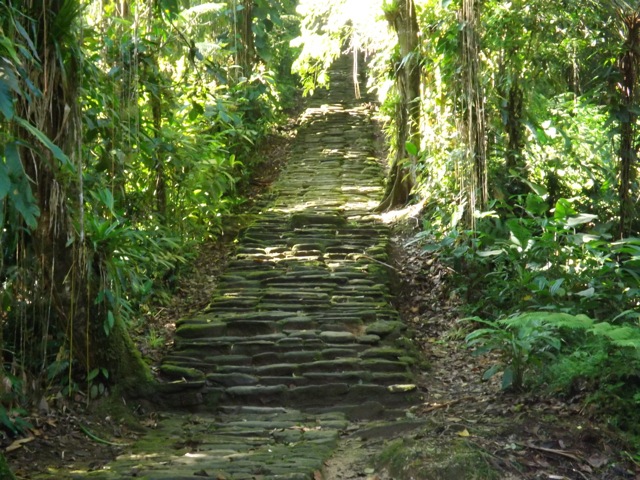
wpid-dscf2926-2013-12-9-13-02.jpg

…that led to the rich quarter of the city where the best views could be had.

wpid-dscf2935-2013-12-9-13-02.jpg

There aren’t any buildings left from the day of the city builders, as unlike the Incas, the Tairona built houses from bamboo, wood and mud. A few natives do live here but their buildings are recent.

In places around the city are gun toting soldiers, protecting visitors to the city for the last decade. The last kidnapping in the area was ten years ago in 2003. Next we headed down a long flight of steps to the poorer quarters.

wpid-dscf2939-2013-12-9-13-02.jpg

After some history lessons we climbed back down the main steps, very slowly and eventually made it to the river where the boots were off again as we crossed. 30 minutes later and we were back at our last nights accommodation for lunch.

Next was a long ten kilometre hike back along the trail to our final night’s cabaña at the bottom of a very long downhill. In the heat of the afternoon, and still drenched with sweat, we were thankful to arrive at the camp. It didn’t take us long to get out of our wet clothes and into the cool river. On the far bank a waterfall feeds into a grotto behind a huge rock. There’s an elaborate technique for getting across, the last of which is to power swim through the strongest current. A couple of us made a chain to catch some of the less strong swimmers as they were being swept past.
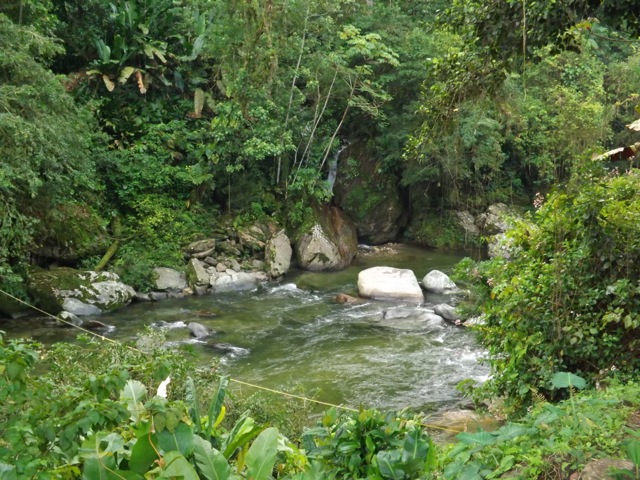
wpid-dscf2946-2013-12-9-13-02.jpg

That evening we relaxed under the beady eyes of many Cane Toads enjoying the rain.

Day 4
The final day was simply returning along the trail we’d walked on our first day – up a steep long climb, back along the ridge line and down a very long climb. 15 minutes before we arrived back at El Mamey, we stopped at the river for a final swim – they couldn’t have stopped us if they tried! Then after 30 minutes in the water, we were back on the trail for the final short walk to the village, where we stopped for lunch before being transported to Santa Marta and the end of the adventure.

wpid-dscf2876-2013-12-9-13-02.jpg

Overall, the 4 day jungle trek was a great adventure, and while the constant sweating and dripping wet clothes left me covered in a heat rash, it was worth it to get to the Lost City and my final adventure in South America.

The Lone Trail Wanderer.

Cuenca, Ecuador – Adventures

Cuenca is a city of half a million people nestled in the southern Ecuadorian Andes. The city is only four hours south of Riobamba by local bus (US$2.50) and the main attraction of the area being Ingapirca, the largest Incan ruins in Ecuador. This was the major reason I decided to travel here, but hoped there’d be more on offer.
Cuenca City
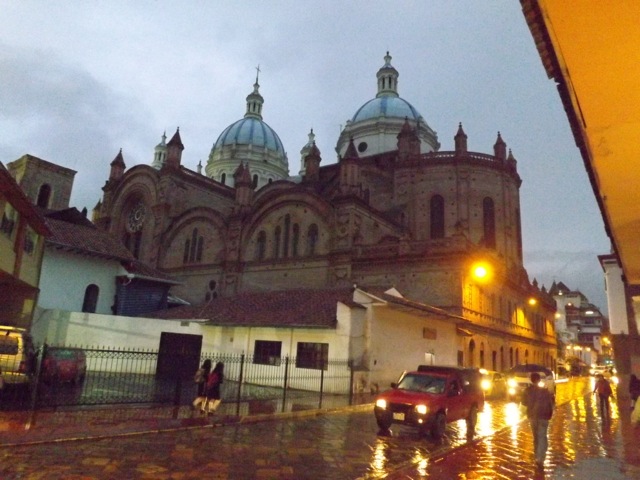
It seemed to be raining everywhere in Ecuador when we arrived in Cuenca. But then Ecuador isn’t large, only marginally larger than New Zealand. On the bus, my friend and I ran into a woman we’d met in the hostel in Quito a week earlier. So, as the light began to fade and the rain continued lightly, the three of us wandered the streets and discovered plentiful examples of excellent architecture. Like many places in South America, the architecture is great, but they aren’t well looked after. The Basilica…
wpid-dscf2601-2013-10-17-17-08.jpg

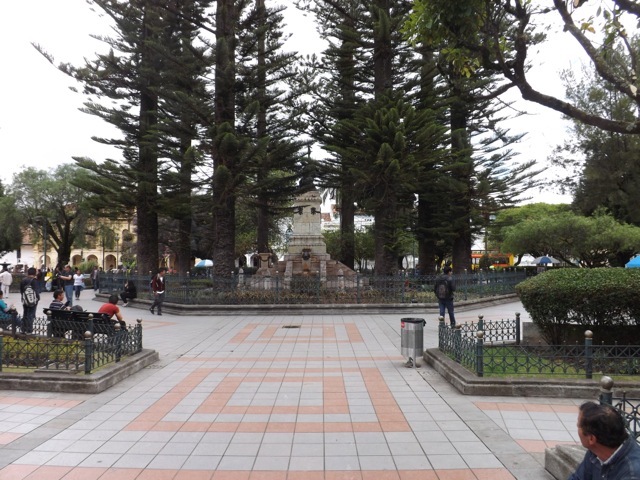
The next morning the rain had eased and we wandered around some more. The central plaza has a statue, and yes, a fountain too, hidden away in one corner.

wpid-dscf2603-2013-10-17-17-08.jpg

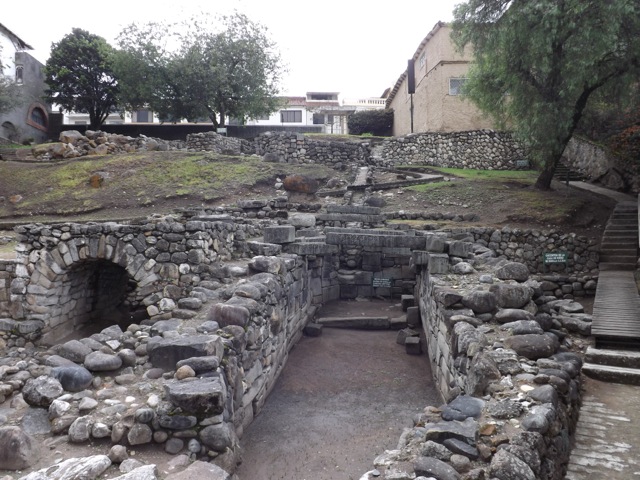
We also found two small Incan ruins that had been surrounded by the city. This one is just a small lot, while the other is more spread out and is part of the local botanical gardens, although only the foundations of the ruins are still visible.
wpid-dscf2614-2013-10-17-17-08.jpg

The next day we booked a tour of Ingapirca, but as part of the tour we had to book a train ride down the Devil’s Nose.

The Devil’s Nose – Nariz del Diablo
After a three hour van ride north, we arrived at the town of Alausi where we boarded the train that would take us down the Devil’s Nose – a hill that looks sort of like a nose.

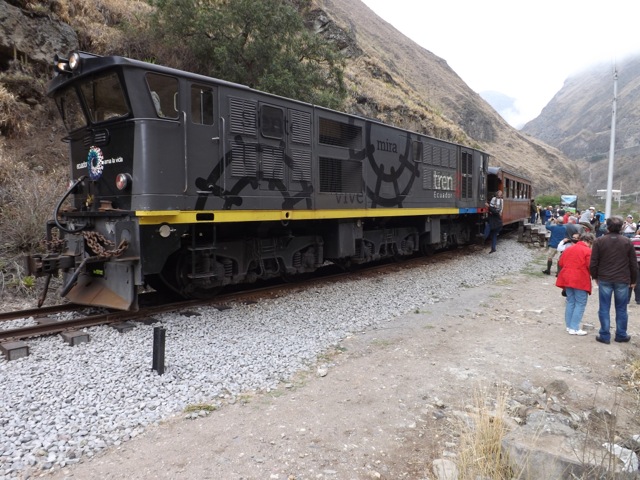
When building a railway through the country, the Ecuadorian government had to find a way to connect a station at the top of Devil’s Nose with one 800m below. Unable to go around, they decided to build a switchback system where the train goes back and forth down hill.

wpid-dscf2666-2013-10-17-17-08.jpg

Thirteen thousand locals took part in the creation of the switchback, of which 2,500 were killed during the process through dynamite explosions, apparently.

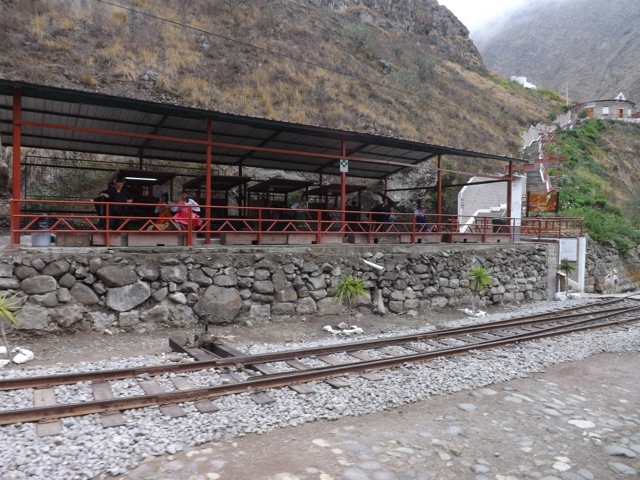
At the bottom station there’s a small museum, some traditional dancing and a cafe.

wpid-dscf2661-2013-10-17-17-08.jpg

Ingapirca

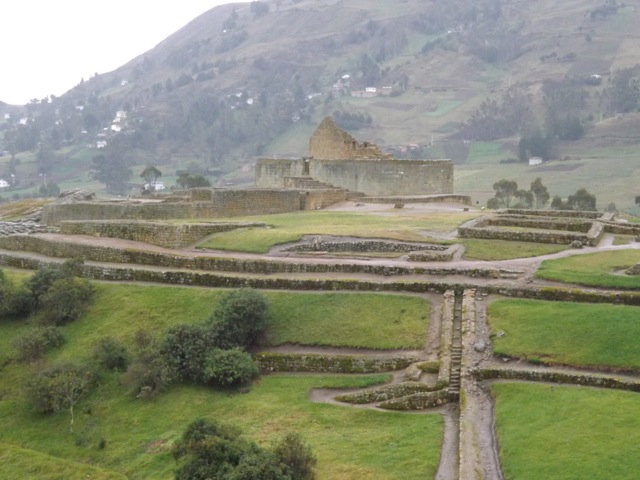
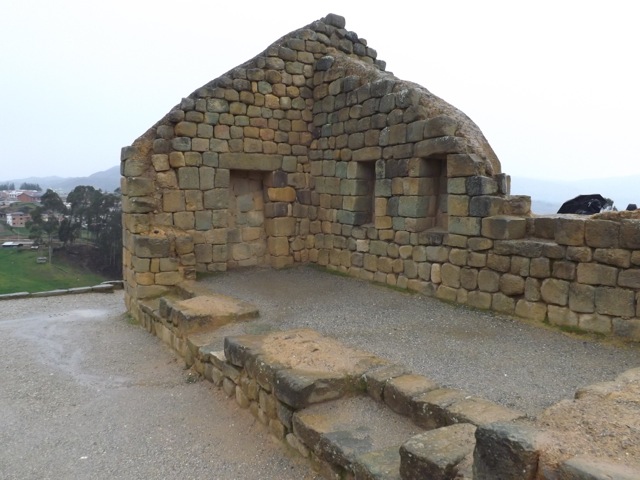
After the train ride back and another 2-hour van ride, we arrived at the largest ruins in Ecuador, Ingapirca – a thousand year old pre-Incan fortress. Like most of the Incan cities, the spanish destroyed it, using the bricks as foundations for some of the buildings in the surrounding cities, including Cuenca. The only building left standing was the sun temple, set to catch the sun four times a year on the solstices and equinoxes.

wpid-dscf2689-2013-10-17-17-08.jpg

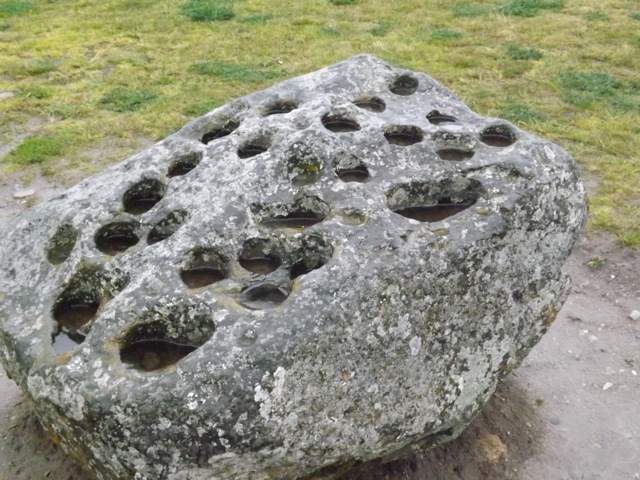
It was raining, so we didn’t spend a lot of time in the ruins, but the guide was very knowledgable. This stone below was used as a calendar. There are 28 holes cut into the rock, one for each day of the thirteen lunar months of the Incan year. It’s said that they could tell the date by which of the holes the moon was shining in.

wpid-dscf2692-2013-10-17-17-08.jpg

The sun temple has two sides, so it can catch the morning light and the evening light.

wpid-dscf2695-2013-10-17-17-08.jpg

Then it was back in the van for a 90 minute ride back to Cuenca.

Overall
Cuenca and the surrounds is a nice area of the Ecuadorian Andes and worth a visit if you are travelling through from Peru or as a nine hour bus ride from Quito.

Next, I head back to Quito for a couple of days to plan my way north into Columbia.

The World Wanderer

Aguas Caliente and Machupicchu

After nearly six months travelling around South America, I’ve finally arrived at the most popular tourist destination on the continent, Machu Picchu. But there’s more here than just the ancient ruined city at the top of a mountain.

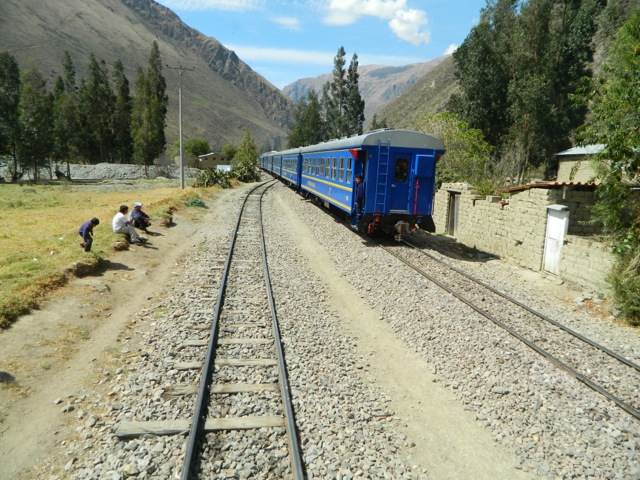
Located deep in the mountains, a 3.5 hour train ride from Cusco or 4 days via the Inca Trail, is a town called Aguas Calientes, meaning hot waters, or hot pools in Spanish. With no road leading into the town, there’s no other way to get than walk or catch the train.

wpid-dscn3288-2013-08-14-15-41.jpg

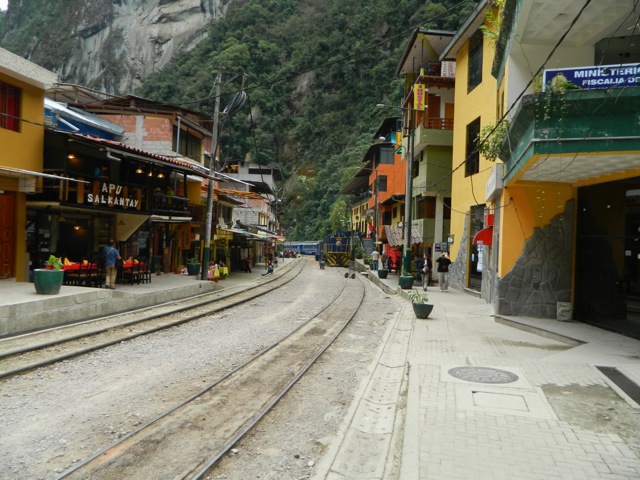
Aguas Calientes is a beautiful little town set on the side of the Rio Urubamba and nestled among the mountains. It’s purely set up for tourists visiting Machu Picchu, meaning if the ruins didn’t exist, neither would the town. There are a vast number of restaurants, hotels, hostels and massage places all for the pleasure of the tourist and the tourist dollar. With so many restaurants, the owners fight to get just a few customers in each night.

wpid-dscn3299-2013-08-14-15-41.jpg

I arrived by train at midday and set about investigating the town. With a plan to hike up the 2000 steps to Machu Picchu early the following morning, I headed out towards a nearby set of waterfalls only 45 minutes walk from the town. The trail leads you along the side of the train tracks that wind through the valley.
wpid-dscn3307-2013-08-14-15-41.jpg

When I got to the house with an arrow pointing at it and the word cataratas (waterfalls in spanish) on a sign I was sceptical as I couldn’t hear the waterfalls. So, I decided to just keep walking along the trail instead.
wpid-dscn3292-2013-08-14-15-41.jpg

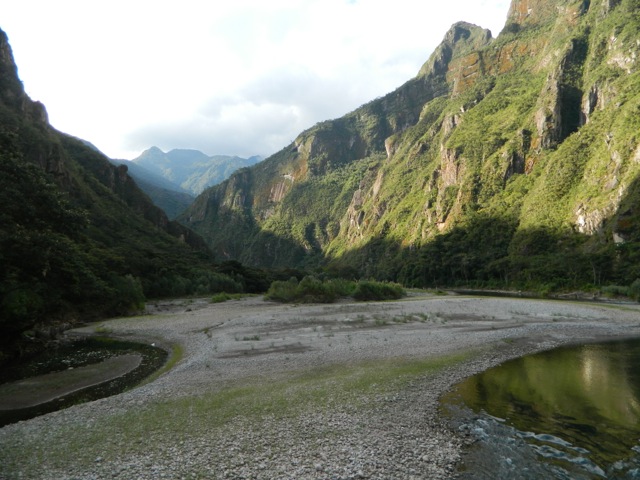
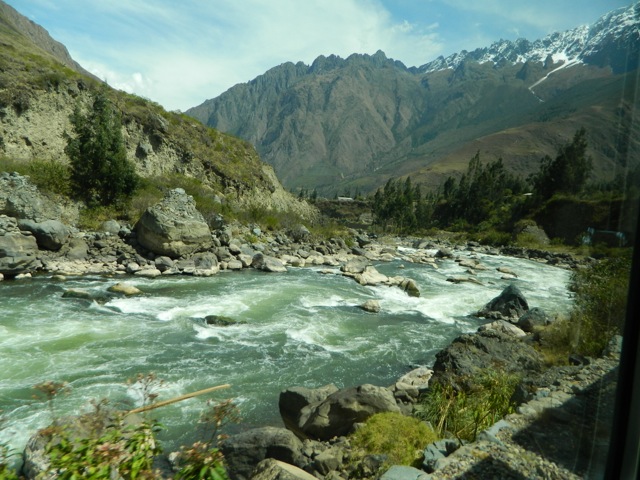
It was a pleasant walk with no hills, so I just kept going and going until I came to a place called Santa Teresa and decided to start back. The scenery was absolutely beautiful…

wpid-dscn3314-2013-08-14-15-41.jpg

What had begun as a 45 minute walk turned into a 5-hour hike. On the way back, I was able to see a single building from the ruins at the top of the mountain.

wpid-dscn3324-2013-08-14-15-41.jpg

While a casual 90-minute walk wouldn’t have been a problem, I wasn’t really prepared for the length I ended up walking. I wasn’t wearing the correct socks and managed to gain a couple of blisters, something that rarely happens to my feet.

The next morning I was up at 4.30 and getting ready for the climb to the ruins. The hostel is prepared for this as breakfast begins at 4am.

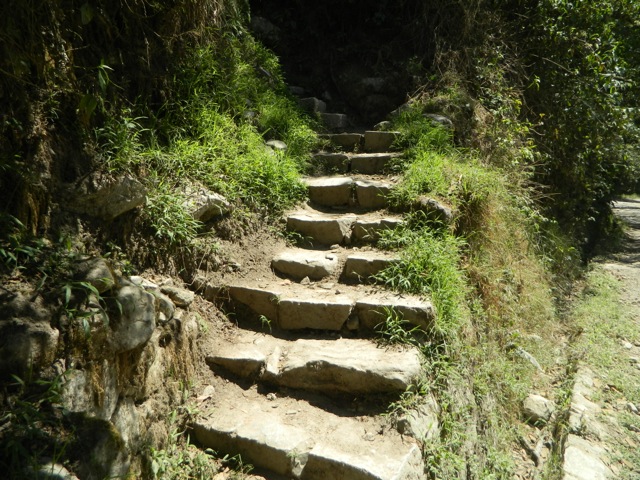
The 2000 steps climbing up to the ruins were built in typical Inca style, although with the road winding up the side of the mountain for the buses, I’m sure the stairs weren’t built by the Incans.

wpid-dscn3409-2013-08-14-15-41.jpg

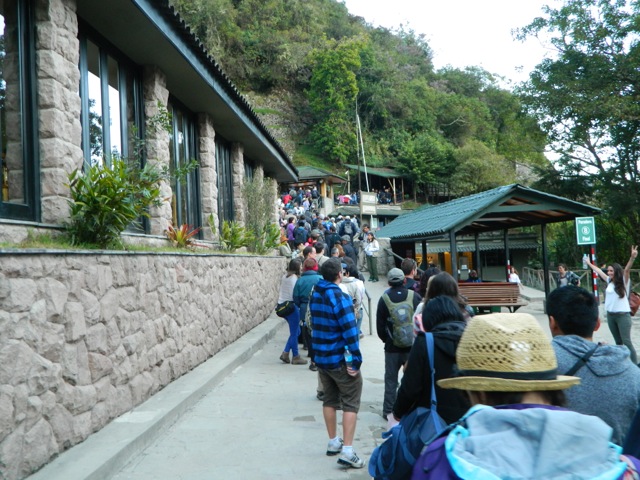
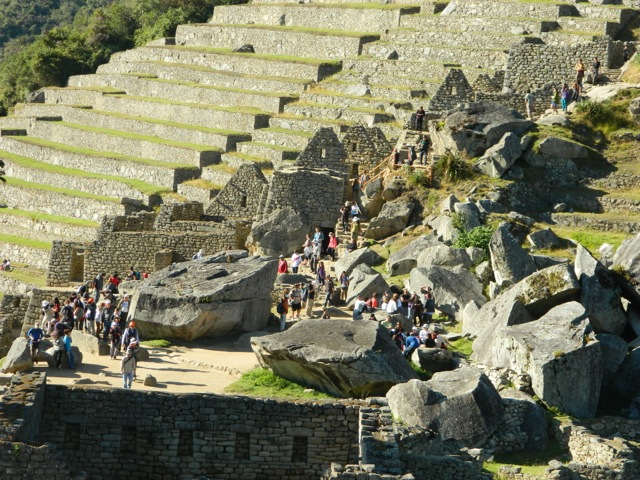
The stairs were strenuous on their own although I’ve climbed more difficult mountains, but add the altitude and it becomes challenging. (Add blisters and it’s even worse!) I made it just after 7 when the mass of tourists from the buses were trying to get into the city. This is what I’d expected and why I call Machu Picchu the Disneyland of South America.

wpid-dscn3326-2013-08-14-15-41.jpg

I finally got in just before the sun rose over the mountains to shine on the city, lighting it up the stone work in the pinkie yellow of first light.

wpid-dscn3340-2013-08-14-15-41.jpg

There’s a lot that can be said about the city, but much of it is speculation and not on my part. There are few signs but beyond telling you where the exit is, they don’t tell you anything about the ruins. No-one’s really sure what the full story behind the city is and I was only able to garner a small amount of information by listening in to the many guides around the different parts of the city.

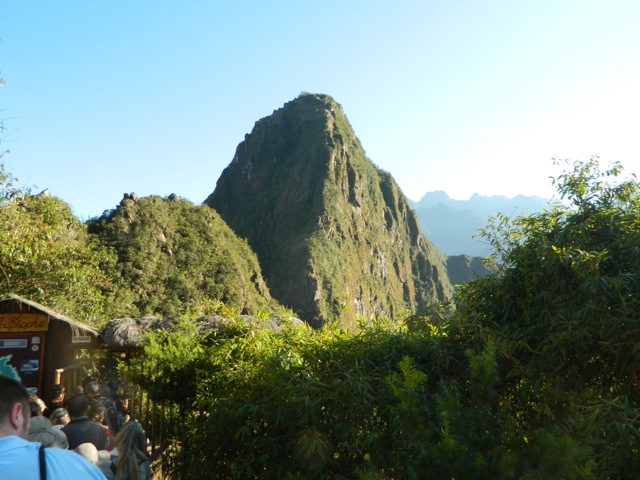
These two mountains are Huayna Picchu (the shorter) and Wayna Picchu. Wayna Picchu has a temple built atop it with a precarious path leading to it. You need to pre-pay to get to these mountains and I hadn’t.

wpid-dscn3353-2013-08-14-15-41.jpg

The ruins were discovered in 1911 when a local advised a US American that there was Incan architecture atop the mountain. He scaled the mountain and discovered the overgrown city.

wpid-dscn3358-2013-08-14-15-41.jpg

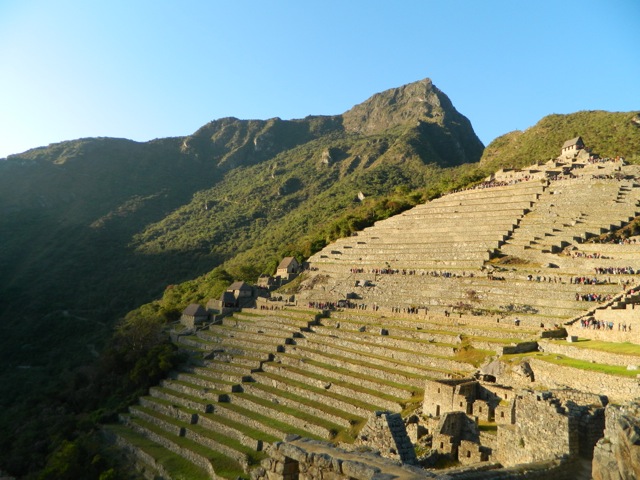
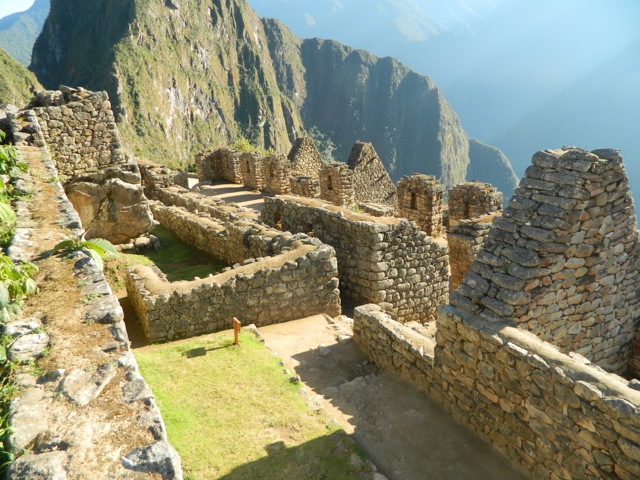
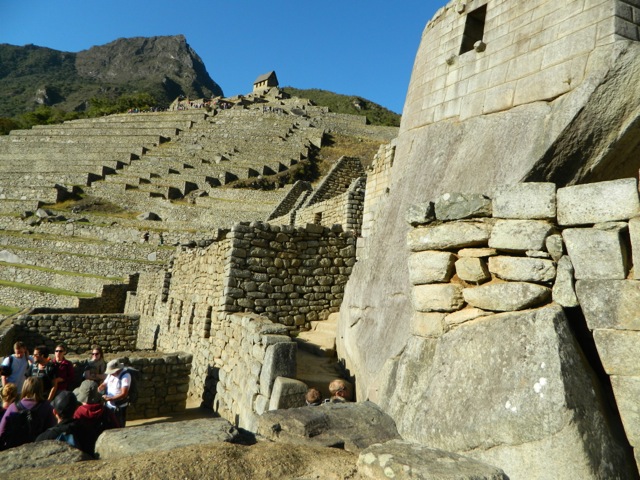
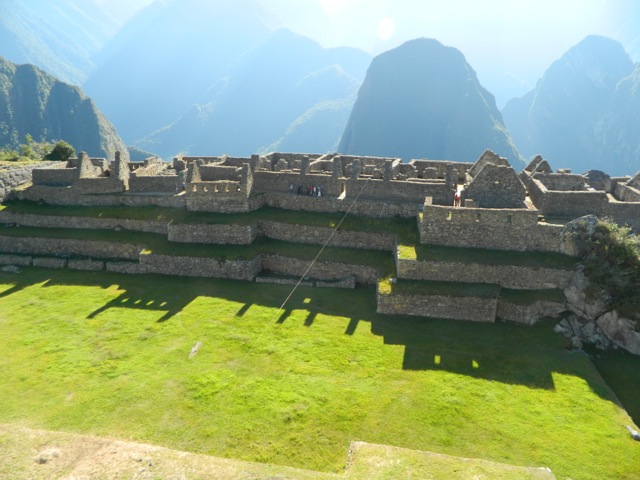
Machu Picchu was thought to have been built as the winter home of an Incan emperor and is said to have been abandoned before the spanish conquests in 1534. This is one of the many speculations of its existence. The house at the top of the tiers is the highest point in the city and the peak of Machu Picchu Mountain is behind it.

wpid-dscn3363-2013-08-14-15-41.jpg

The city was thought to be the lost city of the Incas but many think the lost city is another, larger city, several days away in the jungle. Other stories say that this was an Incan Concubine city for the emperor, with 100-200 concubines living here.

wpid-dscn3370-2013-08-14-15-41.jpg

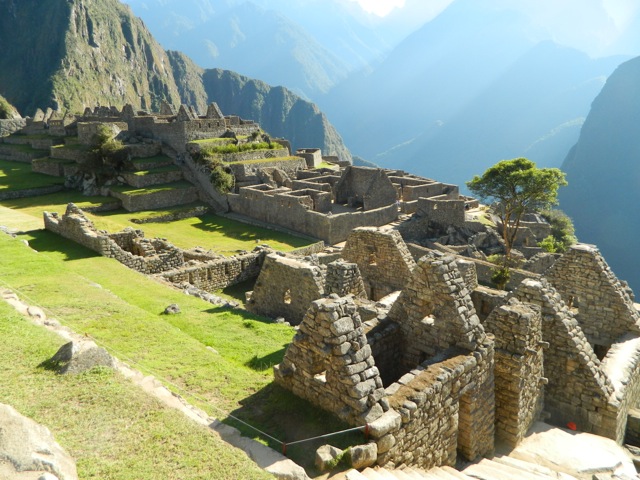
Nestled as it is on the top of a mountain, the city isn’t flat, with many terraces and stairs. Corridors were thin or closed off to protect areas of the ruins, meaning it could be slow going with all the tourists trying to get around.

wpid-dscn3390-2013-08-14-15-41.jpg

It takes about two hours to walk around the ruins, but even in the middle of winter it’s very warm during the day. There are large open grassy areas, possibly where crops were sown.

wpid-dscn3394-2013-08-14-15-41.jpg

At the end of my walk around the ruins, I decided to climb Machu Picchu Mountain. The stairs up the side were even steeper than those leading up to the city.

wpid-dscn3405-2013-08-14-15-41.jpg

I got to a spectacular viewing area about half way up (about the same height as Wayna Picchu). With the altitude, the heat and my general state of exhaustion I decided to forego the rest of the climb and headed back down again.

wpid-dscn3408-2013-08-14-15-41.jpg

I found my way to the exit and began descending back down the stairs to Aguas Caliente. At 30°C+ it was very hot going and exhausted, I finally reached the hostel and a welcoming shower.

While Machu Picchu is packed with people – 2500 are allowed there a day – that was the only downside of the ruins. The reconstruction of parts were great and the city overall is amazing. I certainly enjoyed my visit and while expensive, it’s something I had to do, unlike the Inca Trail, where the amount of people would have spoiled my enjoyment.

Next, I am off to Arequipa, a southern city in Peru in hope of hiking through Colca Canyon, a canyon twice as deep as the Grand Canyon in the US.

The Lone Trail Wanderer